

Small wedding plus one etiquette is about deciding who needs a named seat, who may be invited alone, and how to explain the boundary without making guests feel ranked. Most small weddings do best with named partners for established couples, clear RSVP limits, consistent rules, and extra care for attendants, travelers, and guests who may know no one.
A small wedding makes every invitation decision feel visible. One open plus-one can be lovely for a guest, but ten open plus-ones can change the meal count, seating plan, budget, and feeling of the room. The etiquette question is not only “Can we afford this?” It is also “Will this rule feel fair when guests compare invitations?”
The cleanest answer is to separate named partners from open plus-ones. A spouse, fiance, live-in partner, or serious long-term partner is usually not the same as an unnamed date. You can keep a tiny guest list and still show respect by deciding the policy early, applying it consistently, and making the invitation wording unmistakable.
Recommended Wedding Products


You Might Also Like These Blog Posts
- No Plus One Wedding Boundaries That Still Feel Warm
- Small Wedding Guest List Etiquette For A Guest List That Feels Fair
- Small Wedding Etiquette Rules That Keep Things Kind And Clear
- Small Wedding No Plus One Wording Lines That Stay Warm
- Small Wedding No Plus-One Website Wording For Named Guests
- How To Keep Your Wedding Guest List Small Before It Spirals
Small Wedding Plus One Etiquette That Keeps the Guest List Clear
The most gracious approach starts before invitations are addressed. Write the plus-one rule privately first, then make every guest-facing detail match it. For example, you might decide that married, engaged, live-in, and long-term partners are invited by name, while open plus-ones are not available because the guest list is intentionally small.
That kind of rule keeps the decision from becoming personal in the moment. You are not deciding whether one friend “deserves” a date more than another. You are following a standard tied to relationship status, guest comfort, capacity, and the shape of the event. A tiny dinner for twenty may need a tighter rule than a fifty-person reception, but either policy should be understandable.
Define A Named Partner Before You Talk About Plus-Ones
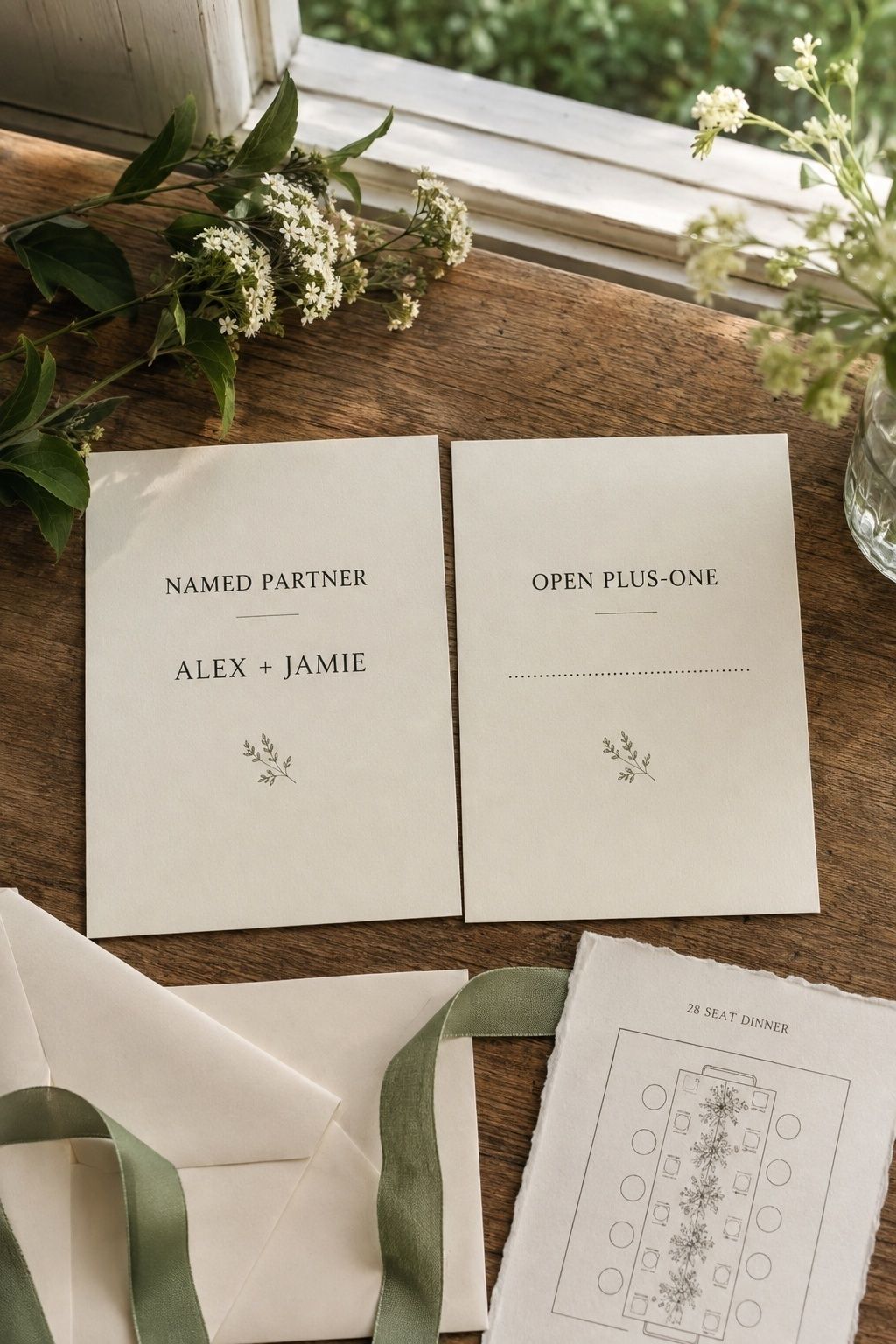
A named partner is a specific person you are inviting because of their relationship to your guest. An open plus-one is an unnamed companion your guest may choose later. Named-partner invitations for a small wedding are often the middle ground: established couples are recognized, while casual dates or unknown companions are not automatically added.
This distinction matters because guests in committed relationships may not experience their partner as optional. If you have room, invite spouses, fiancees, live-in partners, and serious long-term partners by name. If you truly cannot include partners beyond immediate family, be honest with yourselves about the closeness of the event and prepare for some guests to decline.
For planning purposes, keep a note beside each guest: invited alone, invited with named partner, or offered open plus-one. That simple system helps you notice inconsistency before the invitations go out.
Set The Policy Before Save-The-Dates And Invitations
Plus-one decisions become harder once guests have already made assumptions. Decide your rules before save-the-dates if possible, and definitely before invitations. A delayed policy can create awkward corrections if a guest has already booked travel with a partner they assumed was included.
When the guest list is limited, plus-one etiquette works best when the policy is shared with anyone who might answer questions for you. Parents, planners, wedding-party members, and siblings should know the same answer. Otherwise, a guest may hear one thing from you and another from a relative who is trying to be generous.
When the policy is settled early, your invitation wording can stay calm. The names, RSVP count, and website FAQ do the work quietly instead of turning every question into a fresh negotiation.
Keep Similar Guests Under The Same Rule
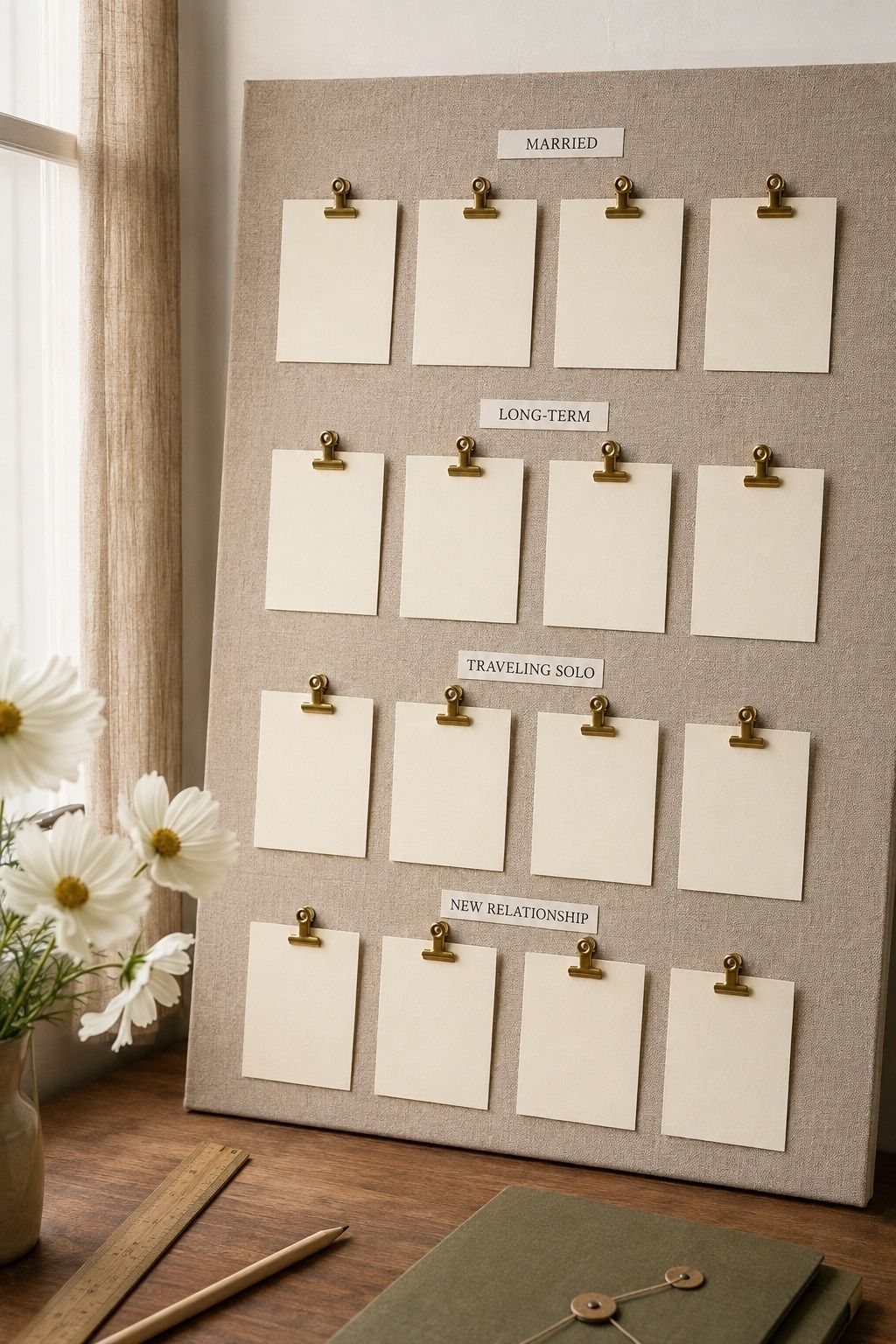
Consistency is the etiquette safety net. If one cousin’s long-term partner is invited and another cousin’s similar partner is not, the reason should be clear and defensible, not just who asked first. Small weddings are intimate enough that uneven rules are easy to notice. The same fairness runs through broader small wedding etiquette too.
This does not mean every person receives the same invitation. It means similar situations are handled similarly. Married guests may be invited as a couple. Guests in new relationships may be invited alone. A traveler who knows no one may receive an exception because attendance would otherwise be isolating or difficult. Write down the exception category before you use it.
If you are building a guest list from scratch and want to keep it small, create columns for relationship status, travel needs, guest comfort, and partner name. Seeing the whole list at once makes the policy feel less emotional and more organized.
Respect Established Couples When You Can
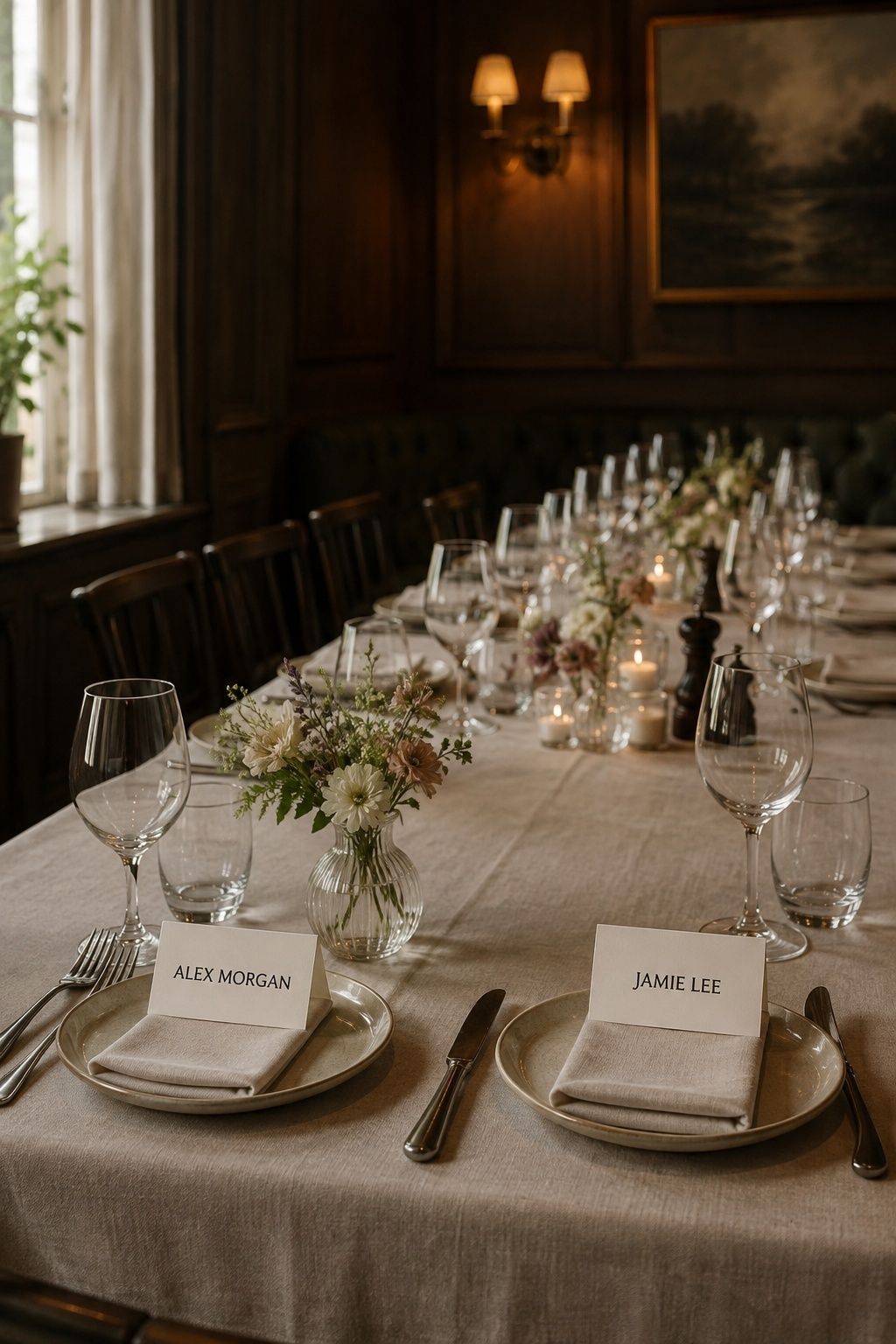
For an intimate wedding, plus-one etiquette gets tender around established couples. Many guests will understand that a small wedding cannot include every casual date. They may feel differently if their spouse, fiance, live-in partner, or long-term partner is excluded while other couples are invited together.
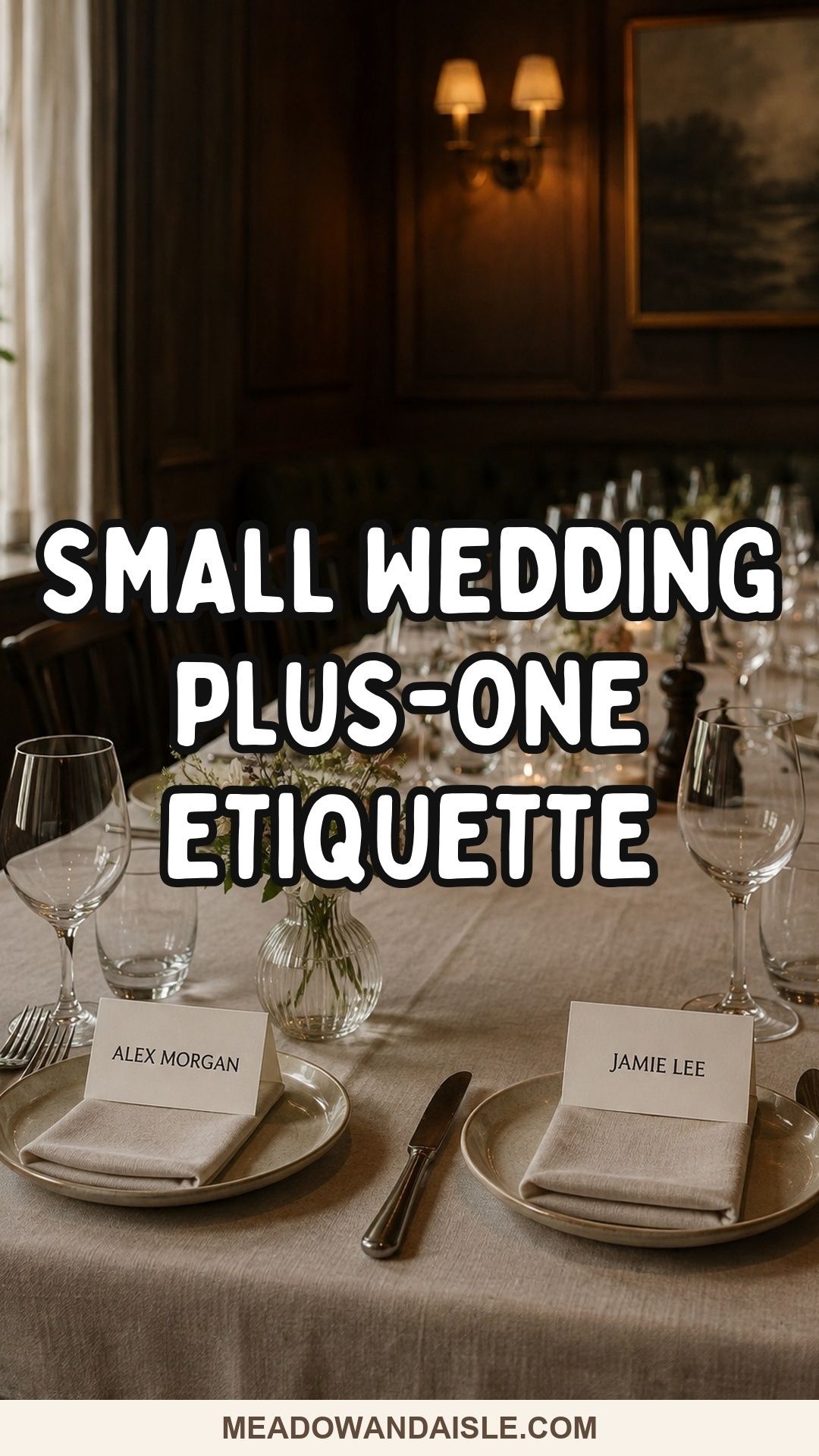
When capacity allows, invite established partners by name rather than offering them as open plus-ones. “Alex Morgan and Jamie Lee” is clearer than “Alex Morgan and guest.” It also lets you collect the correct name for place cards, meals, transportation lists, and seating.
If you cannot invite a close guest’s established partner, consider a private note before invitations arrive. A short explanation can feel kinder than letting them discover the omission alone, especially if they have hosted you as a couple or expect their partner to be recognized.
Think Carefully About Solo Travelers
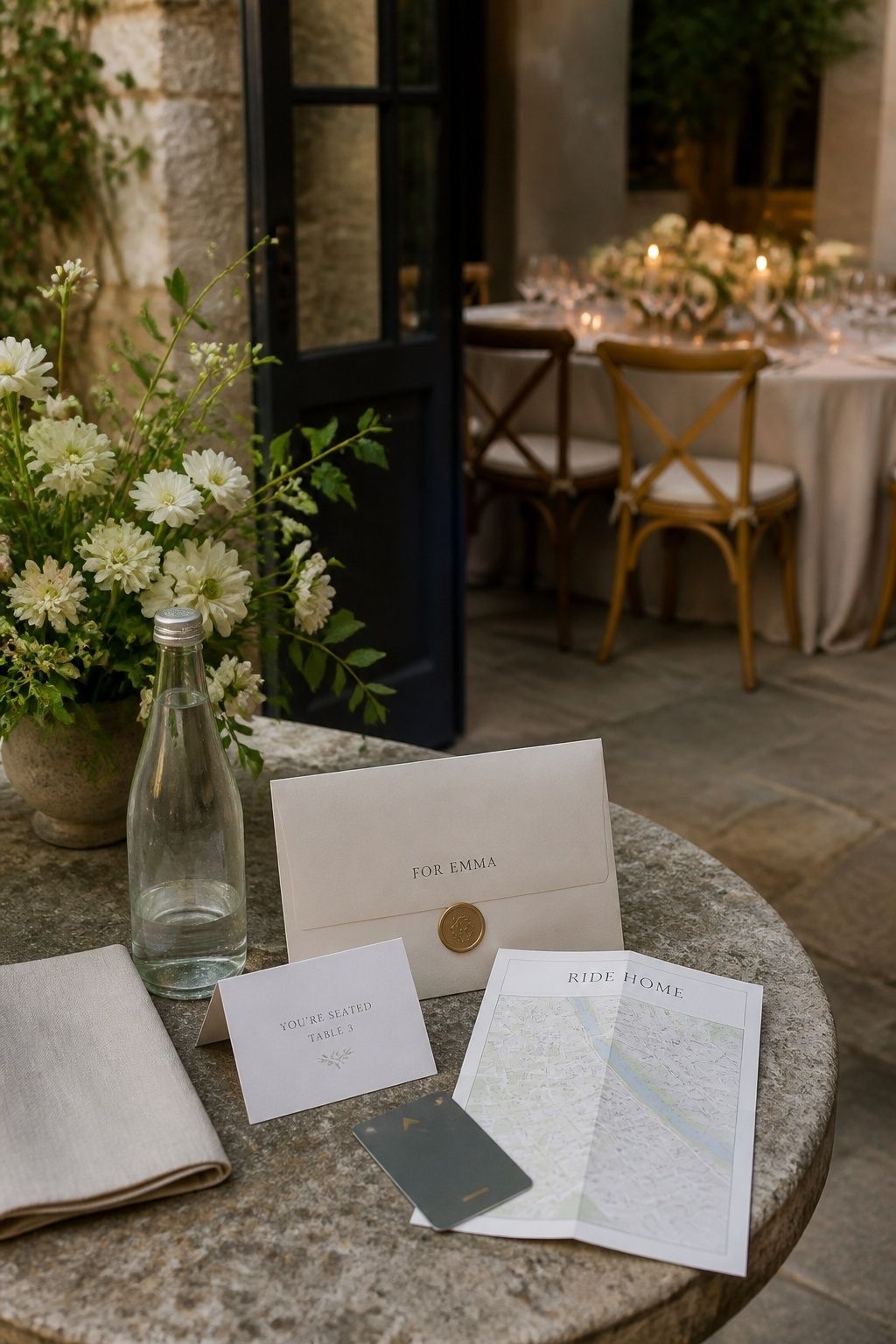
A guest flying in alone faces more than dinner conversation. They may be managing hotel costs, transportation, safety, schedule gaps, and the discomfort of entering a room where everyone else has a familiar person. At a micro wedding, plus-ones are not always possible, but travel can justify a thoughtful exception.
If you cannot offer a plus-one, support the guest in other ways. Share hotel and transportation details early. Seat them with people who will include them. Connect them with another guest before the wedding if it feels natural. Keep the timeline clear so they are not left alone between events.
This is especially important for destination celebrations, private venues, and weddings where the guest knows only the couple. The smaller the event, the more hosting care matters.
Give The Wedding Party A Rule That Feels Fair
The wedding party often deserves special consideration because attendants give time, money, emotional support, and public presence to the day. If space allows, offering them a plus-one can be a gracious thank-you. If space does not allow it, be consistent across the group or explain any different treatment clearly.
A fair policy might be: all attendants with established partners have named-partner invitations, and single attendants receive open plus-ones only if capacity allows. Another fair policy for a very tiny wedding might be: no open plus-ones, but partners already known to the couple are invited by name. The key is to avoid favoritism that looks personal.
If an attendant is traveling, knows almost no one, or has accessibility or support needs, treat that as its own hosting question. A companion may be less about romance and more about making attendance realistic.
Make The Invitation Names And RSVP Count Unmistakable
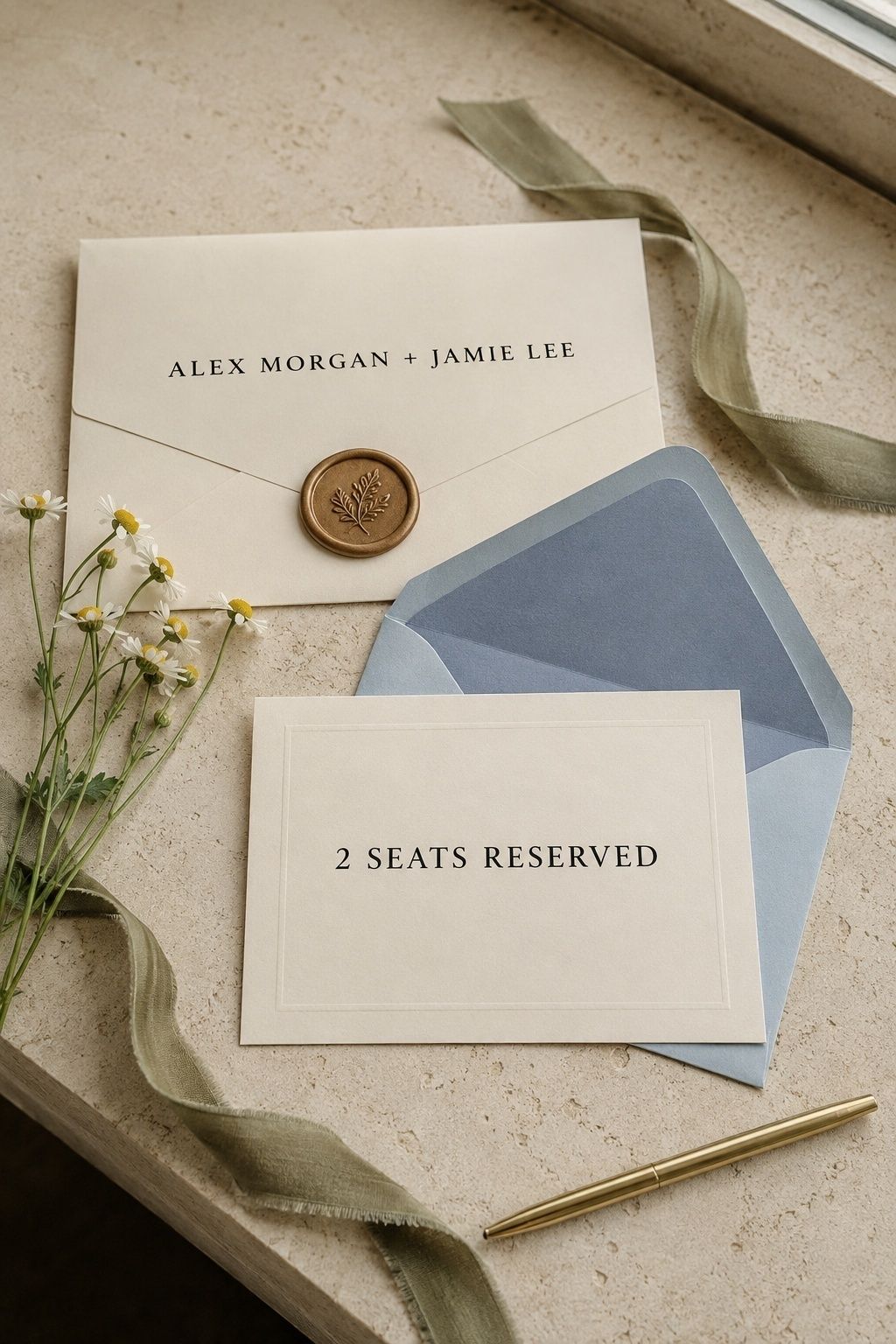
Your small-wedding RSVP wording should prevent plus-one confusion before it becomes awkward. Address envelopes and digital invitations to the exact invited names. If only one person is invited, use one name. If a partner is invited, include both names. Avoid household wording if not everyone in the household is invited.
On the RSVP card, use a reserved-seat line instead of an open blank. “We have reserved 1 seat in your honor” is clearer than “number attending.” For two invited names, use “We have reserved 2 seats for you.” Online forms should show only invited guests when possible.
If you need warmer public wording, place no-plus-one wording on the website or details card, not as a harsh line on the invitation. Match it with website wording for a small no-plus-one policy so every RSVP touchpoint says the same thing.
Say No Without Turning It Into A Debate
No-plus-ones language for a small wedding should be brief, kind, and closed-ended. A no-plus-one wedding feels less abrupt when the invitation names, RSVP card, and website all repeat the same boundary. Try: “Because we are celebrating with a very small guest list, we are only able to host the guests named on each invitation.”
Avoid blaming the venue, budget, or family unless that explanation truly helps. Detailed reasons can invite problem-solving: one more chair, one covered meal, one exception. A short sentence preserves the boundary while keeping the tone gracious.
For a firmer private reply, keep your no-plus-one wording short enough for your website FAQ or one-on-one message. Keep the actual invitation suite lighter whenever you can.
Handle Extra-Guest Requests Privately
Even with clear wording, a guest may ask to bring someone after invitations are sent. Answer privately and quickly. If the answer is no, do not overexplain or leave the door half open. A simple reply protects both the guest and the guest count.
You might say: “We wish we had room to include more people, but our guest count is limited to the names on each invitation. We would still be so happy to celebrate with you.” If the guest says they cannot attend alone, accept the decline kindly.
If a guest adds an uninvited name to the RSVP, contact them before final counts are due. Do not wait and hope it resolves itself. A quiet correction now is kinder than confusion at the seating chart later.
Allow Rare Exceptions For Real Needs
For a small wedding guest list, plus-one exceptions can exist without making the policy unfair. A support person for disability, medical, anxiety, safety, or travel reasons is different from a casual date. A guest who knows absolutely no one and must travel alone may also deserve a careful look.
Exceptions work best when they are rooted in need, not pressure. Decide who has authority to approve them, record the added name, and update the RSVP, meal, seating, and transportation details immediately. If you make an exception, you do not need to announce it publicly.
Use small wedding guest list etiquette to weigh those edge cases against capacity, closeness, and the kind of hosting experience you want to create.
FAQ
Do You Have To Give Plus-Ones At A Small Wedding?
No, you do not have to offer open plus-ones at a small wedding. You should still decide carefully who is invited with a named partner, especially spouses, fiancees, live-in partners, and serious long-term partners. A small guest list can be valid, but the rule should be consistent and clear.
Do Married Or Engaged Guests Get Invited Together At A Small Wedding?
Usually, yes, married and engaged guests are invited with their partners by name. If your wedding is so small that only immediate family or a tiny inner circle is included, you may set a narrower rule. Just understand that excluding a spouse or fiance can affect whether the invited guest feels comfortable attending.
Can You Invite A Guest Without Their Long-Term Partner To Keep The Wedding Small?
You can, but it is one of the more sensitive choices. If other long-term partners are invited, excluding one person’s partner may feel personal. For a very tiny celebration, a direct private note can help. Explain that the guest list is limited to a specific circle, then accept their response gracefully.
Should The Wedding Party Get Plus-Ones At A Small Wedding?
If capacity allows, offering the wedding party plus-ones is a thoughtful gesture because attendants give significant time, money, and support. If space is too tight, set a consistent rule, such as named partners only. Consider exceptions for attendants traveling alone, knowing few guests, or needing practical support.
How Do You Say No Plus-Ones Because Of A Small Guest List?
Use named invitations, then add one warm explanation on the website or details card: “Because we are celebrating with a very small guest list, we are only able to host the guests named on each invitation.” Keep the RSVP count specific so guests are not prompted to add another name.
What Should You Do If A Guest Asks To Bring Someone After Invitations Are Sent?
Answer privately and promptly. If you cannot add the guest, say so kindly without offering a long explanation: “We wish we had more room, but our guest count is limited to the names on each invitation.” If the guest declines because of that, receive the decline with warmth.
Final Thoughts
A small wedding does not require unlimited plus-ones, but it does require clarity. Decide your rule early, invite established partners by name when you can, make the RSVP count unmistakable, and host solo guests thoughtfully. The goal is not to make every person perfectly happy; it is to make the boundary understandable, consistent, and humane.
When the last seating questions are still moving, let your final plus-one decisions stay tied to the people named on each invitation, the seats available at each table, and the care you want every guest to feel before the day is done.
Last update on 2026-10-03 / Affiliate links / Images from Amazon Product Advertising API