
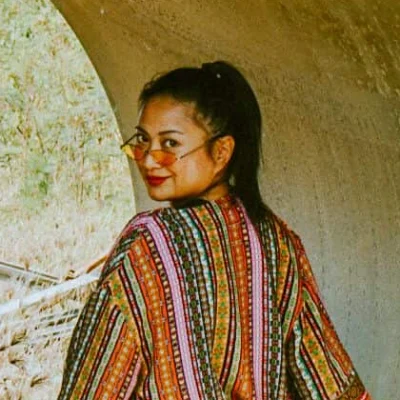
Light and airy wedding photography ideas work best when the day has soft natural light, pale reflective surfaces, gentle color, and enough room in the timeline for real moments to unfold. Choose open shade, windowed rooms, uncluttered details, and a photographer who protects skin tone and emotion instead of making every frame look overly bright.
The light and airy style feels romantic without losing the honest parts of the day: the nervous hands, the happy chaos after the ceremony, the candlelit dinner, and the faces that turn a small wedding personal. It is less about forcing a whitewashed look and more about giving brightness something real to land on.
For intimate weddings, the best results often come from simple spaces that photograph cleanly: garden shade, courthouse steps, a private dining room with windows, a pale restaurant wall, a sunlit patio, or a quiet home ceremony with clutter edited away. These ideas map the light, palette, details, and photo conversations that keep the gallery soft but still alive.

Recommended Wedding Products
No products found.
No products found.
No products found.

No products found.
You Might Also Like These Blog Posts
- Artsy Wedding Photography Ideas That Still Feel Like You
- Blue Hour Wedding Photography Ideas for a Twilight Glow
- Cinematic Wedding Photography Ideas for Movie-Still Moments
- Wedding Photography Mistakes That Steal the Feeling From the Day
- Civil Ceremony Photography Ideas for Proof of a Beautiful Small Day
- Documentary Wedding Photos Ideas for the Day as It Happened
Light And Airy Wedding Photography Ideas For Soft, Real Images
A beautiful light and airy gallery begins before the camera comes out. The venue, time of day, getting-ready room, ceremony direction, flowers, paper goods, and clothing all change how much brightness the photographer preserves without flattening the image. The style looks effortless when the day gives the lens clean light, open backgrounds, and real emotion.
Small weddings are especially suited to this approach because the timeline breathes. Choose one bright room instead of racing between several locations, keep portraits close to the ceremony, and let guests gather in settings that feel warm rather than crowded. The ideas below start with practical scene choices, then move into color, timing, and photographer communication.
| Planning choice | Why it works | What to ask before the day |
|---|---|---|
| Open shade | Soft faces without harsh squinting | Where is the cleanest shade at ceremony time? |
| Windowed room | Bright indoor images with natural direction | Which room has the largest window and least clutter? |
| Pale surfaces | More reflected light around the couple | Are there cream walls, stone paths, linen drapes, or pale patios? |
| Gentle palette | Less color cast on skin and clothing | Will flowers, linens, and paper goods support a soft gallery? |
| Protected timeline | Airy photos that still hold emotion | Where should ten quiet portrait minutes fit without rushing guests? |
Choose A Venue With Clean Natural Light
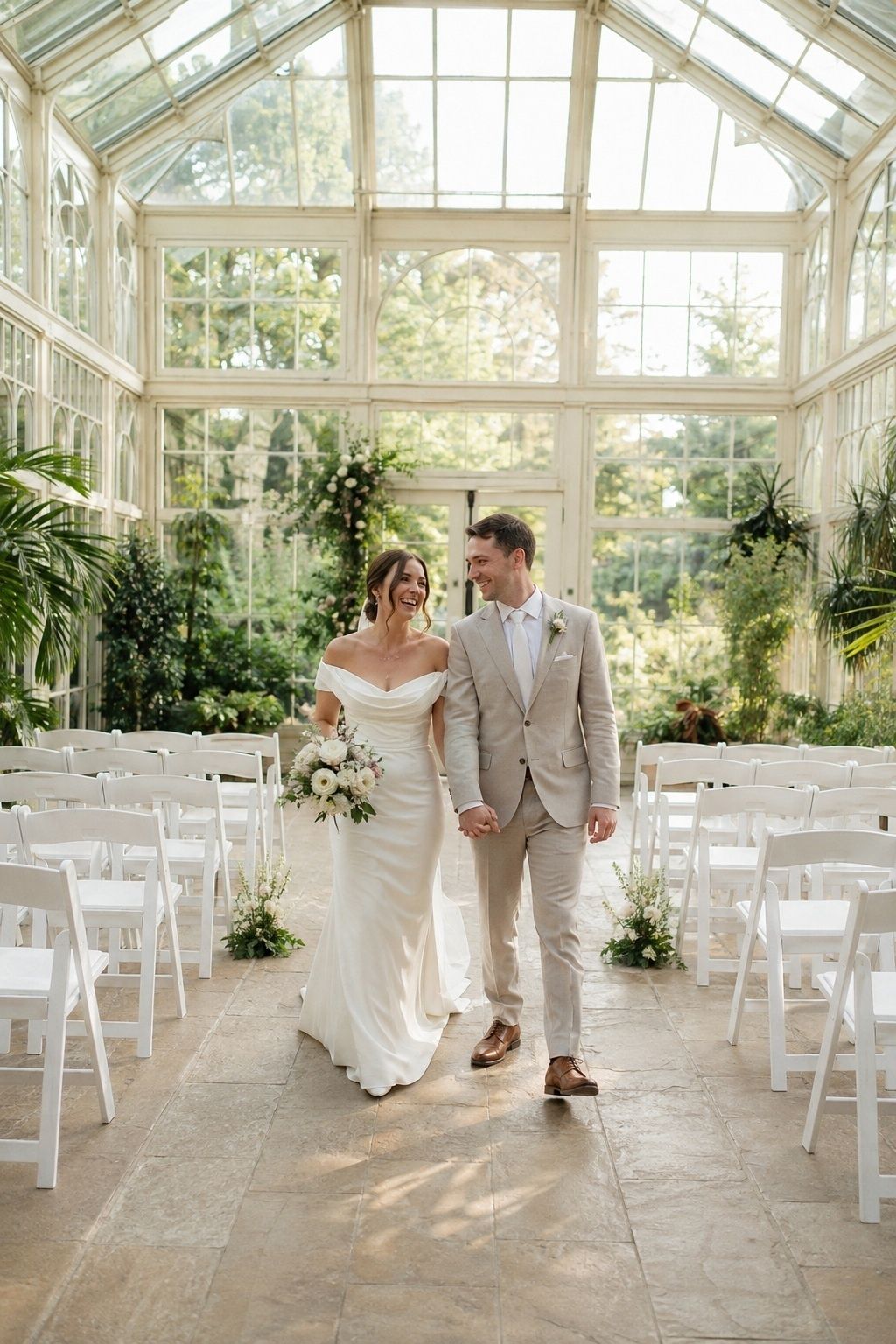
The easiest light and airy wedding photos happen in places where natural light already behaves beautifully. Look for courtyards, gardens, patios, conservatories, white-walled restaurants, historic homes, glass doors, pale stone, and rooms where the windows are large enough to light faces without heavy flash. The space does not need to be grand; it needs to be bright, calm, and uncluttered.
At a small wedding, tour the exact spaces where the ceremony, portraits, dinner, and getting-ready moments will happen. Notice yellow walls, red brick, dark wood ceilings, heavy curtains, and mixed bulbs, because those surfaces often change the softness of skin and fabric. If the venue has one beautiful pocket of light, let that location carry more of the gallery.
Plan Portraits In Open Shade
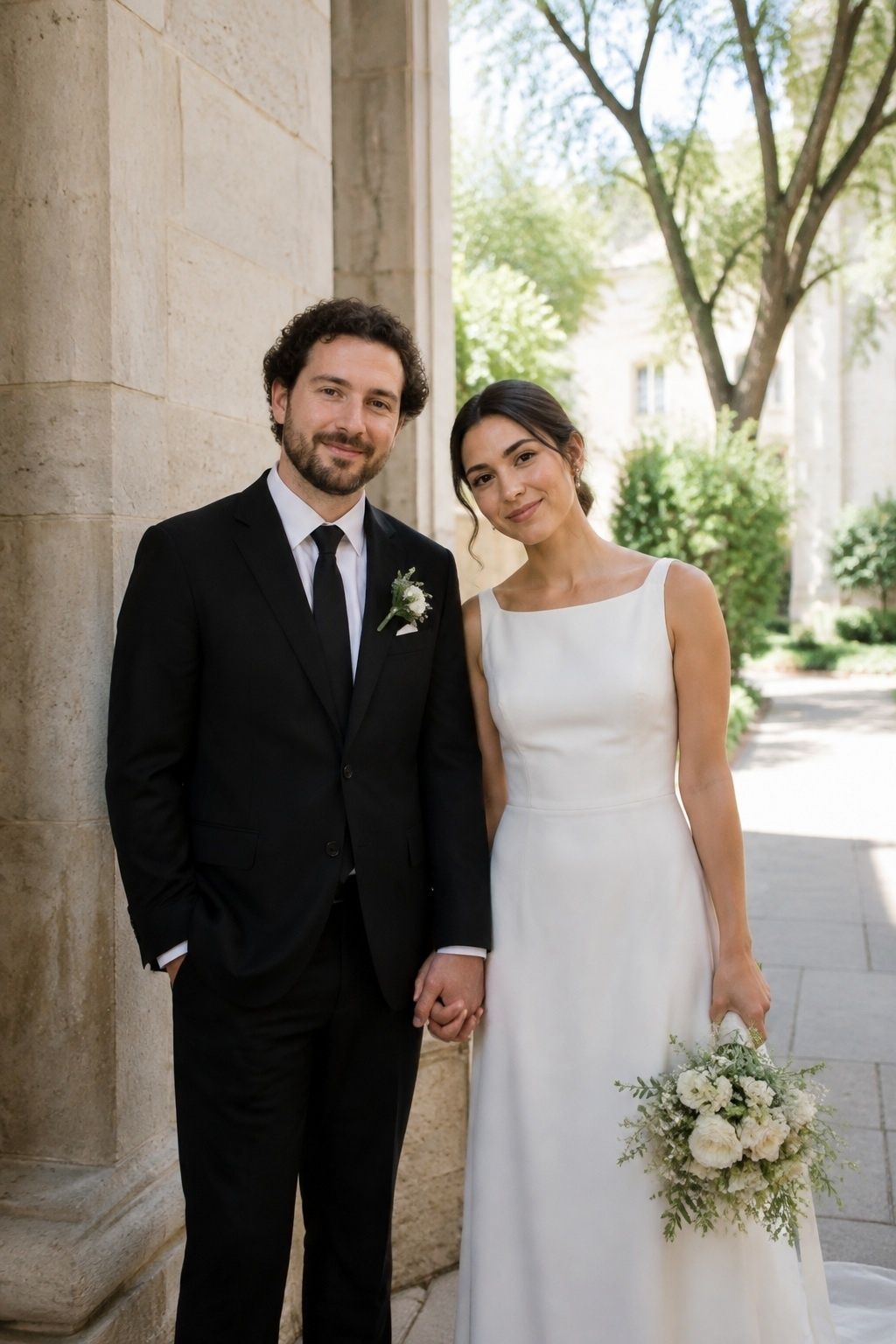
Open shade gives light and airy portraits their clean, flattering base. A tree line, covered porch, courtyard edge, pale building wall, or shaded garden path softens faces while the scene stays bright. Full sun may look cheerful in person, but it often creates squinting, sharp shadows, and blown highlights on veils or white dresses.
Ask your photographer where the shade falls at the exact portrait time. If you are having a courthouse or restaurant wedding, the best spot may be across the street, beside a pale wall, or just inside a doorway rather than in the most obvious front entrance.
Use Window Light For Getting-Ready Photos

A windowed getting-ready room turns ordinary preparation into something tender and refined. Buttoning a dress, fastening earrings, tying a bow tie, holding vow books, steaming a veil, or holding flowers near soft window light gives the photographer brightness and direction at the same time. The image feels gentle because the light wraps around the moment instead of blasting it flat.
Before the photographer arrives, clear plastic bags, water bottles, garment tags, makeup clutter, and suit packaging away from the window. A garment steamer, lint roller, and one simple hanger often matter more than a long prop list.
Keep The Ceremony Background Simple
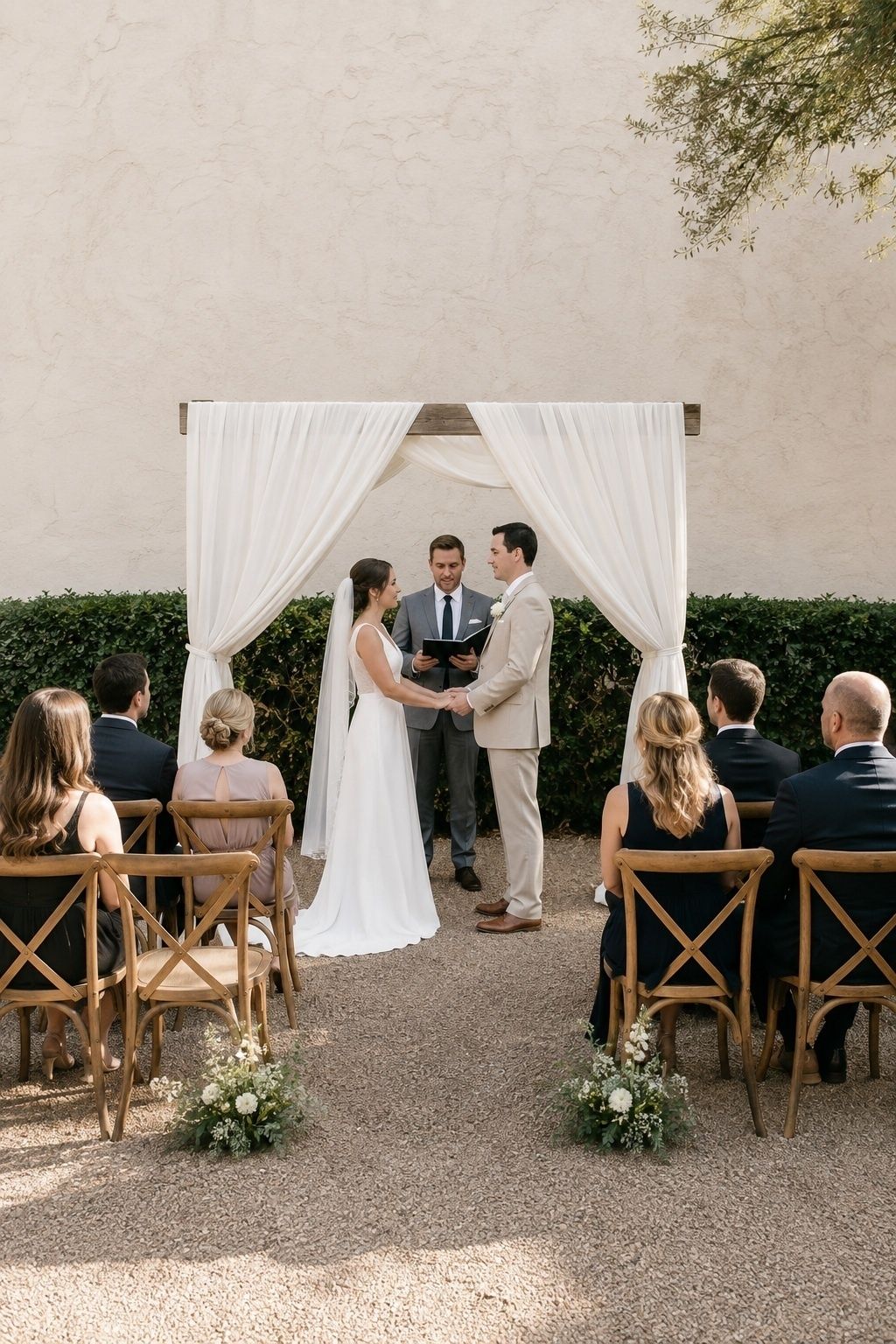
A light and airy ceremony does not need a huge floral installation. A pale wall, garden hedge, chapel doorway, linen-draped arch, soft curtains, or clean courthouse steps keeps attention on the couple. The background should support the faces, vows, and hands rather than fight the photographer with clutter.
Small ceremonies simplify this because there are fewer chairs, signs, bags, and aisle markers to manage. Before guests arrive, ask someone to scan the frame for extension cords, extra boxes, bright signage, or coats on chair backs.
Build A Pale But Lived-In Palette
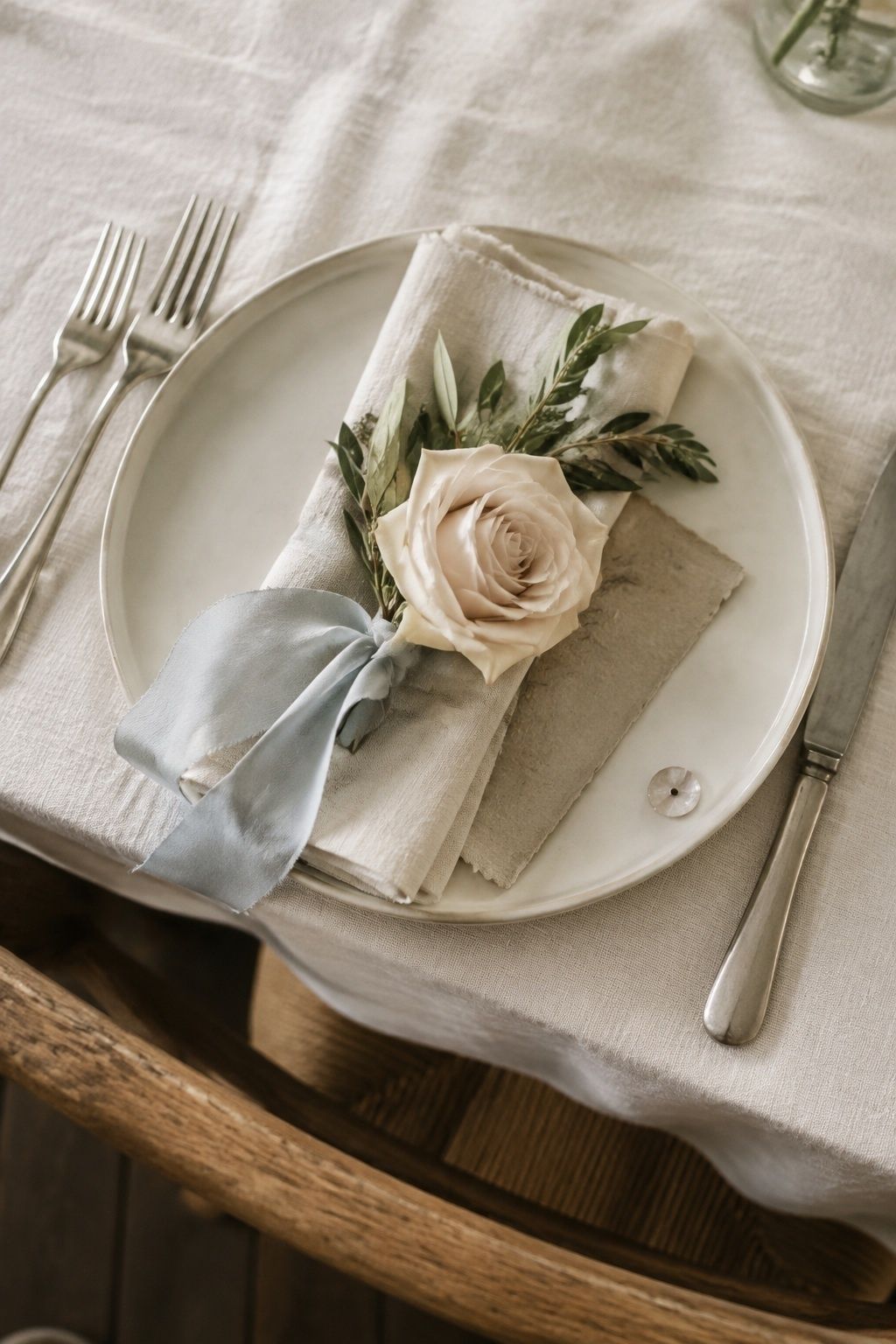
Cream, ivory, champagne, dove gray, pale blue, soft butter, blush, linen, sage, and warm taupe all photograph beautifully in an airy gallery. The secret is adding enough texture that the palette does not disappear. Think pressed linen, translucent ribbon, garden roses, stoneware plates, letterpress paper, brushed metal, and natural greenery.
A palette that is too white often leaves the gallery feeling flat. Add one grounding element through wood chairs, soft green stems, black tuxedo details, pearl buttons, handwritten ink, or candlelight so the brightness still has shape.
Ask For True Skin Tone In The Edit
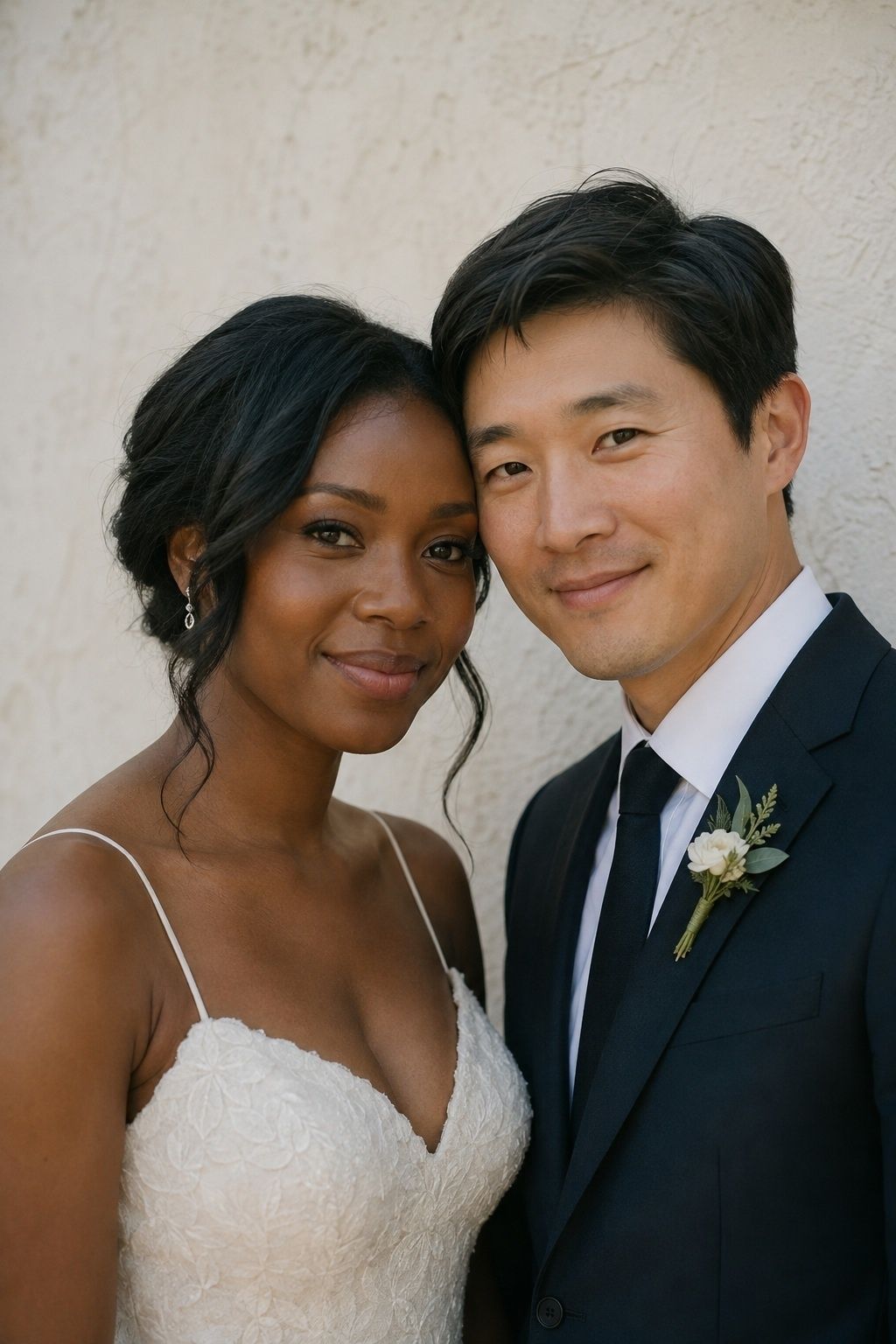
Light and airy should not mean pale, gray, or washed-out skin. When you study photographer portfolios, look closely at faces in shade, full sun, window light, and reception light. Skin should still have warmth, eyes should have life, and white clothing should hold detail instead of turning into blank patches.
During consultation, say that you love a bright romantic gallery but still want natural skin, detailed lace, and flowers that hold their color. That single conversation prevents the style from drifting too far into overexposure.
Time Couple Portraits Before The Light Turns Harsh
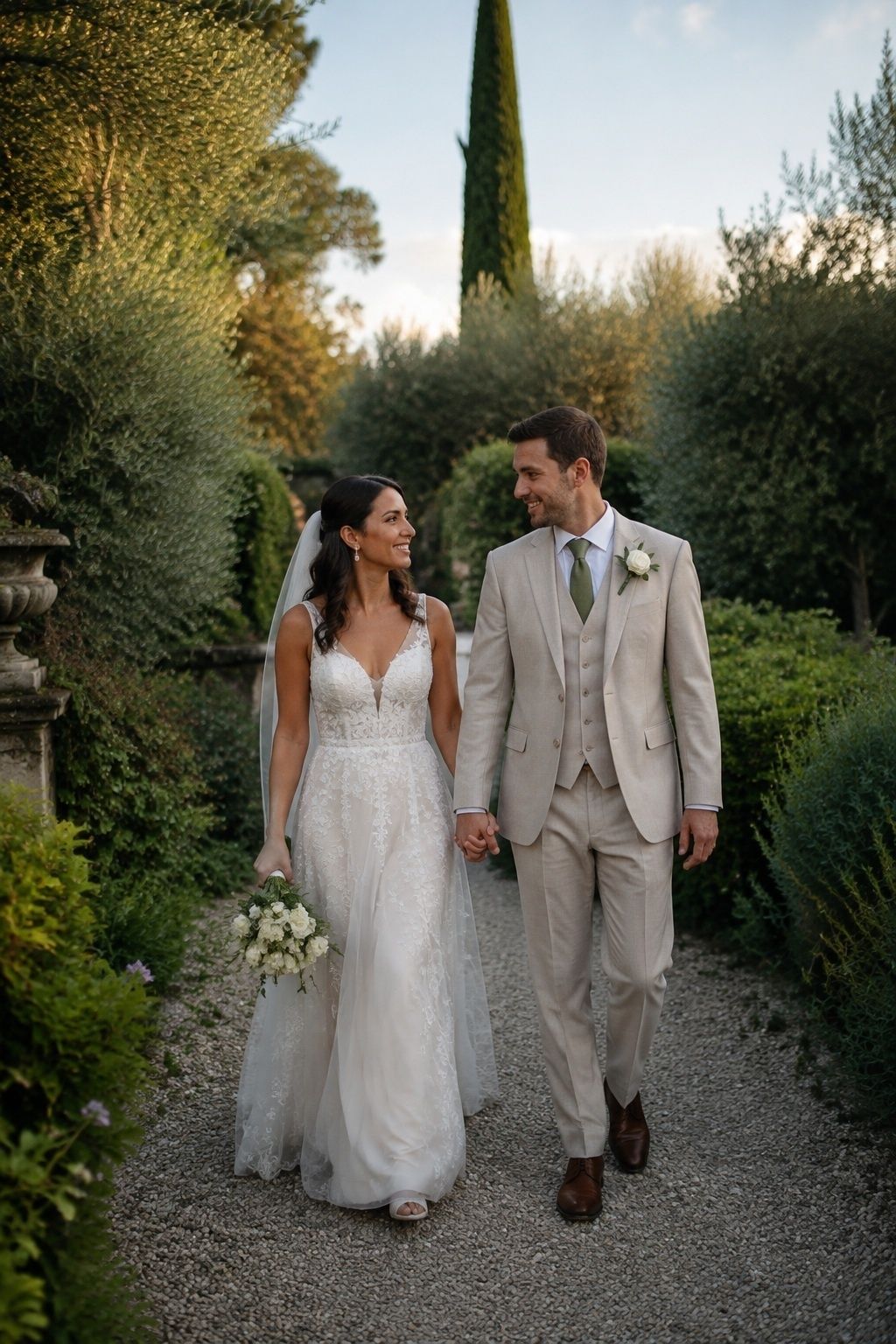
Late morning and high noon often prove difficult for airy photos unless the venue has reliable shade. If you want soft portraits, build them into the timeline during earlier light, later afternoon, or a shaded window after the ceremony. The goal is not to chase perfection; it is to avoid asking the photographer to soften light that is fighting every face.
If dinner begins close to sunset, the evening portrait window may also hold cooler blue light. Choose one nearby spot so you spend the best minutes taking photos rather than walking across the property.
Save One Polished Frame For The Album Opener
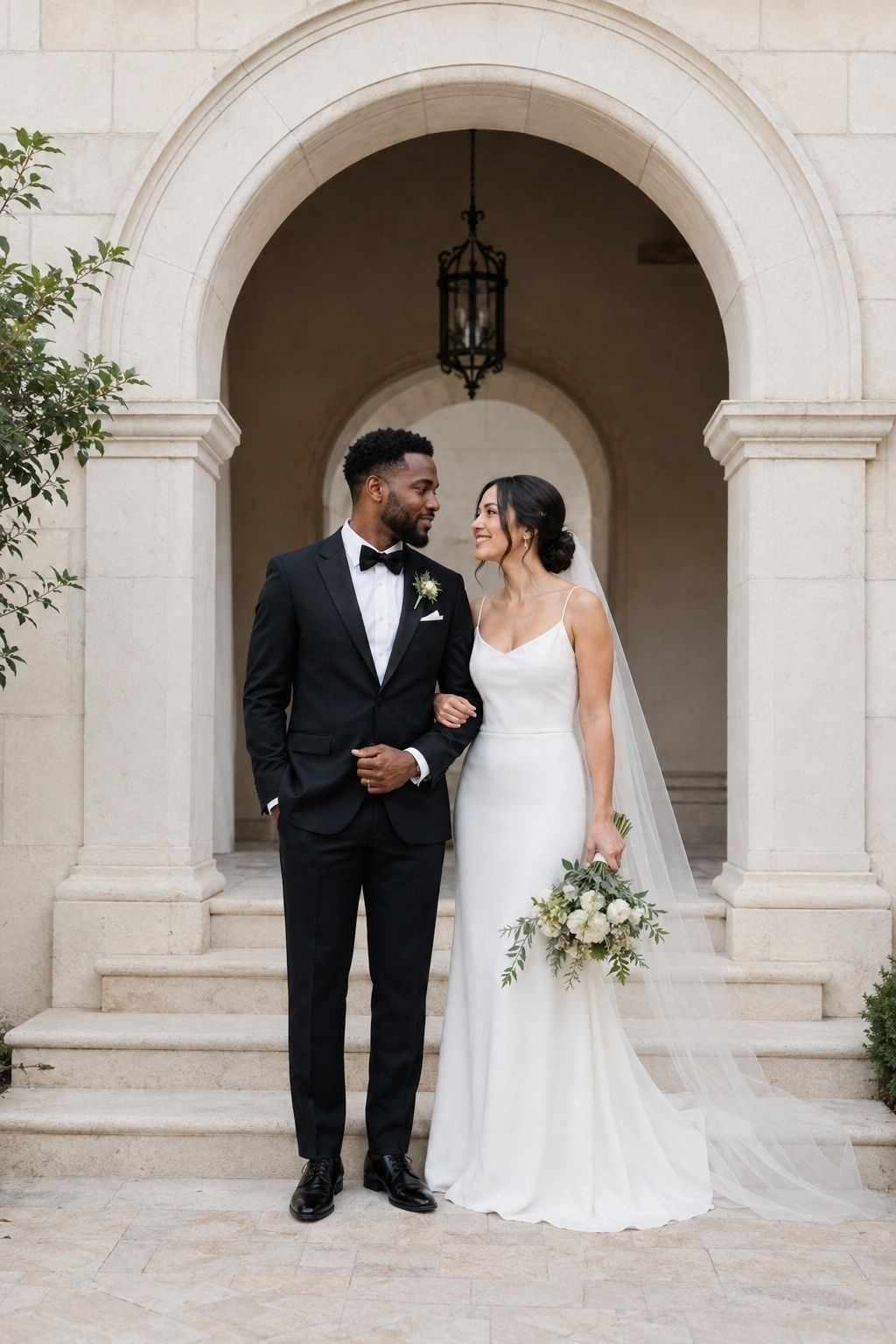
A soft gallery still benefits from one composed portrait that feels elegant enough to open the album. Stand near a pale wall, garden arch, staircase, or window, then settle into a quiet pose: hands linked, shoulders angled, eyes toward each other, flowers lowered slightly, and clothing smoothed without overworking the moment.
After the softer family frames are complete, save a short polished portrait list for cleaner posture, clothing, and composition. A small dose of polish gives the gallery structure while the rest of the day stays relaxed.
Let Movement Keep The Photos Real
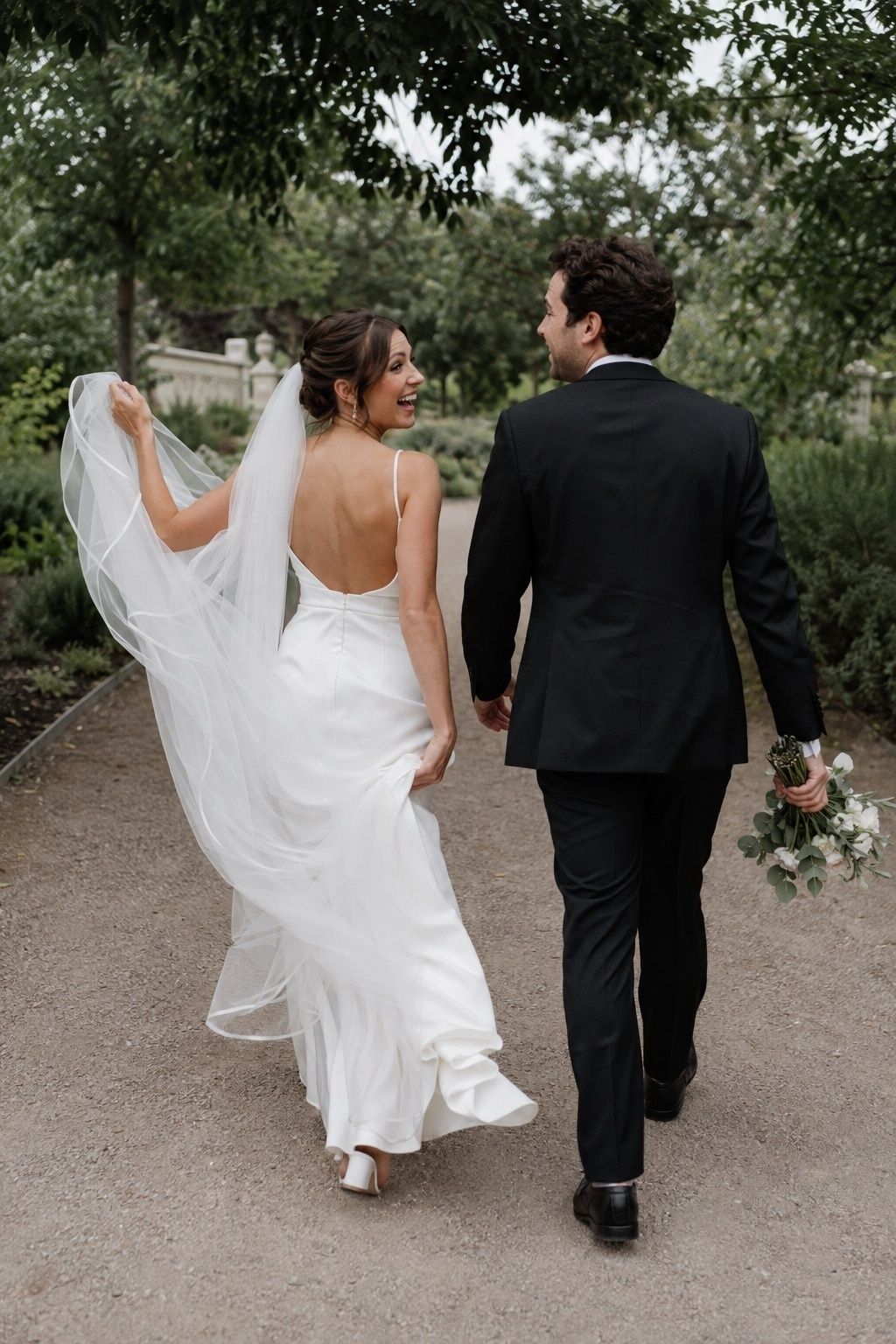
Walking, turning, hugging, lifting a veil, brushing hair away, carrying flowers, pouring champagne, and laughing after a pose all bring airy images alive. Movement keeps the couple from looking frozen inside a bright edit. It also gives camera-shy partners something natural to do.
Ask for prompts rather than rigid poses if you want the gallery to feel real. Slow direction works especially well at small weddings because the couple is not being pulled away from a large crowd for a long portrait session.
Photograph Details On A Neutral Styling Surface

Rings, vow books, ribbons, perfume, invitations, heirloom jewelry, shoes, and flowers look brighter when they are styled on a neutral surface. A cream mat, pale linen napkin, stone counter, clean windowsill, or blank tabletop gives the details enough quiet space to look distinct.
Gather these pieces in one box before the wedding morning. Pack the full invitation suite, both rings, loose ribbon, earrings, cuff links, vow books, and one or two blooms from the florist so the photographer has detail frames ready without interrupting the day.
Use Flowers That Hold Shape In Bright Photos
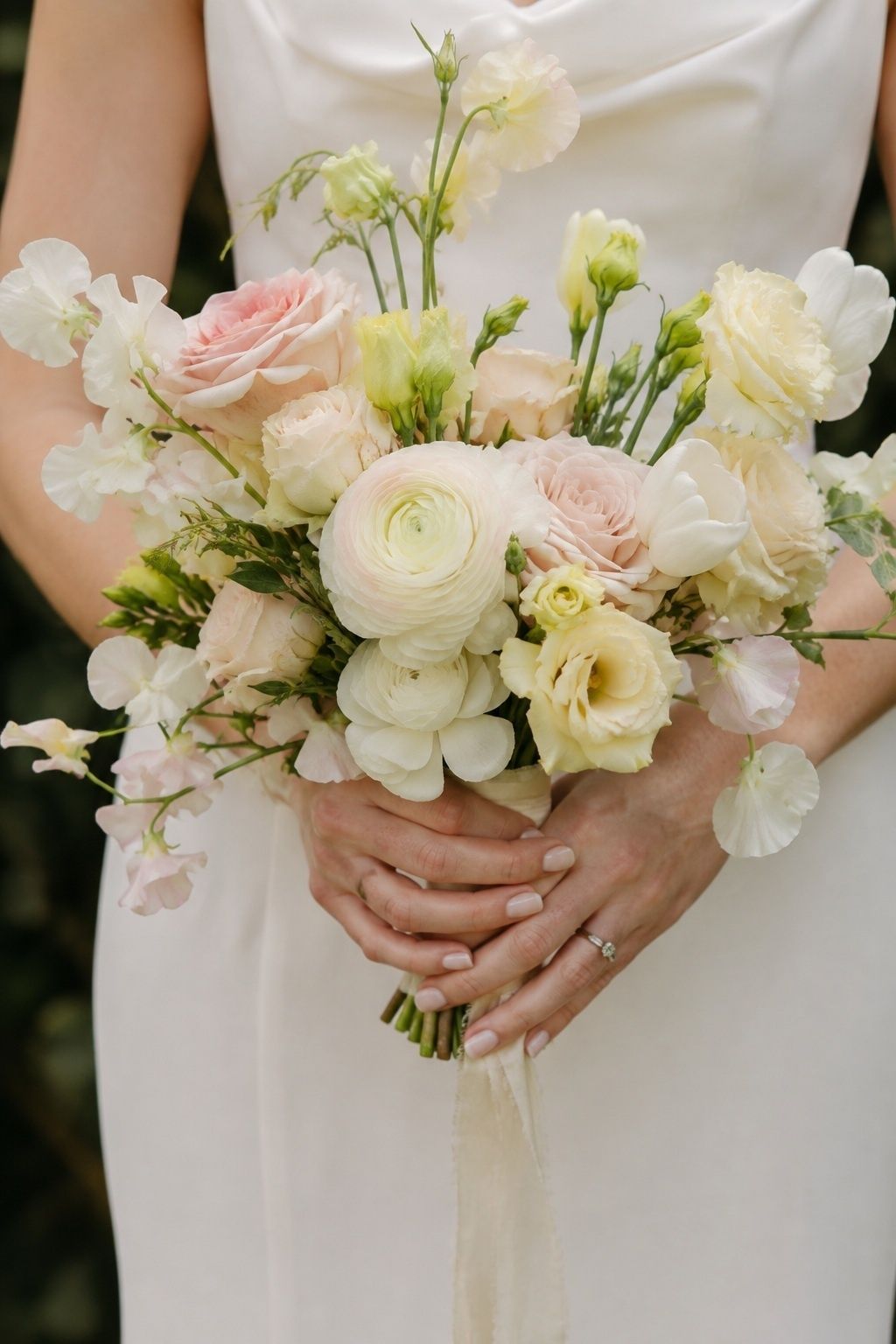
Soft flowers photograph beautifully, but very pale blooms blend together when every stem has the same value. Mix roses, sweet peas, ranunculus, peonies, lisianthus, orchids, tulips, or cosmos with airy greenery and a little tonal contrast. The bouquet should feel delicate without turning into a single white cloud.
If your florist uses blush or butter tones, ask how those colors behave in sunlight and shade. Some pastels disappear in bright edits, while others add just enough warmth to keep the photographs from feeling sterile.
Dress The Reception Table For Reflection
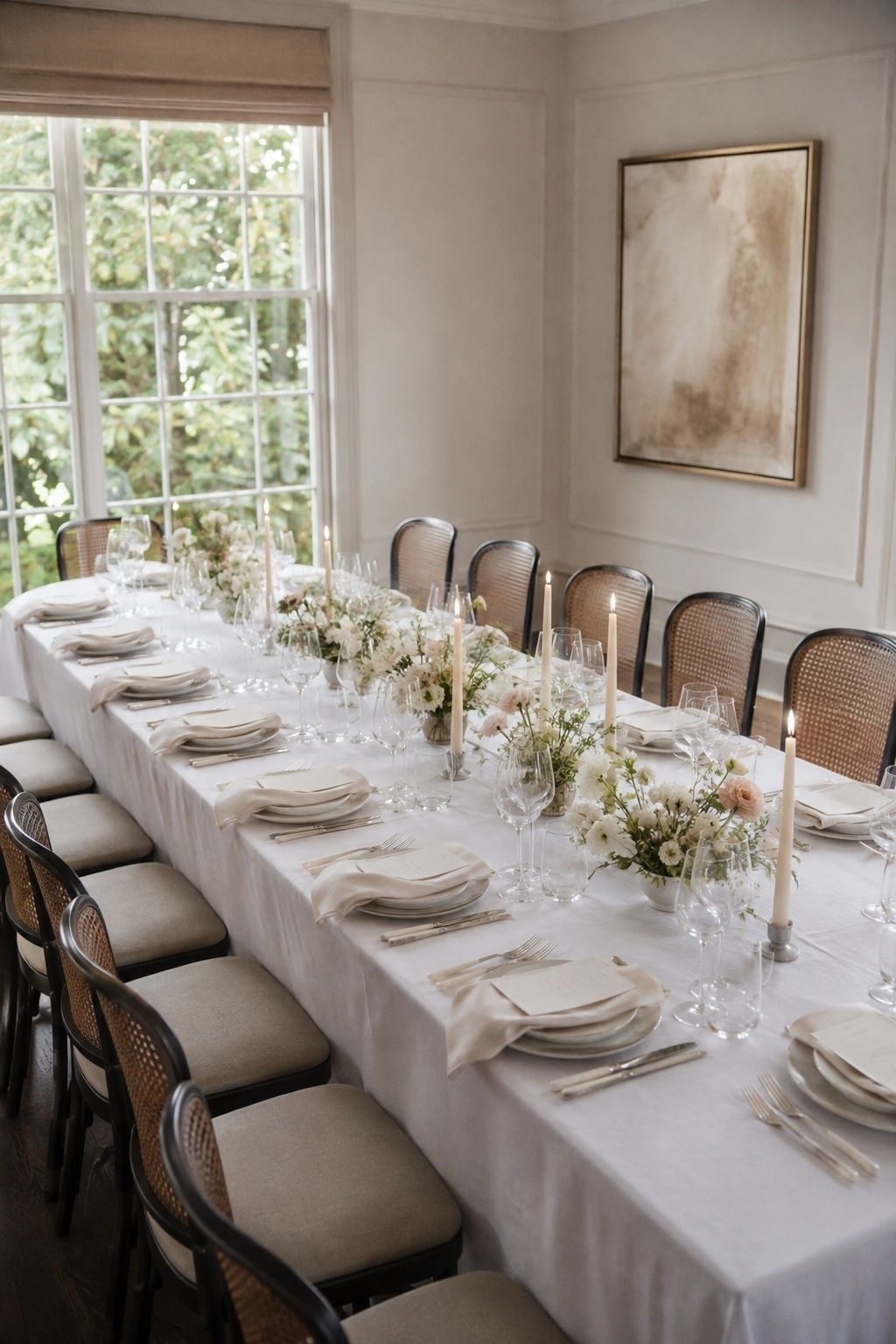
A small dinner table often becomes one of the prettiest parts of a light and airy gallery. White linens, pale taper candles, glassware, mother-of-pearl flatware, soft napkins, low flowers, and cream menus bounce light gently around the room. The table does not need to be all-white; it needs to reflect light without creating glare.
Ask the photographer to capture the table before guests sit down and again once the dinner feels warm and lived in. The first frame records the design; the second reveals why the design mattered.
Give Indoor Spaces A Backup Light Plan
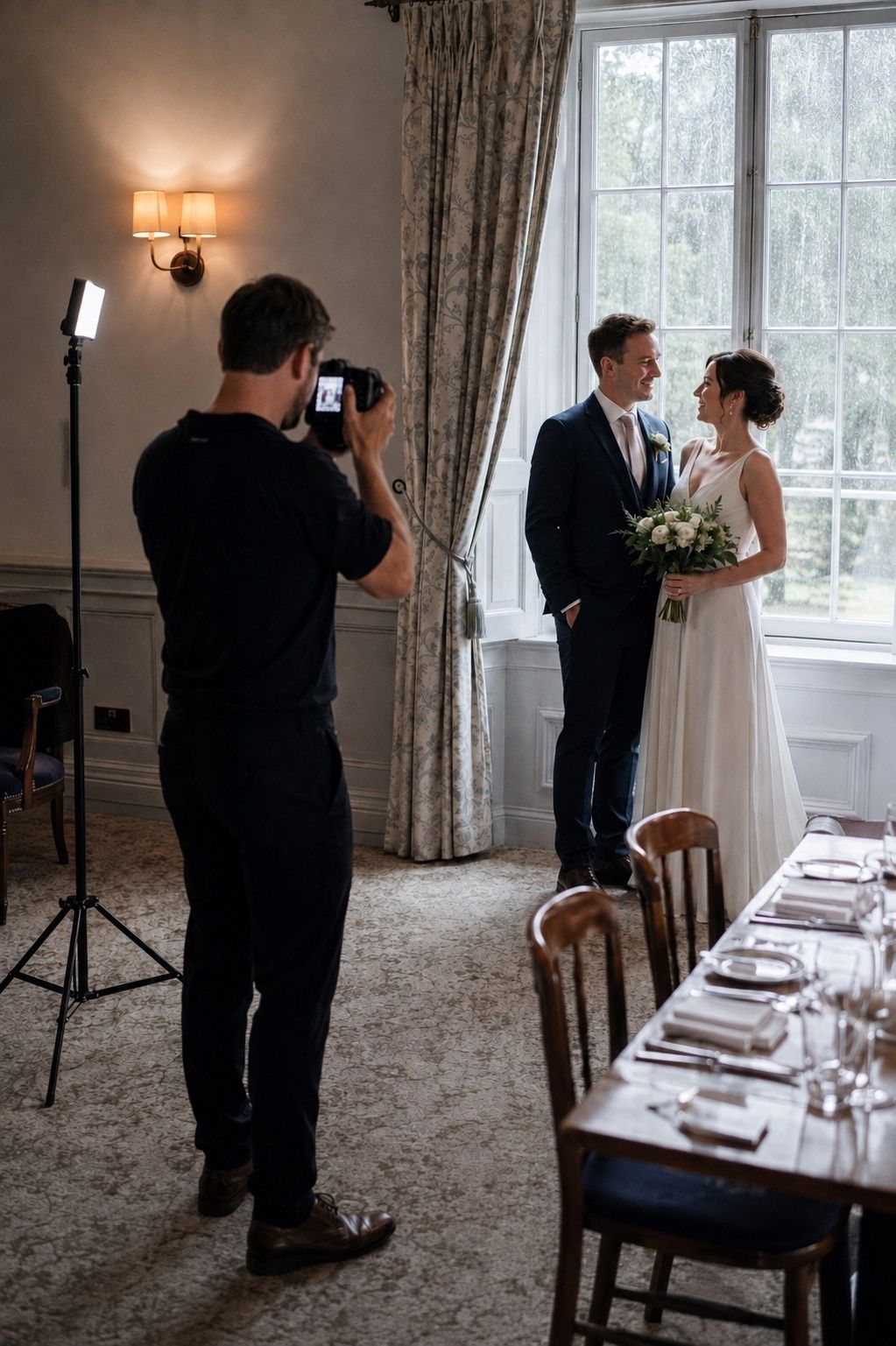
Indoor airy photos need planning because venues shift from bright to dim quickly. Ask about window direction, curtain rules, bulb color, ceiling height, wall color, and whether the photographer will bring flash or continuous light for darker rooms. A restaurant wedding, courthouse ceremony, or home reception still feels luminous when the light plan is honest.
Choose one portrait spot indoors and one outdoors. If rain, heat, or wind changes the day, the photographer moves quickly instead of improvising under the least flattering overhead light.
Keep A Few Moodier Frames For Contrast
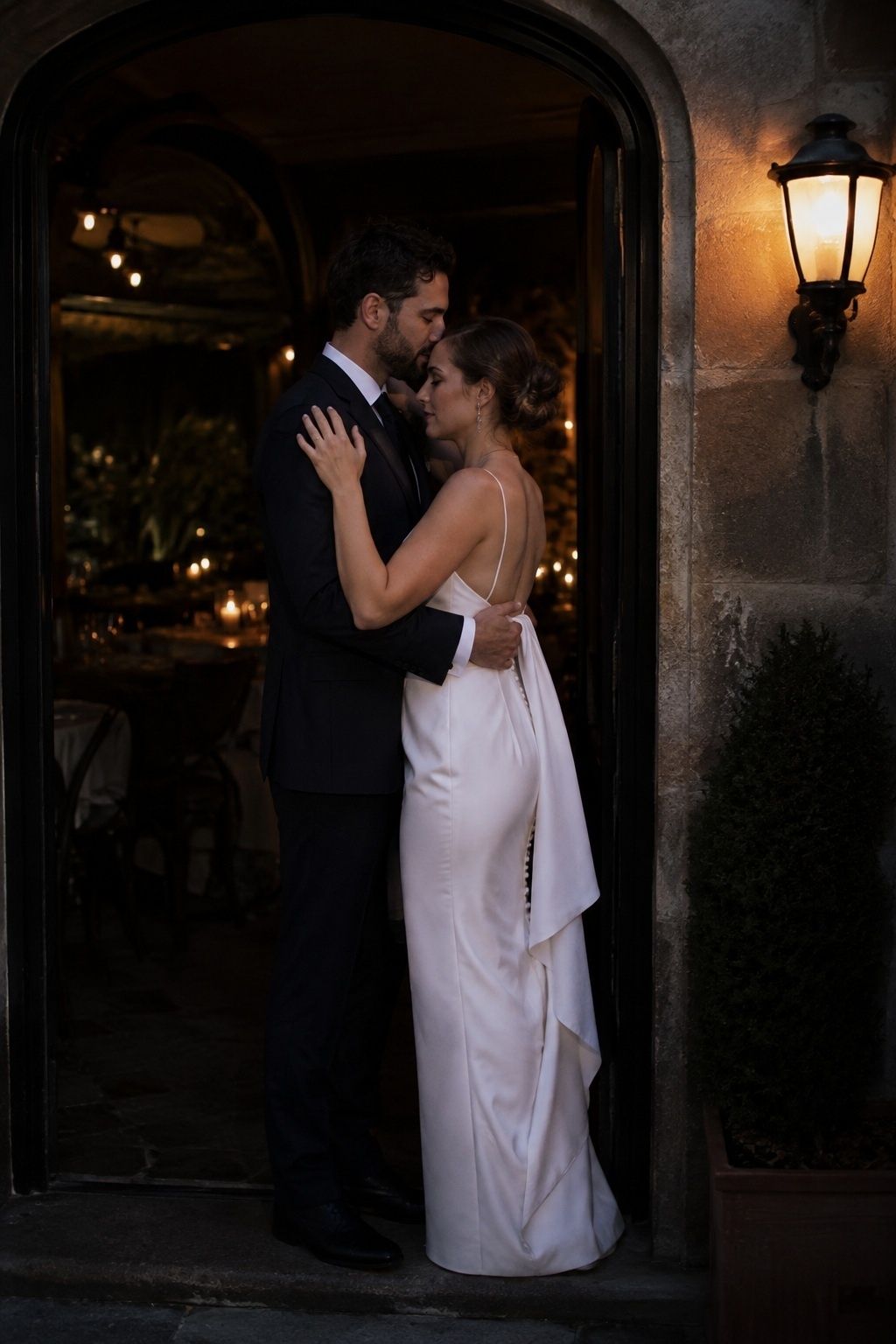
A fully airy gallery still has room for a lamp-lit exit, deeper dinner frame, black-and-white hug, or shadowed doorway portrait. Contrast makes the bright images feel intentional rather than repetitive. It also protects the emotional range of the day.
Once the airy core of the gallery is secure, save bolder shadow, motion blur, or lamp-lit exits for a few deeper reception images. Those frames should enrich the story, not replace the softness you asked for.
Consider Film-Inspired Texture
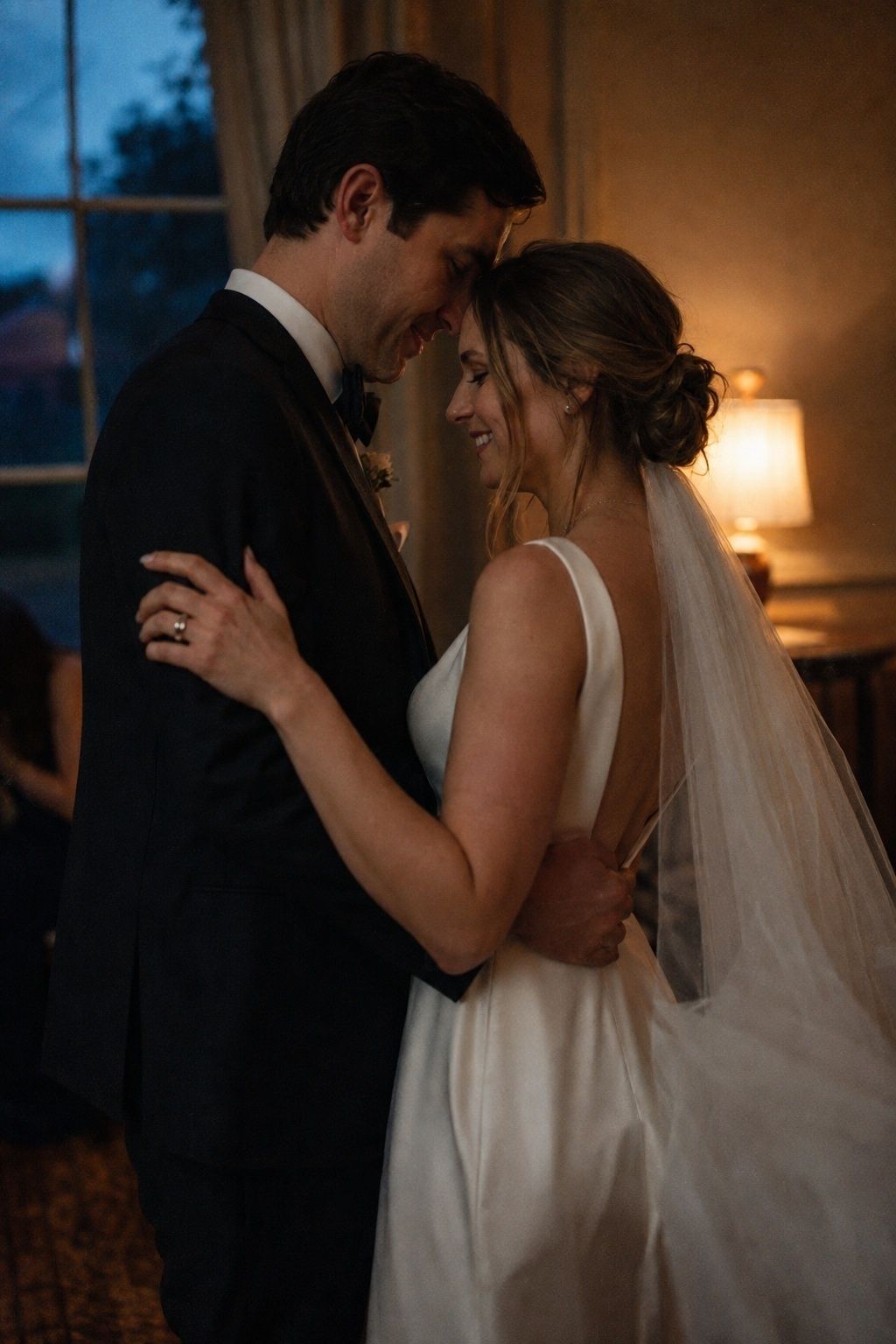
Light and airy photos do not have to look glossy or overly perfect. A little grain, soft focus, flash blur, or film-style color makes bright images feel more tactile. This works beautifully for getting-ready rooms, dinner tables, bouquets, veils, and quick portraits in imperfect light.
A few grainy scans add texture without changing the whole gallery. Ask whether your photographer shoots film, edits digitally with a film influence, or mixes both approaches.
Leave Space For Unposed Guest Moments
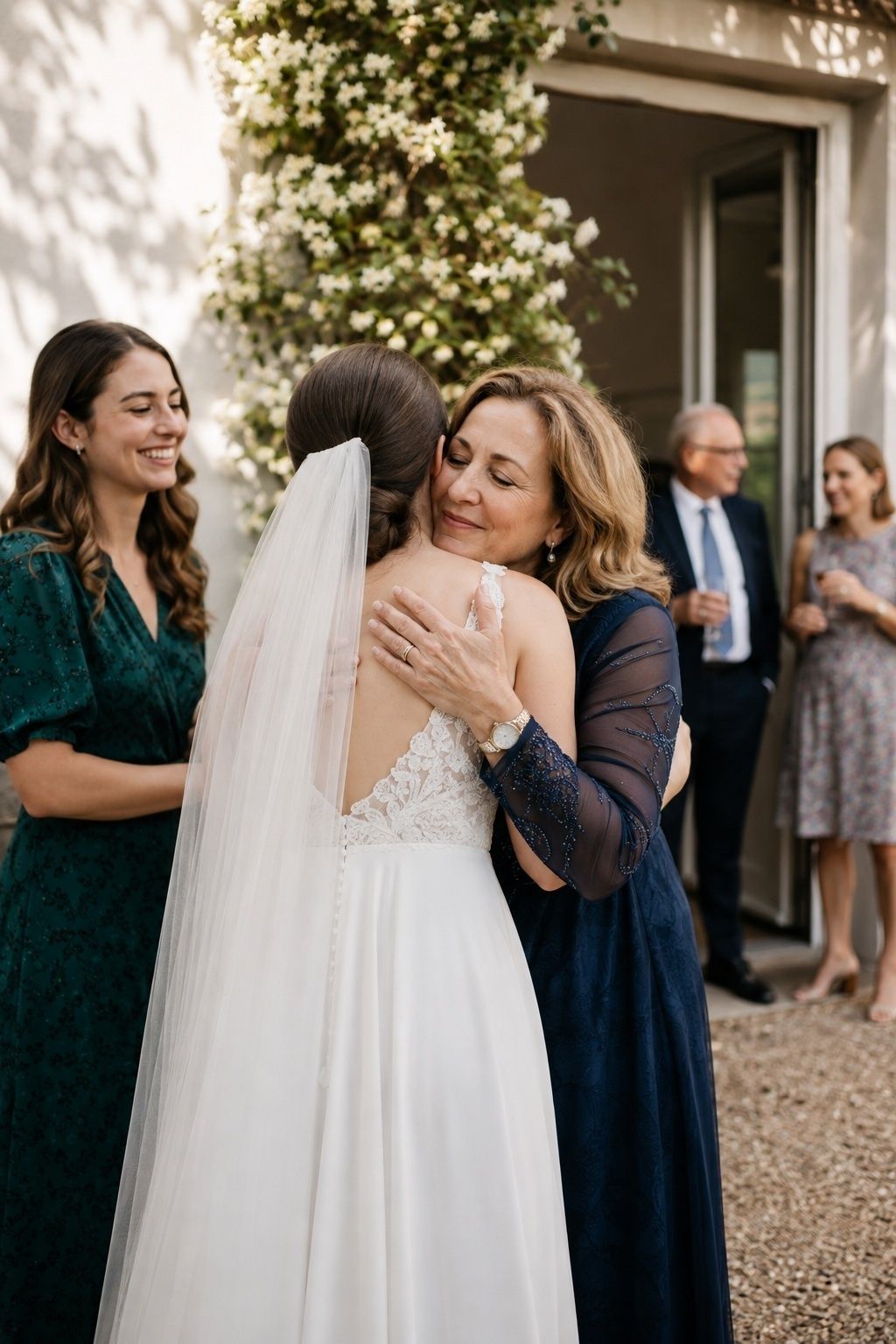
The real feeling of a small wedding often comes from guests: a parent crying quietly, friends crowding around the couple, a sibling fixing a veil, grandparents holding hands, or everyone leaning into one long table. Airy editing gives those moments tenderness when the photographer is free to observe them.
During hugs, vows, toasts, and the first few minutes after the ceremony, leave the photographer room to observe without directing. The gallery will feel brighter emotionally when not every image is posed.
End With A Soft Just-Married Portrait
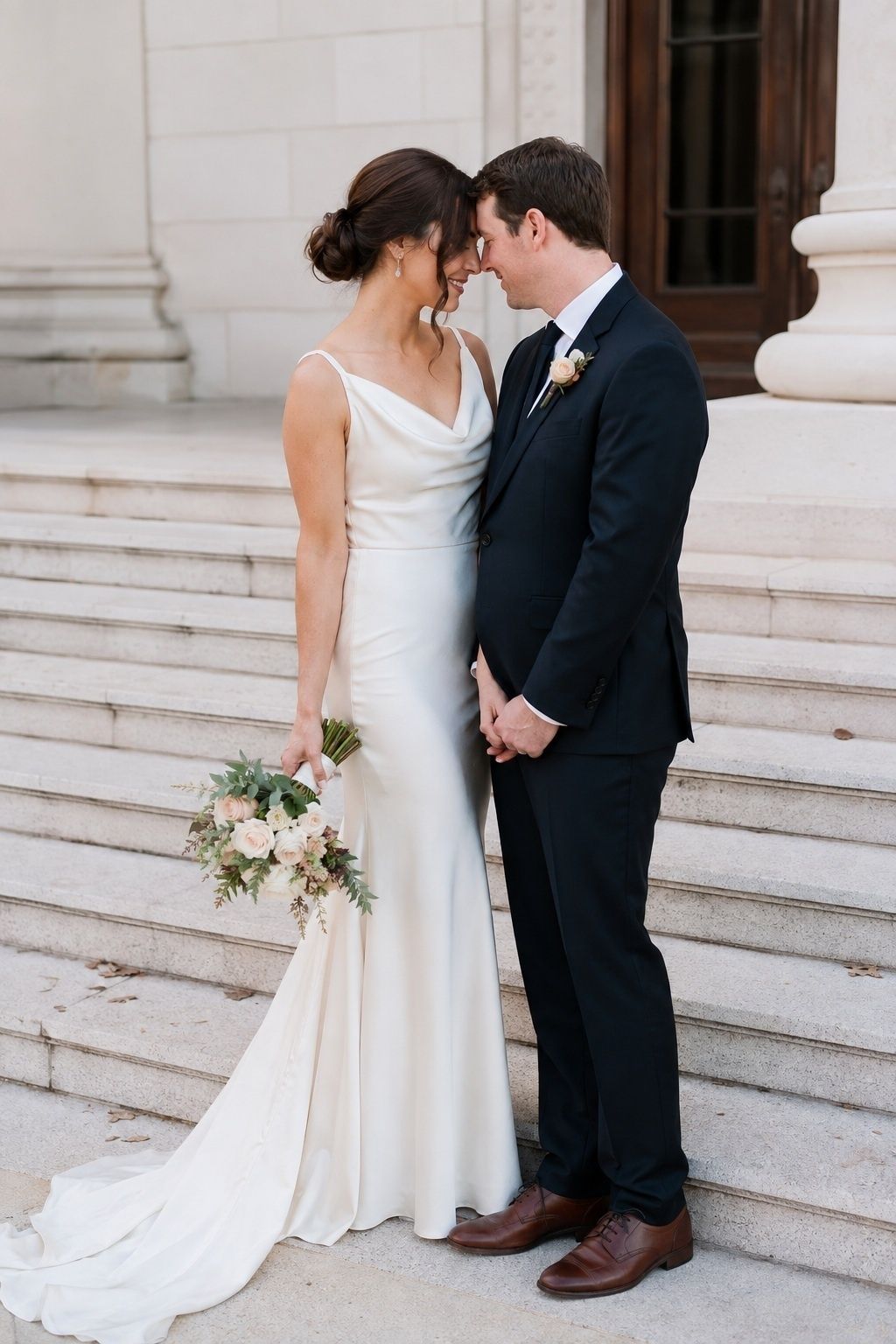
Before the day fully turns into dinner or dancing, step away for one last quiet portrait. A patio at dusk, a window near the dining room, a garden gate, a pale hallway, or courthouse steps after the crowd has moved gives the gallery a graceful close.
Keep this portrait short. Five minutes is enough for one composed frame, one walking frame, and one honest breath together before returning to the people waiting for you.
How To Plan The Style Without Losing Real Emotion
Start by choosing the places where the light and airy style matters most. For many couples, that means ceremony, portraits, details, and a few dinner images. It does not have to control every single frame. Family hugs, guest reactions, dance-floor laughter, and candlelit toasts may need a little more shadow to feel honest.
Share your venue plan early: ceremony time, room photos, window direction, portrait locations, rain options, and any spaces that feel emotionally important. A good photographer will tell you where the light is likely to flatter the style and where the day may need a backup.
Accept variation. A gallery with soft portraits, crisp details, real skin, a few deeper reception frames, and true guest emotion will age better than a gallery where every image has been pushed toward the same brightness.
FAQ
What is light and airy wedding photography?
Light and airy wedding photography is a bright, soft, romantic photo style that usually uses natural light, gentle color, low contrast, pale backgrounds, and an edit that feels clean rather than heavy. The best version still preserves real skin tone, fabric texture, flower color, and emotional depth.
What weddings work best for light and airy photos?
Light and airy photos work best for weddings with open shade, windowed rooms, pale surfaces, soft palettes, outdoor gardens, courtyards, terraces, conservatories, beaches, bright restaurants, or homes with clean natural light. Small weddings often suit the style because the couple chooses fewer, better-lit spaces.
Can light and airy wedding photography work indoors?
Yes, light and airy wedding photography works indoors when the room has good window light, pale walls, simple backgrounds, and a photographer who knows how to balance natural light with flash when needed. Dark wood, mixed bulbs, and cluttered corners leave the style harder but not impossible.
How do you keep light and airy photos from looking washed out?
Keep light and airy photos from looking washed out by choosing a photographer who protects skin tone, avoids overexposure, keeps detail in white clothing, and allows some natural contrast. A soft palette also needs texture, greenery, shadow, or warm accents so the images have shape.
What colors look best with light and airy wedding photography?
Ivory, cream, champagne, blush, pale blue, sage, butter yellow, dove gray, warm taupe, and soft green usually look beautiful with light and airy wedding photography. Add texture and one grounding tone so the whole design does not blend into a flat white scene.
What should you ask a light and airy wedding photographer?
Ask to see full galleries from similar venues, how they handle harsh sun and dark rooms, how they preserve skin tone, whether they use flash indoors, what portrait timing they recommend, and how they balance bright composed images with candid guest moments.
Final Thoughts
Light and airy wedding photos feel most beautiful when the brightness serves the day instead of smoothing away everything personal. Choose gentle light, clean backgrounds, soft color, and a timeline that gives your photographer space, then leave room for weather, laughter, dinner shadows, and the people who matter most.
When the photo brief starts to drift too pale, ask for natural skin tone, soft contrast, fabric detail, brightness restraint, and real emotion so the final gallery feels bright, romantic, yet recognizably real.
Last update on 2026-10-03 / Affiliate links / Images from Amazon Product Advertising API