
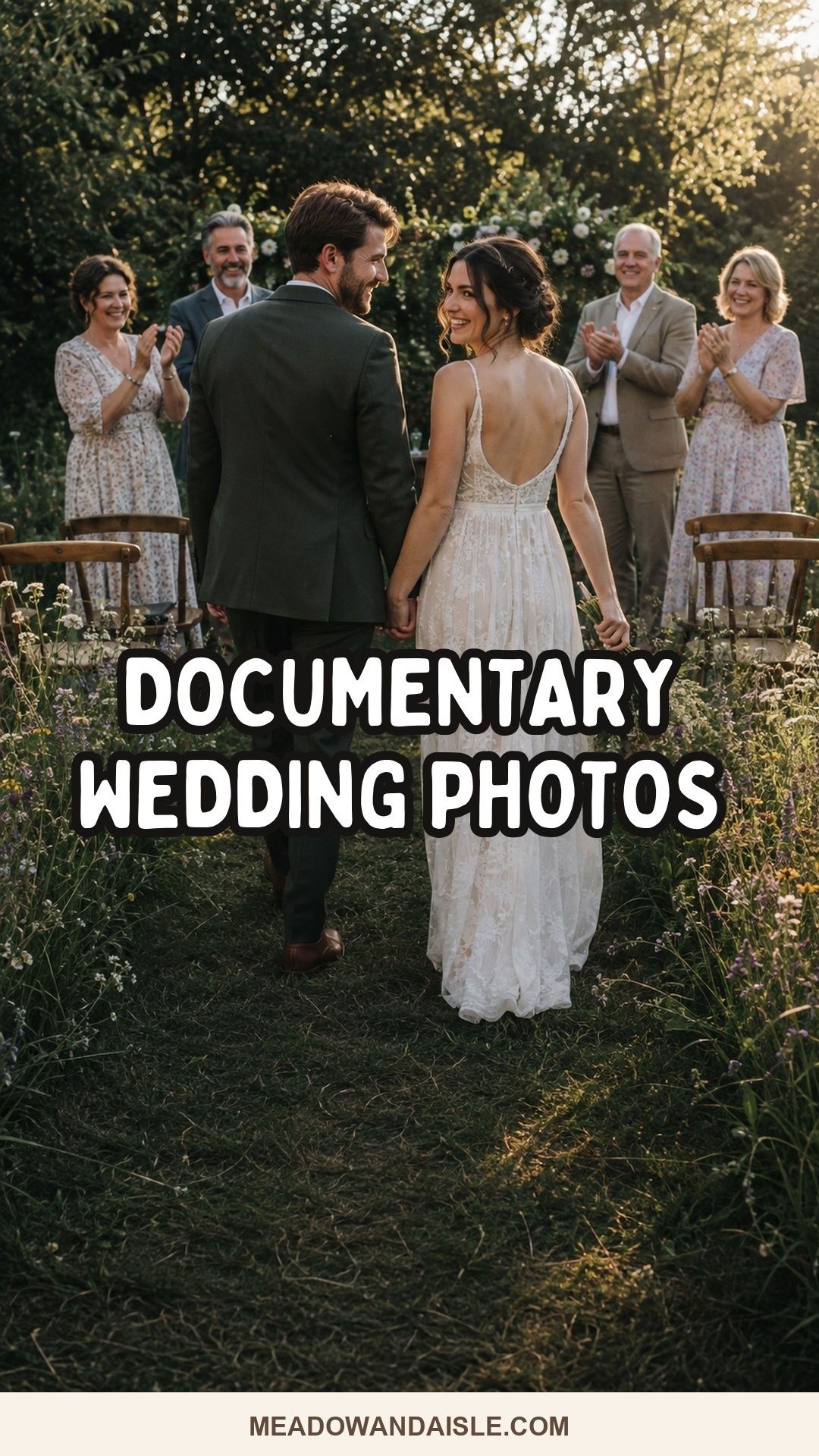
Documentary wedding photos ideas are about planning a day that lets real moments happen, then hiring a photographer who notices emotion, movement, family closeness, and atmosphere without turning every scene into a pose.
Documentary wedding photography feels strongest when the couple values presence over performance. Instead of building the day around a long portrait list, the photographer follows the actual rhythm: morning nerves, guest arrivals, private vows, family hugs, table laughter, weather, music, and the small gestures no one could have scripted.
This style suits intimate weddings especially well. With fewer guests, relationships are easier to see, reactions happen closer together, and the photographer has more room to capture honest exchanges without managing a large production.
Recommended Wedding Products


You Might Also Like These Blog Posts
- Editorial Wedding Photos Ideas With Real Wedding Feeling
- Film Wedding Photos Ideas for the Beautifully Imperfect Stuff
- Artsy Wedding Photography Ideas That Still Feel Like You
- Cinematic Wedding Photography Ideas for Movie-Still Moments
- Light and Airy Wedding Photography Ideas That Still Feel Real
- Wedding Photography Mistakes That Steal the Feeling From the Day
Documentary Wedding Photos Ideas For A Day That Feels Truly Lived
A documentary wedding gallery should feel like a faithful memory rather than a perfect production. It still needs planning, but the planning protects real life instead of replacing it. The best galleries show who was there, how the couple moved through the day, what the rooms felt like, and which small interactions carried the emotion.
Couples who love this style often want fewer interruptions, fewer camera-aware performances, and more attention to the relationships around them. A clear timeline, a short family portrait plan, and a photographer who understands when to step back make the day feel calmer while the gallery becomes more complete.
| Documentary photo priority | What it captures | How to protect it |
|---|---|---|
| Guest relationships | Hugs, glances, hand squeezes, and table conversations | Keep the room relaxed and avoid over-scheduling transitions |
| Real movement | Walking, dressing, greeting, eating, dancing, and leaving | Choose nearby locations so the photographer follows naturally |
| Emotional timing | The breath before vows, quiet tears, laughter, and relief | Give the photographer permission to observe without stopping scenes |
| Short formals | Family records without swallowing the day | Prepare a tight list and assign one person to gather names |
| Atmosphere | Light, weather, food, music, rooms, and the feeling of the celebration | Leave small buffers before ceremony, dinner, and dancing |
Photograph The Morning Before It Becomes Polished
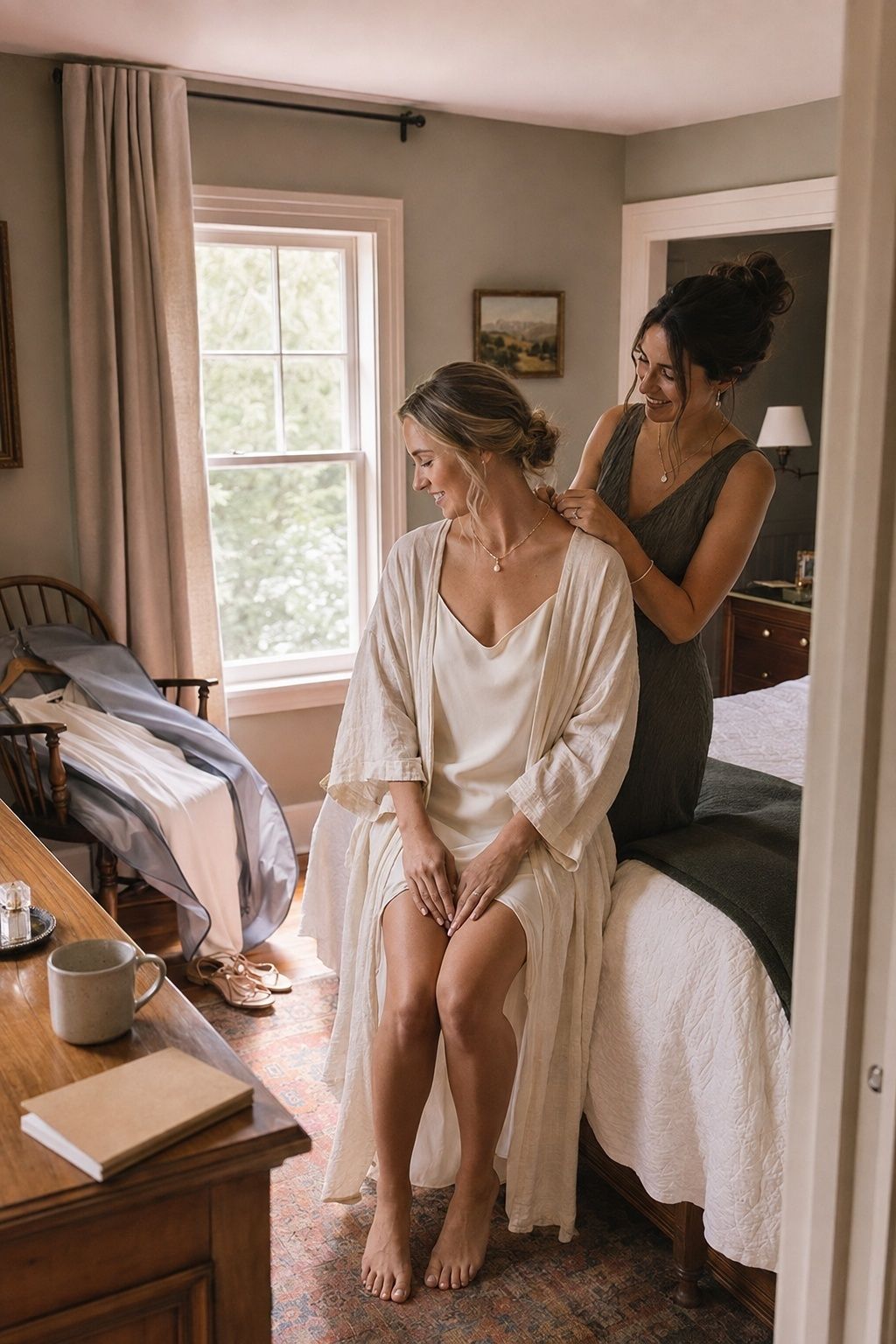
The morning often holds the most honest evidence of the day: garment bags open on chairs, coffee cups, half-written vows, quiet nerves, a parent hovering near the doorway, or a friend fastening a clasp. Documentary coverage gives these pieces room before everything looks finished.
Ask your photographer to arrive early enough for atmosphere, not only final details. A tidy corner still helps, but the room should not be stripped of personality. The goal is a beginning that feels lived in.
Capture Private Vows Without Performance Pressure

Private vows suit documentary photography because the couple can speak without thinking about a room full of guests. The strongest frames may be hands holding paper, a laugh between lines, a tear wiped quickly, or the silence after both people finish speaking.
Choose a quiet place close to the ceremony site so the moment does not become a separate production. Vow books and handwritten letters also give the photographer meaningful details to return to throughout the gallery.
Let Guest Arrivals Tell The Social Story
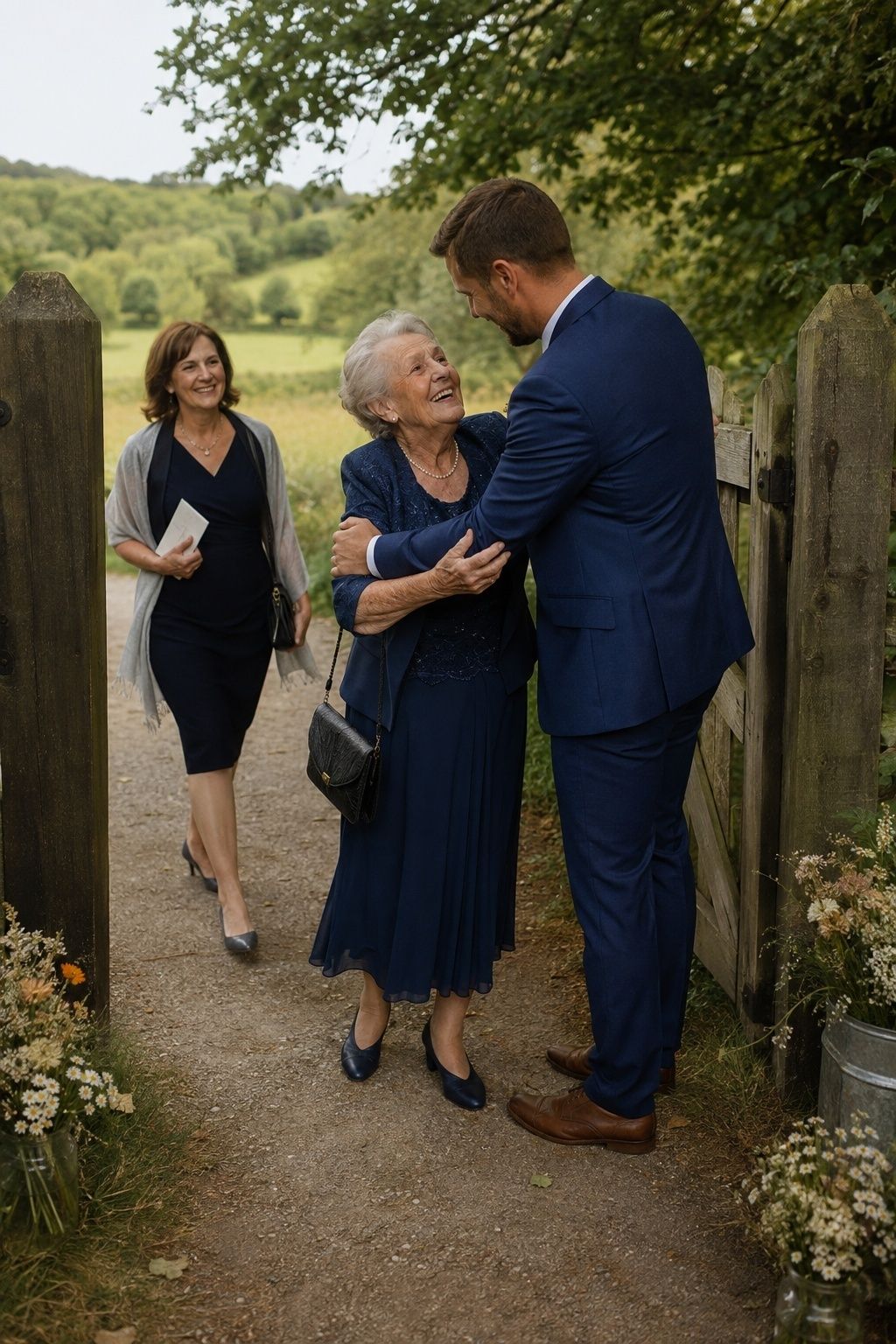
Guest arrivals reveal the wedding’s emotional circle. Grandparents stepping from a car, friends finding each other, siblings adjusting flowers, and guests holding the ceremony program all build the story before the couple even appears.
This is where small weddings shine. Fewer people make each relationship more visible, so ask for arrival coverage if your guest list is full of close family and friends who rarely gather in the same place.
Keep The First Look Honest And Uncrowded
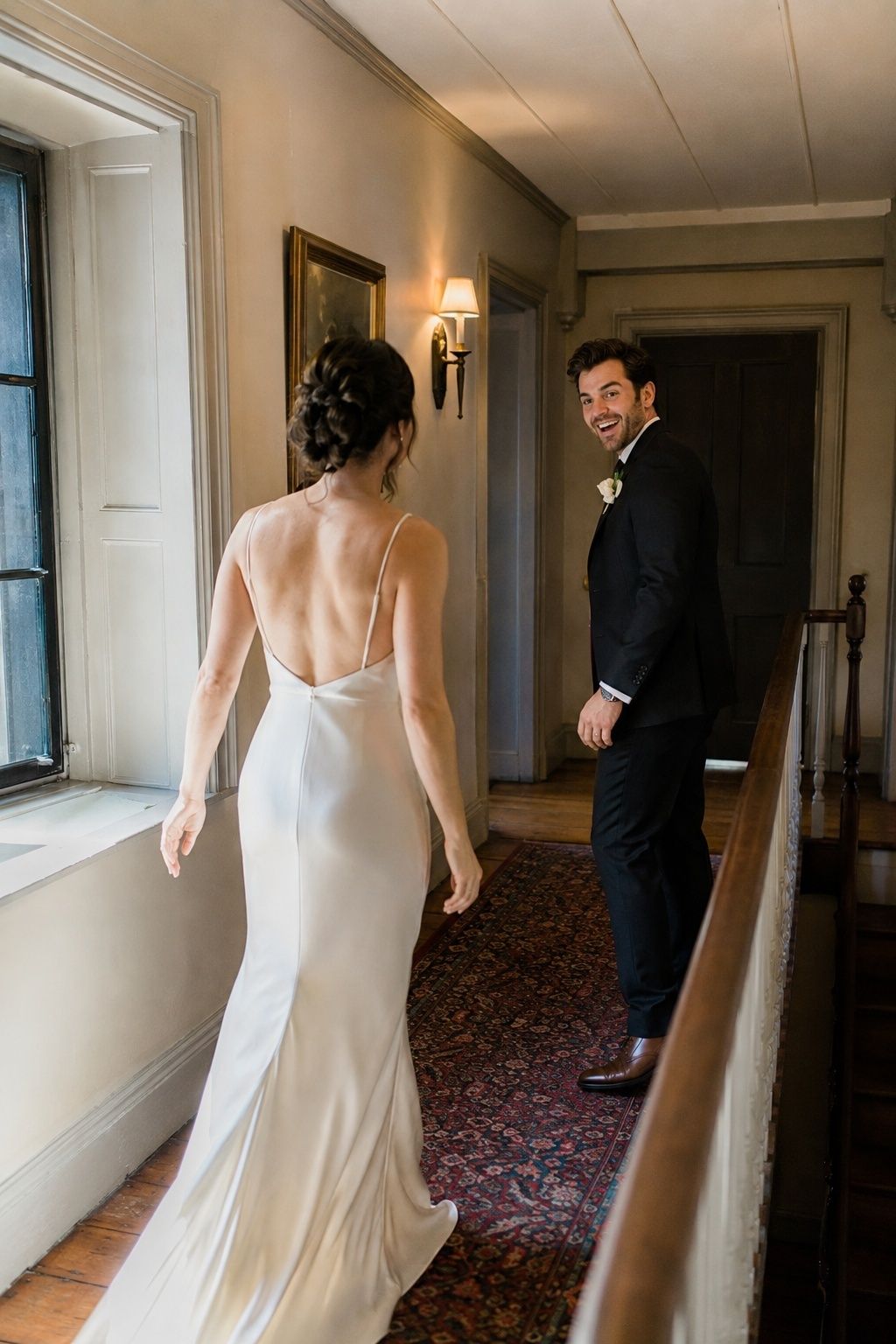
A first look does not need a choreographed reveal to be moving. It might be a partner turning in a hallway, a quiet laugh before the hug, or two people standing still because the day suddenly feels real.
Limit observers unless their presence matters deeply. A smaller audience usually creates softer reactions, and those reactions often photograph better than a moment arranged for everyone nearby.
Document Family Hugs Right After The Ceremony
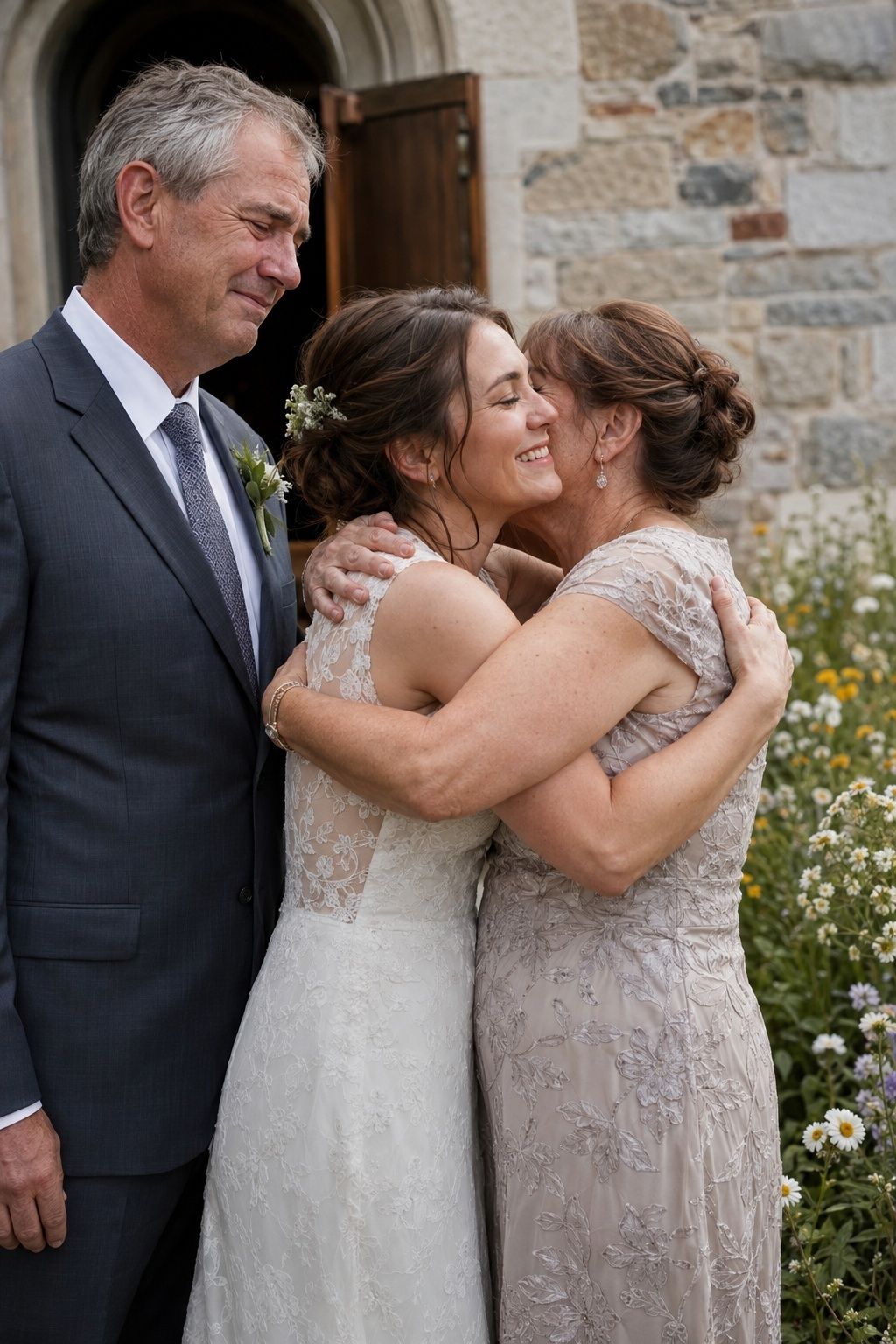
The minutes after the ceremony are full of fast, sincere emotion. Parents reach first, siblings cry after holding it together, guests pull the couple close, and the couple often looks relieved in a way that cannot be staged later.
Protect this window before formal portraits begin. A photographer with a documentary eye will watch faces and hands while someone else keeps the timeline from scattering.
Plan Short Family Portraits So Real Moments Survive
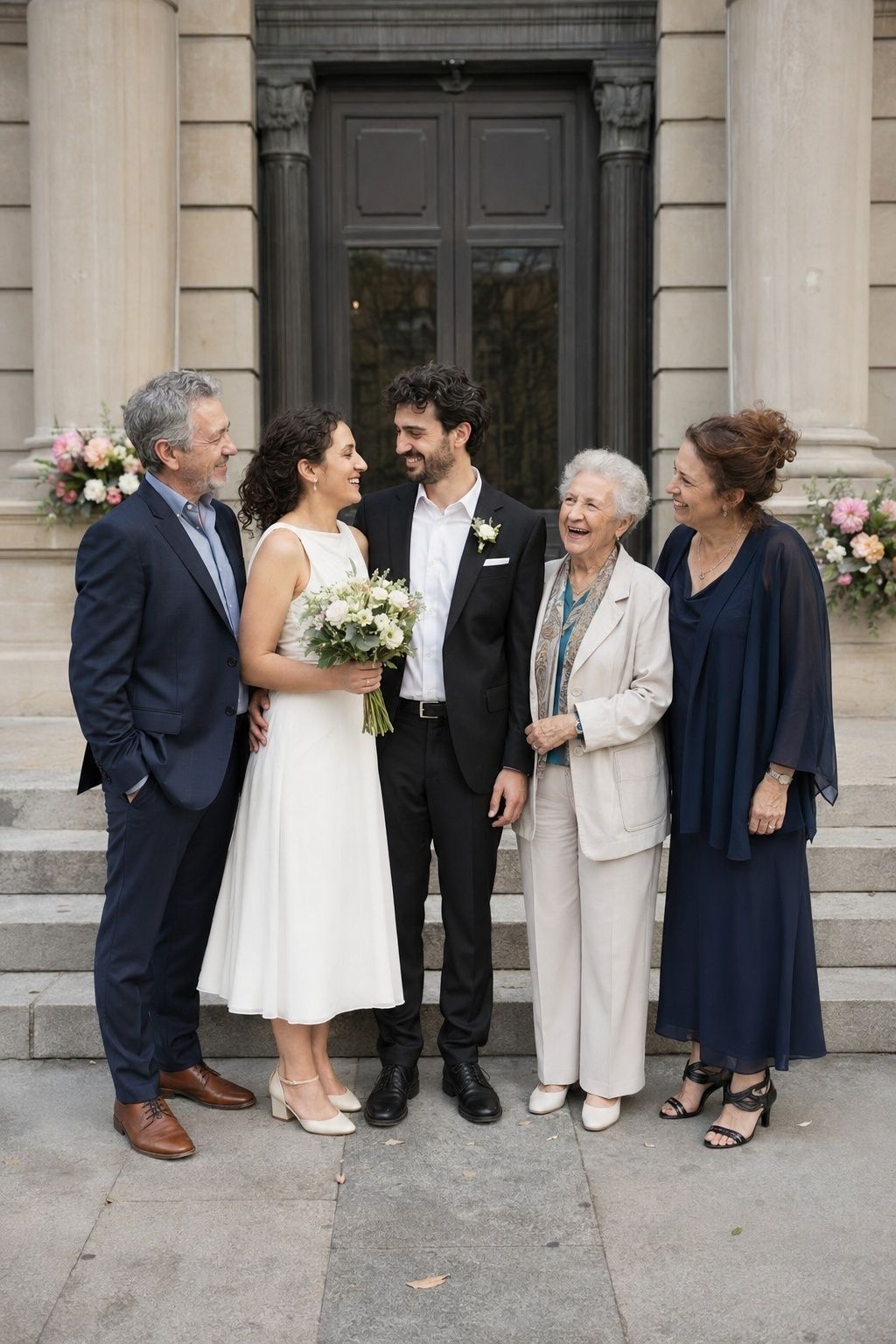
Documentary wedding photography does not mean skipping family portraits. It means keeping them efficient so the day does not stall. A tight list of essential combinations lets grandparents, parents, siblings, and close family get photographed without draining the cocktail hour.
Write names instead of vague groups and assign one assertive helper who knows the family. Ten calm minutes of formals often protects more candid coverage than a loose thirty-minute search for missing relatives.
Follow The Couple Between Locations
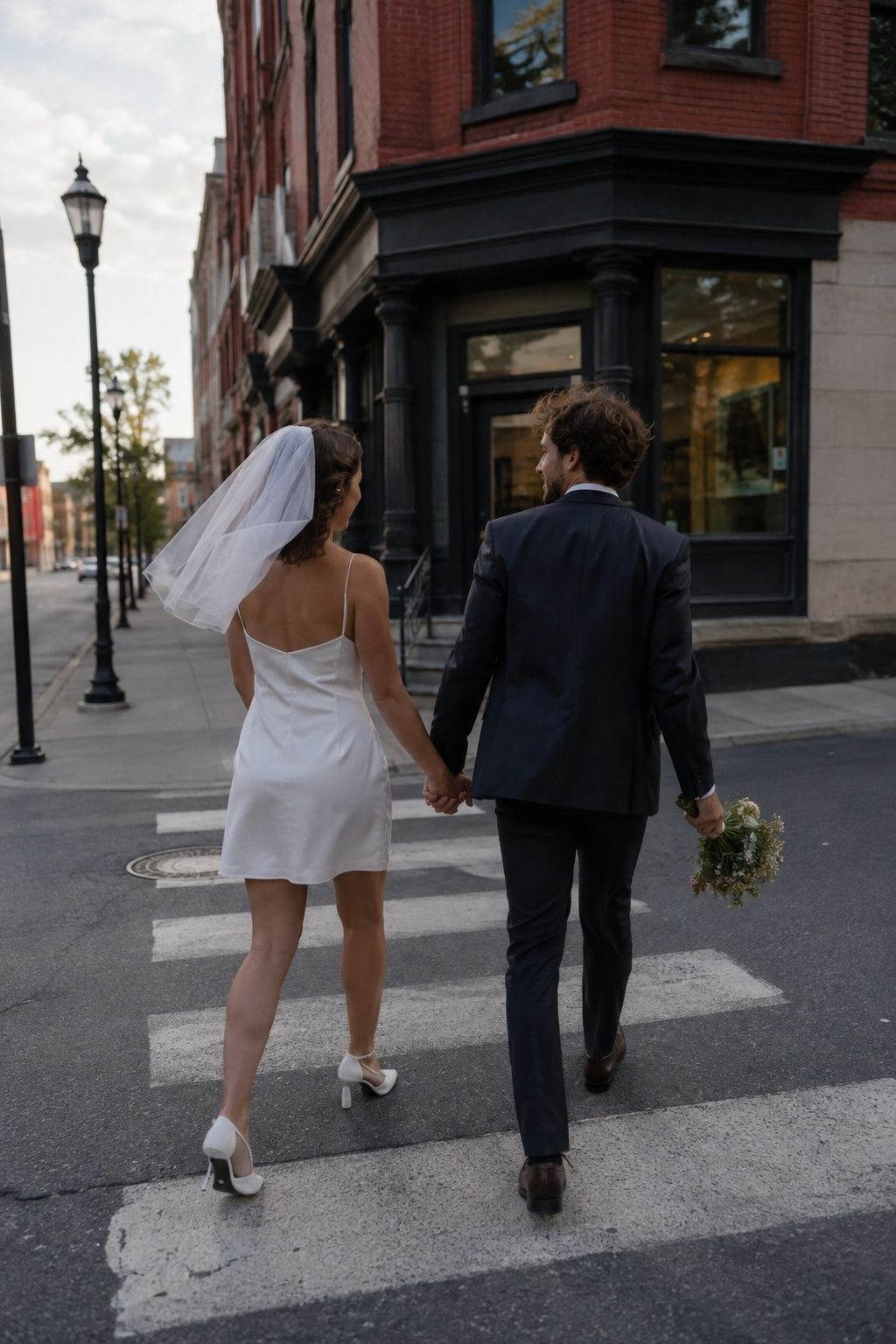
Transitions carry more feeling than many couples expect. Walking from ceremony to dinner, crossing a street, waiting for an elevator, stepping into a car, or moving through a venue corridor often reveals the day in motion.
Keep locations close when possible. If the celebration moves through a city, courthouse, garden, or restaurant, a documentary photographer can turn the in-between moments into part of the story rather than dead time.
Notice Hands During The Ceremony

Hands often reveal emotion quietly. A thumb brushing a ring, a parent gripping a program, a partner squeezing fingers during vows, or a friend holding tissues gives the ceremony intimacy even in a single frame.
These close details pair beautifully with wider ceremony photos because they show both the setting and the nervous, tender pieces inside it. They also help camera-shy couples feel seen without constant portraits.
Photograph Dinner Like A Family Gathering
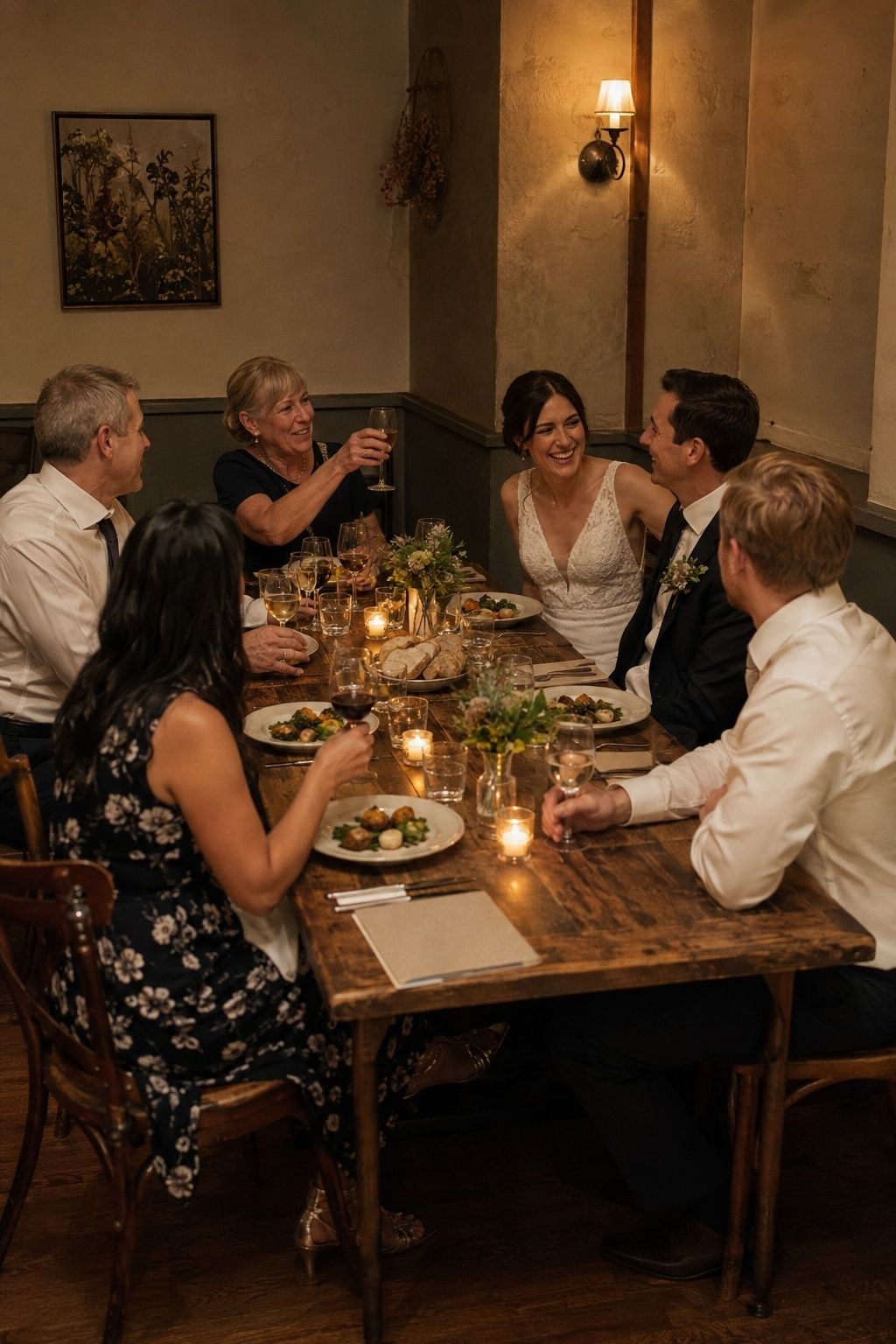
At an intimate reception, dinner is often the emotional center of the wedding. Toasts, shared plates, passed wine, inside jokes, menu cards, candles, and guests leaning across the table create a record of closeness.
Ask the photographer to stay through the beginning of dinner if budget allows. A small dinner table may reveal more about the wedding than another long portrait session, especially when guests know each other well.
Save Room For Imperfect Weather

Rain, wind, bright sun, cold air, and fog can all become part of a documentary gallery. A windblown veil, damp pavement, jacket over shoulders, or guests laughing under umbrellas may feel more memorable than the clean weather plan.
Prepare practical backups so the photographer does not have to force the moment. Clear umbrellas, comfortable shoes, towels, wraps, and a covered doorway let real weather stay in the story without creating stress.
Ask For One Quiet Portrait Without Posing Too Much

Documentary coverage can still include portraits. The difference is that the portrait usually grows from a real pause: the couple sitting on ceremony steps, leaning together after dinner, walking through a garden, or standing in a doorway while guests move nearby.
If you want one more composed image, choose a simple place and let the photographer give minimal direction. Keep the portrait brief and rooted in the real pause, then save more polished fashion energy for a separate style priority.
Let Motion Blur Show The Reception Energy
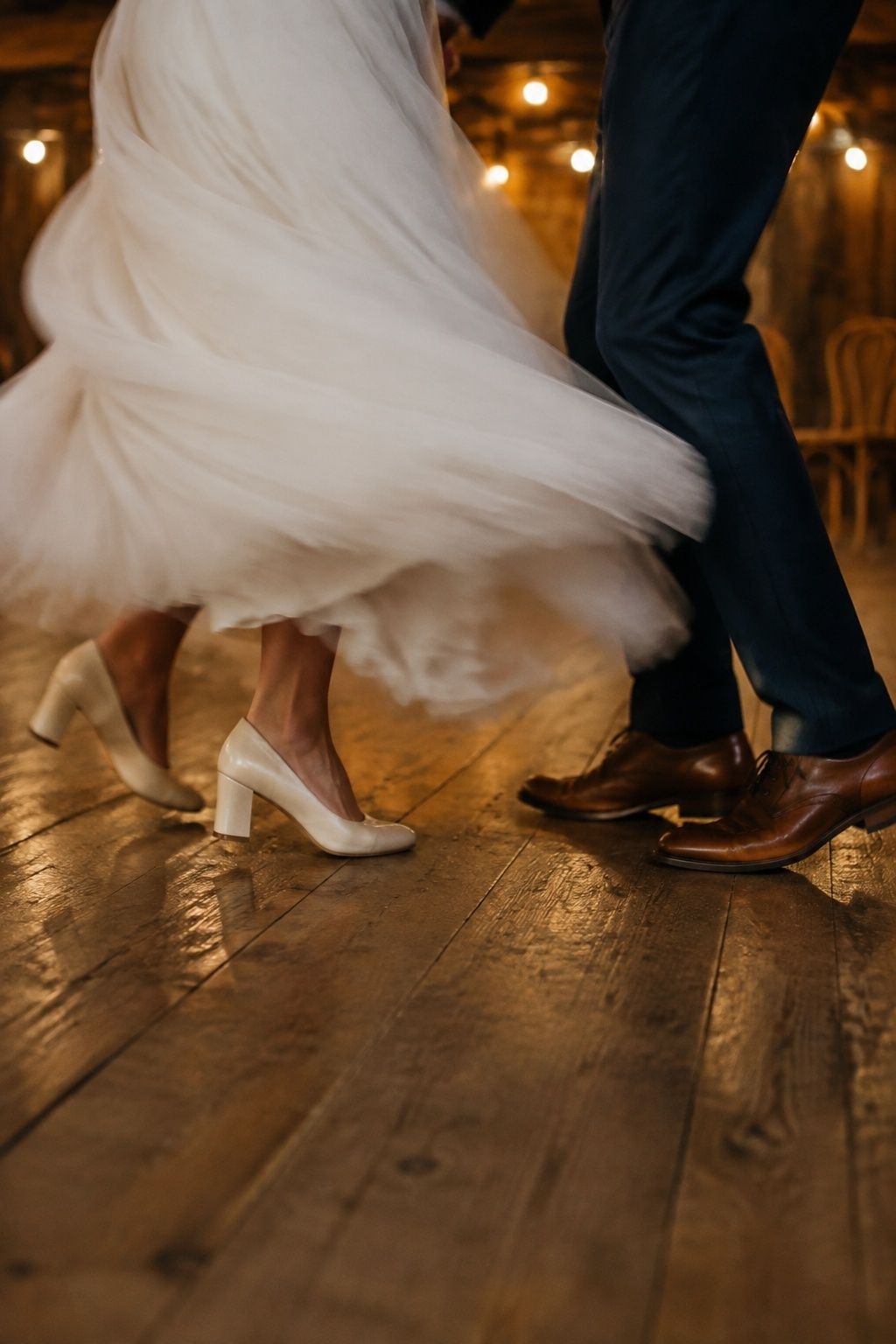
Some of the most expressive documentary reception photos are not technically perfect in a glossy way. A blurred dance-floor spin, a flash-lit laugh, a moving champagne glass, or a guest rushing in for a hug can show how the room actually felt.
Talk with your photographer about how experimental you want the gallery to feel. A few frames with blur, flash, or unusual composition add personality, while a more visually daring photo brief calls for clearer creative permission before the wedding.
Record The Details People Touch
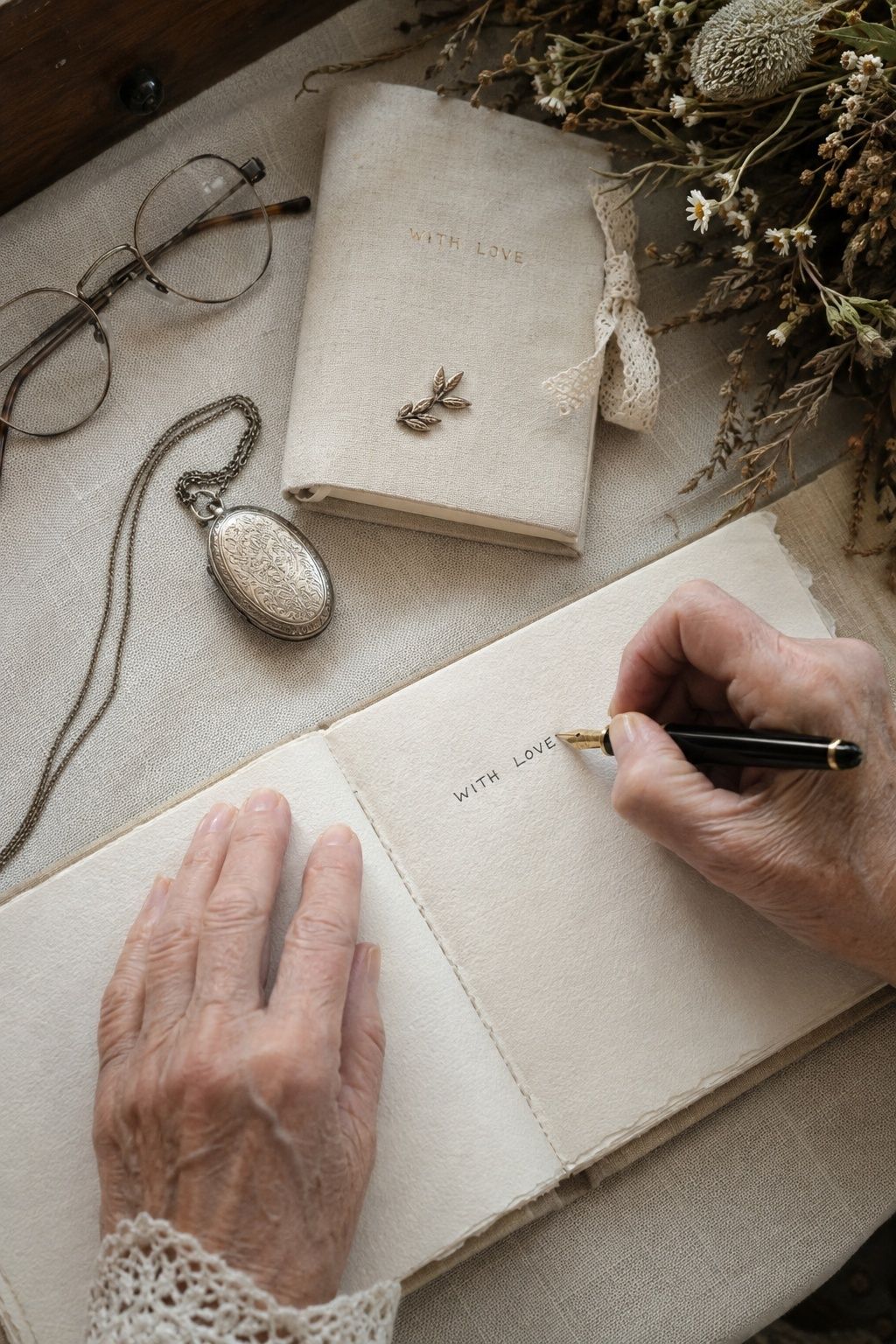
Meaningful details are not only flat lays. Invitations held by a grandparent, vow books carried to the ceremony, a guest book filling with messages, perfume on a dresser, shoes by the bed, or a keepsake box opened after dinner all feel more alive when someone interacts with them.
Tell your photographer which objects carry personal meaning. Texture, grain, and imperfect light often work beautifully for quieter details when the couple wants the gallery to feel tactile rather than overly polished.
Invite Guest-Captured Frames Without Replacing The Photographer
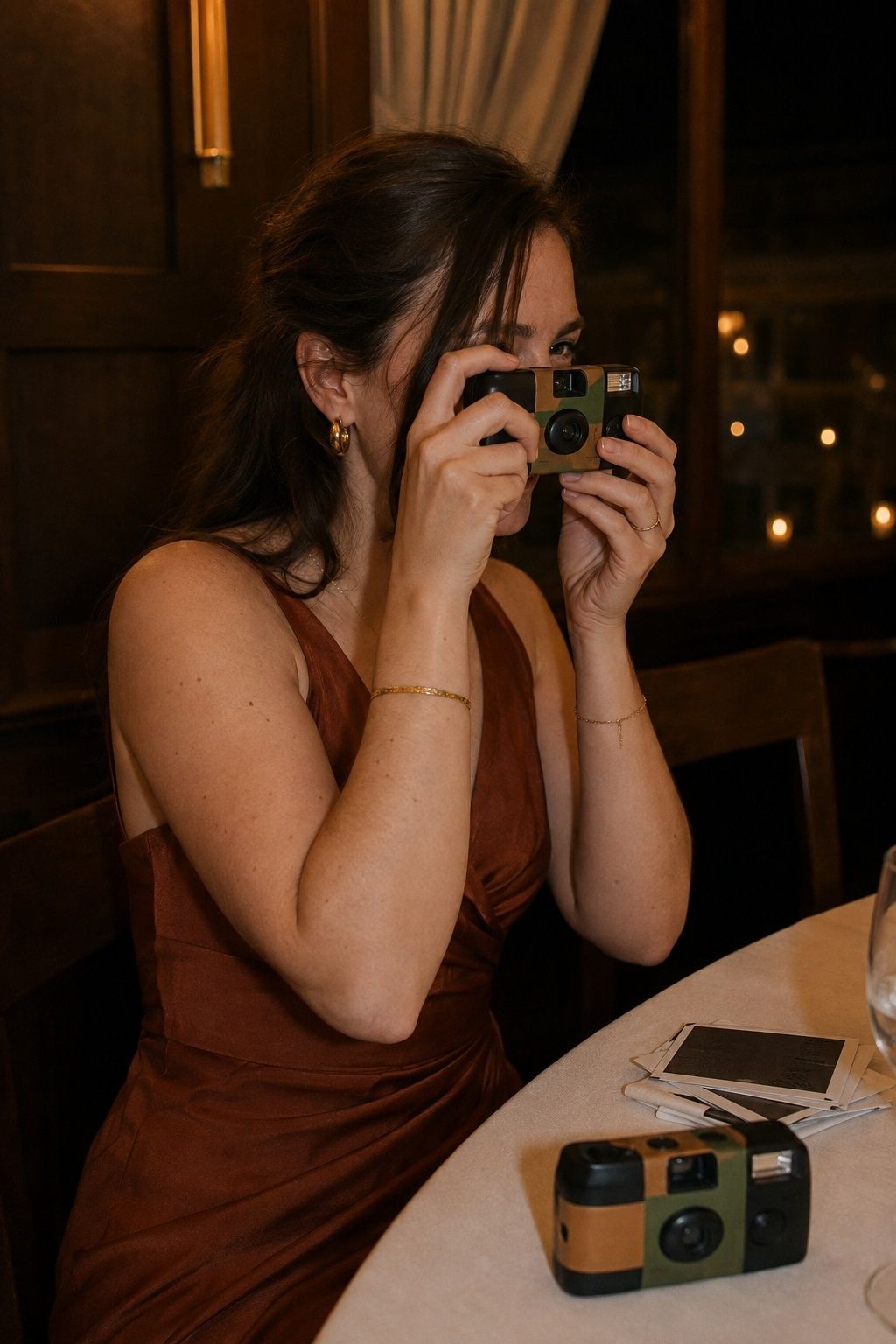
Disposable cameras, a shared album, or a few phone clips from close friends bring a personal layer to the wedding record. These images often catch table jokes, late-night dancing, and guest viewpoints the photographer cannot be everywhere to see.
Keep the plan simple so guests stay present. Casual behind-the-scenes memories from friends should support the social side of the day while the professional photographer protects the full visual story.
End With The Last Ordinary Moment
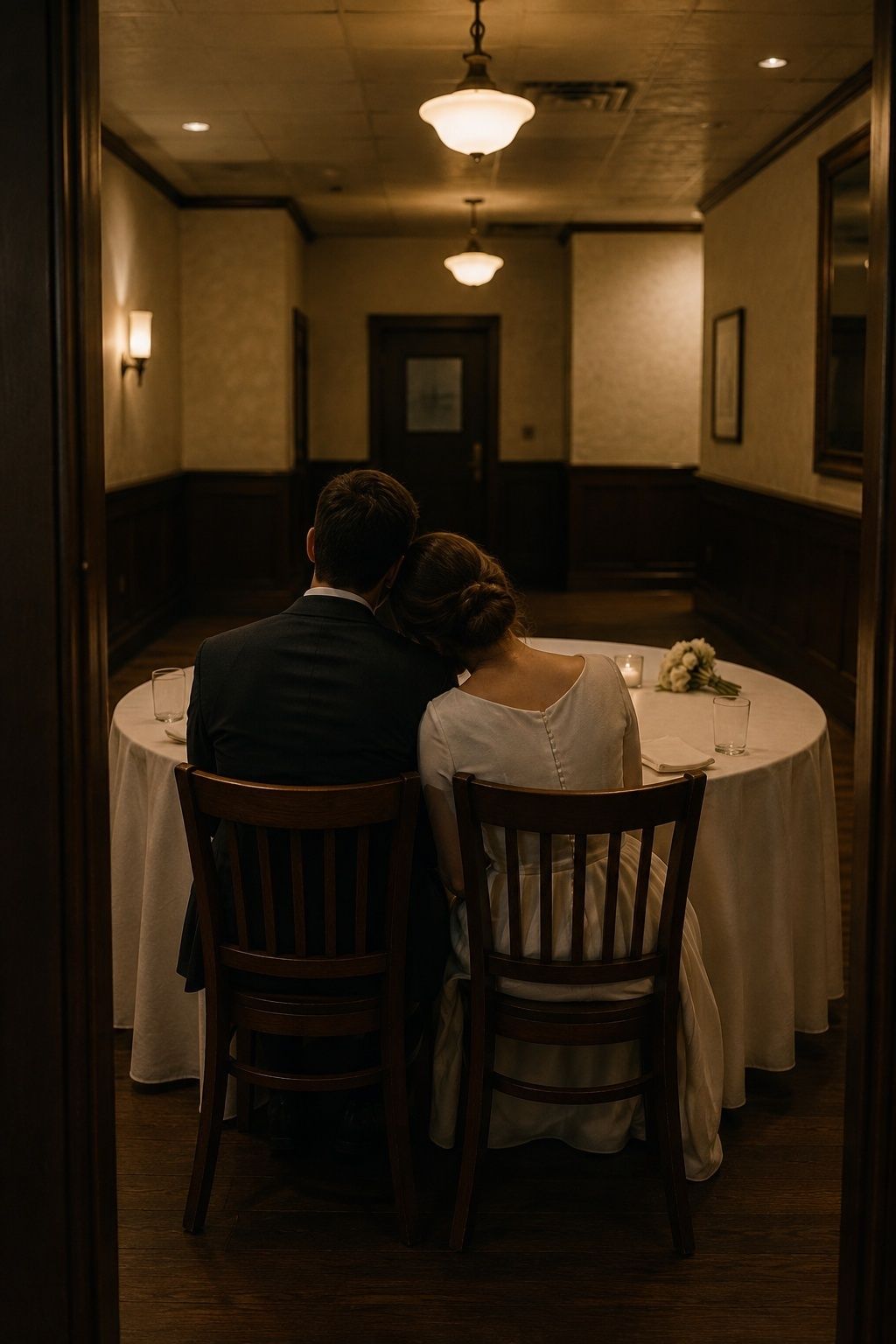
The final documentary frame does not need sparklers or a staged exit. It might be the couple sitting in the quiet room after guests leave, shoes in hand, flowers on the table, a final hug at the door, or two people laughing in the back seat.
Ask your photographer what they usually look for near the end of coverage. The closing image should feel like an honest landing place, not one more scene invented because the timeline had a gap.
How To Know If Documentary Wedding Photography Fits You
Documentary wedding photography fits couples who want to remember how the day felt, not only how it looked. It is a strong match if you value guest relationships, family emotion, spontaneous laughter, subtle details, and a gallery that shows the whole celebration rather than a highlight reel of perfect portraits.
It may feel less satisfying if you want heavy posing, fashion-led direction, or a very controlled visual concept for most of the day. Some couples blend approaches: a documentary ceremony and reception, a short editorial portrait window, and a small set of planned light, movement, and atmosphere images.
Timeline Tips For Documentary Wedding Photos
A documentary timeline needs breathing room. Build buffers around getting ready, guest arrival, the ceremony exit, family portraits, dinner entrances, and speeches so the photographer can follow what is happening instead of constantly chasing the next scheduled item.
For small weddings, the easiest plan is often coverage that starts before final dressing and continues through the first part of dinner or dancing. Keep portrait locations close, limit family formals to the essential combinations, and leave time for guests to greet the couple without being moved immediately into another setup.
Booking Questions For A Documentary Wedding Photographer
Ask to see full galleries from weddings with a similar guest count, venue style, and timeline. Look for ceremony reactions, family closeness, transitions, dinner coverage, low-light skill, and whether the gallery still feels beautiful when the moment is ordinary.
Also ask how they handle family portraits, flash, dark receptions, rain, tight rooms, vendor coordination, and camera-shy couples. The best match will have a clear point of view without needing to control every minute of the day.
FAQ
What are documentary wedding photos?
Documentary wedding photos are images that capture the wedding day as it naturally unfolds. They focus on real moments, relationships, emotion, movement, setting, and atmosphere instead of building every photograph around directed poses.
Is documentary wedding photography the same as candid photography?
Documentary wedding photography includes candid moments, but it is broader than candid photography. A documentary photographer thinks about story, sequence, light, relationships, and the full shape of the day, while candid photography usually refers to unposed individual moments.
Can documentary wedding photographers still take family portraits?
Yes, documentary wedding photographers can still take family portraits. Most couples need a short formal portrait window for parents, grandparents, siblings, and immediate family. The key is keeping the list organized so portraits do not take over the candid parts of the day.
Who is documentary wedding photography best for?
Documentary wedding photography is best for couples who want a relaxed, emotionally honest record of the day. It works especially well for intimate weddings, family-centered celebrations, restaurant receptions, courthouse weddings, private estates, and couples who feel awkward with heavy posing.
How do you plan a wedding timeline for documentary photos?
Plan a documentary wedding timeline by adding buffers around emotional transitions, keeping locations close, limiting formal portraits, and giving the photographer enough coverage to stay through real guest interactions. The schedule should support the day instead of constantly interrupting it.
What should you ask before booking a documentary wedding photographer?
Ask to see full wedding galleries, not only favorite portfolio images. Then ask how they approach family portraits, low light, reception coverage, camera-shy couples, small guest counts, rain plans, and the balance between observing and giving gentle direction.
Final Thoughts
Documentary wedding photos reward a day with room to breathe. The most memorable images often come from the parts no one could fully plan: a hand reaching across the aisle, a parent laughing through tears, friends crowding around the dinner table, or the couple taking one quiet breath before walking back into the room.
When the timeline is almost finished, protect quiet space for vows, family hugs, dinner reactions, and day-as-it-happened storytelling so the gallery stays rooted in real life. Keep the schedule calm so unforced moments unfold without being pulled away from the people living them.
Last update on 2026-10-05 / Affiliate links / Images from Amazon Product Advertising API