

Film wedding photos ideas are about choosing the parts of the day that deserve softness, grain, imperfect light, and a little mystery, then pairing those moments with a photographer who understands how to use film intentionally.
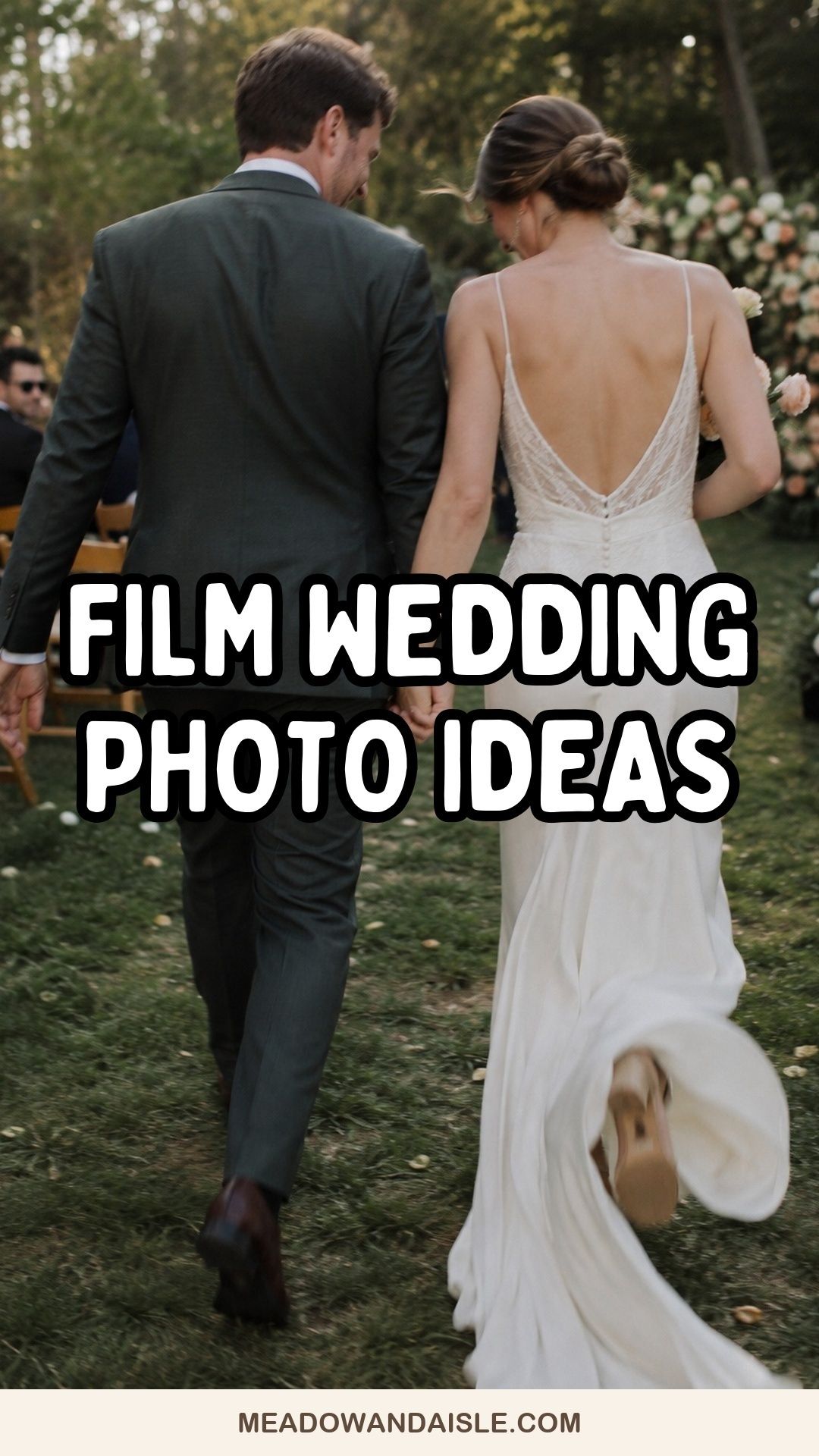
Film Wedding Photos Ideas for the Beautifully Imperfect Stuff
Film has a way of making wedding photos feel less polished and more remembered. The blur of a sleeve, the glow of a candle, the tiny shift in someone’s face during a toast, or the soft color around an old doorway often becomes the part you keep returning to. For the wider plan, see civil ceremony photography ideas.
For small weddings, that feeling is especially natural. A slower camera lingers on the dinner table, guest emotion, family hugs, quiet portraits, and the in-between moments that might feel too delicate for a heavily directed photo plan.
Recommended Wedding Products


You Might Also Like These Blog Posts
- Documentary Wedding Photos Ideas for the Day as It Happened
- Editorial Wedding Photos Ideas With Real Wedding Feeling
- Artsy Wedding Photography Ideas That Still Feel Like You
- Messy Coquette Wedding Ideas For Beautifully Undone Romance
- Analogue Photobooth Wedding Ideas for Imperfect Little Prints
- Cinematic Wedding Photography Ideas for Movie-Still Moments
Film Wedding Photos Ideas With Grain, Feeling, And Room To Breathe
The best film wedding photos ideas begin with restraint. Film rewards moments that already have texture: nervous hands, leaning shoulders, uneven garden light, weathered walls, pressed flowers, wrinkled linen, and guests who forget a camera is nearby.
Because every roll has a limit, film also asks you to choose. That does not make the day smaller. It makes the frame feel more deliberate, especially when digital coverage quietly protects the must-have family portraits, processional, ceremony kiss, and reception milestones.
| Film moment | Why it works | Planning detail |
|---|---|---|
| Getting ready | Soft light, hands, fabric, and reflection feel nostalgic | Choose one calm room with window light |
| Portraits | Grain makes stillness feel intimate instead of stiff | Give the photographer a quiet ten-minute window |
| Dinner | Candles, glassware, and guest emotion suit the analog look | Add steady ambient light before the room gets too dark |
| Details | Paper, rings, flowers, and linen gain texture on film | Gather them in one place before coverage begins |
| In-between moments | Blur and imperfection let the memory feel more real | Leave unscheduled breathing room in the timeline |
Getting Ready By A Window
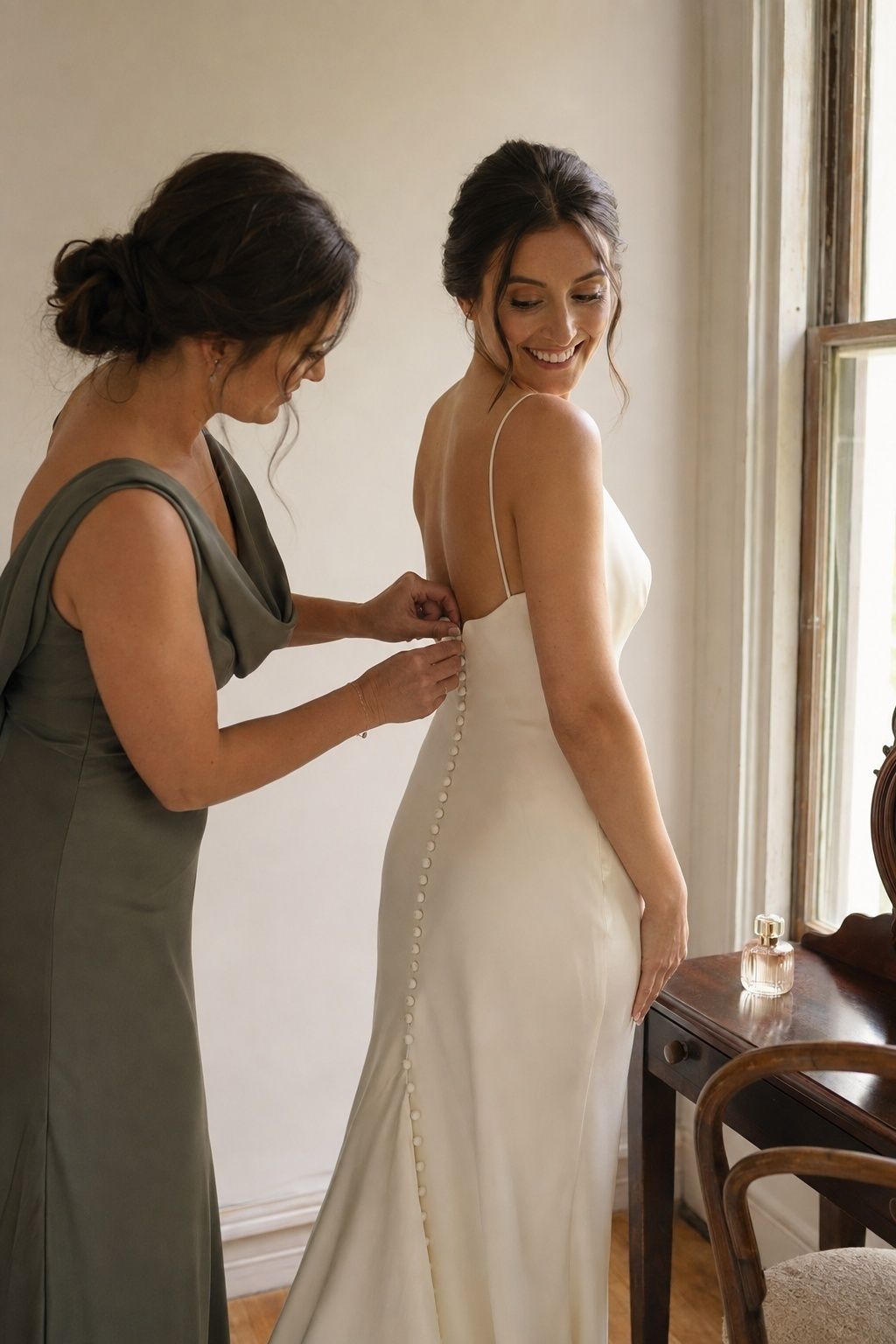
Film loves a quiet getting-ready room with one good window. Ask your photographer to capture hands buttoning cuffs, dress fabric on a chair, perfume on the vanity, and the half-second before someone starts laughing.
Keep the room simple if you can. Fewer bags, plastic hangers, and scattered snacks give the grain more room to soften the scene instead of fighting clutter.
A First Look That Is Not Over-Directed

A first look on film should feel like a private pause, not a staged reveal with too many instructions. Choose a hallway, garden path, porch, or courtyard where the couple can step toward each other naturally.
The small wedding advantage is space. With fewer people around, the photographer can stay close enough for emotion without turning the moment into a production.
Soft Portraits After The Ceremony
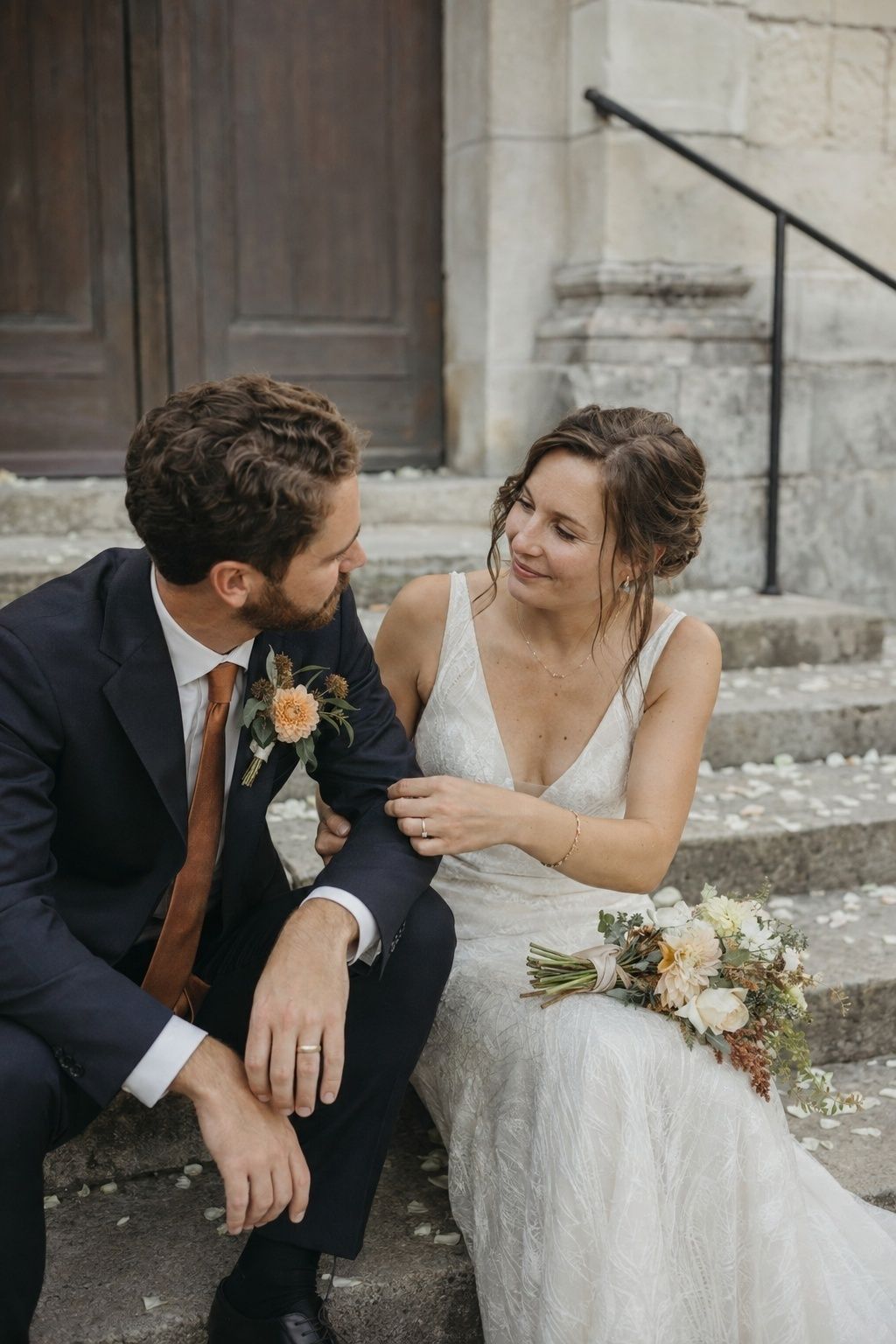
Post-ceremony portraits often carry a different tenderness because the pressure has lifted. Film can hold that looseness beautifully, especially when the couple walks, leans, fixes a sleeve, or rests together for a minute.
Plan a short window instead of a sprawling portrait session. Ten to fifteen intentional minutes may produce stronger film frames than an hour of stiff posing.
The Hands, Rings, And Vows Flat Lay

Paper goods, vow books, rings, ribbon, lace, flowers, and handwritten letters all gain character on film. Slight grain gives these objects a personal feeling rather than a catalog-perfect finish.
Gather details in one pouch before the photographer arrives. That small habit saves roll time and keeps the morning from turning into a scavenger hunt.
Guest Hugs During Cocktail Hour
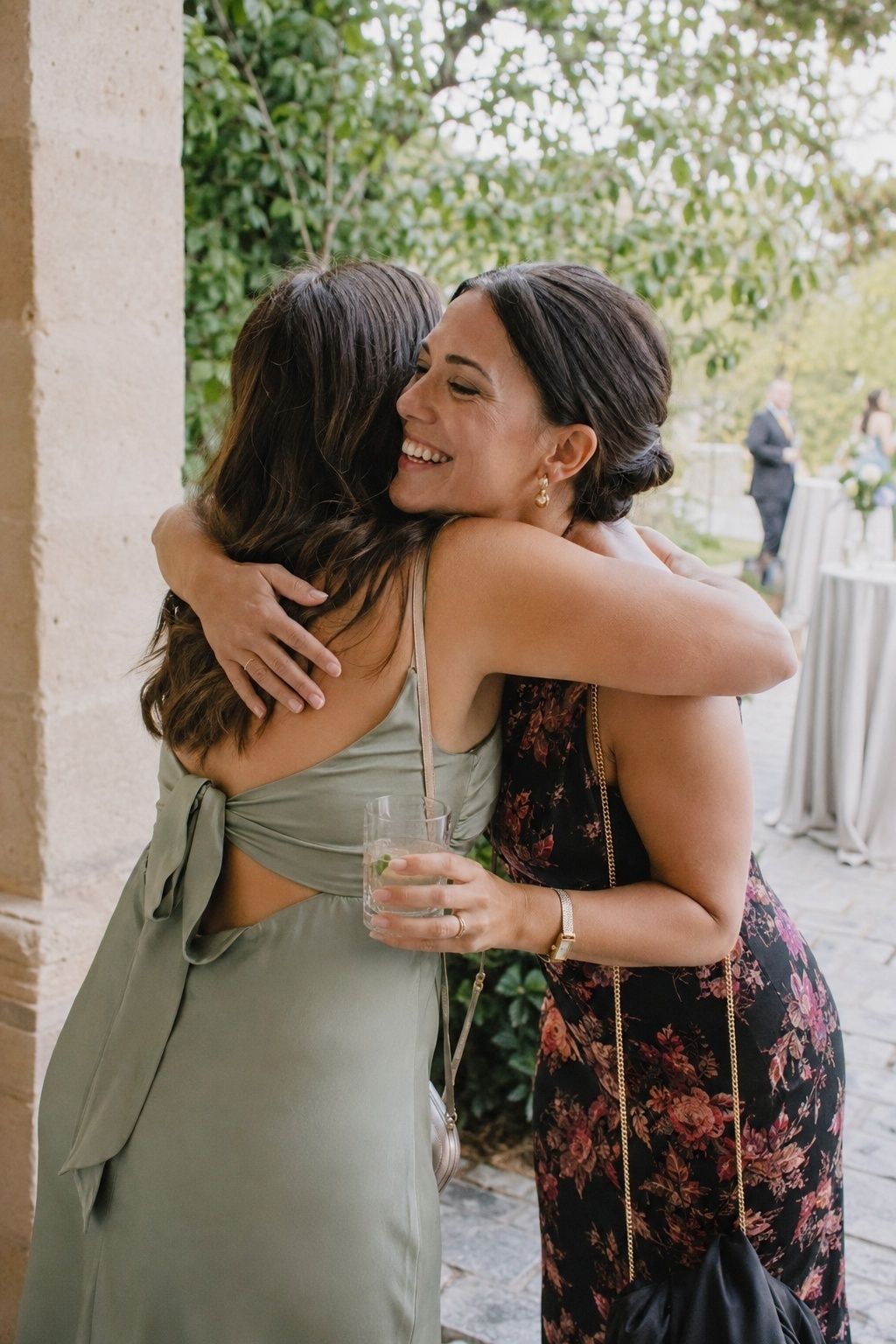
Cocktail hour is full of film-worthy emotion: grandparents reaching for hands, friends squeezing shoulders, cousins laughing mid-sentence, and parents looking relieved after the ceremony.
Ask for roaming film coverage here if your guest count is small. The photographer can notice relationships without needing to chase a hundred conversations at once.
A Slightly Blurry Walk Back Down The Aisle

The recessional does not need to be perfectly frozen to be beautiful. A little motion blur lets the couple’s first married walk feel breathless, warm, and alive.
This is a smart hybrid moment. Let digital coverage secure a crisp version, then let film catch the movement, grain, and small imperfections around it.
Dinner Tables Before Guests Sit Down
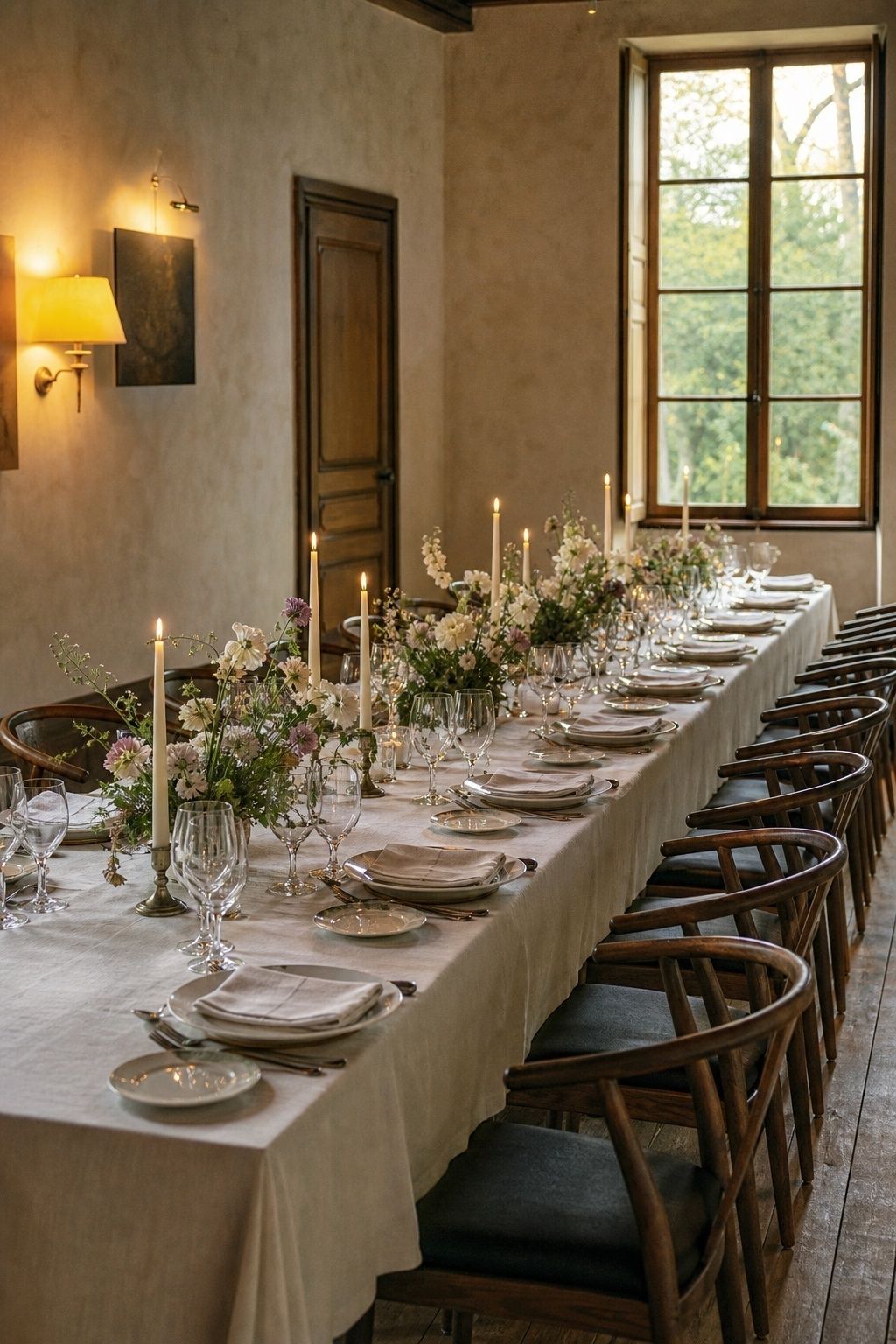
Film gives dinner tables a tactile feeling: folded napkins, uneven candlelight, glass rims, menus, chair backs, and flowers that look freshly touched instead of overly arranged.
Have the photographer step into the reception space just before guests enter. The room will still be intact, but it will already feel like people are about to arrive.
Flash Photos At The Reception

Direct flash on film can feel playful, nostalgic, and a little glamorous. It works well for champagne pours, cake bites, dance-floor shoulders, late-night hugs, and guests caught in honest laughter.
Talk through the flash style beforehand. Some couples want a party feel, while others prefer a softer dinner glow with only a few bright reception frames.
Quiet Parent And Grandparent Frames
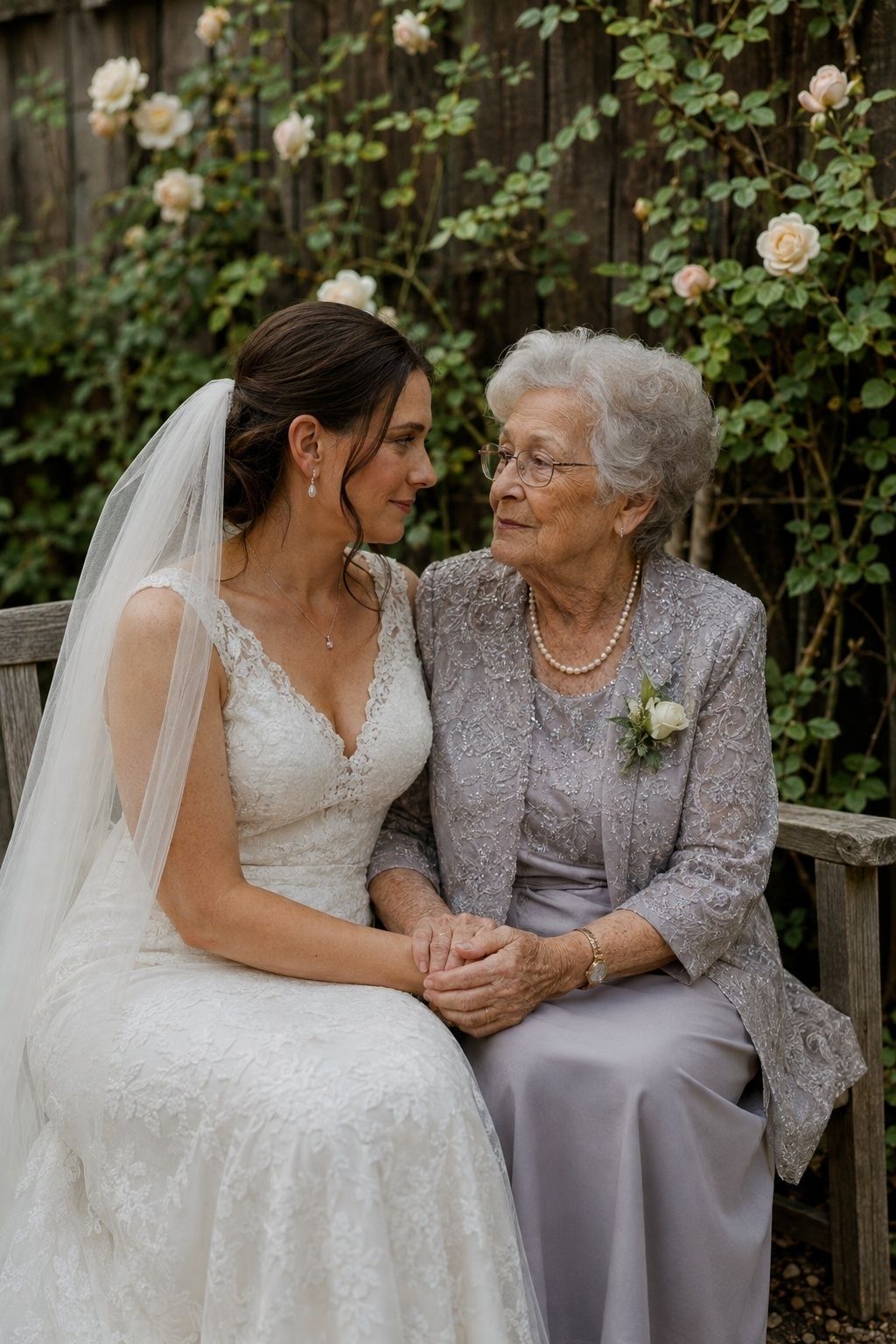
Film is lovely for older hands, attentive faces, and family emotion that does not need a pose. Ask your photographer to watch the relatives who may not pull attention toward themselves.
At intimate weddings, these frames often become the most meaningful part of the gallery. The guest list is smaller, so each relationship has more visible weight.
A Solo Bridal Portrait With Texture

A solo portrait on film can feel timeless when it includes texture: a stone wall, old mirror, veil edge, wooden door, wildflowers, lace sleeve, or shadow from a tree.
Keep the direction simple. Looking down, turning away, holding flowers loosely, or standing in soft side light usually feels more natural than elaborate posing.
The Couple Walking Instead Of Posing
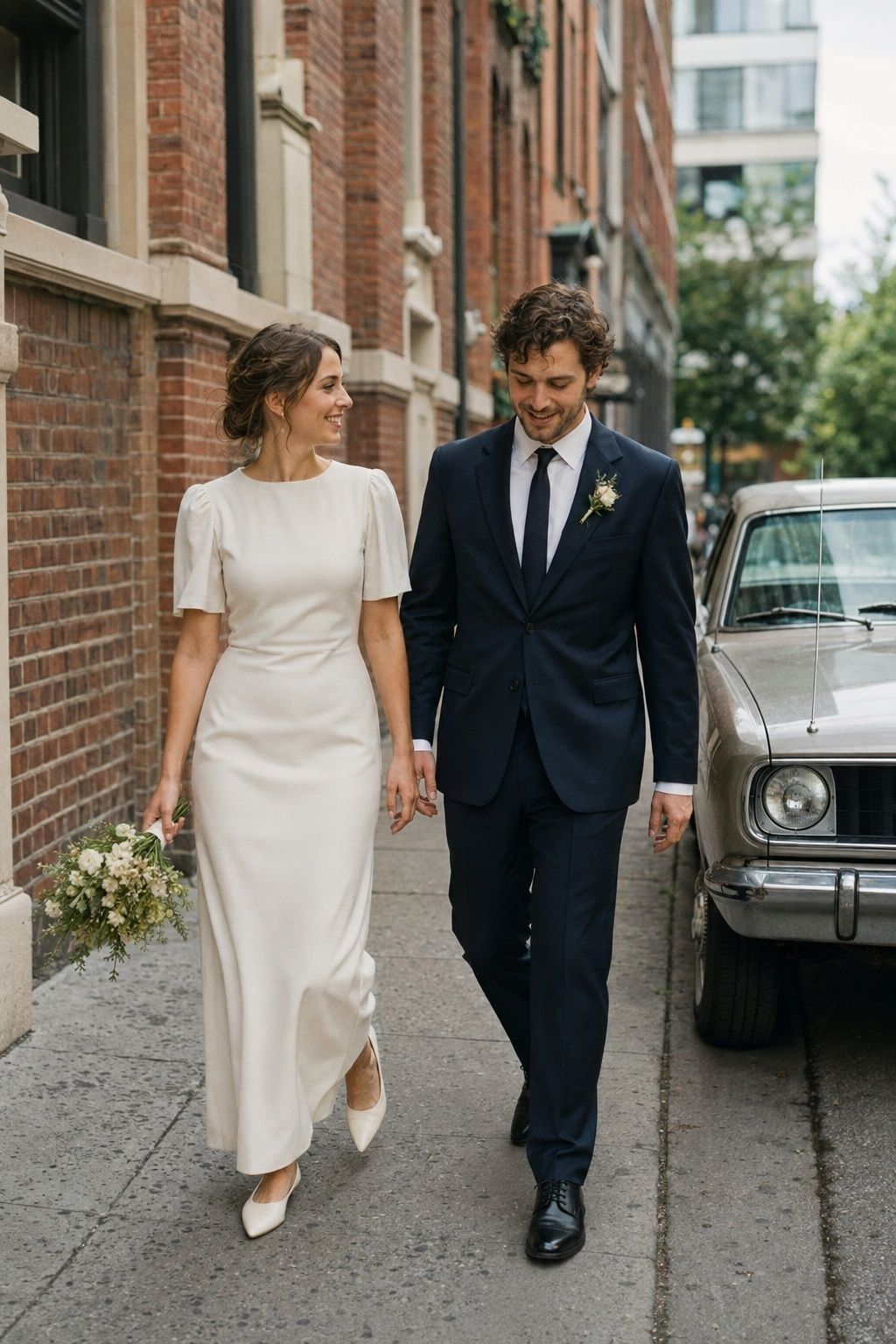
Movement gives film room to be imperfect in the right way. A slow walk through grass, a city sidewalk, a venue corridor, or a candlelit courtyard can create frames that feel like stills from a memory.
Ask the photographer to give gentle prompts instead of fixed poses. Walking, turning, brushing past each other, or pausing mid-step can be enough.
Invitation Suite And Personal Objects
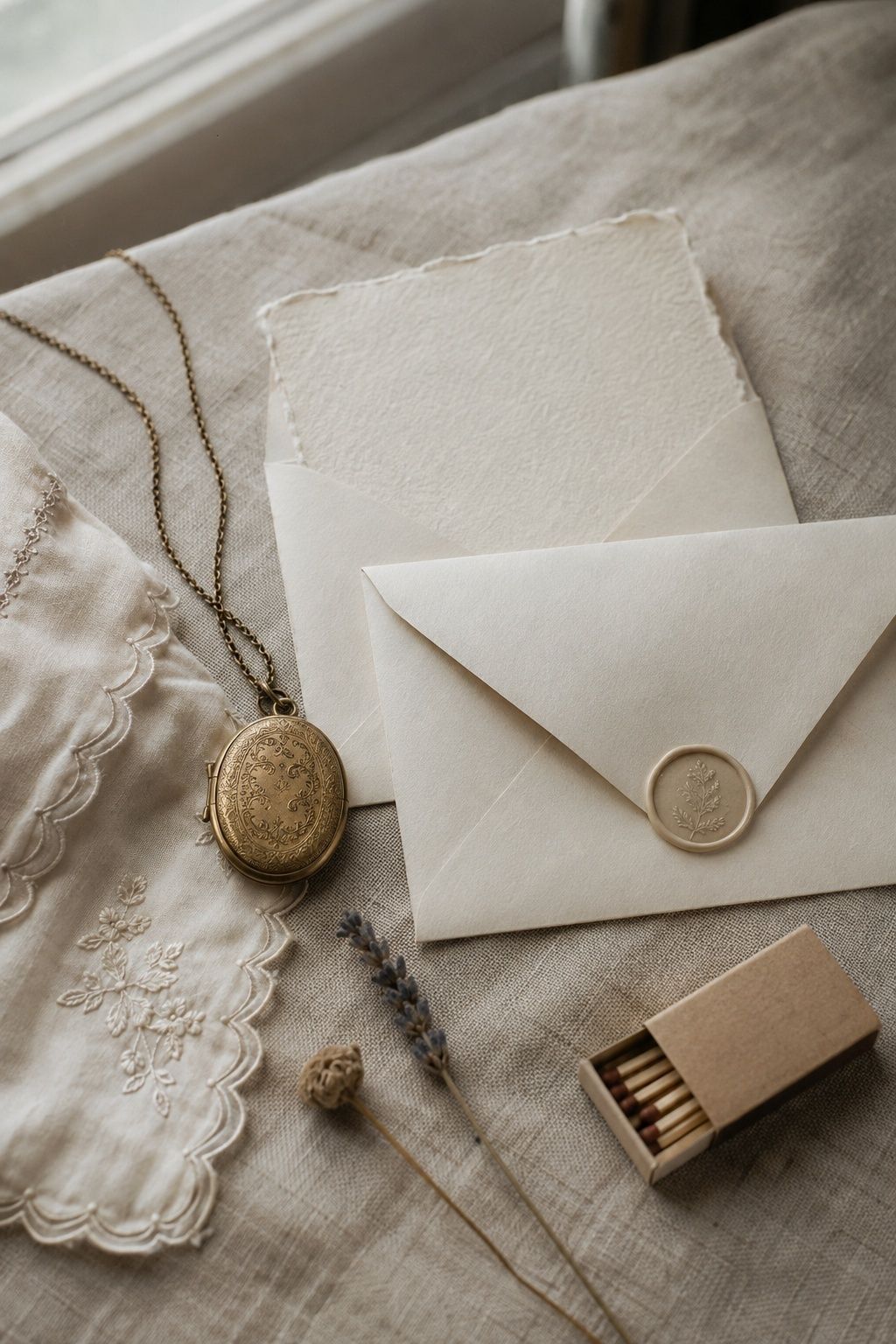
Film keeps personal objects from feeling like props. A letter, invitation suite, inherited jewelry, matchbox, embroidered handkerchief, or pressed flower gains atmosphere through soft depth and natural grain.
Choose only the pieces that actually matter. A smaller, truer detail set will photograph better than a large pile of objects added only to fill a flat lay.
Candlelit Toasts And Dinner Speeches
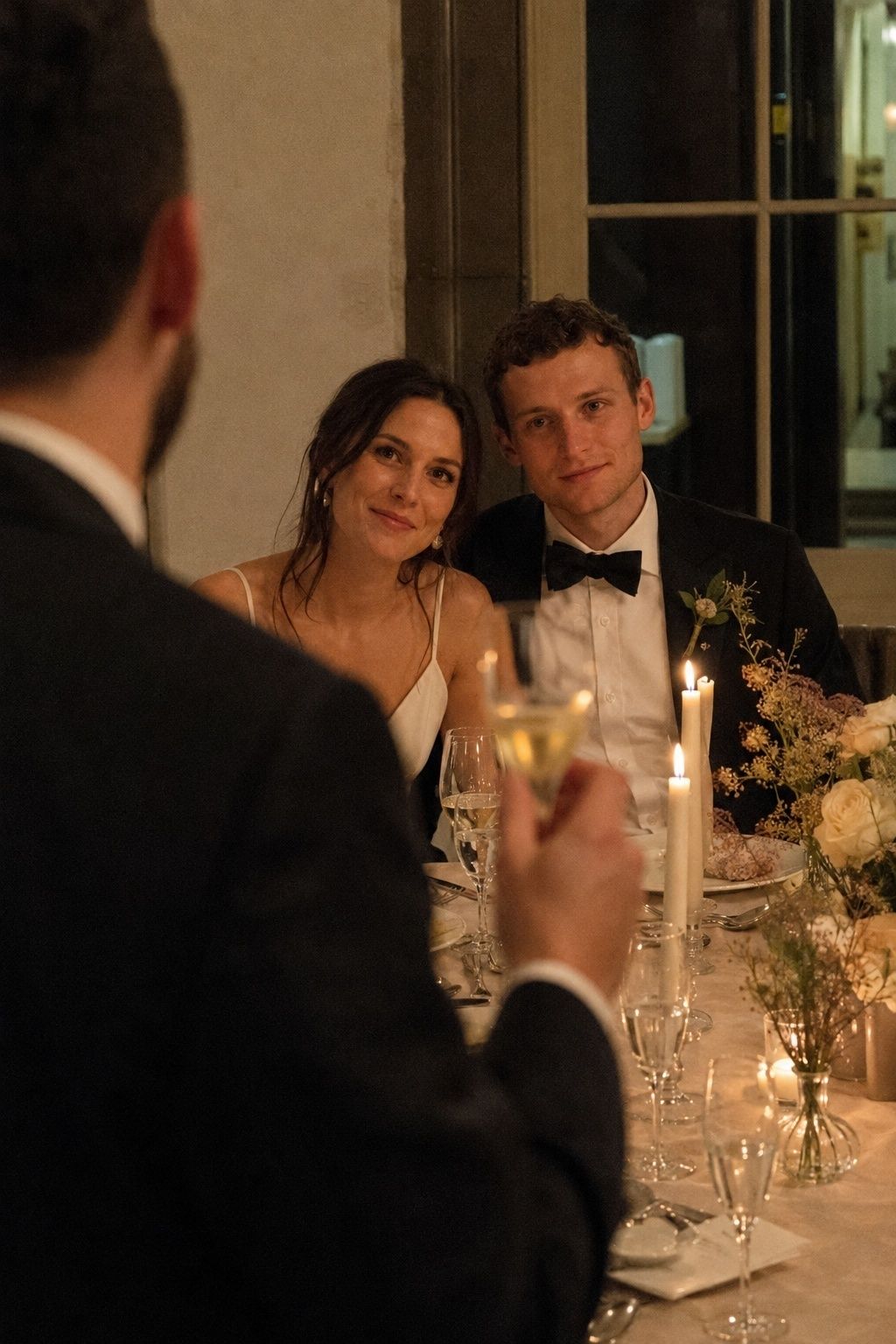
Toasts can be beautiful on film when the room has enough ambient light. The grain softens glassware, candles, linen, and emotional faces around the speaker.
Ask your photographer what light level they need. Film can be romantic in low light, but total darkness may require flash, faster film, or digital backup.
The Messy Pretty End Of The Night
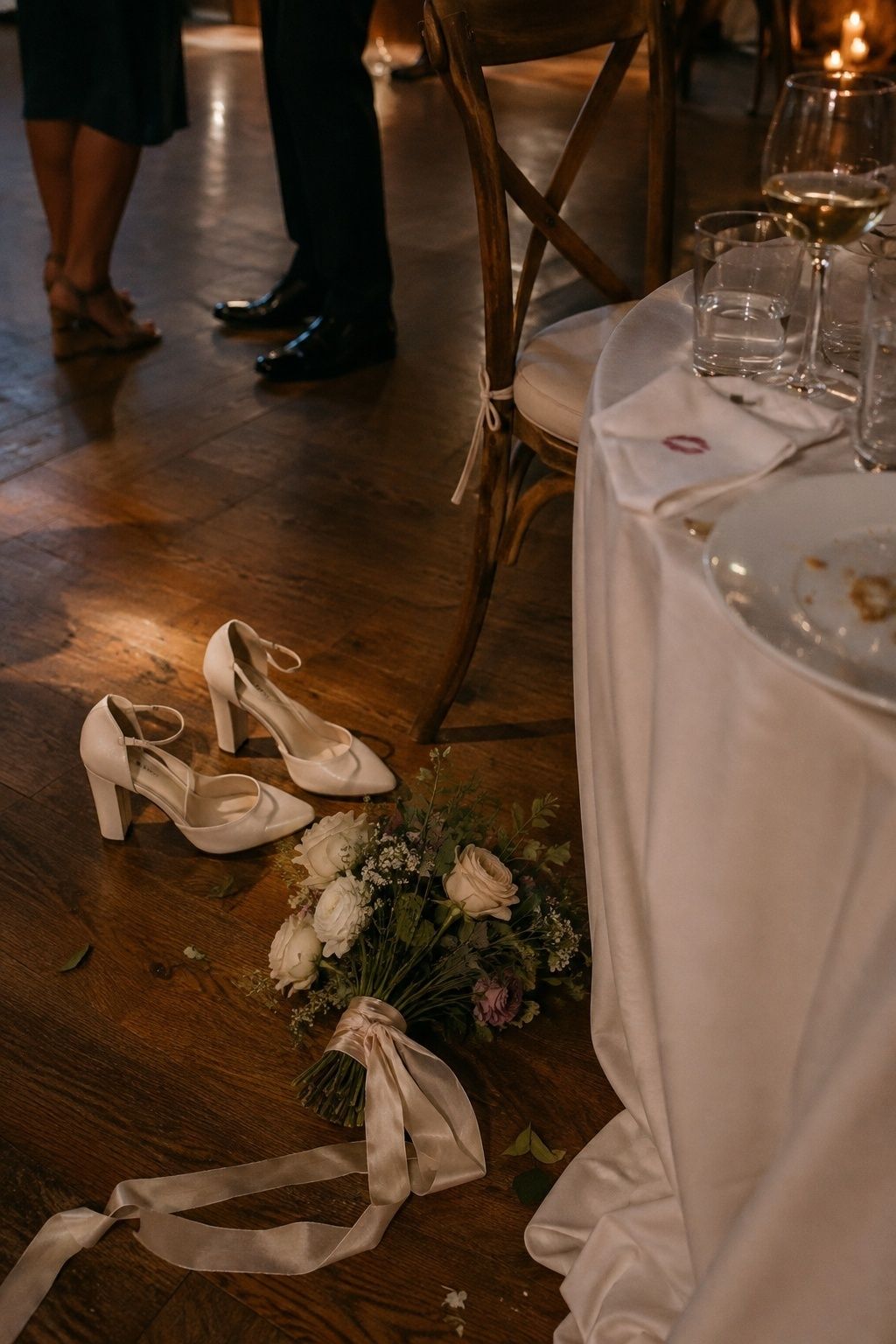
Some of the sweetest film wedding photos happen after everything stops looking perfect. Half-empty glasses, loosened hair, lipstick on a napkin, shoes near a chair, and guests leaning into each other can feel deeply alive.
Save a few frames for the end. A wedding does not have to look pristine all night to look beautiful later.
Disposable Camera Guest Moments
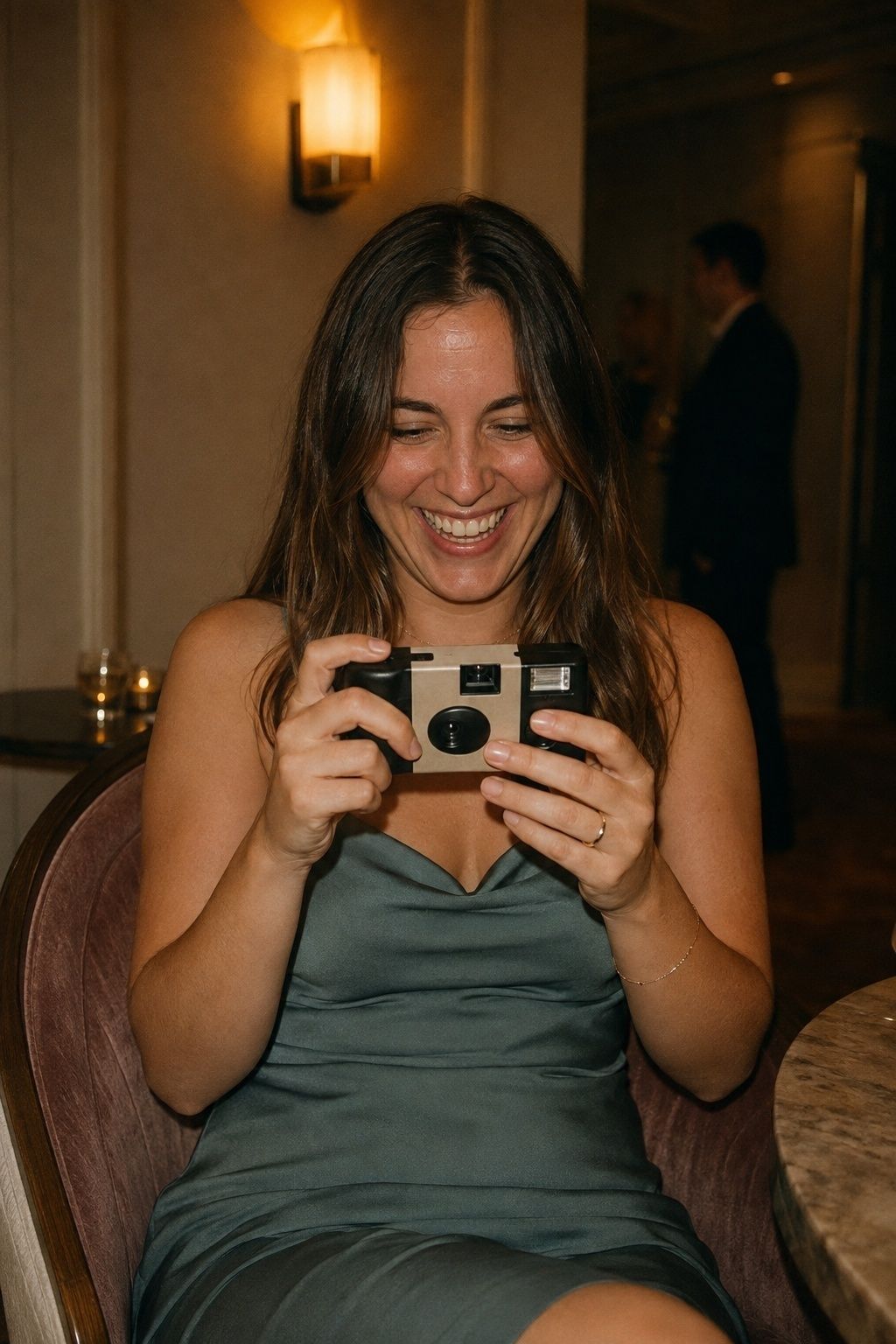
Disposable cameras add a loose guest-eye layer to the day. They work best when you place only a few cameras in intentional spots, such as the welcome table, dinner table, or late-night lounge.
Do not rely on them for important coverage. Treat them as bonus memories, because guests may forget them, use the flash oddly, or take delightfully strange frames you could never plan. Also worth a look: documentary wedding photos ideas.
A Last Portrait Before You Leave
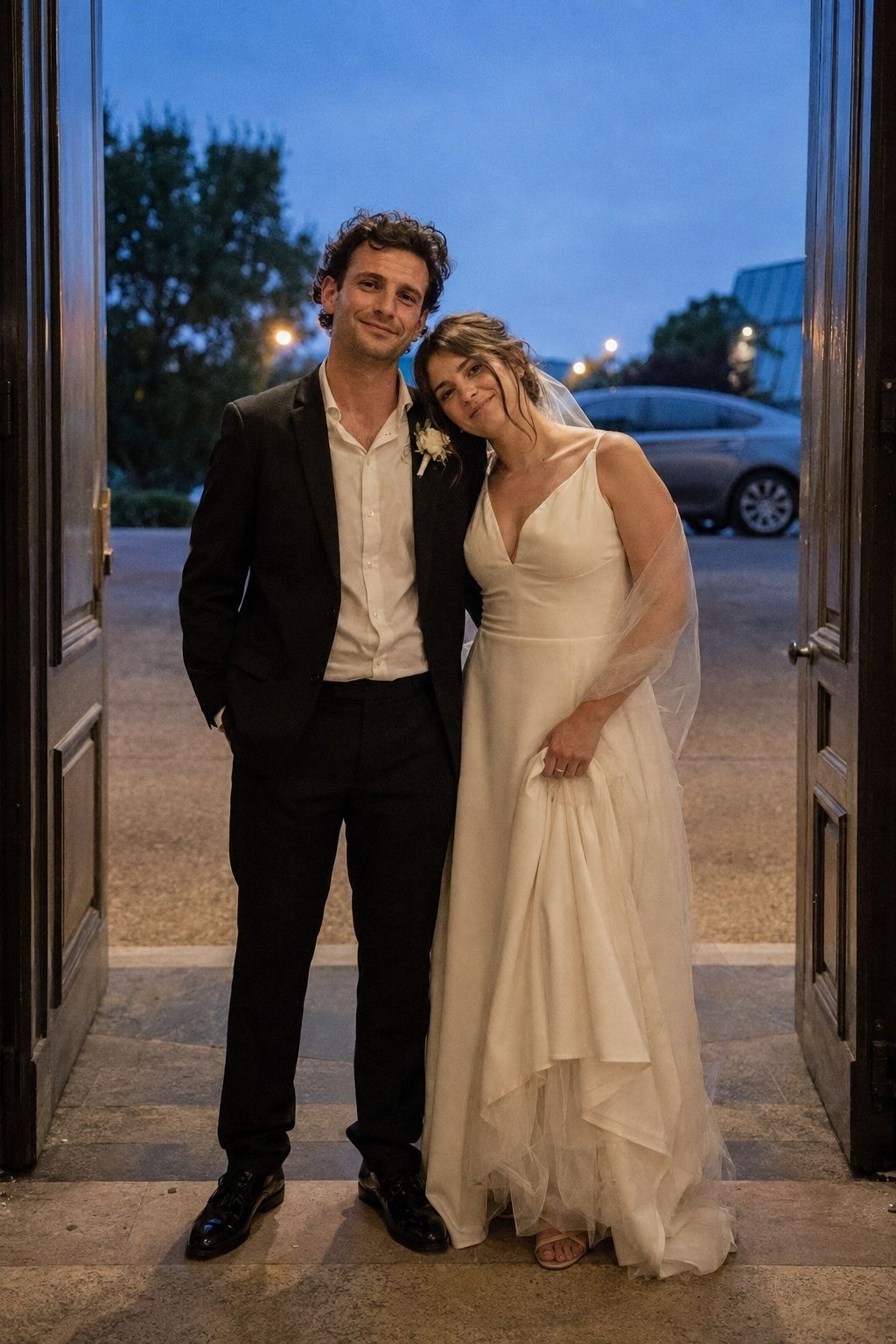
A final film portrait can close the story softly. Step outside, stand in the doorway, pause near the car, or sit together for one quiet frame before the night changes shape. Related reading: editorial wedding photos ideas.
This does not need a big exit. For an intimate wedding, one tired, happy, slightly undone portrait may say more than sparklers ever could. For the next step, see wedding photography mistakes.
Should You Choose Film-Only Or Hybrid Wedding Coverage?
Film-only coverage can be beautiful, but it asks for trust, budget, and a realistic appetite for fewer total images. Every roll costs money, development takes time, and missed focus cannot be checked instantly on the back of a camera.
Hybrid coverage is usually the most practical choice for couples who want the analog feeling without sacrificing security. Digital protects fast family groupings, dim ceremony moments, backup reception coverage, and must-have documentary coverage, while film stays reserved for portraits, details, cocktail hour, dinner atmosphere, and emotional pauses.
When you inquire, ask how many rolls are included, what happens if light changes, whether the photographer uses 35mm, medium format, or both, how lab timing works, and whether film scans are edited to match the rest of the gallery. A clear answer will tell you more than a dreamy portfolio alone. For more ideas in this vein, browse Wedding Photography.
FAQ
What are film wedding photos?
Film wedding photos are wedding images captured on physical photographic film instead of only on a digital camera. They often have visible grain, softer highlights, gentler color shifts, and a more organic feeling because the image is created on a roll that must be developed and scanned.
Is film wedding photography worth it?
Film wedding photography can be worth it if you love nostalgic texture, softer color, fewer but more intentional frames, and a gallery that includes imperfect emotional moments. It may cost more because film, development, scanning, and extra time are part of the process.
Can a whole wedding be photographed on film?
A whole wedding can be photographed on film by an experienced film photographer, but many couples choose hybrid coverage for peace of mind. Digital backup is helpful for fast timelines, changing light, family formals, dark receptions, and moments that cannot be repeated.
What moments look best on 35mm film at a wedding?
35mm film works beautifully for getting-ready details, soft portraits, cocktail-hour hugs, dinner tables, flash reception photos, guest emotion, paper goods, flowers, movement, and in-between moments. It is especially strong when the scene has good light, texture, and real feeling.
How is film wedding photography different from digital?
Film wedding photography is slower and more limited because each roll has a set number of frames and the result cannot be reviewed instantly. Digital photography is faster, more flexible, and easier for high-volume coverage, while film often brings softer highlights, grain, and a more nostalgic look.
What should you ask a film wedding photographer before booking?
Ask how many rolls are included, whether coverage is film-only or hybrid, what film formats they use, how they handle low light, when scans are delivered, whether lab costs are included, and how they protect the must-have moments if a roll, camera, or lighting situation is unpredictable.
Final Thoughts
Film works best when it is treated as a feeling layer, not a performance. Choose the moments that already hold emotion, give them enough light and time, and let the grain carry the parts of the day that digital perfection sometimes smooths away.
Before booking, keep the plan simple: one must-have digital safety net, saved rolls for memory-rich moments, clear expectations on light, roll count, and delivery timing, and a photographer who protects the feeling first whether a frame lands on 35mm or digital.
Last update on 2026-11-29 / Affiliate links / Images from Amazon Product Advertising API