
Civil ceremony photography ideas feel strongest when the plan honors the short legal moment, the people standing closest, the civic setting, the paperwork, the portraits, and the small celebration that proves the day was more than an appointment.
A civil ceremony often moves quickly, so the photo plan has to be intentional before anyone walks through the building doors. The ceremony itself could last only a few minutes, yet the gallery still deserves shape: arrival, legal details, vows, rings, guest reactions, group photos, portraits, confetti, and a toast afterward.
The best small-day coverage is not a condensed version of a full wedding timeline. It is a focused record of what happened, who witnessed it, where the city wrapped around it, and how the couple carried the legal moment into lunch, drinks, cake, or a quiet walk together.
Recommended Wedding Products


You Might Also Like These Blog Posts
- Civil Ceremony Ideas for a Legal Wedding That Still Feels Personal
- Artsy Wedding Photography Ideas That Still Feel Like You
- Blue Hour Wedding Photography Ideas for a Twilight Glow
- Registry Office Wedding Dress Ideas for a Civil Ceremony With Style
- Cinematic Wedding Photography Ideas for Movie-Still Moments
- Light and Airy Wedding Photography Ideas That Still Feel Real
Civil Ceremony Photography Ideas
A civil ceremony gallery feels complete when it shows the legal structure and the emotional truth at the same time. The signed papers matter. So do the hands, smiles, nervous waiting, quick hugs, building facade, witness reactions, and first married portrait on the steps outside.
Start by deciding what proof means to you. Some couples want the official room, document signing, and witness portraits. Others care most about the city, candid reactions, and a meal afterward. A strong photographer turns those priorities into a short, calm sequence instead of a giant checklist.
| Photo moment | Why it matters | How to plan it |
|---|---|---|
| Arrival | Shows anticipation before the legal moment | Ask for building exterior, walking, elevator, hallway, and waiting-room frames |
| Documents | Preserves the civil ceremony details | Gather vow books, rings, license folder, bouquet, and accessories together |
| Ceremony | Captures vows, rings, kiss, and witness emotion | Confirm photo rules, standing zones, flash limits, and guest count early |
| Groupings | Gives every close guest a clear place in the gallery | Keep combinations short, named, and ready before the appointment |
| Afterward | Shows the day becoming a celebration | Plan steps, confetti, city portraits, lunch, drinks, cake, or a quiet toast |
Photograph the Walk Into the Building
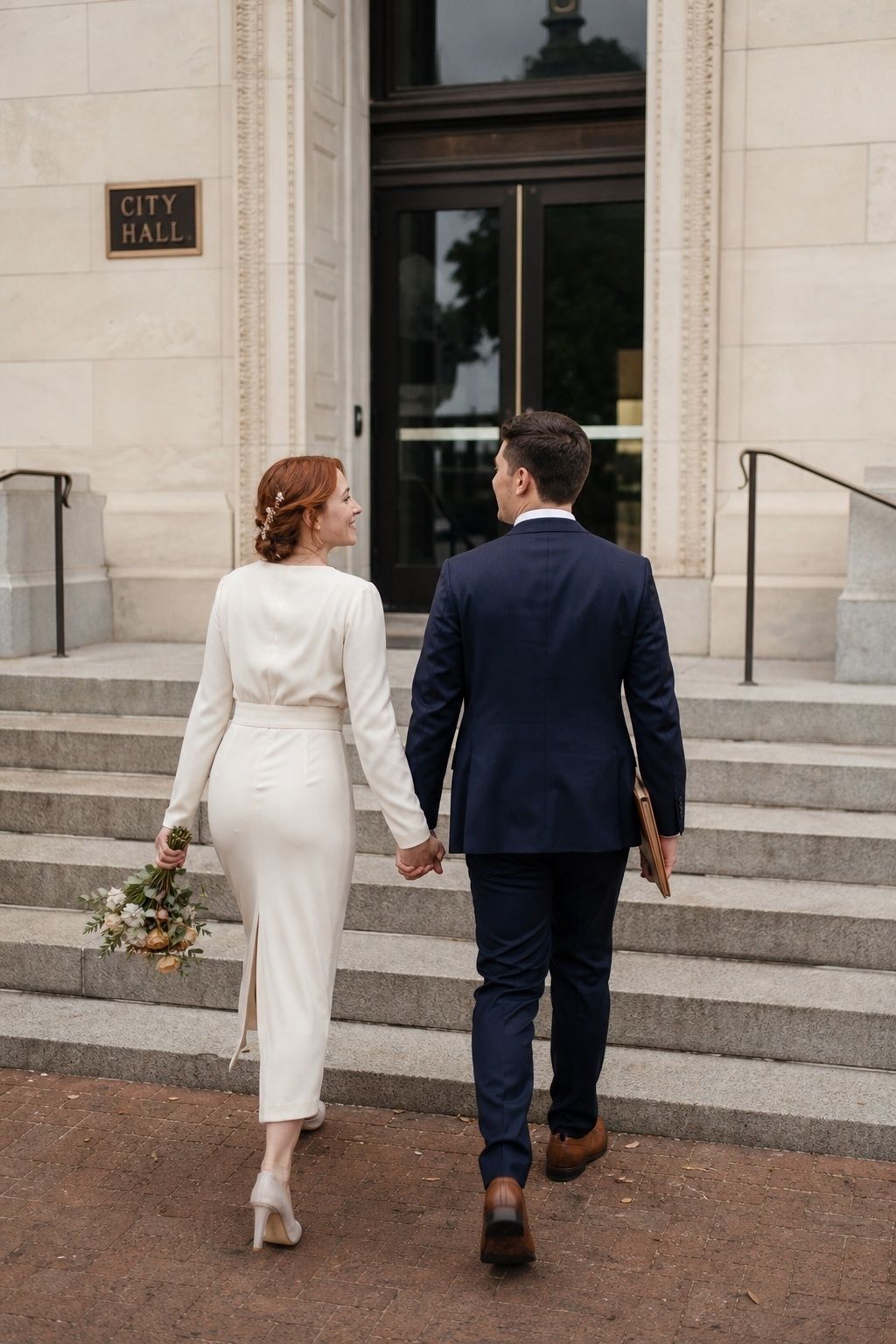
The walk into city hall, the courthouse, or the municipal office sets the tone before the ceremony starts. Ask for wide exterior photos, hands holding the license folder, one partner fixing the other partner’s jacket, and the first look up at the building. Those frames make the civic setting part of the story.
Arrive early enough for these images without rushing the appointment. Ten quiet minutes outside often give the gallery more place and anticipation than a posed portrait after everyone is already watching the clock.
Save the Legal Details Before They Disappear
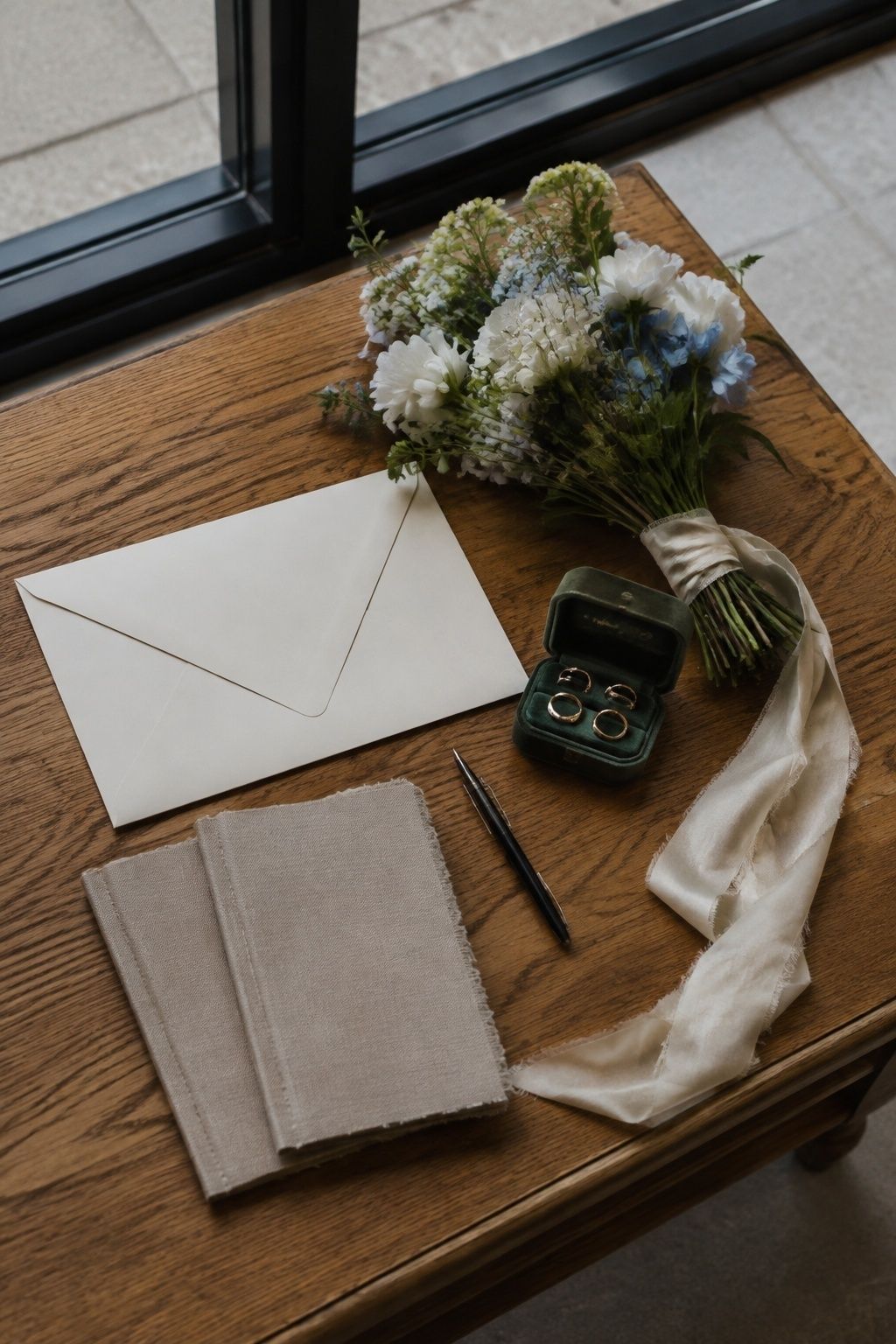
Civil ceremonies carry beautiful official details: a license envelope, vow pages, rings, bouquet ribbon, appointment card, city hall stairs, witness signature, simple shoes, and the pen that signs the day into record. Photograph them before bags get zipped and papers move to a clerk’s desk.
Keep the detail set compact. One clean surface, one folder, rings, vows, and flowers are enough. The point is not styling a flat lay for an hour; it is remembering the objects that made the ceremony real.
Ask Where the Photographer Is Allowed to Stand
Public civil ceremony rooms have rules, staff routines, tight aisles, and other couples waiting. Before the date, confirm whether photography is allowed during vows, whether flash is restricted, where the photographer stands, and whether the photographer counts toward the guest limit.
This protects the ceremony from awkward interruptions. A photographer who knows the room layout ahead of time gets the ring exchange, kiss, witness reaction, and wide room view while staying out of the official’s way.
Build a Tiny Shot List Around Proof
A civil ceremony shot list stays short enough to finish without draining the day. Include arrival, the room, vows, ring exchange, kiss, signed document moment, couple portrait, each guest grouping, one full group photo, exterior portrait, confetti, and the first drink or meal afterward.
Write the must-have names in advance. Instead of asking for every possible combination, choose the portraits that the couple will truly look for later. Smaller ceremonies gain strength from clarity, not volume.
Capture Witnesses as Part of the Ceremony

Witnesses are not background characters at a civil ceremony. They sign, stand close, react first, and often carry the emotional weight of the room. Ask for candid witness reactions during vows, a signing image, and one portrait with the couple right after the legal part ends.
If only two or three guests attend, give each person a real photo moment. A hug in the hallway, a hand on a shoulder, or a champagne glass outside the building often says more than a formal lineup. Soft daylight outside the building suits these light and airy wedding photography ideas.
Use the City as the Portrait Backdrop
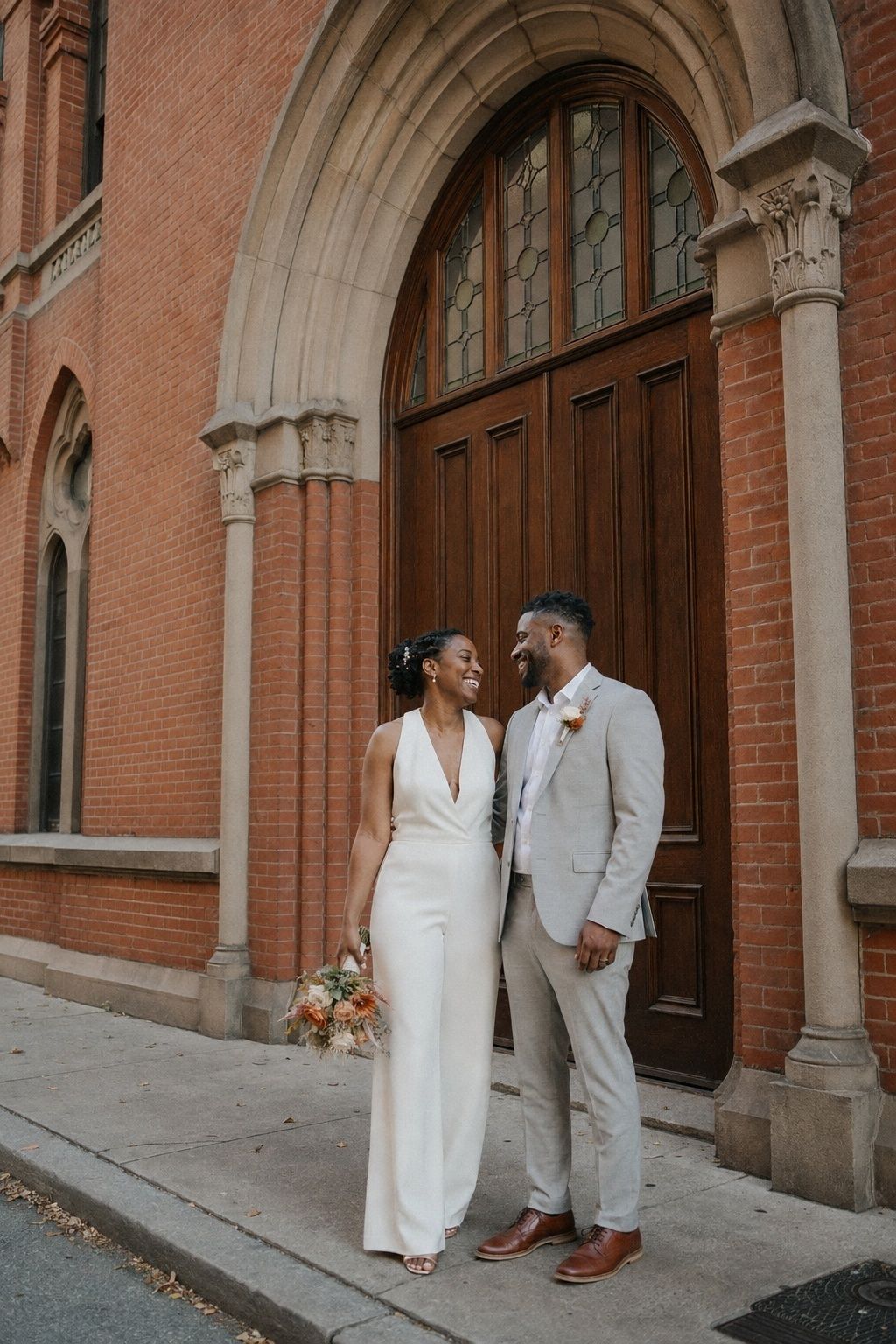
City architecture gives civil ceremony portraits instant setting. Steps, columns, marble corridors, old elevators, crosswalks, fountains, stone walls, library doors, hotel lobbies, and cafe windows turn a short ceremony into a visually specific day.
Choose two portrait areas close to the ceremony site. One stays protected from weather or crowds, and one shows the place clearly. Keeping the route short gives more time to photograph expressions instead of transit.
Plan Group Photos Like a Short Appointment
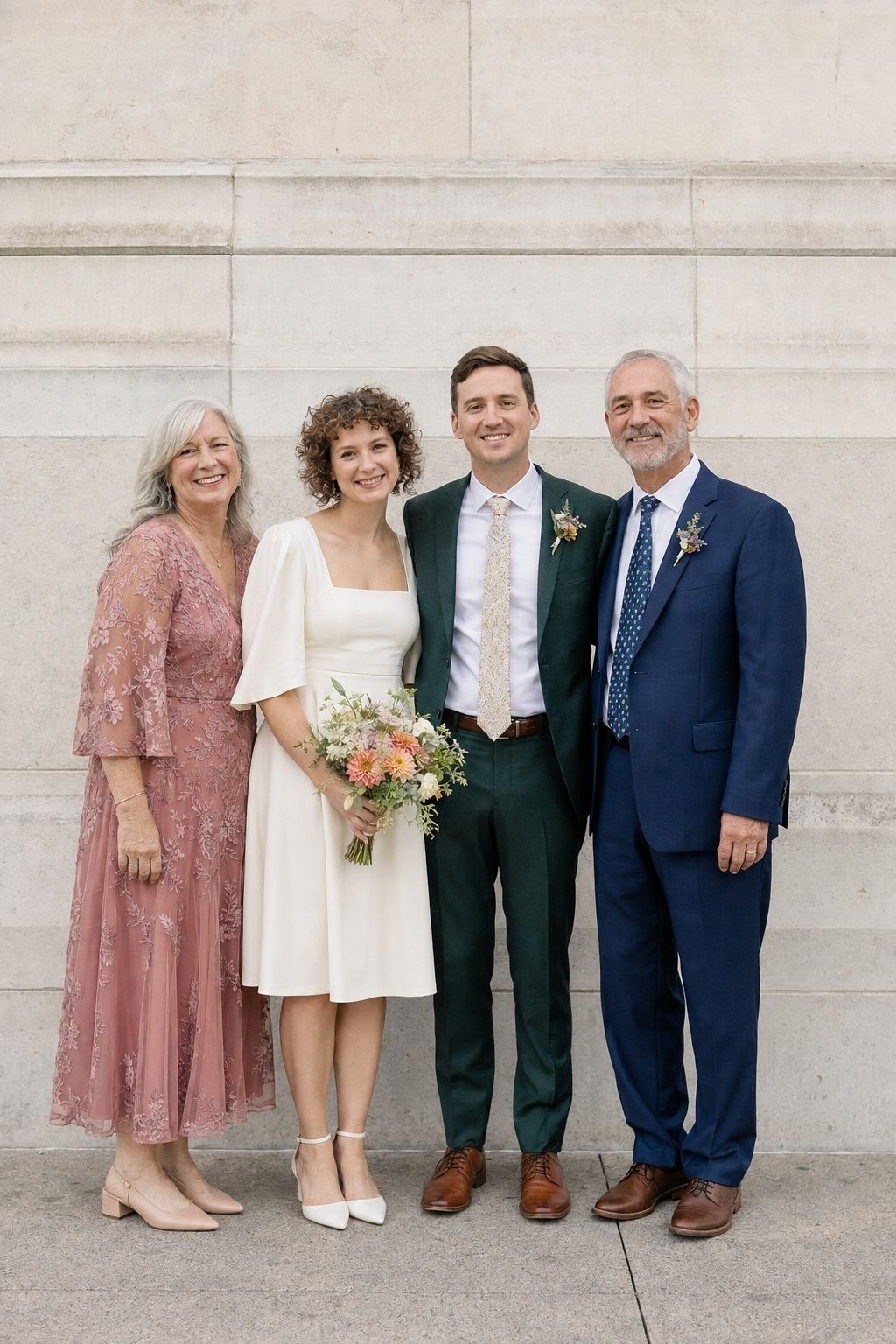
Group photos move faster when every combination is named before the ceremony. Start with the full group, then witnesses, then parents or closest relatives, then any friend pairings that matter. Put the oldest guests and anyone with mobility concerns early in the order.
Ask one guest to gather people while the photographer composes the frame. In a shared civic building, the background changes quickly, so a tidy list keeps the group from blocking stairs, doorways, or other couples.
Make Space for the Just-Married Reaction
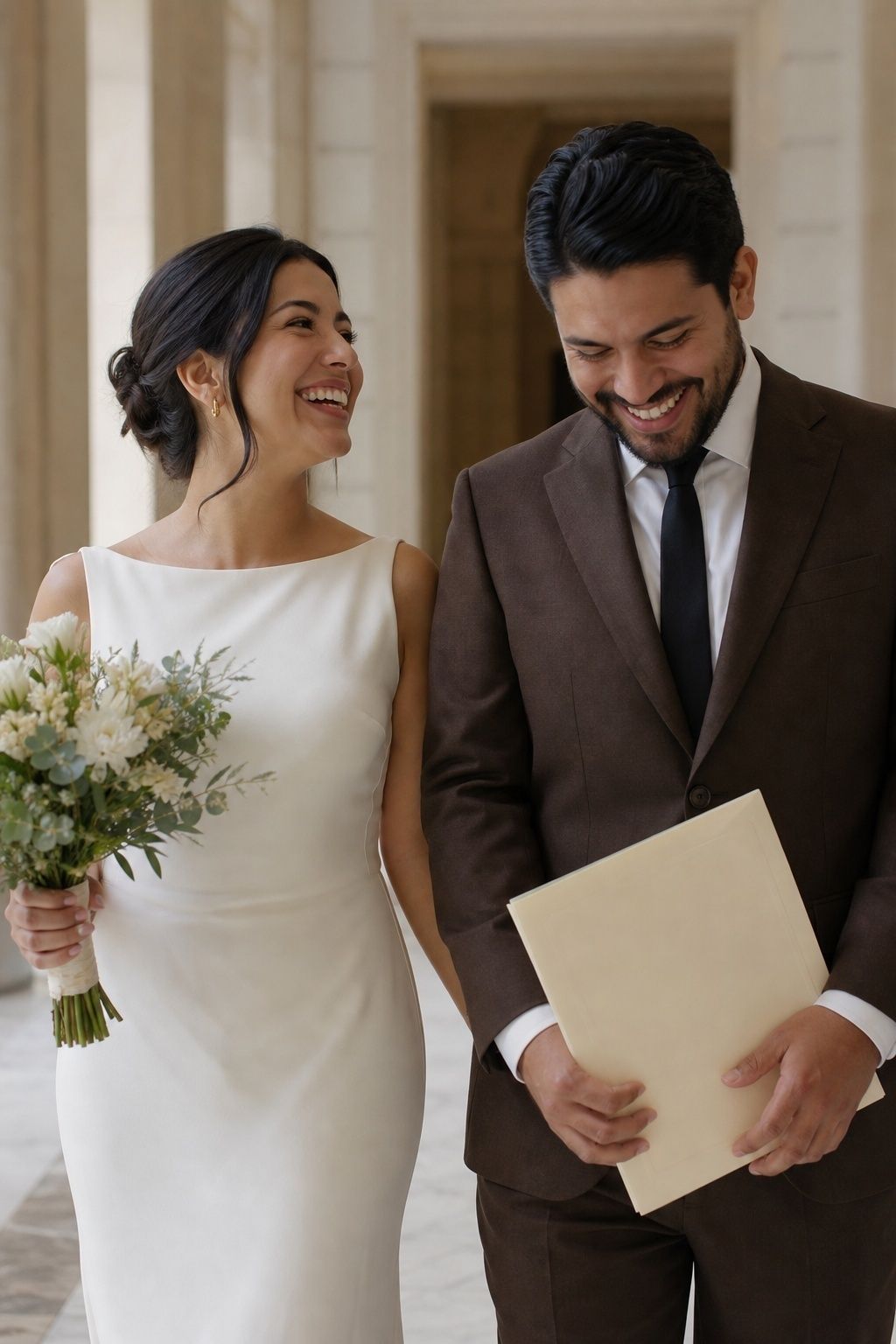
The first minute after the ceremony is often the most honest part of the gallery. Couples laugh, exhale, hug, look at the signed paper, or realize that the legal part is done. Ask the photographer to stay close enough to catch that shift before anyone starts rearranging bags.
This is also the right moment for guest reactions. A parent wiping tears, a friend clapping softly, or a witness leaning in for a hug gives the gallery intimacy without adding extra staging.
Use Confetti Only Where It Is Allowed
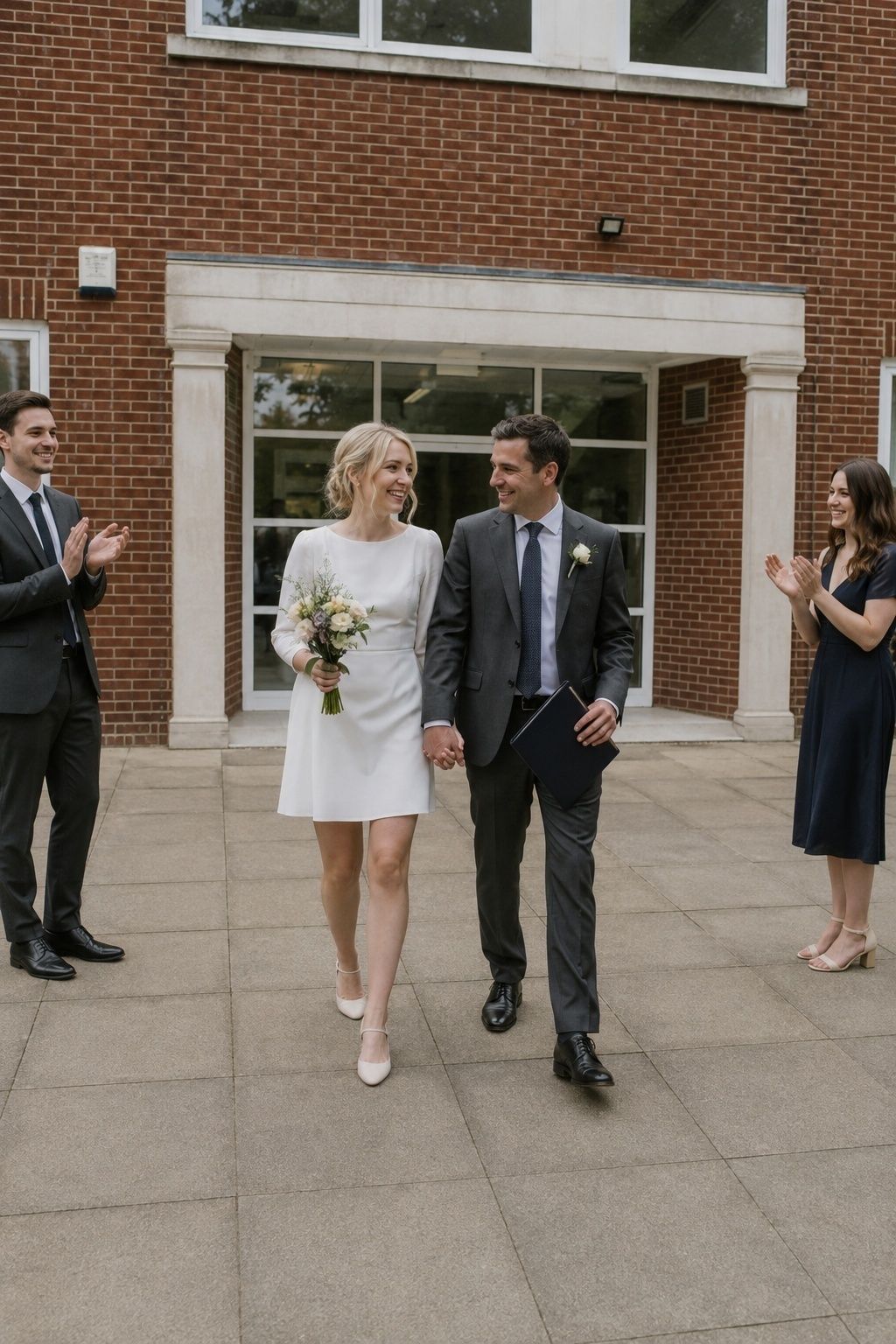
Confetti, petals, bubbles, ribbon wands, and a tiny champagne spray create a clear ending to the official portion of the day. Public buildings often restrict what gets thrown, so confirm the rule before buying anything for the exit.
If confetti is not allowed, create movement another way. Guests clap on the steps, raise glasses, walk behind the couple, toss petals later at a reserved lunch, or line a sidewalk for a simple exit photo.
Photograph the Celebration Afterward
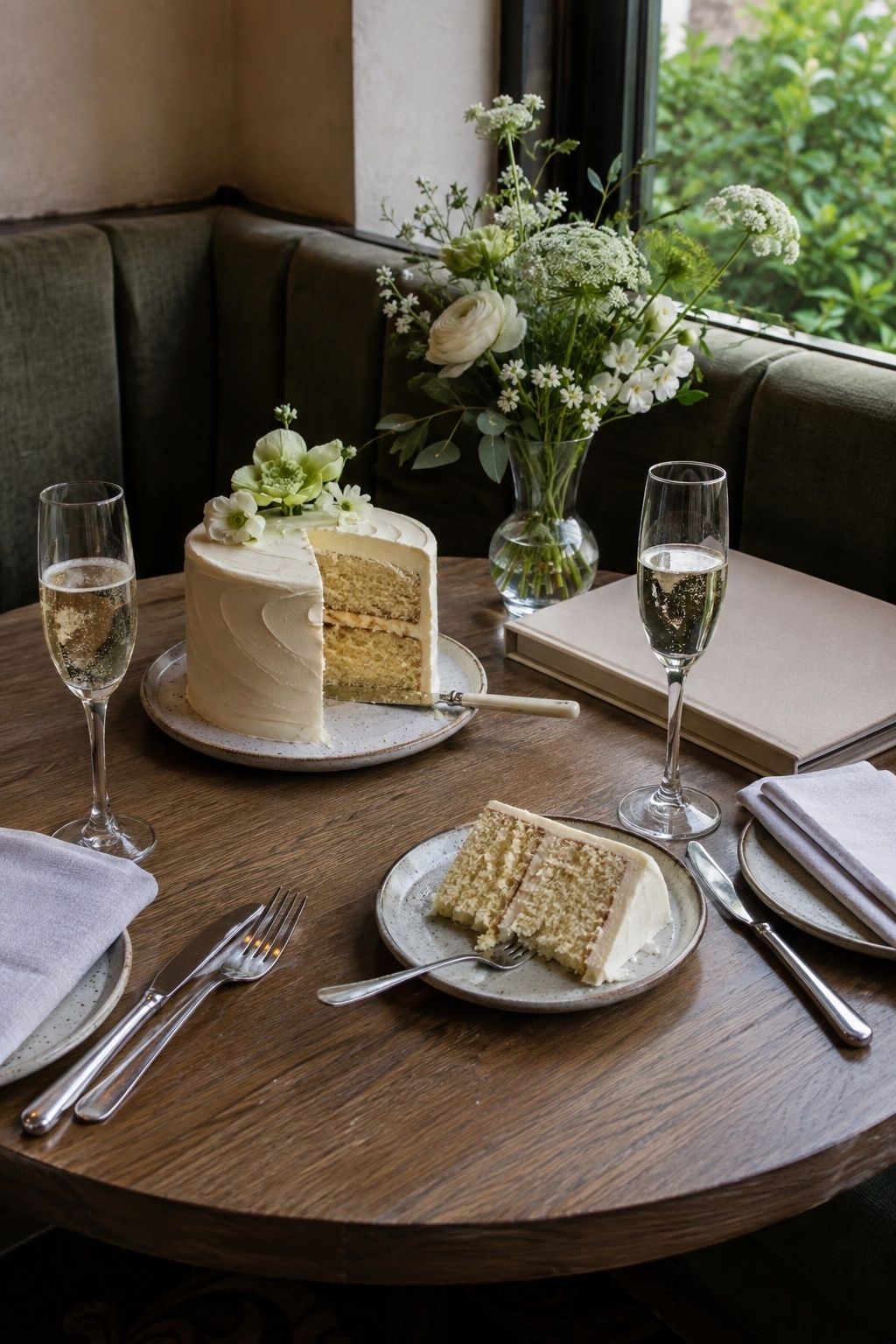
The after-ceremony celebration is where a small civil wedding begins to feel full. A restaurant booth, courthouse picnic, bakery stop, hotel bar, apartment toast, or reserved dining room gives the gallery warmth beyond the legal room.
Ask for the first pour, cake slice, menu, flowers on the table, guest hugs, and a few candid frames while everyone settles in. These images prove the day had an ending with flavor, sound, and closeness.
Photo Timeline Checks
A civil ceremony timeline feels strongest when the couple treats photography as a focused window rather than an all-day production. The appointment time is fixed, but the story around it has room for arrival, portraits, guests, and celebration if the route stays realistic.
| Coverage window | Best fit | Photo priorities |
|---|---|---|
| 45 minutes | Very small ceremony with no reception coverage | Arrival, ceremony, full group, a few couple portraits |
| 90 minutes | Small guest list and close portrait spots | Details, ceremony, groupings, city portraits, exit |
| 2 hours | Couple portraits plus a short celebration | Everything above, plus lunch arrival, toast, cake, or drinks |
| 3 hours | Relaxed civil wedding with guests and meal coverage | Getting ready detail, civic building logistics, portraits, full celebration arc |
Check travel time between the ceremony building and the celebration spot. If the restaurant is more than a short walk away, add buffer or skip one portrait location. A smaller route usually photographs better because nobody arrives tired or late.
Also check light. Morning appointments often mean quieter halls and clean steps. Midday ceremonies call for shade. Late afternoon appointments pair well with a post-ceremony walk, golden light, and dinner coverage close by.
FAQ
How Much Photography Coverage Fits a Civil Ceremony?
Many civil ceremonies fit well inside 90 minutes to two hours of coverage. That usually gives time for arrival, the ceremony, guest groupings, couple portraits, exterior photos, and a short celebration start. A very tiny ceremony fits into 45 minutes when the building and portrait spot are close.
What Photos Matter Most at a Civil Ceremony?
The most important civil ceremony photos are the building exterior, arrival, license or vow details, vows, ring exchange, kiss, signed document moment, witness reactions, full guest group, couple portraits, exit, and first celebration images afterward.
When Do Portraits Happen for a City Hall Ceremony?
Portraits usually feel strongest either before the appointment, while the building is calmer, or immediately afterward, while everyone still feels the ceremony emotion. If the venue gets crowded quickly, choose one interior portrait spot and one exterior spot instead of roaming the building.
How Do You Plan Group Photos for a Short Civil Ceremony?
Plan group photos by writing each combination in advance and keeping the list tight. Start with the full group, then witnesses, parents or closest relatives, and any essential friend portraits. Put mobility concerns first and ask one guest to gather people between frames.
Are Detail Photos Worth It for a Civil Ceremony?
Detail photos are worth it when they focus on real civil ceremony objects: rings, vows, license folder, bouquet, shoes, simple accessories, and the signed document moment. Keep them quick so they deepen the day instead of stealing time from people.
What Happens If the Venue Is Busy?
If the venue is busy, use a shorter portrait route, keep groupings organized, wait for brief gaps in foot traffic, and lean into the civic atmosphere. A skilled photographer still gets clean frames by using stairs, corners, doorways, exterior walls, and tighter compositions.
Final Thoughts
Civil ceremony photography ideas protect the smallness of the day instead of trying to make it look like something else. A focused plan gives weight to the legal words, signed papers, close guests, city architecture, quick emotions, and celebration afterward.
Keep the shot list short, confirm venue rules, choose close portrait spots, name the guest groupings, and leave room for the first married exhale.
Last update on 2026-10-05 / Affiliate links / Images from Amazon Product Advertising API