

How far in advance should you book a wedding venue? Most couples should book 12 to 18 months ahead for popular dates, peak-season Saturdays, and traditional venues. High-demand destinations or one specific dream date often need 18 to 24 months, while smaller guest counts, off-peak dates, restaurants, Fridays, Sundays, weekdays, new venues, and cancellations shorten the window.
Venue timing feels strangely emotional. You are not only choosing a room; you are choosing the date your families will circle, the size of the guest list, the meal everyone will gather around, and the rules every later vendor has to follow.
For a small celebration, the answer is gentler than a standard ballroom timeline suggests. You still want to move early enough to protect your best options, but private dining rooms, intimate inns, courthouse-adjacent dinners, off-season weekends, and venues with food and service already included give you more flexibility.
This guide will help you decide when to start, when to sign, and what to ask before a beautiful space becomes the decision that quietly shapes the whole wedding.

Recommended Wedding Products


![The Knot Ultimate Wedding Planner and Organizer, Revised and Updated [binder]: Worksheets, Checklists...](https://meadowandaisle.com/wp-content/plugins/aawp/public/image.php?url=YUhSMGNITTZMeTl0TG0xbFpHbGhMV0Z0WVhwdmJpNWpiMjB2YVcxaFoyVnpMMGt2TkRGdVFubEVSMVZCYzB3dVgxTk1NVFl3WHk1cWNHYz18MTc5MTE5NDA1OQ=)
You Might Also Like These Blog Posts
- How Far In Advance Should You Book Wedding Vendors Without Overbooking Your Life
- Costa Rica Wedding Venue Ideas for a Wildly Intimate Celebration
- Airbnb Wedding Venue Rules Before You Fall In Love
- How To Plan A Wedding In 18 Months Without Overthinking Every Detail
- Bali Wedding Venue Ideas for an Intimate Island Celebration
- Small Wedding Venue Checklist For The Tour Before The Yes
How Far In Advance Should You Book A Wedding Venue For A Small Celebration?
The safest planning answer is 12 to 18 months before the wedding. That gives you time to tour spaces, compare complete proposals, understand deposits, and book the vendors who depend on the date and location.
If you want a highly specific venue, a destination property, a holiday weekend, or a peak Saturday in a popular season, start closer to 18 to 24 months out. If you are planning a smaller wedding with flexible dates or venue styles, such as an Airbnb wedding venue, the right space often appears much later.
Standard Booking Window
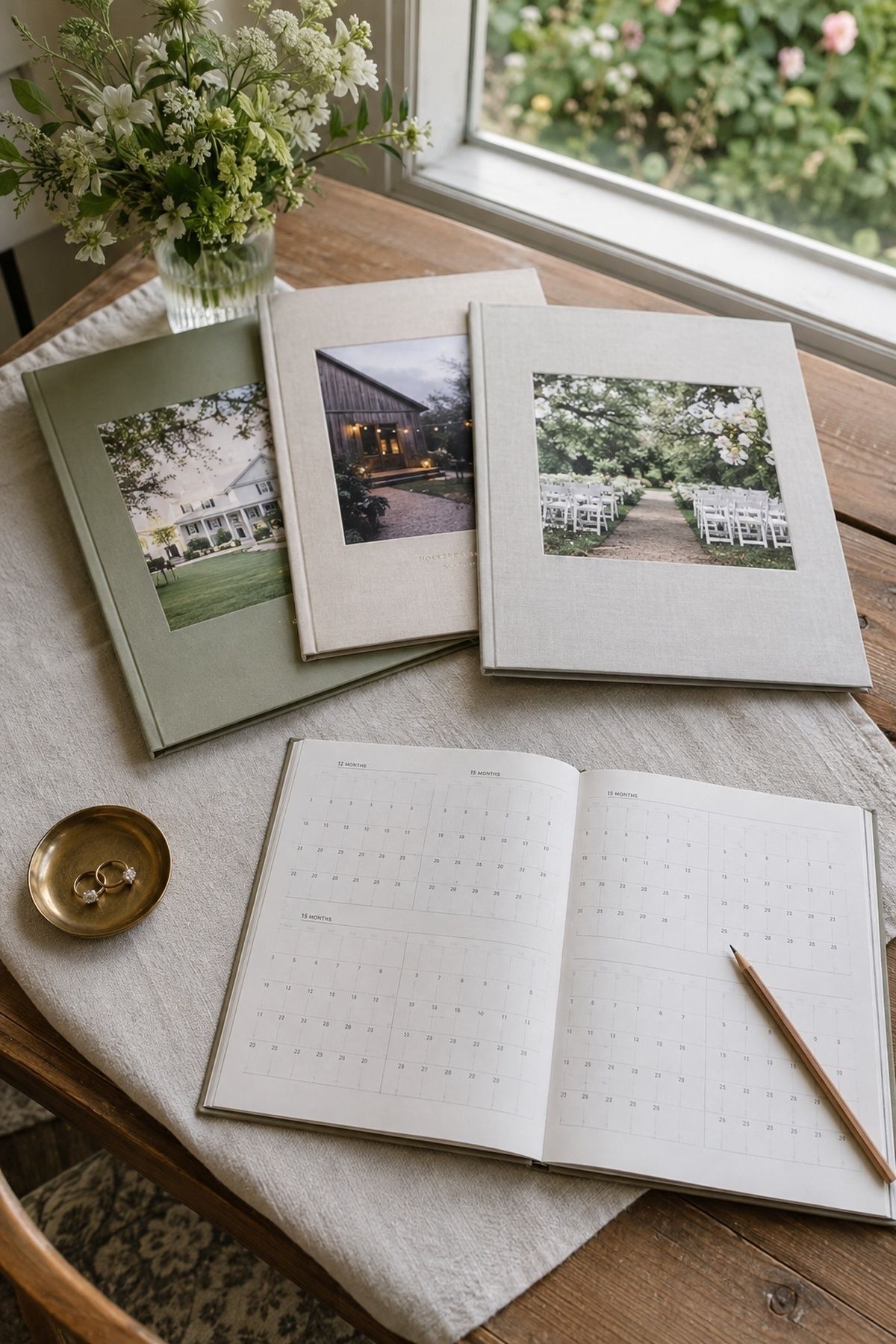
For most couples, the standard wedding venue booking timeline begins with research around 15 to 18 months out and a signed contract around 12 to 15 months out. That rhythm leaves enough room to compare what each venue actually includes, not just what the rental fee says.
Once the venue is booked, the date becomes real enough for the rest of the plan. Photography, catering, flowers, music, transportation, room blocks, stationery, and ceremony details all become easier to price once the place and access hours are known.
Before you book tours, settle the budget range, guest ceiling, season, and general location. Those first answers keep the venue search from becoming a beautiful detour.
When To Start Earlier
Start 18 to 24 months ahead if the venue is famous locally, the property accepts only a few weddings each month, guests will travel, or the date has personal meaning and needs to stay fixed. Popular barns, gardens, estates, museums, wineries, waterfront spaces, and destination venues often need this longer runway.
You should also start earlier if your wedding needs many separate pieces: a large guest list, tenting, rentals, transportation, hotel blocks, custom catering, ceremony and reception in separate places, or a full weekend of events. The venue decision creates a chain of availability behind it.
Keep those dependent bookings in proportion, especially when family travel and vendor availability matter as much as the room itself.
When A Shorter Window Can Work
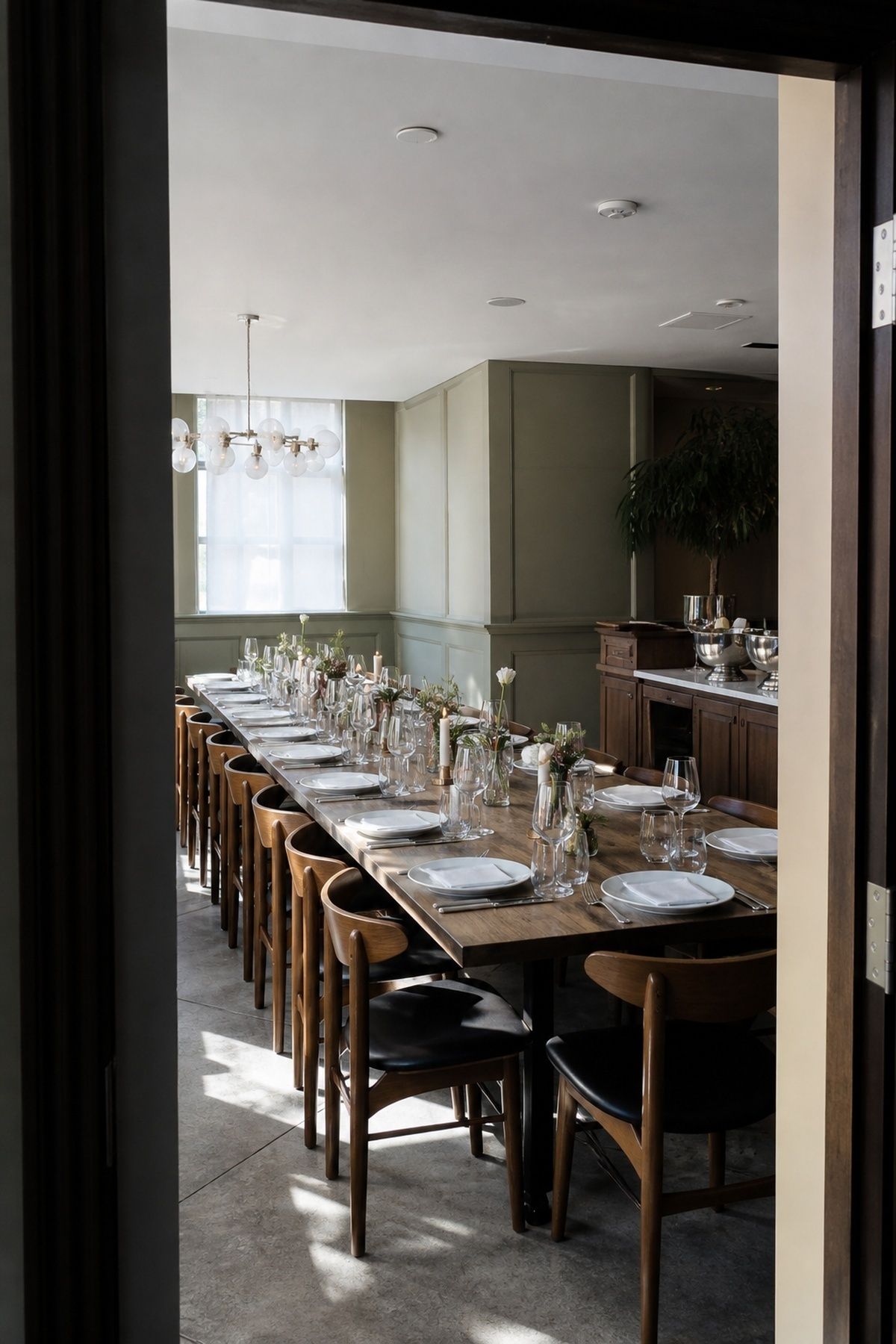
A shorter venue window works best when the wedding is smaller, the date is flexible, and the venue type already carries part of the planning load. Restaurants, private dining rooms, boutique hotels, courthouse-area dinner spaces, community rooms, and newer venues often have openings inside 3 to 9 months.
Fridays, Sundays, weekday evenings, brunch receptions, winter dates, and shoulder-season celebrations also open more doors. Cancellations sometimes create a last-minute opportunity, but treat them as a bonus rather than the whole strategy.
If the date is close, your month-by-month plan should hold the essential deadlines first: venue, food, legal ceremony, guest communication, attire, photography, and day-of ownership.
How Guest Count Changes The Timeline
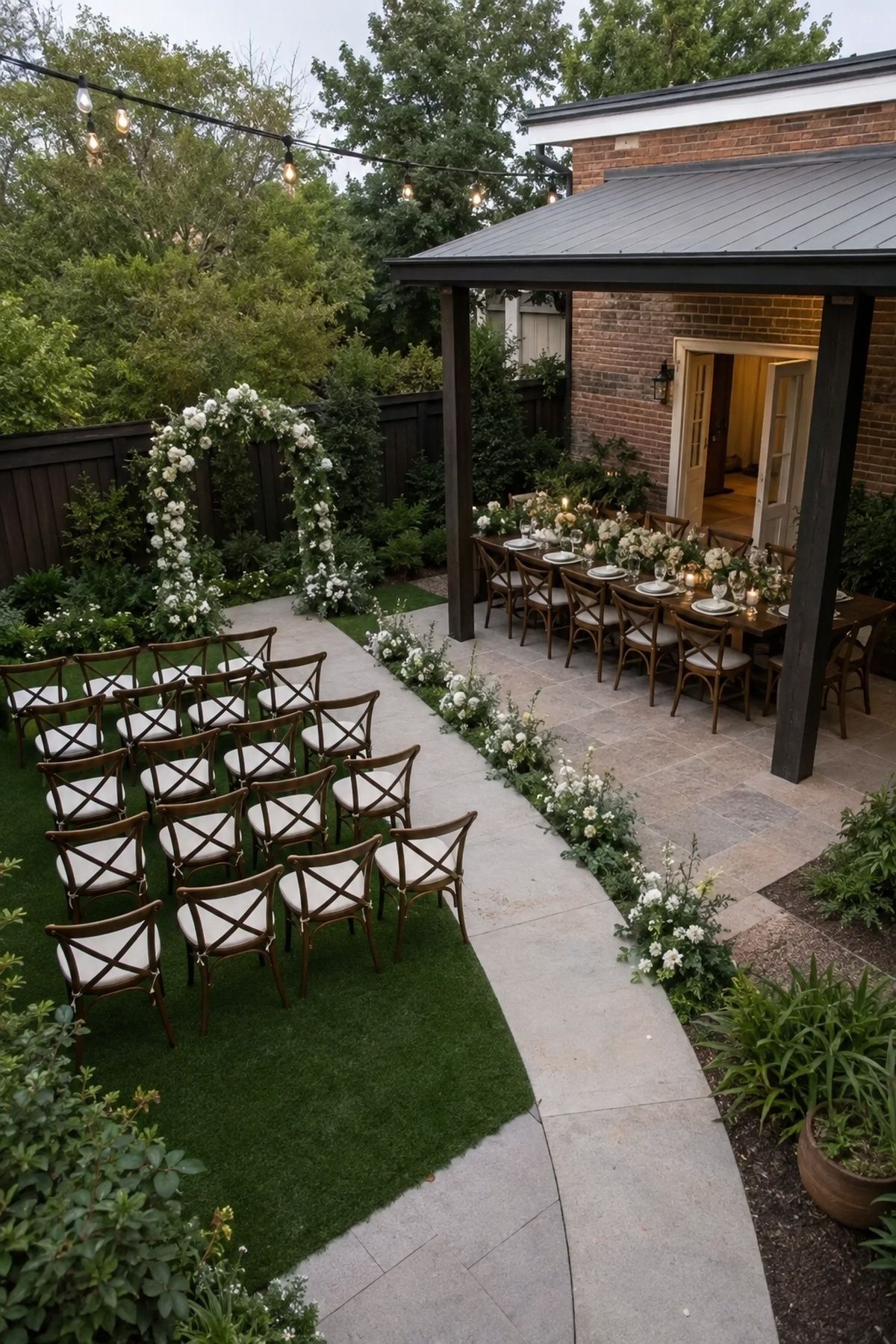
Guest count changes the venue search because it changes which spaces feel natural. A 25-person wedding fits in private dining rooms, garden patios, small inns, family homes, courthouse-adjacent restaurants, and ceremony rooms that would never work for 120 guests.
That smaller count shortens the timeline, but it does not erase the need for clarity. You still need privacy, bathrooms, accessibility, weather backup, food rules, parking, sound, and enough service so guests feel hosted rather than squeezed into whatever space happened to be open.
The budget should be checked at the same time as the room. A clear cost picture helps you spot when a low rental fee is hiding a high food minimum, staffing charge, or required rental list.
Why Small Wedding Venues Have Tradeoffs
Small wedding venues often feel wonderfully efficient, but they are not automatically simpler. A restaurant might include food, tables, staff, and cleanup, while also setting a private-event minimum, menu limit, end time, or room-flip rule. A tiny garden might feel romantic but still need a rain plan, chairs, restrooms, sound, and permission for amplified music.
Capacity matters emotionally as well as legally. A room that seats 60 might feel perfect with 38 guests, but hollow with 14. A private dining room that technically holds 30 might feel cramped once coats, a cake table, musicians, or a small ceremony setup enter the space.
For couples choosing a civil ceremony first, the reception search often starts with a courthouse celebration plan, then narrows toward a room where dinner feels intentional, not improvised.
What To Decide Before You Tour Venues
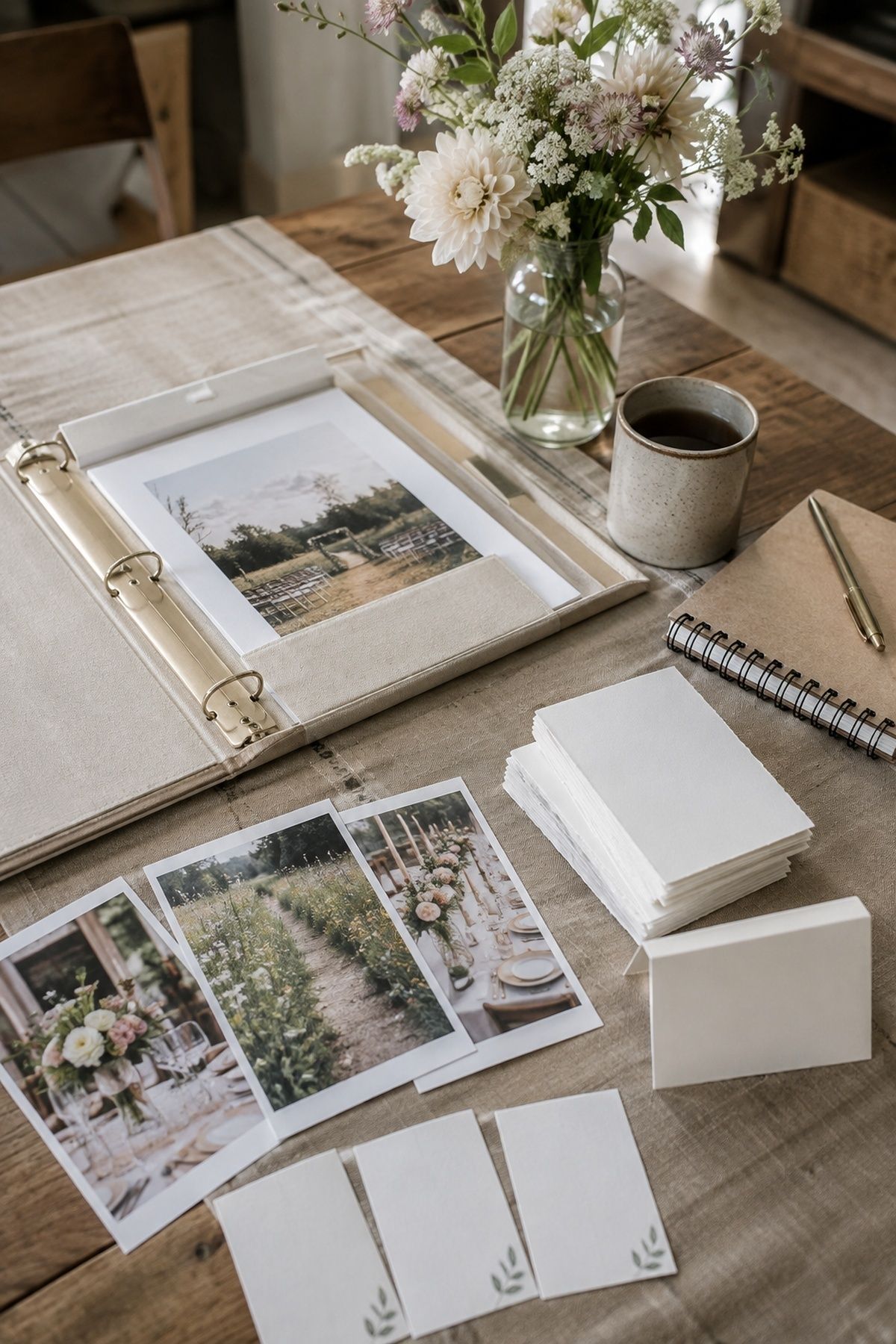
Before touring, decide your guest-count ceiling, budget range, ceremony style, meal style, date flexibility, and how private you want the celebration to feel. Those answers keep tours focused and make it easier to compare a polished package against a more flexible blank space.
Bring more than one date whenever possible. Ask each venue what months book first, which days remain more available, whether they host small weddings differently, and what guest count makes the room feel full without feeling crowded.
If you are planning dinner after a legal ceremony, a small party after the courthouse usually needs less traditional venue time but more attention to privacy, arrival flow, and the way the meal begins.
What To Ask Before Signing
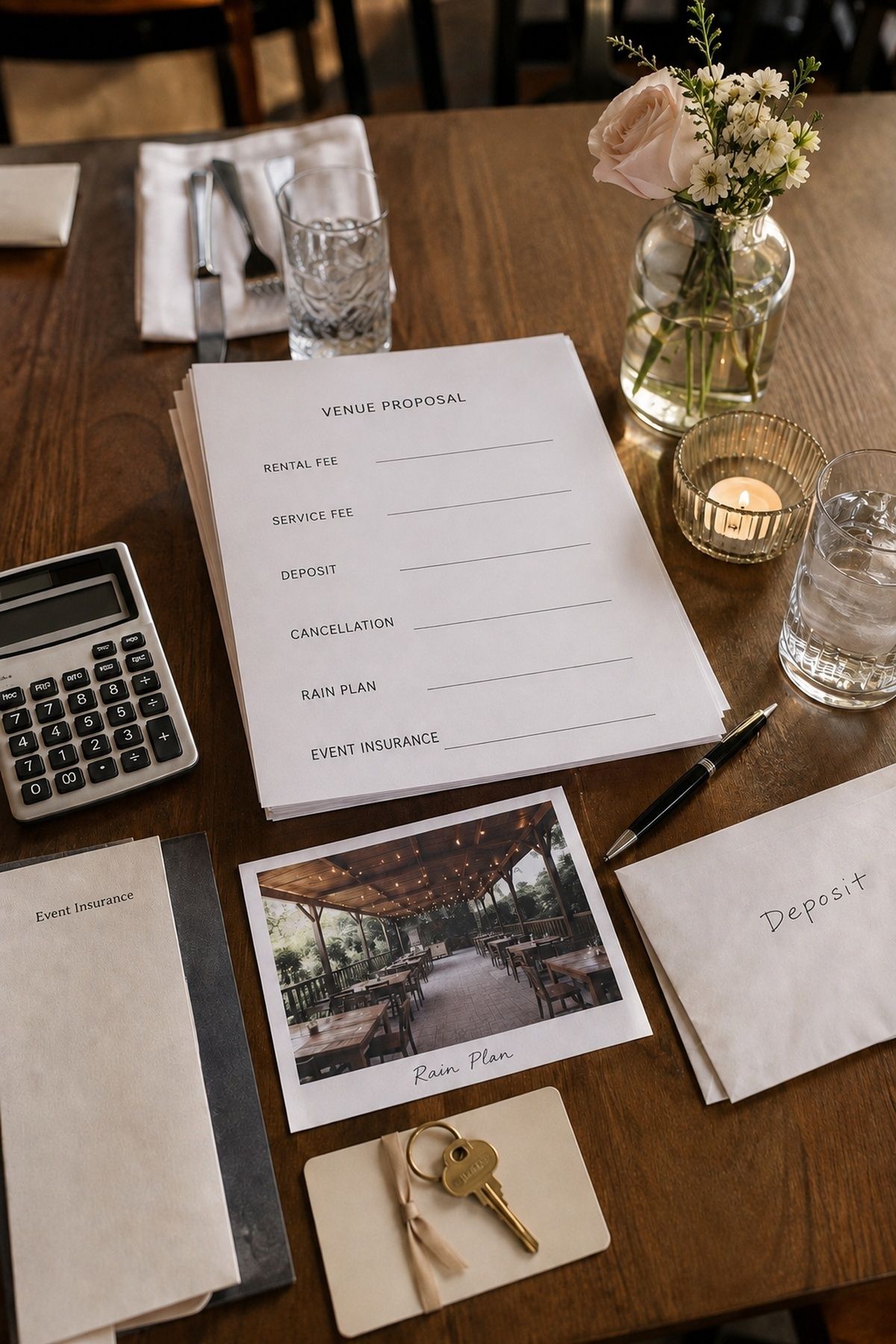
Before signing, ask for the full cost in writing: rental fee, food and beverage minimum, staffing, service charge, tax, rentals, security, cleanup, ceremony fee, overtime, insurance, deposits, and final payment dates. The complete number matters more than the first pretty quote.
Then ask about rules that affect the guest experience: private-event policies, noise limits, candle rules, outside vendor restrictions, menu choices, guest-count deadline, rain backup, accessibility, parking, load-in, decor removal, and who manages the room on the wedding day.
After the venue is held, vendor timing becomes the next layer because every quote now attaches to the same date and place.
What To Do If First-Choice Venue Is Booked
If your first-choice venue is booked, ask about Fridays, Sundays, weekdays, off-season months, brunch windows, shorter event blocks, and cancellation lists. Also ask whether a smaller guest count opens a different room, patio, private dining area, or ceremony space on the property.
If the venue still does not work, protect the feeling rather than chasing the exact address. Name what drew you in: garden privacy, candlelit dinner, waterfront ceremony, hotel convenience, historic character, or a room that felt right for your closest people. Then search for that quality in a more available format.
The replacement venue does not have to feel like a consolation prize. A smaller wedding becomes more personal when the room, meal, and guest list all fit each other honestly.
Venue Timing Examples For Small Weddings
For a 10-guest courthouse ceremony with dinner, 3 to 6 months is often enough if the legal appointment, restaurant reservation, and photography are handled quickly. For a 25-guest private dining wedding, 6 to 9 months often gives more menu and room options.
For a 40-guest garden venue, 9 to 15 months is safer because weather backup, rentals, ceremony layout, and staffing often need more coordination. For a 50-guest destination inn or estate, 15 to 24 months is wise when guests need travel notice and lodging.
These examples are not rules. They are a way to match the booking window to the number of people, the amount of infrastructure, and the flexibility you actually have.
FAQ
How Far In Advance Should You Book A Wedding Venue?
Book a wedding venue 12 to 18 months in advance for most weddings. Start 18 to 24 months out for high-demand venues, destinations, holiday weekends, peak Saturdays, or one specific date that needs to stay fixed.
Do Small Wedding Venues Need To Be Booked As Early?
Small wedding venues do not always need to be booked as early, but the best fit still matters. Restaurants, private rooms, weekday spaces, and off-season venues often stay available 3 to 9 months out, while beloved small venues in popular seasons book much earlier.
When Should You Book A Restaurant Wedding Venue?
Book a restaurant wedding venue about 6 to 12 months ahead when possible. For a private dining room, weekday dinner, brunch, or very small guest count, a shorter window works when the restaurant has clear private-event policies and confirmed food, service, timing, and minimum spend.
Is 6 Months Enough Time To Book A Wedding Venue?
Six months is enough time to book a wedding venue when the date, venue type, and guest count stay flexible. Focus on venues with existing infrastructure, such as restaurants, hotels, private rooms, courthouse-adjacent spaces, or inclusive small-wedding packages.
What Affects Wedding Venue Availability The Most?
Venue availability is shaped most by season, day of week, location, guest count, venue popularity, destination demand, holiday weekends, cancellation patterns, and how many weddings the venue hosts each year. Flexible dates usually create more options.
What Should You Ask Before Signing A Venue Contract?
Ask about the full price, deposit, payment schedule, cancellation terms, food and beverage minimums, guest-count deadlines, included rentals, private-event policies, outside vendor rules, access hours, rain backup, insurance, staffing, cleanup, and who will manage the venue on the wedding day.
Final Thoughts
How far in advance should you book a wedding venue depends on demand, flexibility, and the kind of celebration you are building. A 12- to 18-month window gives most couples the most breathing room, while 18 to 24 months protects high-demand dates and destination plans.
For a small celebration, the best venue is not always the one you find earliest. It is the space that fits your guest count, budget, meal, weather plan, and emotional tone without asking the rest of the wedding to bend around it. Before you place the deposit, tie the date to the contract terms, guest deadlines, vendor holds, and room rules.
Last update on 2026-10-03 / Affiliate links / Images from Amazon Product Advertising API