

Wedding family boundary mistakes happen when couples accept help without clarifying decision rights, let relatives vote on private choices, avoid guest-list limits, answer every opinion, or send one partner into every hard talk alone. A calmer plan names what is decided, what is flexible, who communicates with each family, and where loved ones have helpful roles without taking over the wedding.
Wedding family boundary mistakes rarely begin with one dramatic argument. More often, they build through tiny yeses, vague promises, extra guest requests, vendor opinions, and traditions nobody paused to define. By the time the couple feels overwhelmed, the wedding starts to feel like a committee project instead of a celebration they are choosing together.
For a small or intimate wedding, those pressures feel even larger because every added person, ritual, and expectation changes the room. The goal is not to push family away. It is to protect the guest count, ceremony tone, budget, and emotional energy so everyone arrives knowing where love is welcome and where decisions are already settled.

Recommended Wedding Products


You Might Also Like These Blog Posts
- Wedding Planning Mistakes That Quietly Make Everything Harder
- Wedding Photography Mistakes That Steal the Feeling From the Day
- Wedding Day Stress Mistakes That Keep You From Feeling Present
- How To Plan A Wedding Without Pleasing Everyone And Still Feel Kind
- How To Set Wedding Boundaries With Family Before Your Guest List Learns To Multiply
- Bridesmaid Mistakes That Strain The Friendships You Meant To Honor
Wedding Family Boundary Mistakes That Let Everyone Vote
The hardest family wedding planning mistakes often come from blurred authority. A parent suggests a table. A sibling questions the ceremony. A relative assumes a plus-one. Someone forwards a florist idea after the contract is signed. None of these moments has to be cruel to become exhausting.
Healthy wedding boundaries with parents and relatives work best when they are specific, kind, and tied to real limits: venue capacity, budget, timing, guest experience, privacy, and the couple’s shared priorities. Before you respond to the next request, decide whether the issue is a feeling to acknowledge, advice to consider, help to accept, or a choice reserved for the couple.
Accepting Money Before Talking About Decision Rights

Generous financial help is often beautiful, but parents paying for wedding boundaries should be discussed before deposits, invitations, or assumptions begin. If money arrives with unclear expectations, guest-list additions, vendor preferences, family traditions, or hosting language quietly become part of the deal even when nobody says that aloud.
Before accepting a contribution, ask what the gift is meant to cover and whether the giver expects decision input. Then decide as a couple what feels comfortable to accept. You might welcome help with the rehearsal dinner, attire, flowers, or a guest-list portion, while still keeping ceremony wording, vendor choices, and the final count with you.
A simple planning rule helps: every contribution needs a boundary attached before the money is spent. When budget pressure is part of the conversation, write the family contribution in plain numbers before expectations turn into invisible obligations.
Letting The Guest List Become A Family Free-For-All

Wedding guest list family pressure is one of the fastest ways an intimate wedding changes shape. A parent wants old friends. An aunt assumes cousins are included. Someone asks why a coworker made the list but a family acquaintance did not. If the couple has no standard, every conversation becomes a negotiation.
Set the guest count first, then divide any family allotments clearly. For a small wedding, use a personal-connection test: would this person be part of your life in a normal year, and would their presence change the emotional tone of the room in a way you want? That framing makes space, cost, and closeness easier to explain.
When requests keep coming, answer with the number instead of defending every name. After you lock the count, check late requests against a written standard before relatives treat the draft as open seating for their own circles.
Waiting Too Long To Address Parent Expectations
Many wedding family pressure mistakes get harder because the first conversation happens after someone has already imagined the outcome. Parents picture a ceremony passage, a receiving line, a formal meal, a larger rehearsal dinner, or a particular guest group. Silence often sounds like agreement to people who are excited and emotionally invested.
Talk early, while plans are still forming. Name the wedding size, the nonnegotiables, the flexible areas, and the kinds of input you genuinely want. A calm early conversation is usually easier than correcting invitations, undoing vendor messages, or explaining why a tradition was never actually promised.
Try language like: “We are keeping the ceremony very personal, and we will choose those elements together. We would love your thoughts on family photo groupings and welcome dinner ideas.” The boundary is clear, but the relationship still has a place to land.
Making One Partner Handle All The Hard Conversations
One of the most painful wedding family boundary mistakes is letting one partner become the permanent messenger, shield, or blame target. If one person always says no, their family might see the other partner as controlling, or the other family might miss that the decision is shared.
Decide the message together first. Then, when possible, each partner should speak to their own family. Keep the wording short: “We talked it through together, and this is what we have decided.” That sentence matters because it keeps the decision with the couple instead of turning the conversation into one person’s preference against everyone else’s feelings.
If a relative tries to split the answer by asking privately, repeat the shared decision and promise to respond after checking together. That habit protects trust inside the couple, which is the relationship the wedding is actually beginning.
Treating Every Opinion Like A Decision
Families have feelings without automatically having authority. A mother-in-law might dislike the colors. A parent might prefer a church ceremony. A sibling might think the dinner is too informal. Those opinions deserve basic respect, but they do not automatically become assignments, votes, or revisions.
Sort comments into categories. Hear feedback. Save practical information. Acknowledge emotional reactions. Actual wedding decisions require the couple’s yes. This distinction keeps you from redesigning the event every time someone expresses discomfort.
Keep a private list of what is already decided, what is open, and what is no longer up for discussion. If your bigger planning process feels too porous, reset the approval path before every opinion turns into another meeting.
Saying Yes To Keep The Peace Without Naming The Tradeoff
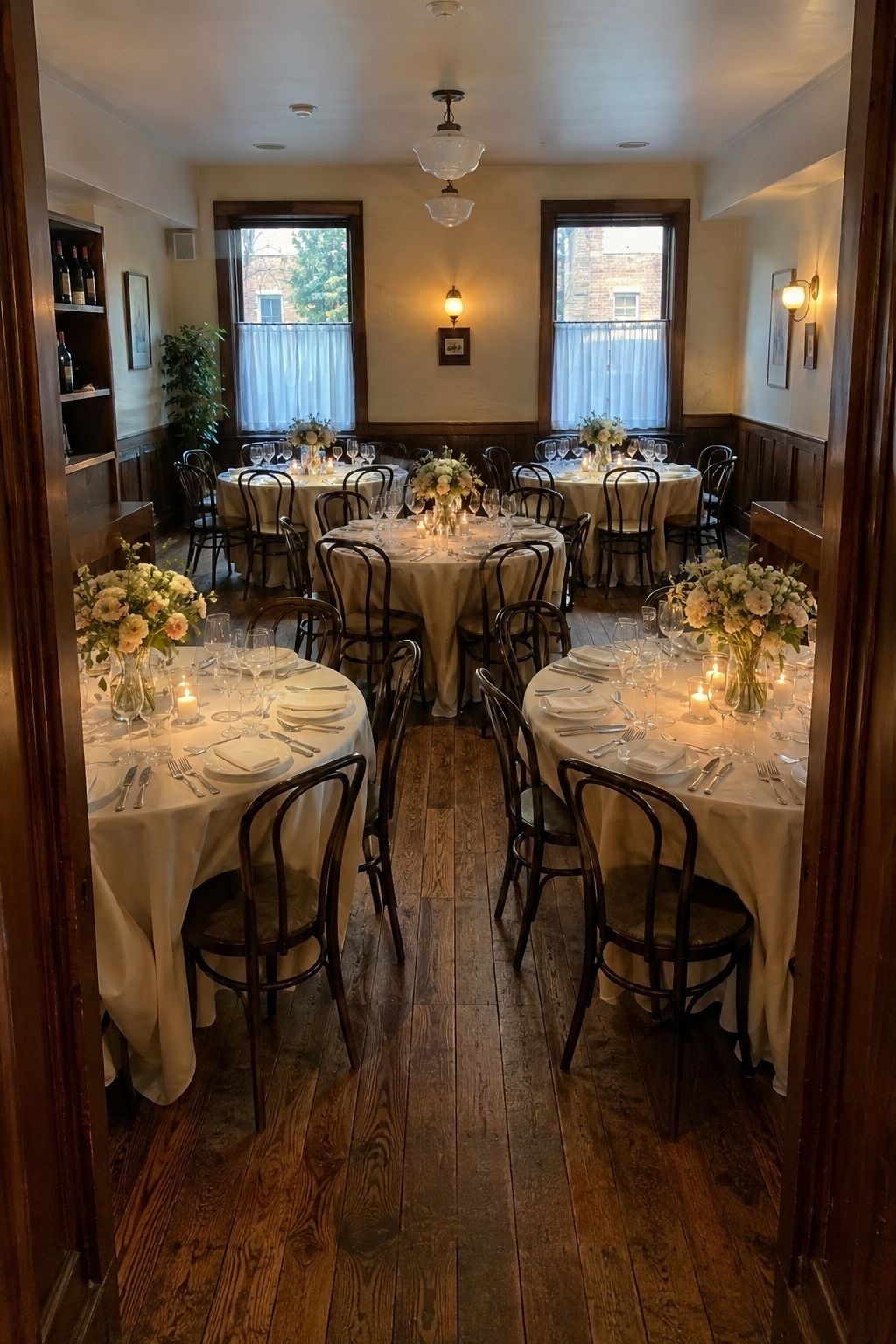
A yes often feels easier in the moment and heavier later. One extra table means more rentals, more centerpieces, more meals, and a different room layout. One added tradition changes the ceremony length. One extra getting-ready visitor changes privacy. One family-hosted event changes the couple’s energy before the wedding even begins.
Before answering, name the tradeoff out loud. “If we add ten more guests, we will need to cut something else or move to a different layout.” “If we add that ceremony element, we need to shorten another part.” This keeps the request connected to the real wedding instead of letting it float as a harmless wish.
For intimate weddings, this is especially important. Keep your best yeses visible by writing the nonnegotiables first, then checking family requests against the priorities you chose before the day drifts away from them.
Letting Relatives Contact Vendors Without Permission

Vendor access seems minor until a florist receives conflicting color instructions, the photographer gets a separate shot list, or the venue hears a timeline change from someone who is not authorized to approve it. Relatives contacting vendors without permission often confuse contracts, costs, timing, and accountability.
Create one communication lane. Tell vendors who approves changes, who asks logistical questions, and who should be redirected back to the couple or planner. If a family member is helping with a specific piece, define that piece clearly and put the couple’s final approval in writing.
This is not about mistrust. It is about keeping the wedding coherent. Vendors need one final answer, and the couple needs to know what has been promised before the invoice or timeline changes.
Giving Families No Meaningful Way To Help

Some controlling behavior grows from anxiety, but some of it grows from having no useful role. If family members hear only closed doors, they might keep pushing into decisions because they still want to feel included. Bounded help gives love somewhere practical to go.
Offer roles that matter without handing over the whole wedding. A relative might gather addresses, assemble welcome bags, organize heirloom details, help with family photo names, host a small meal, prepare a ceremony passage, or keep older guests comfortable. The role should have a beginning, an ending, and a clear owner.
For a small ceremony, family involvement is especially tender. Offer one ceremony passage, music moment, or processional detail after you have already narrowed the ceremony direction, so loved ones have a meaningful place without turning the entire ceremony into a family vote.
Using Harsh Scripts When A Kind Boundary Would Work
Not every boundary needs a courtroom tone. Many wedding boundaries with parents work better when the couple is brief, warm, and steady instead of defensive. Overexplaining invites debate. Harsh wording creates a wound where a simple limit would have been enough.
Use a three-part structure: appreciation, decision, invitation. “Thank you for caring so much about this. We have decided to keep the ceremony wording simple. We would love your help choosing a family photo list.” The sentence honors the relationship, states the limit, and offers a safe way to participate.
If a situation feels unsafe, abusive, or repeatedly high-conflict, a wedding script is not the whole answer. Consider support from a qualified professional, mediator, counselor, planner, or trusted safety resource before trying to manage the situation through wedding logistics alone.
Forgetting To Revisit Boundaries Before The Final Month

Boundaries set early sometimes loosen as the date gets closer. Final guest additions, speech surprises, getting-ready access, timeline changes, family photo expansions, vendor questions, and last-minute decor ideas often appear when everyone is emotional and the couple is tired.
Schedule a final family reset before the last month. Confirm who is invited, who speaks, who enters private spaces, who handles questions, and who has permission to contact vendors. Then share the essentials calmly, before wedding week urgency makes every request feel harder to answer.
As your countdown tightens, put operational details in writing before your family message goes out, so the answer stays short, kind, and consistent.
A Family Boundary Reset Before The Wedding
If the planning already feels crowded, pause for a reset instead of trying to answer every old thread separately. Start with the couple. What is fully decided? What is still flexible? Which requests are no longer possible because of space, money, timing, or emotional bandwidth? Which family members need a direct update?
Then communicate the reset in a small number of clear messages. “We are excited to celebrate with you. The guest list and ceremony choices are now final. We still welcome help with welcome bags, family photo names, and rehearsal dinner details.” This tells people where the door is closed and where connection remains open.
The best reset does not punish anyone for caring. It returns the wedding to the couple while keeping family love in a form the day is able to hold.
FAQ
How Do You Set Boundaries With Family During Wedding Planning?
Set boundaries by deciding privately as a couple first, then sharing clear limits with warmth. Explain what is decided, what is flexible, who should communicate with vendors, and where family help is welcome. Wedding family boundary mistakes become less likely when relatives hear the same message from both partners.
What Mistakes Cause Family Drama Before A Wedding?
Common family drama mistakes include accepting money without clarifying decision rights, leaving guest-list limits vague, letting one partner handle every hard talk, treating opinions like votes, allowing relatives to contact vendors, and saying yes without naming the cost, space, or timing tradeoff.
How Do You Handle Parents Who Want To Control The Wedding?
Start by acknowledging their care, then separate their feelings from the couple’s final decision. Give them specific areas where input is welcome, such as family photo groupings or a hosted meal, while keeping guest count, ceremony choices, vendor approvals, and budget decisions with the people getting married.
What If Family Is Paying For Part Of The Wedding?
Discuss the contribution before spending it. Ask what the money is intended to cover and whether any decision input is expected. If the expectations feel uncomfortable, adjust the gift, limit it to a specific category, or decline part of it so the wedding does not become controlled by unspoken strings.
How Do You Say No To Family Wedding Requests?
Say no with appreciation, a clear decision, and a practical reason when needed. For example, explain that the guest count, ceremony wording, or timeline is already final, then offer a different way to help. Keep the answer brief so it does not become an invitation to negotiate.
How Do Couples Avoid Pleasing Everyone While Planning A Wedding?
Couples avoid pleasing everyone by choosing shared priorities early, limiting who gets decision input, and checking every request against budget, space, timing, and emotional energy. A wedding honors family best when every relative is not treated as a planner, host, or final approver.
How Do You Protect A Small Wedding From Family Pressure?
Protect a small wedding by setting the maximum guest count first, using a personal-connection standard, limiting late additions, and explaining that each extra guest changes the room. Keep the tone warm, but do not turn an intimate celebration into a rolling family vote.
Final Thoughts
Wedding family boundary mistakes are not about loving people less. They are about protecting the celebration from becoming too crowded with unspoken expectations, emotional favors, and decisions that should have stayed with the couple.
As you finalize the family parts of the day, keep the guest list honest, the money conversations clear, the vendor lane simple, and the couple’s shared decisions visible, so relatives feel included without steering the wedding.
Last update on 2026-10-05 / Affiliate links / Images from Amazon Product Advertising API