

How to say no plus ones politely starts with a clear guest-list rule, named invitations, and one warm answer that does not turn every request into a debate. Decide who receives a guest before invitations go out, address envelopes and RSVP options to invited guests only, place brief clarification on the wedding website, and answer extra-guest requests privately with gratitude and firmness.
Few wedding planning conversations feel as awkward as telling someone they are invited alone. A plus-one decision touches budget, venue size, family politics, social comfort, and the fear of seeming unkind. Couples often worry that a single boundary will sound harsh, even when the wedding is small, the seating plan is tight, and every additional place changes the day.
The kinder path is not vague wording. It is a clear rule wrapped in gracious language. Guests usually receive a no plus one decision better when the invitation names exactly who is invited, the RSVP does not create space for extras, and the couple gives the same short answer each time someone asks. Below are practical no plus one wedding wording options for invitations, RSVP cards, wedding websites, family texts, and direct requests.
Recommended Wedding Products


You Might Also Like These Blog Posts
- How To Say No Kids At A Wedding Politely Without Making It Awkward
- No Plus One Wedding Boundaries That Still Feel Warm
- Small Wedding No Plus One Wording Lines That Stay Warm
- Small Wedding No Plus-One Website Wording For Named Guests
- Small Wedding Plus One Etiquette For A Gracious Guest List
- Small Wedding Website Wording For A Small Guest List
How To Say No Plus Ones Politely
How to say no plus ones politely is less about finding one perfect sentence and more about building a system that feels fair. A guest should not have to decode whether an unnamed date is invited. A parent should not receive a softer answer than a friend. A cousin should not hear that space is tight, then watch another cousin bring someone the couple barely knows. Wedding no plus one etiquette rests on consistency.
Start by separating a named partner from a true plus-one. A spouse, fiance, live-in partner, or long-term partner whom you are intentionally inviting is part of the guest list. A plus-one is an open extra guest chosen by the invitee. That difference matters because limited plus ones wedding planning gets messy when couples treat every partner, date, travel companion, and casual request as the same category.
The best no extra guests wedding wording is usually brief and practical. You do not need a public apology on the invitation. You need named envelopes, RSVP wording no plus one guests understand, and a wedding website line that confirms the event is plus one by invitation only. Then, if someone asks, you answer in a personal channel rather than turning the invitation suite into a lecture.
1. Set The Plus-One Rule Before Invitations Go Out
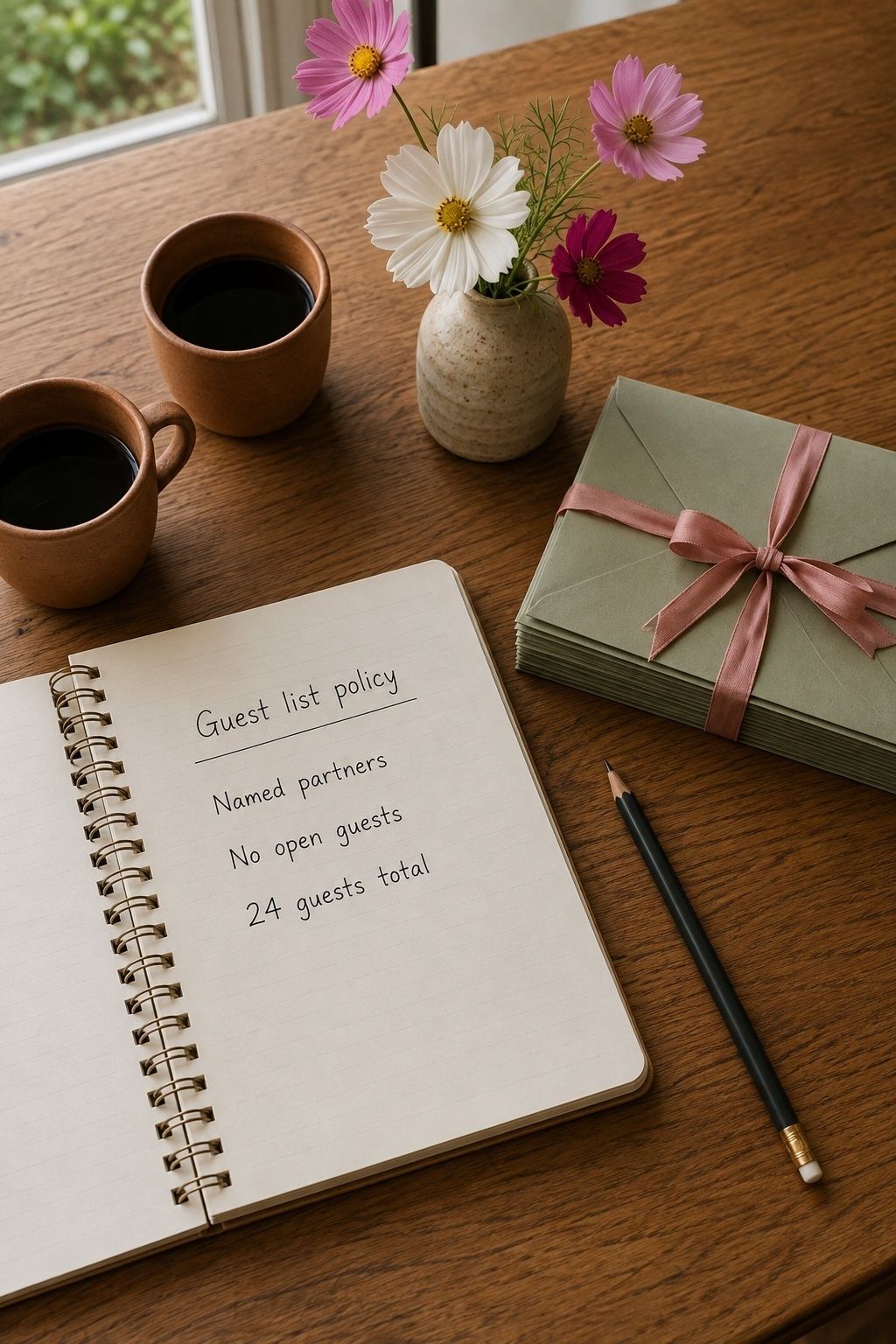
The first rule-setting section is simple: decide the policy before anyone receives paper or a digital invite. Wedding plus one rules often become painful when couples start with a loose idea, then answer each request according to guilt, family pressure, or how loudly someone asks. A rule gives the couple the same ground to stand on in every conversation.
Common structures include spouses and engaged partners, spouses and live-in partners, named long-term partners, wedding party members with guests, or no open plus-ones because the celebration is intentionally small. Choose the version that matches your budget, room capacity, table count, and emotional tone. The rule should be specific enough that both partners would make the same call without a new debate.
Write the rule in your private guest list planner before wording anything public. Add columns for invited guest, named partner, open guest, household count, meal count, and seating group. That small administrative step keeps the policy from drifting as RSVPs arrive. It also makes how to tell guests no plus ones much easier, because you are explaining a shared boundary rather than improvising a personal rejection.
Review the rule against the actual room before you finalize it. Count chairs, table shapes, vendor meal requirements, family tables, and any children included by name. A plus-one boundary that looks strict on paper often feels obvious once the room is mapped. If eight extra guests would require another table, another server, another shuttle run, or a different floor plan, the limit is not petty. It is part of how the event functions.
2. Decide Who Counts As A Named Partner
A named partner is not the same as an open guest. If you know someone is married, engaged, living with a partner, or in a committed relationship that is part of their daily life, invite that partner by name when space allows. This reads warmer than adding a vague guest line, and it respects the relationship without creating an open seat for anyone else.
For small wedding no plus one wording, this distinction is especially important. You could invite your friend’s spouse by name while still saying no to casual dates for single guests. That is not hypocrisy; it is a guest-list category. The key is to apply the category evenly across both sides, so no one feels singled out by a quiet exception.
If you do not know a partner’s name, ask before addressing the invitation. A named invitation feels more personal and prevents substitution later. It also gives your RSVP tracker the right meal count and spelling from the beginning, which matters when escort cards, seating charts, hotel shuttles, and plated meal selections enter the picture.
3. Use Named Invitations Instead Of Negative Invitation Wording
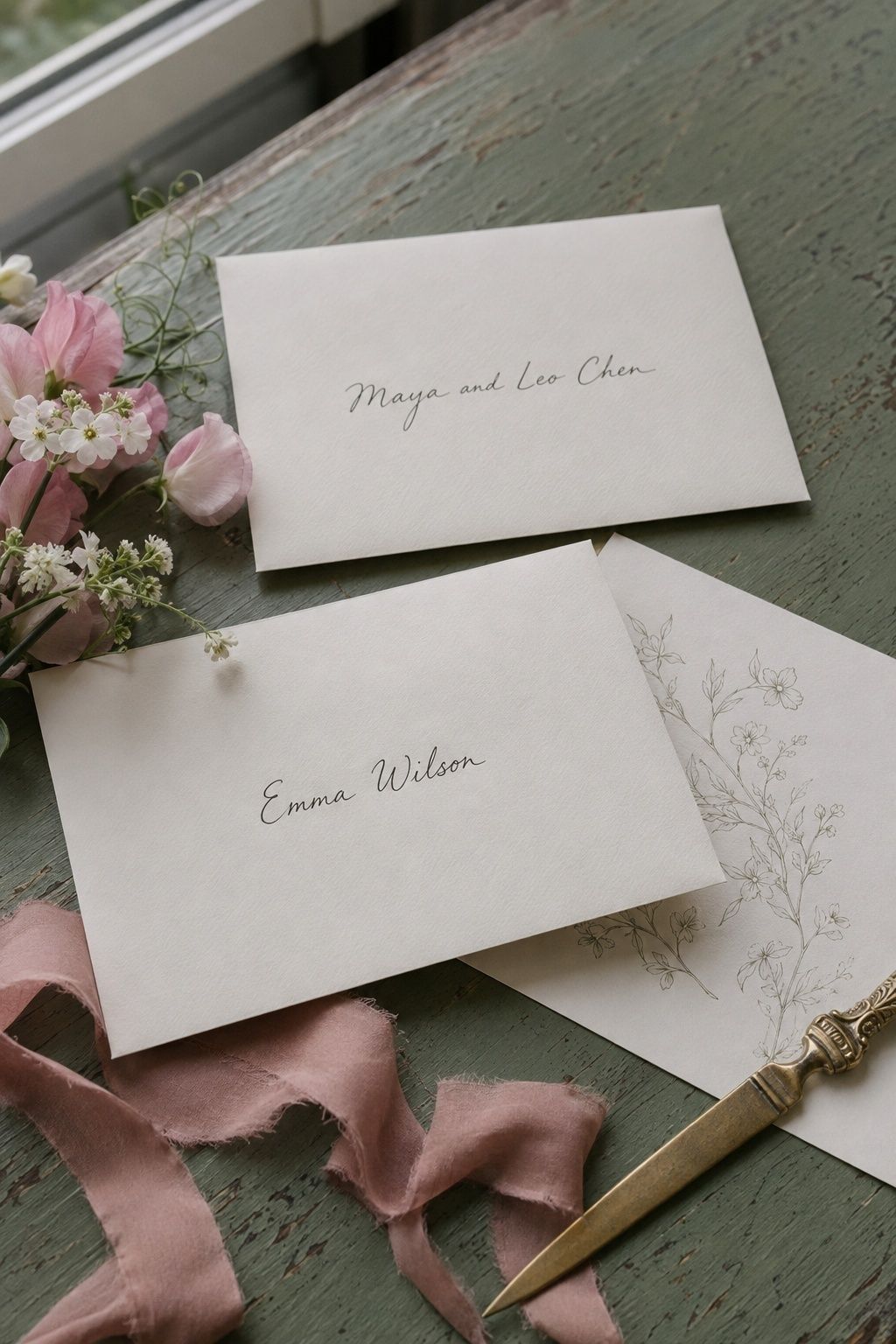
The invitation should show who is invited. It does not need to scold people who are not. The cleanest invited guests only wedding wording is usually the envelope itself: list the invited person or people by name. If only one guest is invited, only one name appears. If a couple is invited, both names appear. If a household is invited, the household members appear in a clear way.
Avoid blunt invitation lines such as no guests, no dates, no exceptions, or please do not bring anyone. Even when the boundary is valid, negative wording on the formal invitation sounds colder than necessary. Save direct explanations for the wedding website and private replies. The invitation stays gracious, while the RSVP system carries the practical limit.
When you do grant an open guest, write and guest in the correct place according to your stationery format. When you do not grant one, omit that wording. That quiet difference is standard enough for many guests to understand, and it gives you a firm answer if someone later says they were confused.
4. Keep The RSVP Count Locked To Invited Guests Only
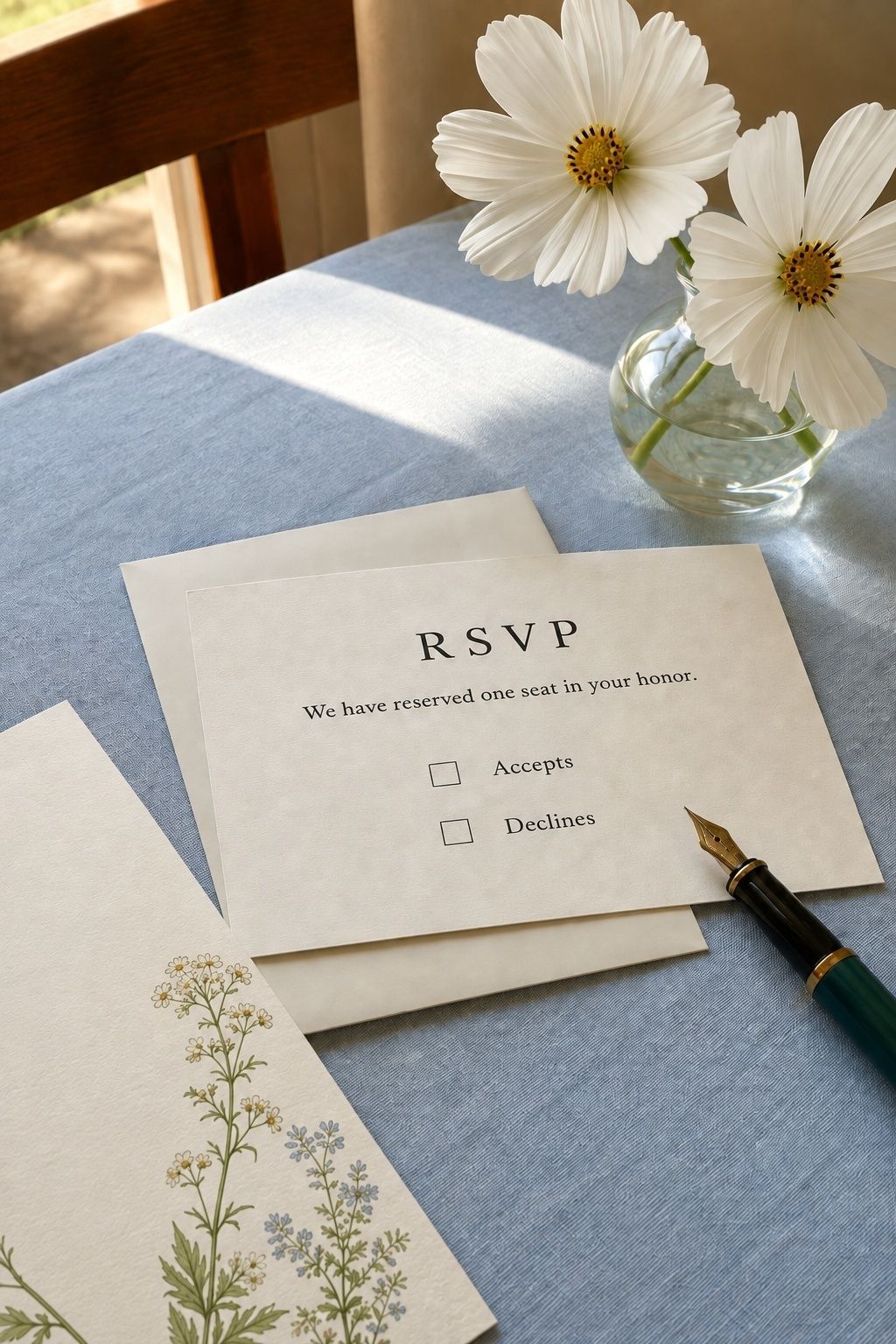
RSVP wording no plus one guests understand should remove blank space for surprise additions. A reply card that says two seats have been reserved for you sends a different signal than a card that says one seat has been reserved in your honor. Digital RSVP tools should show only the named invitees attached to that household, not an open field that invites extra names.
If you are using printed cards, phrase the reply around the invited guest count. For example, write the number of reserved seats before mailing, then give attendance choices for that invited count. If you are using an online RSVP, test the guest view before invitations go out. Make sure a guest invited alone has no path to add another name through a loose form field.
This is where practical etiquette protects emotional clarity. A guest who sees a locked RSVP has less room to assume a date is welcome. A couple who receives a write-in name has a record of the original invited count and gets the chance to respond quickly. The technology should reinforce the boundary rather than quietly undo it.
5. Make Exceptions Before The Rule Is Public
Exceptions are not automatically rude. Hidden, inconsistent exceptions are the problem. Before invitations go out, decide whether any guest needs a companion for travel, accessibility, caregiving, safety, or social comfort. A widowed grandparent, an older guest with a caregiver, or someone traveling internationally alone is a different situation from a casual extra date request.
When you make an exception, record it as part of the plan. Do not describe it publicly or compare guests against one another. The goal is not to prove that every guest has the same circumstances. The goal is to keep the rule humane while protecting the size of the event.
If a late relationship milestone changes things, review it as a couple. Engagement, marriage, a new baby, major travel logistics, or health needs deserve thoughtful attention. Still, every exception should pass one test: does it fit the wedding you are hosting, or are you trying to buy peace with one more seat?
6. Apply The Rule Across Relationship Groups
Consistency feels kinder than one-by-one judgment. Instead of choosing plus-ones according to which guest seems most likely to complain, apply the rule across relationship groups. You could give named partners to all immediate family, all wedding party members, all married or engaged guests, or all guests traveling from out of state. You could reserve open guests for no one.
Relationship groups give you language that does not sound personal. Say the celebration is limited to named invitees and established partners, or that the venue count only allows the people listed on each invitation. That answer is much easier to receive than, we did not choose to give you a guest.
This also lowers the risk of family comparison. If one cousin receives an open guest and another cousin does not, the reason should be clear inside the policy. If there is no clear category, reconsider the exception. A small wedding loses calm quickly when the seating chart becomes a social ranking.
7. Put The Boundary On The Wedding Website FAQ
No plus ones wedding website wording works best in a short FAQ, not as a dramatic announcement across the home page. The website is the right place for logistical clarity: ceremony time, dress code, travel details, RSVP deadline, and guest-count rules. Place the plus-one answer close to the RSVP information so guests see it while responding.
Keep the wording warm and brief: Due to our intimate venue and guest count, we are celebrating with the named guests on each invitation. Thank you for understanding. Another option is: Our celebration is by invitation only, and the RSVP reflects each invited guest in your party. Both versions make the boundary clear without turning the website into a defense.
A website FAQ is especially useful for limited plus ones wedding plans because relatives often share links with guests who missed a detail. It gives everyone one consistent answer. It also lets you keep the printed invitation elegant while still giving practical clarity before the RSVP deadline.
8. Address Family Questions In A Direct Text Or Call
Family questions often carry more emotion than logistics. A parent could worry that relatives will judge the decision. A sibling could assume their new partner is included. A cousin could feel embarrassed about attending alone. When the relationship is close, a direct text or call usually feels better than waiting for them to discover the boundary through the RSVP page.
Keep the message calm: We are keeping the wedding to named invitees because of the room size, and we wanted you to hear that from us. We are really glad you will be there. That kind of private wording does two things at once. It names the rule, and it reassures the person that the invitation still matters.
Do not assign this conversation to the relative who is most anxious unless they will hold the line. If parents are sharing details, give them the exact answer to repeat. A family messenger who adds, I am sure they will make room, creates a second problem you will have to repair later.
9. Use Email For Guest-List Clarifications That Need Detail
Email works well when the guest needs practical information, such as travel, hotel rooms, childcare, or the RSVP portal. It gives the person a written answer without putting every feeling into a live phone call. It also creates a cleaner record of the invited guest count if there has already been confusion.
Use a subject line connected to the RSVP, then keep the message short. Thank them for reaching out, confirm that the invitation is for the named guest or named household, and point them back to the RSVP deadline. If you include a reason, choose one reason only: venue capacity, intimate guest count, or named invitees. More reasons invite more rebuttals.
Email is not ideal for someone who is already hurt and very close to you. In that case, a call is more respectful. But for a friend asking whether the online RSVP missed a guest field, email gives clear no plus one wedding wording without adding emotional heat.
10. Let The RSVP Page Do Quiet Work
The RSVP page should match the invitation. If someone is invited alone, the page should show only that person’s name. If a named partner is invited, both names should appear. If an open guest is allowed, the form should ask for the guest’s name and meal choice. The clearer the form, the fewer awkward messages you receive later.
Write the page around attendance, not permission. A simple line such as please RSVP for each guest listed here keeps the tone softer than a warning about extra people. If your platform includes a guest count field, lock it. If it includes an open comment field, review responses promptly so a write-in guest does not sit unnoticed until seating is final.
This matters because the RSVP is where assumptions become numbers. Catering, chairs, transportation, favors, place cards, and table shapes all depend on confirmed names. A quiet technical setting now saves a much more uncomfortable correction two weeks before the wedding.
11. Save Social Announcements For General Details
Social posts are not the place to tell guests that dates are not included. A broad post about no extra guests often sounds defensive, and people who were never confused will wonder what conflict they missed. Keep social announcements for general information, such as the RSVP deadline, travel reminders, or a link to the wedding website.
If guests are repeatedly missing the boundary, update the website FAQ and send direct messages to the households involved. That approach is quieter and more respectful. It also prevents the boundary from becoming public drama among people who do not need to weigh in.
Social channels move fast, and wedding boundaries deserve more care than a caption. The goal is to reduce confusion, not recruit an audience for the decision. Keep the guest-list rule in channels where guests are already handling wedding logistics.
12. Sound Grateful Before You Sound Firm
Tone matters because the answer is disappointing to some guests. Start with gratitude before the boundary: We are so glad you want to celebrate with us. Then state the limit: we are keeping the guest count to the names on each invitation. End with warmth: we hope you will still be able to come. The order keeps the message human.
Do not over-soften the sentence until it becomes unclear. Phrases like we are not sure yet, we will see, or maybe later often create false hope. A warm no is kinder than a blurry answer that forces the guest to ask again. Firmness is not cold when it is paired with respect.
This is the heart of how to decline plus one request wedding conversations. You are allowed to care about the guest’s feelings without changing the answer. Gratitude says the relationship matters. The boundary says the wedding has a real limit.
13. Keep The Reason Short And True
Choose one reason that is true and repeatable. Venue capacity, intimate guest count, budget, family-only ceremony, or named invitees only are all understandable. You do not need to reveal the catering cost, the full seating chart, or which relatives already used the extra spaces. Too much detail turns the answer into a negotiation.
A strong sentence sounds like this: Because of our intimate guest count, we are only able to include the people named on each invitation. It is clear, brief, and not personal. It does not blame the venue, shame the guest, or suggest that a better argument could change the answer.
If the reason is budget, keep it graceful. Say you are keeping the celebration small and carefully planned rather than listing prices. Guests do not need a line-item explanation to respect a boundary. They need to know whether their extra guest is invited.
14. Avoid Apologies That Make The Boundary Sound Wrong
An apology is sometimes kind, but repeated apologies make a reasonable decision sound like a mistake. If every sentence starts with I am so sorry, the guest hears that the boundary is fragile. Use one soft regret if needed, then move into clarity. We wish we had room for everyone, but our guest count is limited to named invitees.
Avoid language that places the guest in charge of forgiving you. Please do not be mad, I hope this is okay, or I feel terrible invites the other person to manage your discomfort. It also shifts the conversation away from the practical answer. Stay gentle without asking the guest to comfort you.
The most polished tone is calm, not guilty. It treats the wedding plan as intentional and the guest as respected. That balance is what keeps no plus ones wedding website wording and private replies from sounding chilly.
15. Do Not Blame One Partner Or One Parent
Never make one person the villain of the plus-one rule. Saying my fiance said no, my mom is being strict, or the venue manager will not let us creates resentment in the wrong direction. It also tells the guest that another decision maker could override the answer.
Use we language instead. We are keeping the wedding to named guests. We decided on an intimate count. We are applying the same RSVP structure to everyone. Shared language signals that the couple has made a final decision together.
This is especially important when parents are paying for part of the wedding. Even if a parent is involved in the limit, the public answer should still come from the hosting plan. Blame creates side conversations. Shared ownership closes the loop.
16. Keep The Door Closed Without Sounding Punitive
Some couples worry that a firm answer sounds mean, so they add a dangling possibility: if seats open up, maybe we will add guests. Only say that if you truly plan to revisit the list. Otherwise, it creates a waiting list dynamic that feels worse than a clear no.
A closed door still sounds warm with the right shape. Try: We are keeping the guest count to the people named on each invitation, and we are excited to celebrate with you. That sentence does not punish the guest for asking. It simply returns to the plan.
If you do plan to open seats after declines, create a private order before mentioning it. Decide whether named partners come first, travel companions come next, or wedding party guests come first. Do not promise an update to everyone. A vague maybe is not a kindness when people are arranging travel.
17. Correct A Write-In Guest Quickly
A write-in guest on an RSVP card needs a prompt private response. Do not wait and hope the guest understands later. The longer the extra name sits unaddressed, the more awkward the correction becomes. Contact the guest as soon as you see it.
Use a direct script: Thank you for sending your RSVP. We wanted to clarify that the invitation is for you only because our guest count is limited to named invitees. We are looking forward to celebrating with you. This keeps the issue factual and avoids embarrassment.
If the guest replies with disappointment, acknowledge it without changing the count. Say you understand, repeat the limit, and give them space to decide whether attending alone still works. A clean correction now protects the seating chart and the relationship better than a last-minute confrontation.
18. Answer A Direct Plus-One Request With One Script
When someone asks directly, resist the urge to invent a custom explanation. Use one script that fits most situations: We are so happy you asked instead of assuming. Because of our intimate guest count, we are only able to include the names listed on each invitation. We would love to celebrate with you if you are comfortable attending solo.
That script does several things. It thanks the guest for asking, confirms the no, explains the reason, and leaves attendance in the guest’s hands. It also avoids arguing about whether the extra person is nice, serious, available, or easy to fit at a table.
Keep this answer in your phone so both partners use similar wording. How to tell guests no plus ones becomes much less stressful when you are not composing a new message while anxious. A prepared response also prevents accidental promises such as let me check, when there is nothing to check.
19. Handle Parent Pressure As A Guest-Count Issue
Parent pressure often sounds like etiquette, but underneath it is usually fear: fear of looking rude, fear of family gossip, fear that someone will blame them. Treat the conversation as a guest-count issue, not a moral argument. The line is about seats, meals, and the event style you chose.
Give parents the exact wording to use with relatives: The couple is keeping the wedding to named invitees because the venue is intimate. The RSVP will show who is included. Then ask them to send any difficult requests back to you instead of negotiating on your behalf.
If a parent wants to pay for extra guests, pause before accepting. More money does not always solve room flow, emotional scale, or fairness across families. Decide whether the wedding still feels like your wedding with those additions. If the answer is no, the boundary stays.
20. Respond To Travel Concerns With Care
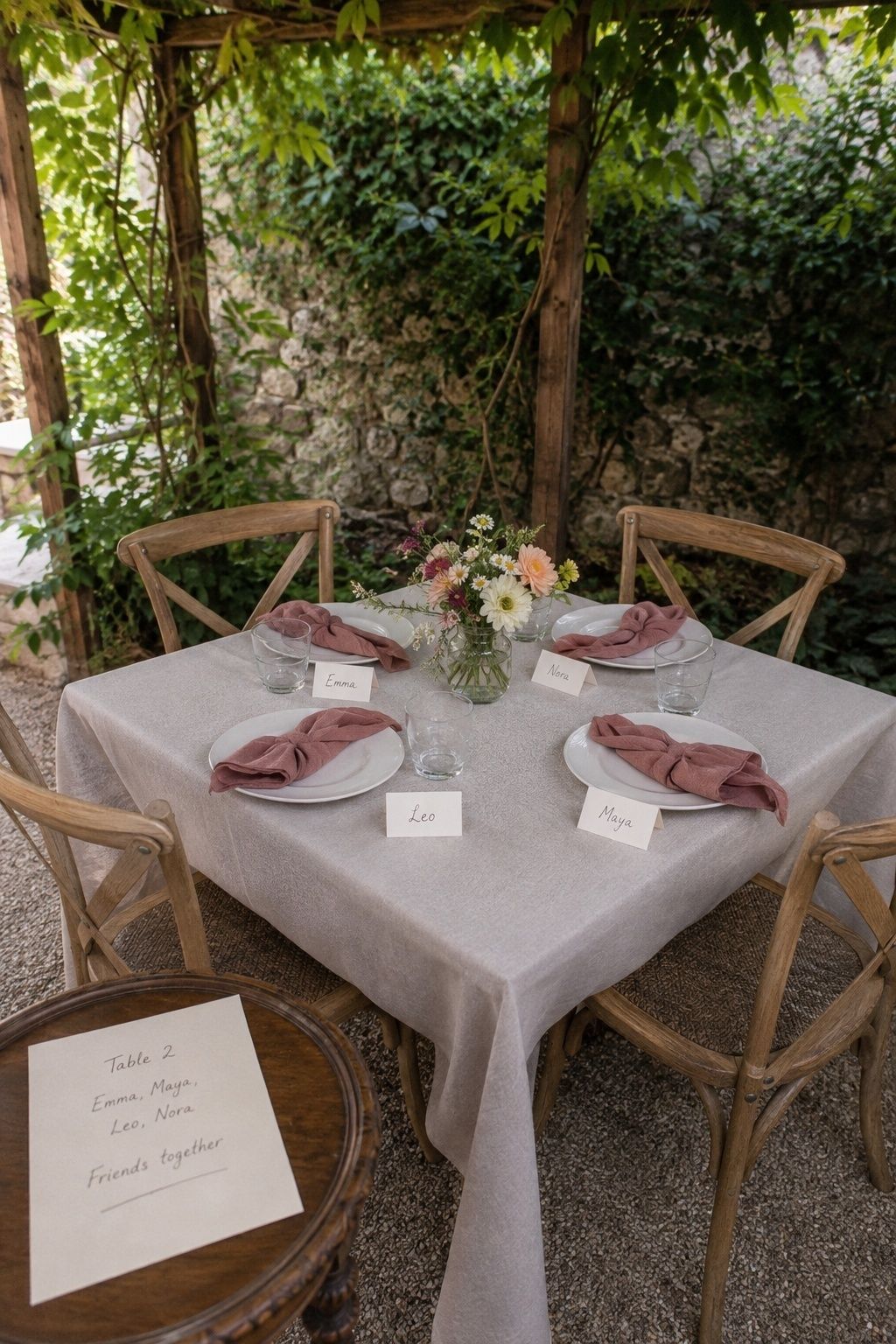
Travel is one of the few plus-one topics that deserves extra sensitivity. A guest flying alone, driving a long distance, or entering a room where they know almost no one could feel genuinely uncomfortable. That does not automatically mean you need to add a guest, but it does mean the reply should not sound dismissive.
Acknowledge the logistics first: We understand that traveling solo takes effort, and we are grateful you are considering the trip. Then return to the rule: our guest count is still limited to the people named on the invitation. After that, offer practical comfort if available, such as connecting them with mutual friends, sharing the hotel block, or seating them with people they will enjoy.
If the trip no longer works for them, receive the decline kindly. A guest is allowed to decide that attending alone is too much. A polite no plus-one answer should leave room for that decision without guilt.
For destination weddings, this conversation deserves extra timing. Tell solo travelers early enough that they are not booking flights under a wrong assumption. Seat them with people they already know when possible, invite them into a welcome drink or brunch if your schedule includes one, and avoid making them feel as if their discomfort is silly. The answer remains the answer, but hospitality still shapes how the answer lands.
21. Do Not Reward The Loudest Pushback
The hardest request is the one that becomes emotional, repeated, or public. Someone could say everyone else gets a date, they will not know anyone, or they are hurt by the decision. Stay calm and do not reward the loudest pushback with the first exception. That teaches everyone else that pressure works.
Use a broken-record answer: We understand this is disappointing. The invitation is still limited to the named guests because of our guest count. We would love to have you there, and we understand if attending solo does not work for you. This gives empathy without opening a debate.
If the person keeps pushing, stop explaining. Repeating the same answer is more respectful than escalating into frustration. The wedding day should not be redesigned around the most forceful complaint. Protecting a boundary calmly is part of hosting well.
If a guest threatens not to attend, resist the urge to bargain in the moment. Say you would be sad to miss them and that you understand if the invitation no longer works for their plans. That response keeps the relationship dignified without trading the guest-list rule for one person’s approval. A wedding invitation is generous, but it is still an invitation with a defined count.
FAQ
How do you say no plus ones politely?
Say no plus ones politely by thanking the guest, naming the limit, and keeping the answer short. A good response is: We are so glad you want to celebrate with us. Because of our intimate guest count, we are only able to include the people named on each invitation. We hope you will still be able to join us.
What is polite no plus one wedding wording?
Polite no plus one wedding wording focuses on named guests instead of rejected guests. Use: Our celebration is by invitation only, and the RSVP reflects each invited guest in your party. For a warmer version, write: Due to our intimate venue, we are celebrating with the guests named on each invitation.
Should you write no plus ones on the invitation?
It is usually better to avoid writing no plus ones on the formal invitation. Address the invitation only to the invited guest or named household, then use the RSVP card or wedding website FAQ for the practical limit. Direct questions should be answered privately.
How do you handle guests who ask for a plus one?
Handle plus-one requests with one consistent script. Thank them for asking, explain that the guest count is limited to the names on the invitation, and let them decide whether attending alone works for them. Do not debate the extra guest’s relationship status unless your original rule includes that category.
Who should get a plus one at a small wedding?
At a small wedding, spouses, fiances, live-in partners, and serious named partners are often prioritized before open plus-ones. Some couples also include a companion for guests with travel, accessibility, or caregiving needs. The most important step is applying the rule consistently across relationship groups.
How do you word RSVP cards when no plus ones are allowed?
Word RSVP cards around the invited count. Use a line such as: We have reserved one seat in your honor, followed by attendance choices for that named guest. For online RSVPs, show only the invited names attached to that household and avoid open fields for extra guests.
Final Thoughts
Saying no to plus-ones politely is not about sounding perfect. It is about making the guest list honest, readable, and consistent. When envelopes name the invited people, the RSVP reflects the same count, and the wedding website gives one brief explanation, guests receive a clear message without a cold one.
The couple’s tone matters, but so does the couple’s steadiness. You do not need to apologize for every chair you do not have. You do need to treat guests with warmth, answer direct requests privately, and accept that a few people will feel disappointed. A gracious boundary still counts as gracious when the answer stays no.
For couples still shaping the final guest policy, the named-invitee principle matters most when the celebration is intimate and every seat changes the room.
Last update on 2026-10-03 / Affiliate links / Images from Amazon Product Advertising API