

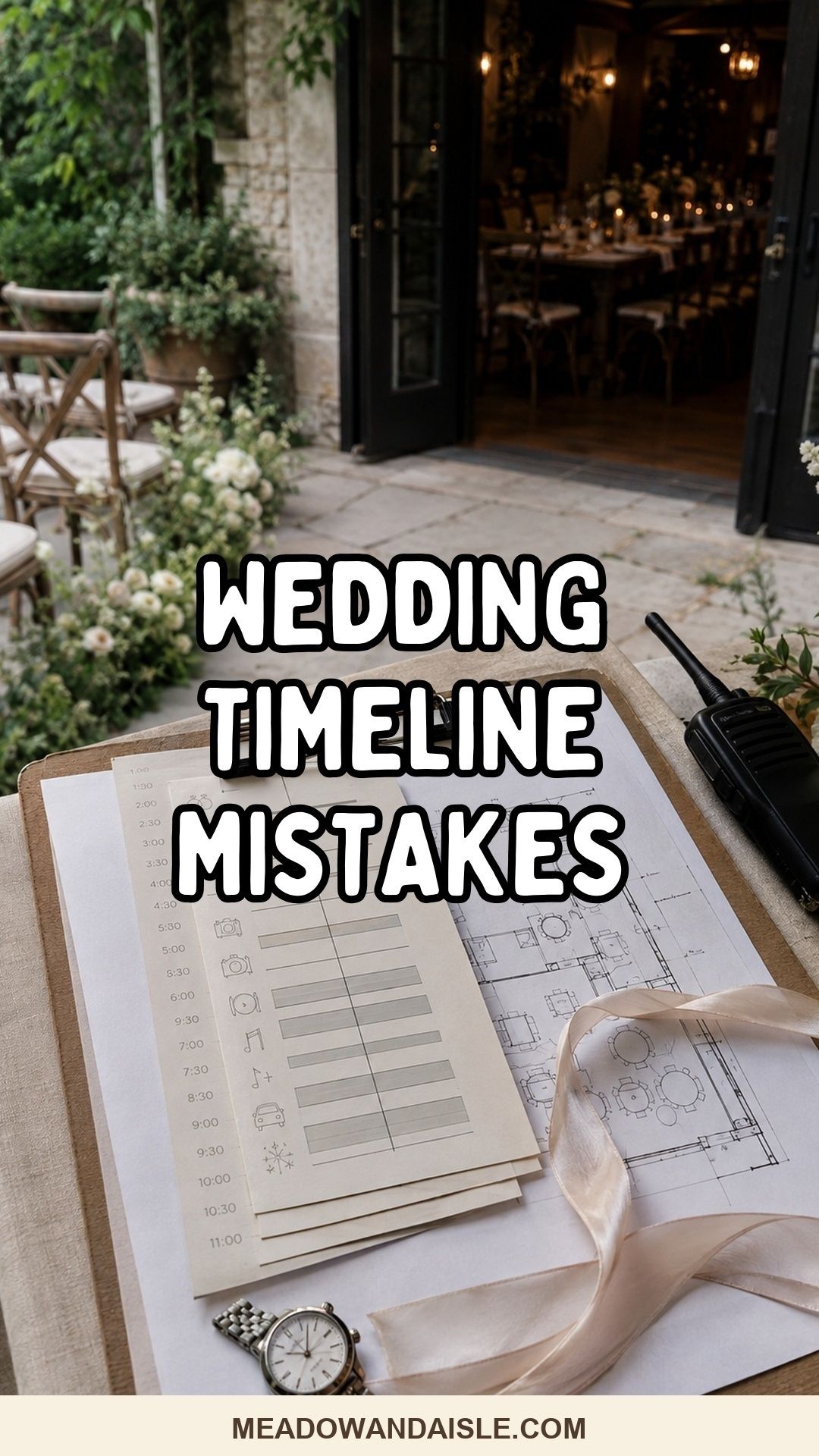
Wedding timeline mistakes usually happen when the schedule ignores real movement, people, light, service, setup, and ownership. A calmer day comes from building breathing room around the moments most likely to stretch.
A wedding day timeline is not meant to turn the celebration into a production sheet. It is meant to protect the feeling of the day, so the couple, guests, and vendors are not constantly recovering from the last late decision.
For an intimate wedding, timing matters in a different way. Fewer guests mean fewer moving parts, but every pause, empty glass, missing family member, or rushed ceremony entrance feels more visible. The goal is not a rigid minute-by-minute script. It is a day that gives people enough room to arrive, gather, eat, photograph, speak, and shift gracefully.
Recommended Wedding Products


You Might Also Like These Blog Posts
- Wedding Hair And Makeup Mistakes That Make the Morning Feel Rushed
- Wedding Photography Mistakes That Steal the Feeling From the Day
- Micro Wedding Timeline For A Day That Breathes
- Small Wedding Day Timeline For A Celebration That Never Feels Rushed
- Wedding Dress Alterations Mistakes That Make the Dress Run the Day
- Wedding Social Media Mistakes That Make The Day Feel Less Yours
Wedding Timeline Mistakes That Steal The Breathing Room From Your Day
The most damaging wedding day timeline mistakes rarely look dramatic on paper. They look like a five-minute hair delay, a missing boutonniere, a cousin struggling to find parking, a photographer waiting for family names, or a DJ who receives the speech order after dinner has already started. For a wider list, see these wedding mistakes to avoid.
Those small timing gaps matter because a wedding day is connected. Getting ready affects photos. Photos affect cocktail hour. Cocktail hour affects dinner. Dinner affects speeches, dancing, and the final exit. A thoughtful schedule gives each piece enough space so one imperfect moment does not flatten the rest of the celebration.
| Timeline pressure point | What often slips | What protects the day |
|---|---|---|
| Getting ready | Hair, makeup, dressing, details, and pre-ceremony photos | A hard finish time plus a small quiet gap before photos |
| Guest movement | Parking, shuttles, walking paths, seating, and room changes | Clear arrival windows and realistic transition time |
| Photos | Family formals, portrait light, missing names, and weather shifts | A named list, one family gatherer, and a portrait backup plan |
| Reception | Cocktail hour, dinner service, speeches, room flips, and music cues | Vendor timing confirmed around food, sound, and formal moments |
| Ownership | Everyone asking the couple what happens next | One timeline holder who has contacts, copies, and permission to decide |
Starting Hair And Makeup With Optimistic Math
Hair and makeup often create the first delay because couples count people instead of chair time. Four people getting styled by one artist is not one shared appointment. It is four separate turns, plus setup, touch-ups, dress changes, and the ordinary human pauses that happen in a getting-ready room. These wedding hair and makeup mistakes explain what else to plan for.
Build this part backward from the time everyone must be dressed, not forward from the time coffee arrives. Ask each stylist how long each service takes, confirm who goes first, and place a soft deadline before the actual photo start. If the room finishes early, everyone gets a quieter morning. If it runs late, the first wedding timeline buffer absorbs the slip before the ceremony feels it.
Forgetting The Time It Takes To Get Dressed
Dressing is often treated like a quick line item, but wedding clothes take attention. Buttons, corsets, sleeves, veils, jewelry, shoes, cufflinks, boutonnieres, pocket squares, and garment steaming all slow the room down, especially when several people are emotional and several others are trying to take photos.
Give the couple a real dressing window, then add a few minutes for anyone who needs help before the ceremony. This is also the moment when parents may want a private look, friends may cry, and the photographer may capture details that would otherwise be missed. A rushed dressing block is one of the quieter wedding schedule mistakes because it makes the day feel late before anyone has walked down the aisle.
Building A Schedule With No Buffers Between Events

A schedule that places every event back to back looks efficient until real people enter it. Someone needs water. A grandparent walks slowly. A florist finishes the last pew marker. The officiant asks one more question. The photographer notices beautiful light and needs two extra minutes.
Buffers are not wasted time. They are the hidden structure that keeps the visible day soft. Place the most generous pauses after getting ready, before the ceremony, around family photos, before dinner service, and before the reception entrance. Small weddings especially benefit from this because the day often happens across cozy rooms, restaurants, gardens, homes, or private venues where guest movement is personal rather than anonymous.
Underestimating Travel, Parking, Loading, And Guest Movement
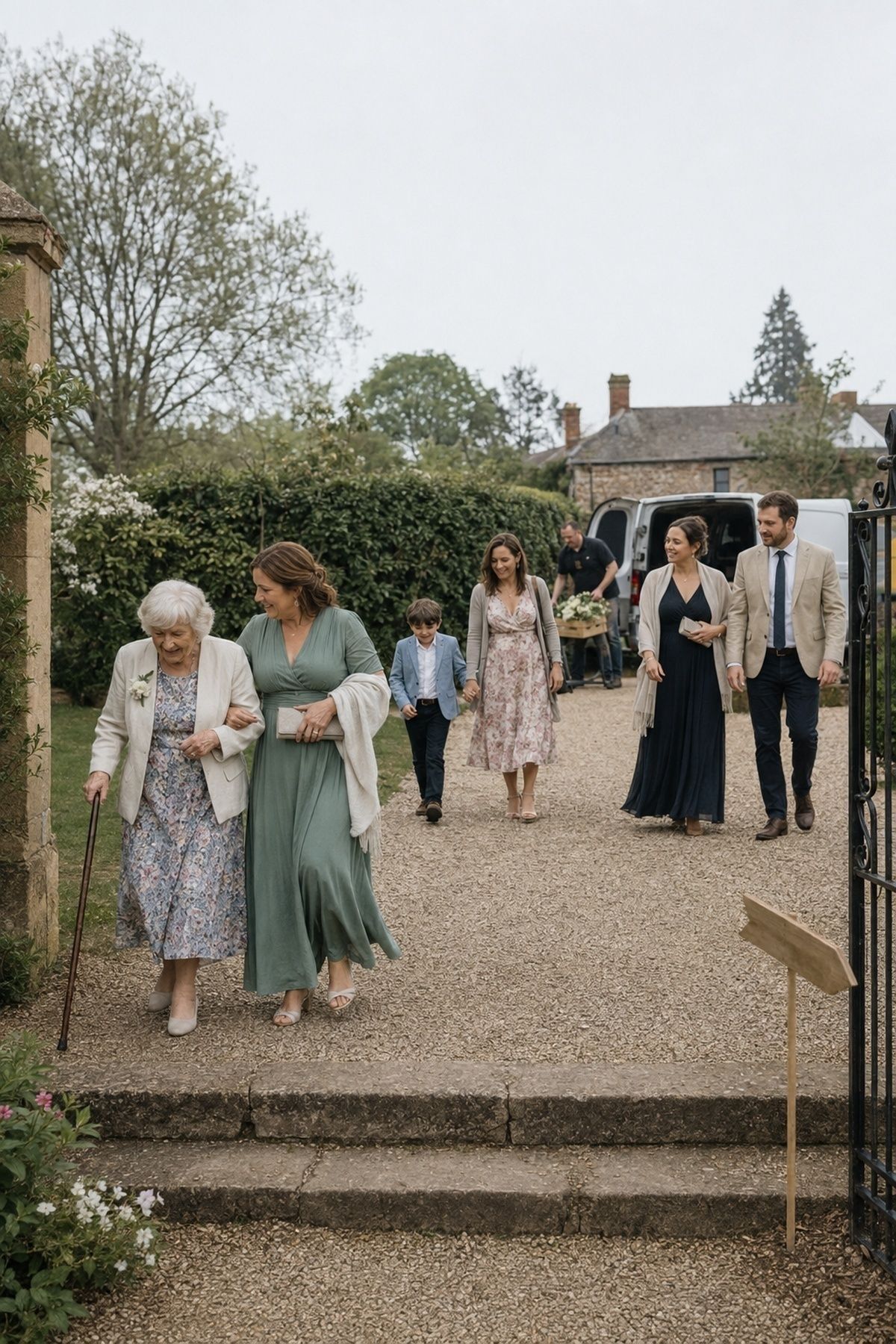
Travel time is more than the drive between addresses. It includes elevators, stairs, valet lines, parking lots, gravel paths, rain gear, grandparents, children, vendors unloading, buses turning around, and guests figuring out which door is correct.
If the wedding moves between a ceremony site, portrait location, cocktail space, and reception room, time the full path at the same hour of day whenever possible. Then add a little room for the least mobile guest and the slowest vendor load-in. Many wedding day running late stories begin because the couple timed the route like two adults walking quickly, not like a whole event changing shape.
Scheduling Photos Without Light, Family Names, Or Breathing Room
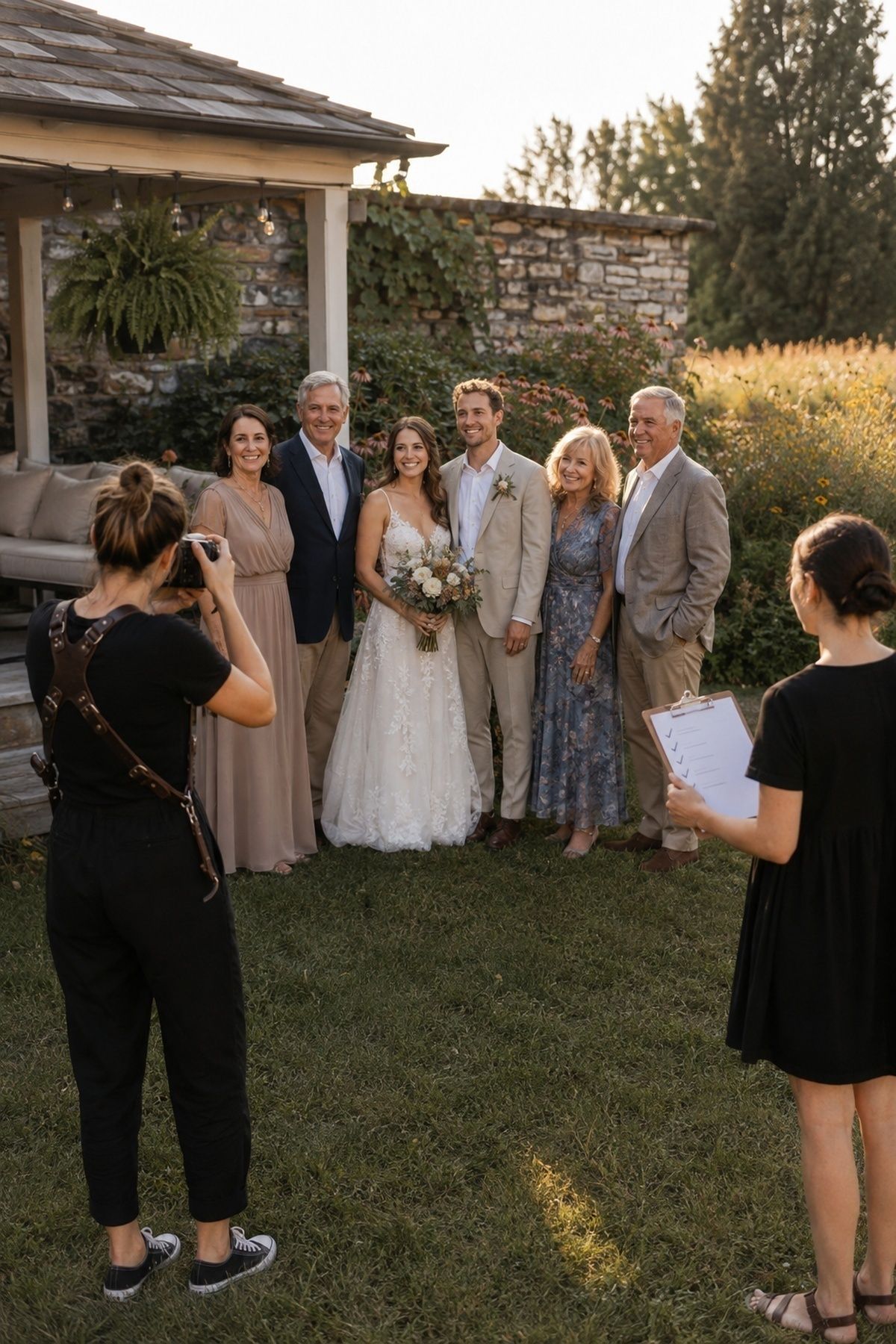
A wedding photo timeline falls apart when it only lists categories: couple portraits, family photos, wedding party, details. The photographer needs light, names, locations, and someone who knows which relatives must be gathered. Without that, the photo block turns into a search party.
Write the family combinations by name, not by vague group. Decide where portraits happen if it rains, where the couple will stand if the sun is harsh, and who will gather people while the photographer keeps shooting. For intimate weddings, a shorter list often gives better results because it leaves more room for natural reactions after the ceremony.
Making Guests Wait Without Food, Drinks, Seating, Or Clarity
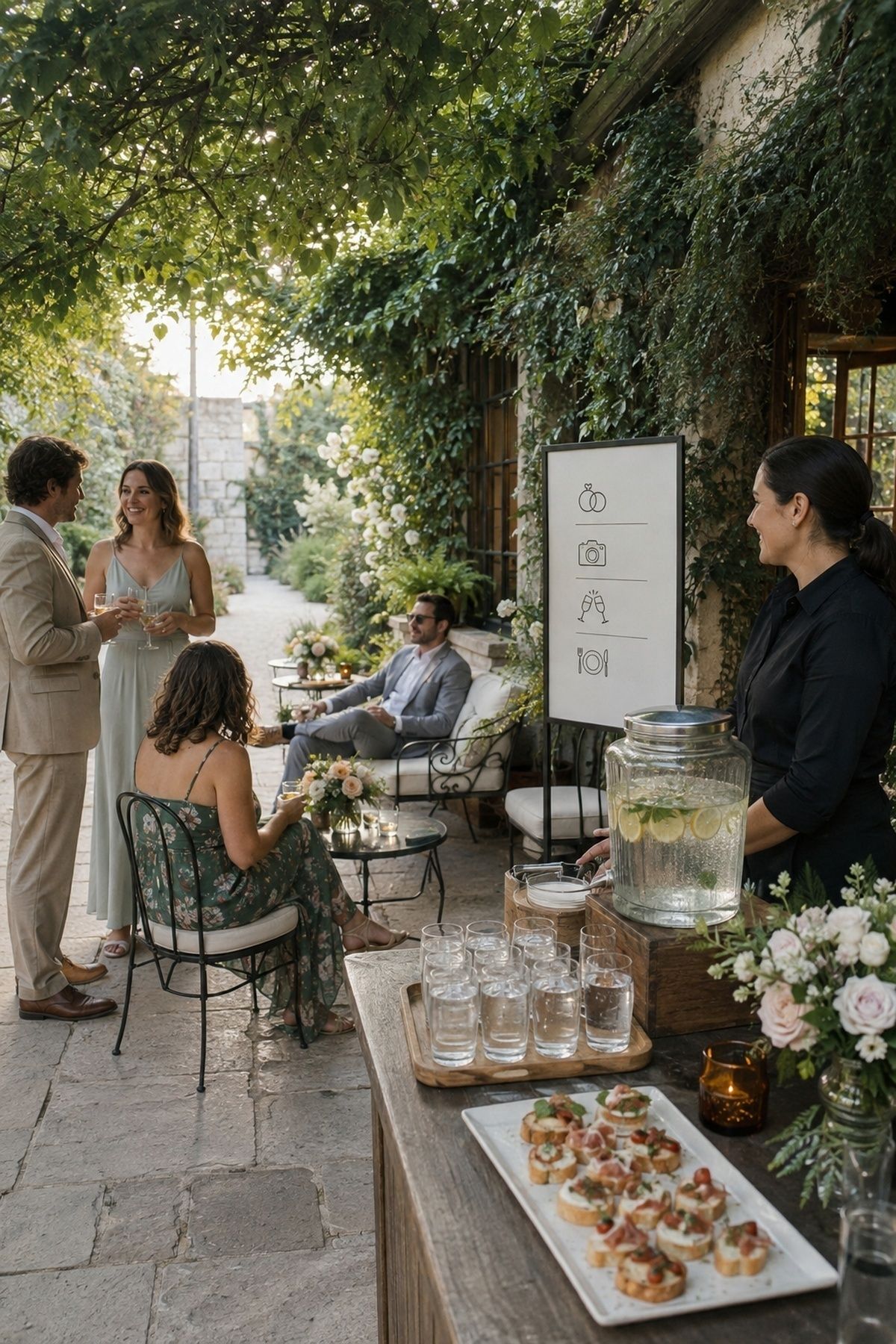
Guests are usually patient when they understand what is happening. They become restless when a gap has no drink, no chair, no shade, no music, no restroom direction, or no one telling them whether the couple will arrive in five minutes or forty.
Plan each guest-facing pause as hospitality, not dead space. Cocktail hour needs enough service for the guest count. A room flip needs somewhere pleasant for people to land. A post-ceremony photo window needs drinks ready before guests start wondering whether they are waiting in the wrong place. The smaller the wedding, the more important this feels because the couple often knows every person in the room.
Forgetting Vendor Arrival, Setup, Room Flip, And Sound Check Timing
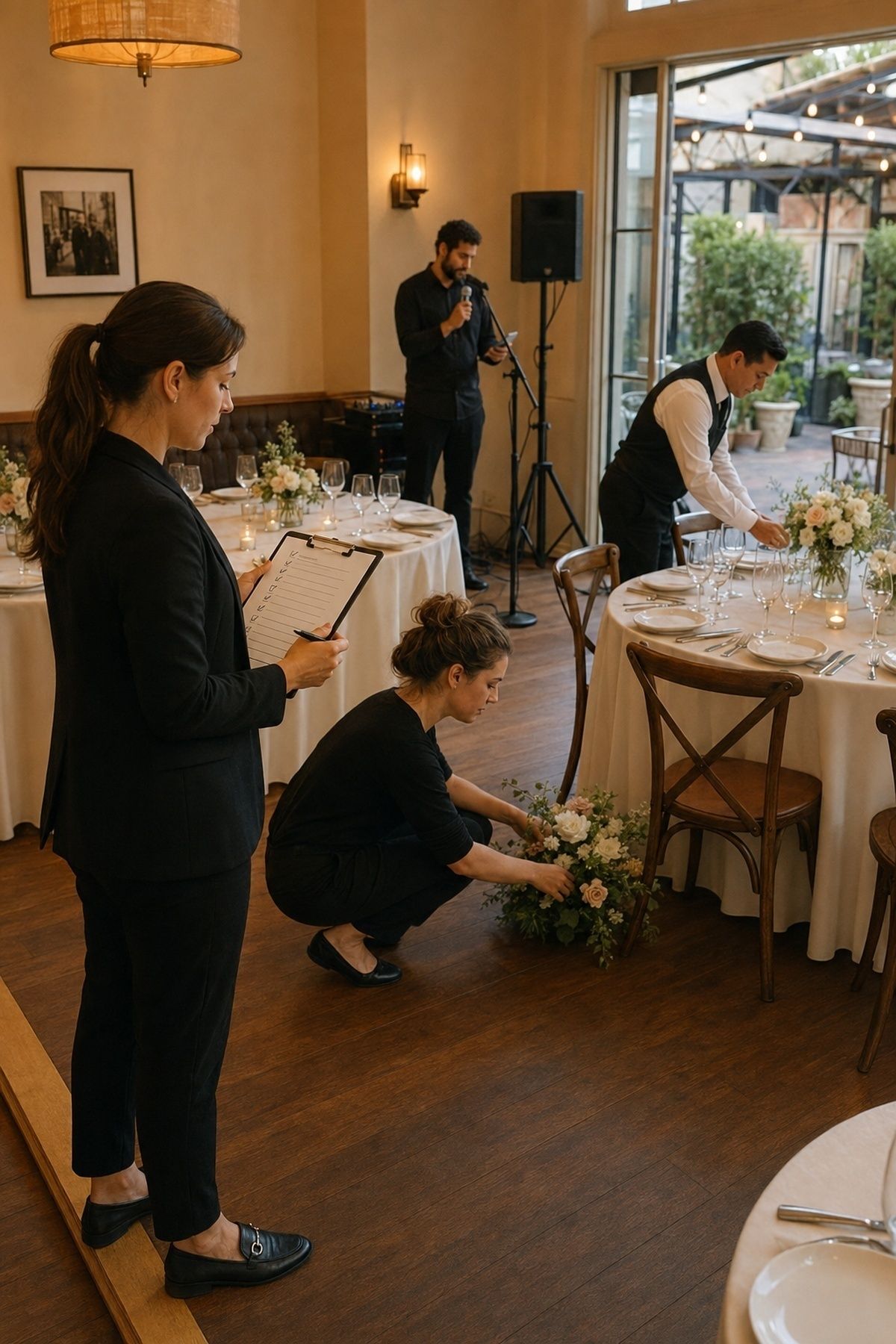
A wedding vendor timeline is not only a list of who arrives when. It is the order that allows the day to function. Rentals may need to arrive before florals. Sound may need power before guests enter. Catering may need kitchen access before the bar opens. A room flip may need more hands than the venue originally mentioned.
Ask every vendor what they need before guests see their work. Then place those needs on the master timeline so the behind-the-scenes pieces do not collide. This is especially important at private estates, restaurants, tents, galleries, and homes, where the venue may not have a built-in team moving the day forward.
Placing Vendor Meals During Moments They Need To Capture
Vendor meals sound simple until the photographer is eating during speeches, the DJ is away when the first dance cue changes, or the planner is pulled from the room while dessert service begins. Vendors need to eat, but the timing should match the work they still need to do.
Serve key vendors when guests are eating and no formal moment is scheduled. Confirm meal location, timing, and service style before the wedding week, especially if the reception is small and there is no separate vendor room. Feeding the team well is part of a kind timeline; placing their meal thoughtfully is part of a functional one.
Letting Speeches, First Dances, Or Cake Cutting Float Without Cues

Reception moments often drift when nobody owns the cue. A parent is not ready for the toast, the DJ has the wrong order, the cake knife is missing, or the couple is pulled into a conversation just as the first dance should begin.
Give each formal moment a person, a setup need, and a signal. Speeches need speaker order and a microphone. Cake cutting needs the table cleared and the photographer present. First dances need the song, the cue, and the people who matter already in the room. Wedding reception timeline mistakes usually come from assuming formalities will naturally happen because they are written on the schedule.
Missing Sunset, Weather, Noise Curfew, And End-of-Night Timing
Some timing rules do not move just because the wedding is running late. Sunset happens when it happens. Rain changes paths. Wind affects candles, hair, veils, and sound. Noise curfews end music even if dinner started late.
Mark the fixed constraints first, then build the flexible parts around them. If sunset portraits matter, protect the light before dinner begins. If the venue has a curfew, place speeches, dancing, and final songs early enough to feel complete. If weather is likely, give the backup plan its own timing instead of treating it as a last-minute swap.
Asking The Couple To Hold The Timeline
The couple should not be the answer desk on the wedding day. If vendors, relatives, wedding-party members, or guests keep asking what happens next, the timeline may exist, but it does not have an owner.
Choose one point person who has the full schedule, vendor contacts, family photo list, floor plan, shuttle timing, and authority to make small decisions. That person might be a professional coordinator, venue manager, planner, or trusted friend who understands the couple’s priorities. Their role is not to control the day. Their role is to keep questions away from the couple so the couple gets to be present.
Sending The Same Timeline To Everyone
One master timeline is important, but not every person needs every detail. Guests need arrival, ceremony, transportation, meal, and end-time clarity. The wedding party needs getting-ready, photo, ceremony, and reception cues. Vendors need setup, load-in, contact, power, meal, and departure details.
Create versions that match what each group must know. Too much detail becomes noise, and too little detail creates day-of questions. A clean schedule sign, printed cards, or a simplified wedding website detail may be enough for guests, while vendors receive the deeper version that includes setup and contact information.
Skipping A Calm Timeline Check One Week Before
The final week is when the timeline becomes real. Guest count is firm, weather is clearer, vendors have final details, family photo names are known, and any ceremony or reception changes should be visible. Skipping this check leaves too many assumptions alive.
Walk through the day in order and ask one practical question for each block: who is moving, what must be ready, who owns the cue, and what happens if this part runs ten minutes late? That final pass catches the small wedding ceremony timeline, cocktail hour, dinner, speeches, portraits, and exit details that tend to slip when everyone is excited and tired.
FAQ
What Are Common Wedding Timeline Mistakes?
Common wedding timeline mistakes include starting hair and makeup too late, skipping buffers, underestimating guest movement, planning photos without names or light, forgetting vendor setup timing, placing meals during key moments, and leaving no one in charge of the schedule.
How Much Buffer Time Do You Need On A Wedding Day?
Most weddings need small buffers throughout the day rather than one large empty block. Add extra time after getting ready, before the ceremony, around family photos, during room changes, and before major reception cues. The right amount depends on guest count, venue layout, transportation, weather, and how many vendors need setup access.
What Makes Weddings Run Late?
Weddings often run late because early delays travel forward. Hair and makeup stretches, getting dressed takes longer than expected, relatives are missing for photos, guests need more time to move, vendors receive unclear timing, or formal reception moments wait for someone to cue them.
Who Keeps The Wedding Timeline On Track?
A coordinator, planner, venue manager, or trusted point person should keep the wedding timeline on track. The couple should not manage vendor calls, family photo gathering, transportation questions, or reception cues once the day begins.
How Do You Plan A Wedding Timeline Around Photos?
Plan the photo timeline around light, people, and movement. Decide whether portraits happen before or after the ceremony, write family groupings by name, assign someone to gather relatives, protect sunset if portraits matter, and place enough breathing room before guests move to dinner.
How Long Should Cocktail Hour Be?
Cocktail hour is often around one hour, but the best length depends on photos, room flips, food service, guest comfort, and venue movement. If portraits or setup will take longer, guests need seating, drinks, bites, music, shade, warmth, or another clear reason the pause feels intentional.
What Should Vendors Receive Before The Wedding Day?
Vendors should receive the final timeline, venue addresses, arrival windows, setup details, contact list, floor plan, ceremony and reception cues, meal timing, load-out details, and the name of the point person. Send the final version early enough for vendors to flag conflicts before the wedding day.
Final Thoughts
The best timeline does not make a wedding feel controlled. It gives the day enough room to feel generous. When the getting-ready math is honest, the photo list is named, the vendors know their cues, the guests are cared for, and one trusted person holds the moving parts, the couple gets to experience the celebration instead of managing it.
As you make the last vendor call, give each buffer a clear owner, confirm how guests will move, eat, and gather, and place one flexible pocket on paper before the day begins, so the schedule bends without handing the wedding timeline mistakes back to the couple.
Last update on 2026-10-04 / Affiliate links / Images from Amazon Product Advertising API