

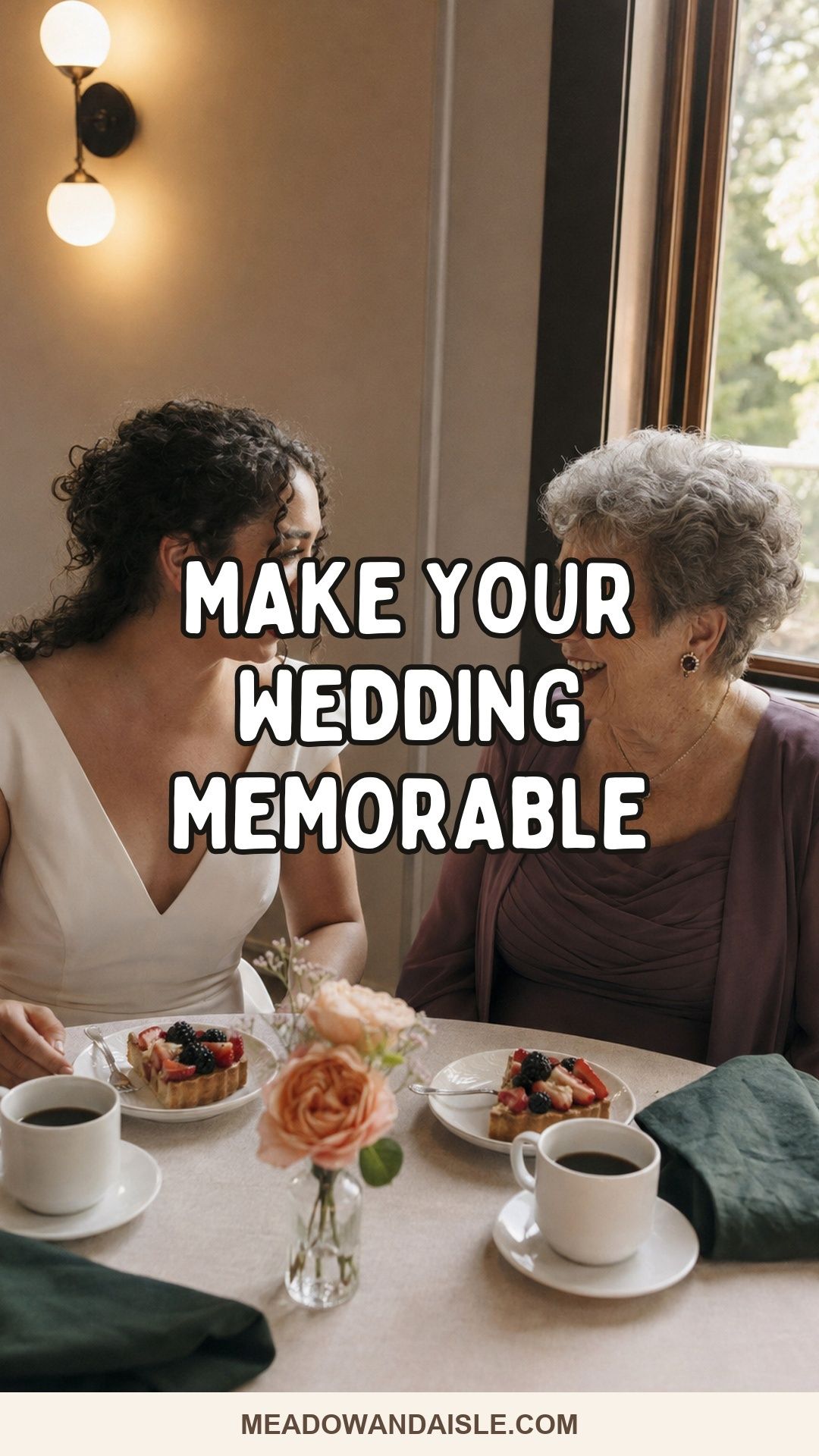
What makes a wedding memorable is not the sheer number of details. Guests and couples usually remember the emotional tone, a ceremony they hear clearly, generous food, music that fits the room, real comfort, and one or two personal moments that feel unmistakably like the couple.
It is easy to start planning as if every choice carries the same weight. The signage, favors, flowers, napkins, candles, songs, menus, welcome display, and stationery all begin to feel equally urgent. That pressure gets expensive fast.
A more memorable wedding comes from a clearer question: what will people feel during the day, and what will still feel alive after the flowers come down? Most lasting memories come from presence, ease, warmth, food, music, comfort, and a few details that tell the truth about the couple.
Choose three memory anchors before chasing more decor: one emotional moment, one guest comfort upgrade, and one personal detail. Those three choices give the day a shape guests actually carry home.
This matters most when the budget is tight or the guest list is small. You do not have to prove the day is worthy through scale. You only have to create a celebration where people feel welcomed, moved, fed, comfortable, and close to the story unfolding in front of them.
Recommended Wedding Products


You Might Also Like These Blog Posts
- Is A Wedding Worth The Money When You Want Meaning More Than Pressure
- How To Make A Small Wedding Feel Special Instead Of Scaled Down
- What Wedding Details Can You Skip Without Regret
- How To Plan A Small Wedding That Still Feels Big-Hearted
- Micro Wedding Ideas That Feel Anything But Small
- Wedding Reception Mistakes That Quietly Drain the Room
What Makes A Wedding Memorable
The best answer to what makes a wedding memorable is usually simpler than couples expect. A memorable wedding feels easy to enter, emotionally honest, well paced, well fed, deeply welcoming, and personal without forcing guests to decode every detail.
That does not make beauty unimportant. It means beauty works hardest when it frames a feeling. A candlelit room, a favorite song, a short vow, a warm meal, and time to hug people matter more than a dozen tiny upgrades nobody experiences.
Before adding another visual idea, ask where the memory lives. Is it in the couple’s faces during the ceremony, the first drink after the vows, the dinner conversation, the packed dance floor, or the quiet goodbye? Spend where the answer feels strongest, then let smaller styling choices follow that emotional priority.
A ceremony that feels honest and easy to hear
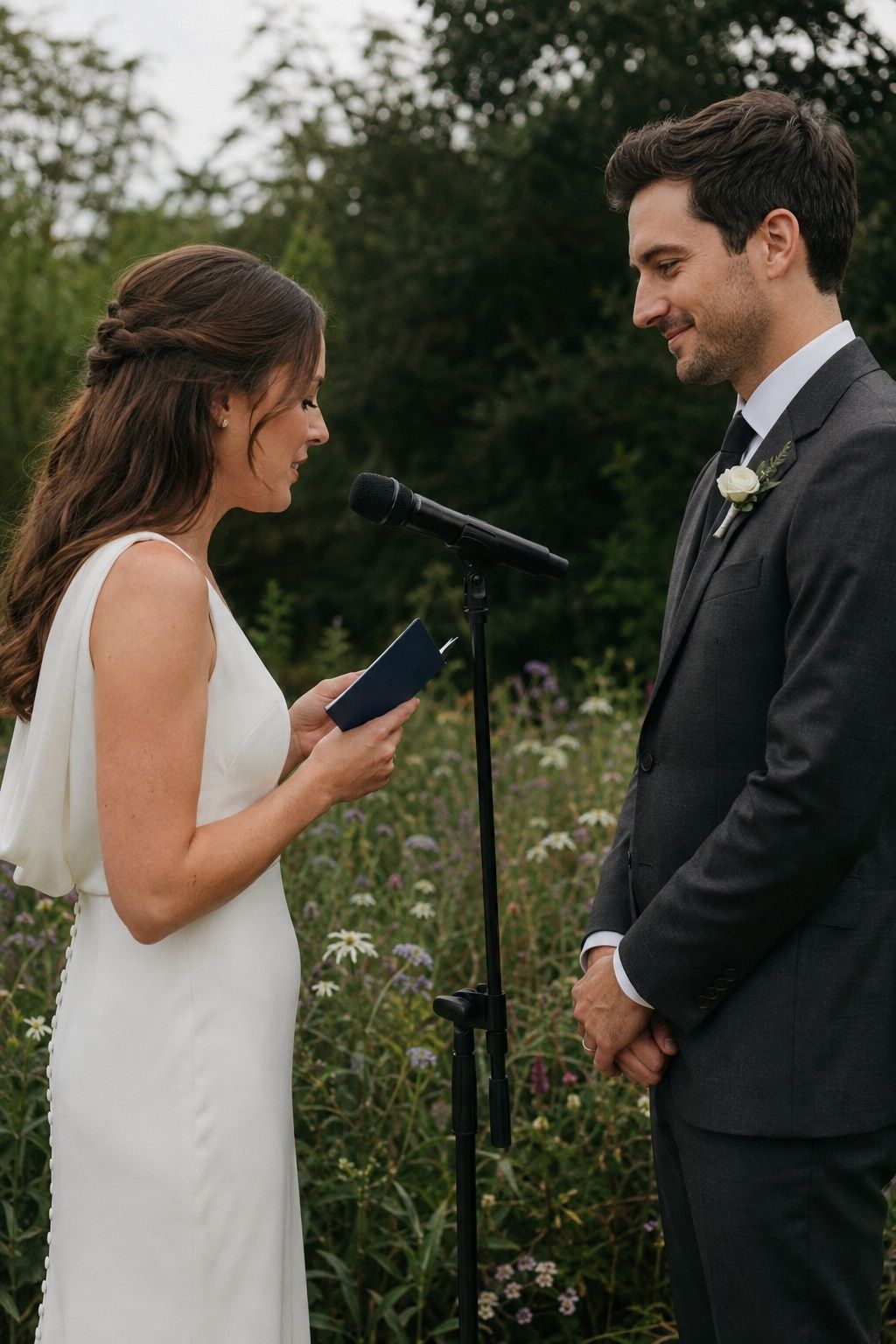
Guests remember the vow moment when they hear the words and sense the couple means them. Use a microphone when needed, keep the ceremony focused, and ask the officiant to speak in a voice that suits your relationship.
The couple being emotionally present instead of rushed
A couple who looks relaxed changes the whole room. Build time for a breath after the ceremony, a real meal, and unhurried greetings so the day feels lived, not merely managed.
A warm arrival moment that lets guests settle in

The first ten minutes set the tone. A welcome drink, clear seating, shade, music at conversation level, or someone greeting relatives by name tells guests they were expected with care.
Food that is generous, timely, and easy to enjoy
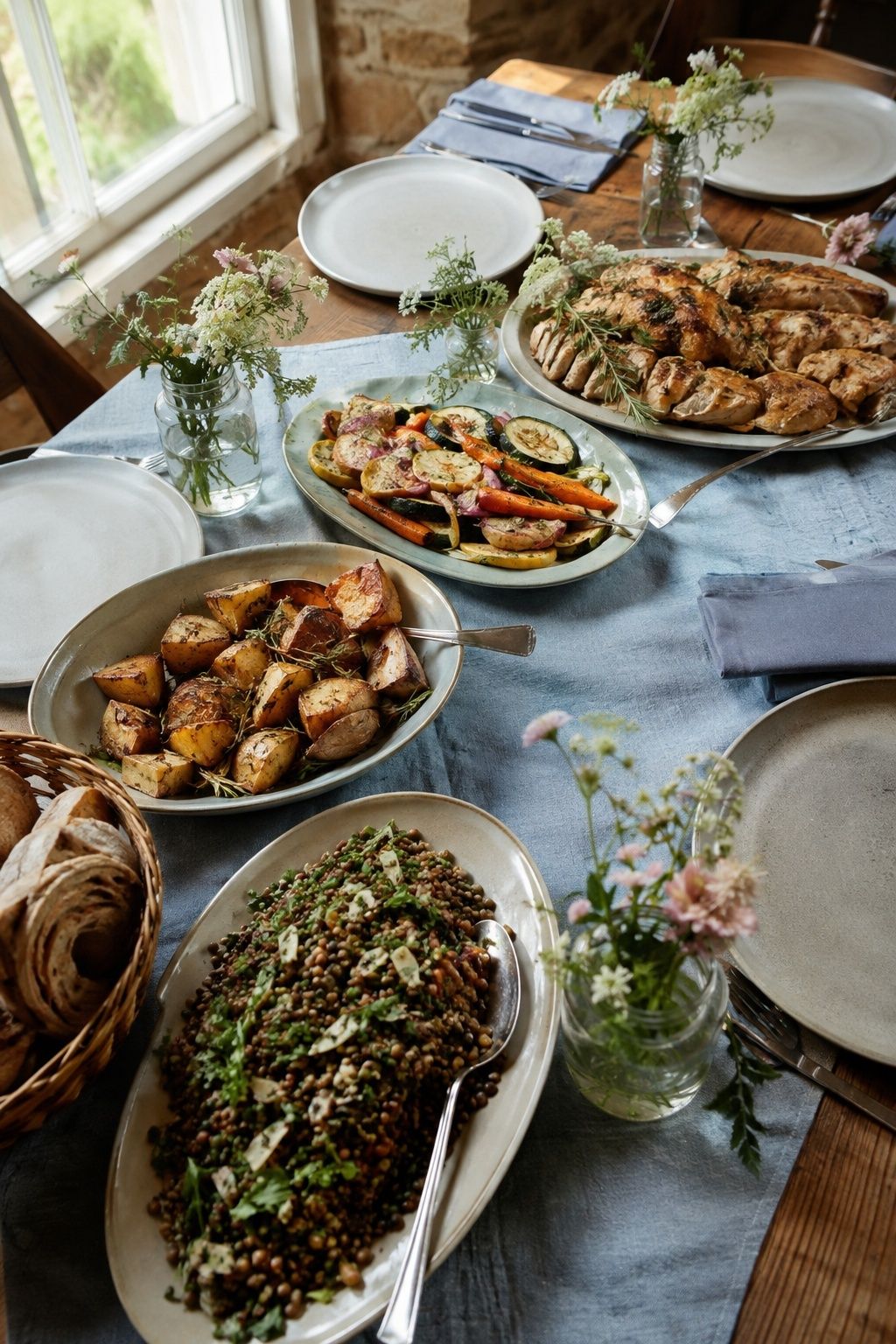
Food does not need to be elaborate to be remembered fondly. It needs to arrive before guests are starving, taste good, suit the crowd, and offer enough choice for common dietary needs.
Music that fits the crowd instead of only the playlist trend
The best music responds to the room. Give your DJ or band favorite songs, a do-not-play list, and permission to build energy around your guests rather than copying a trend from someone else’s reception.
A timeline with fewer awkward waits
Long gaps drain atmosphere. Keep photos organized, move guests smoothly from ceremony to drinks to dinner, and remove formal pauses that exist only because another timeline included them.
A room layout that invites people to talk, laugh, and move
Memorable rooms invite interaction. Tables should feel close without crowding, the bar should avoid bottlenecks, and the dance area should feel active even before everyone joins.
Personal details guests understand without explanation
A favorite dessert, a family recipe, a song from your first trip, or table names from places you love works because guests understand the connection immediately.
Comfort choices that prevent small problems from becoming the memory
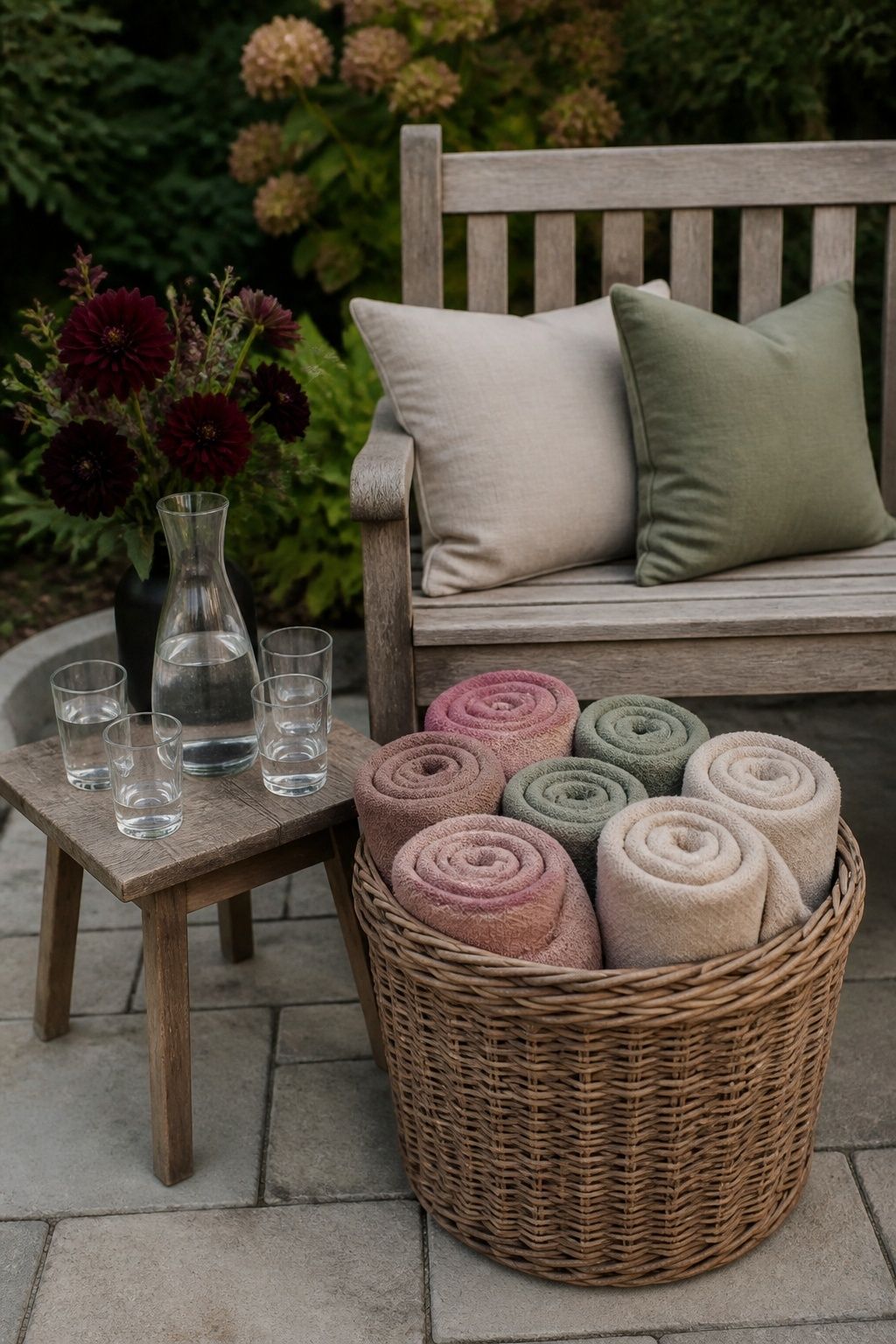
Heat, cold, sore feet, hunger, bugs, poor lighting, and unclear transport become louder than decor. Fans, wraps, heel protectors, water, snacks, and good directions protect the mood.
A standout shared moment everyone experiences together
Choose one collective moment: a champagne tower, group singalong, dessert reveal, final dance, confetti walk, or family blessing. Shared memories become stronger when the whole room feels them together.
Toasts that are short enough to stay meaningful
A heartfelt three-minute toast lands better than a wandering speech. Ask speakers for a time limit, one story, and one clear blessing so the emotion stays bright.
Lighting that makes the room feel warm and flattering
Lighting shapes memory because it shapes mood. Warm lamps, candles, dimmable overheads, and soft dinner light make people look relaxed and make photos feel more human.
A clear ending or sendoff that feels intentional
Endings matter. A last dance, late-night snack, final toast, getaway song, or quiet goodbye line gives the celebration a final emotional mark instead of a slow fade as guests leave.
Photos that capture connection, not just staged decor
Ask for images of hugs, hands, laughter, grandparents, table conversations, and dance floor energy. Decor photos are lovely, but connection is what brings the day back later.
A sense that the wedding is unmistakably this couple
The most memorable weddings feel specific. They are not full of random novelty; they simply make it obvious who is getting married and why the room matters.
What Makes A Small Wedding Memorable
A small wedding has a natural advantage: fewer people means more attention, better conversation, clearer sound, and details guests experience up close. Scale becomes less important when the room feels deeply included.
The mistake is trying to make a small wedding imitate a large one. Let the intimacy lead. Choose a setting that feels full, a timeline that does not scatter the group, and hosting choices that make every guest feel personally expected.
More real conversation with each guest
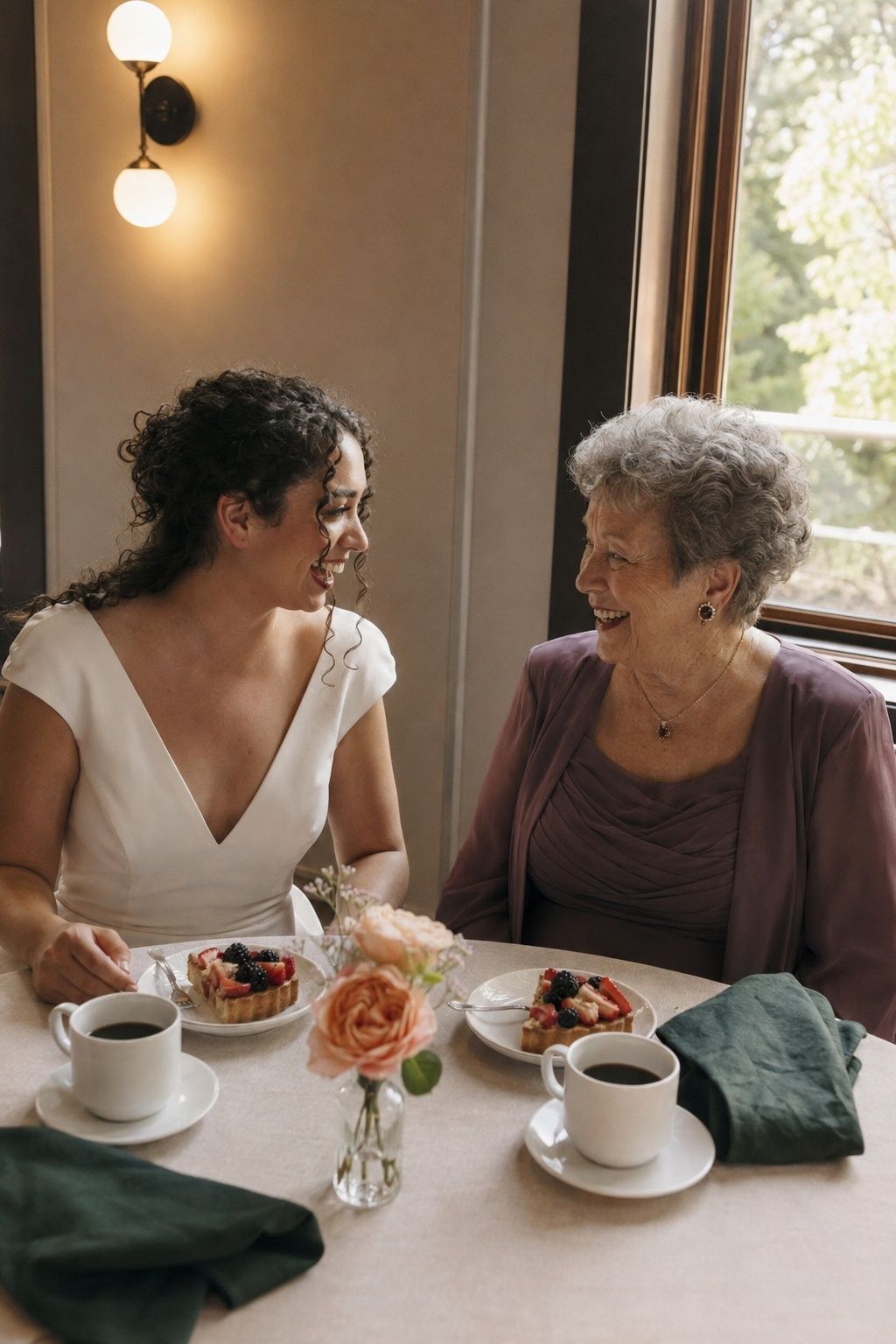
With a smaller guest list, the couple gets more than a quick receiving-line hello. Plan pockets of time for table visits, welcome hugs, and relaxed dessert conversation.
A ceremony that feels close rather than staged
Seat guests in a half circle, keep the aisle short, and let the ceremony feel intimate. Close witnesses often make vows feel more powerful, not less formal.
A table plan that encourages connection
One long table, thoughtful groupings, or a dinner-party layout turns the meal into part of the memory. Seat people for warmth, not only etiquette.
Details guests notice because they are close enough to enjoy them
At a small wedding, guests notice handwriting, candlelight, menu choices, flowers, textures, and photos because they are close to them. Invest where people linger.
Fewer transitions and more shared time
Small weddings suffer when guests are moved too often. Keep the day compact, reduce travel between spaces, and let the group experience more of the celebration together.
What Guests Usually Forget
The freeing truth is that many details couples agonize over fade quickly. Guests remember how the day felt long after they forget the exact object that matched the mood board.
This does not mean those details are pointless. It means they should serve the bigger experience. When a detail adds clarity, warmth, comfort, or personality, keep it. When it only adds pressure, it is a good candidate for simplification.
Tiny stationery details
Guests appreciate clear information, but they rarely remember paper weight, envelope liners, or tiny font changes. Spend enough for clarity, then let the category rest.
Most favors that are not edible or practical
A favor should earn its place. Snacks, local treats, or practical comforts work harder than objects guests politely take home and later forget.
Exact floral varieties
Guests remember abundance, color, scent, and placement more than botanical names. Choose flowers that fit the room and budget instead of chasing rare varieties for their own sake.
Decor that only exists for photos
A photo moment is fine, but decor guests never touch, use, sit by, pass, or enjoy often matters less than lighting, food, music, and flow.
Overcomplicated formalities that interrupt the mood
Traditions should create feeling, not stop the room every few minutes. Keep formalities that mean something and trim the ones that make everyone wait.
FAQ
What makes a wedding memorable?
What makes a wedding memorable is the combination of emotional tone, guest comfort, good pacing, generous food, fitting music, personal presence, and details that clearly reflect the couple.
What do guests remember most about a wedding?
Guests often remember the ceremony feeling, the food, the music, the welcome, the comfort level, the timeline, and whether they felt included and cared for.
How do you make a small wedding memorable?
Make a small wedding memorable by using intimacy well: audible vows, real conversation, thoughtful seating, a generous meal, fewer transitions, and personal details guests see up close.
What wedding details matter most to guests?
The details that matter most to guests are usually practical and emotional: clear arrival, comfortable seating, enough food and drink, good music, smooth timing, and a warm atmosphere.
How do you make a wedding feel personal instead of generic?
Use specifics from your life together. Choose vows, music, food, photos, ceremony passages, rituals, or table details that connect to real memories instead of generic trends.
What do guests usually forget about a wedding?
Guests usually forget tiny stationery choices, exact floral varieties, most non-practical favors, overly detailed decor, and formalities that did not add emotion or ease.
Final Thoughts
A memorable wedding is not built by treating every detail as equal. It is built by choosing the details that carry feeling and letting the rest become simpler.
Start with three anchors: one emotional moment, one guest comfort upgrade, and one personal detail. If those are strong, the day has a memory structure even before the extra styling begins.
For the emotional anchor, choose the moment you want to feel most awake: vows, first look, first dance, parent blessing, or final song. For comfort, choose the issue guests would otherwise feel in their bodies. For personality, choose one detail that could only come from your life together.
After that, trust the quieter choices. Feed people well, keep them comfortable, let them hear the vows, give the room good music, and make space for the two of you to be present.
Last update on 2026-10-05 / Affiliate links / Images from Amazon Product Advertising API