

Wedding RSVP mistakes include setting the deadline too late, asking unclear questions, leaving plus-ones open, missing meal choices, making online RSVPs hard to find, failing to track replies, and not following up before vendor counts are due. A good RSVP process tells you who is coming, who is not, what each guest needs, and when the final count is truly ready to close.
Wedding RSVP mistakes feel small at first because they live in cards, forms, and quiet guest replies. Then the catering deadline arrives, the seating chart is half built, and one unclear response suddenly affects meals, chairs, tables, favors, and family expectations.
For a small wedding, the stakes are even more visible. One extra guest shifts a table shape; one missing meal choice holds up the caterer; one vague plus-one answer unsettles the emotional balance of the room. The goal is not to make guests feel policed. It is to make responding simple enough that the data you receive is actually usable.

Recommended Wedding Products


You Might Also Like These Blog Posts
- Small Wedding RSVP Wording That Gets Clear Replies
- How To Ask Wedding Guests To RSVP Without Feeling Pushy
- How To Handle Late Wedding RSVPs Without Chasing Everyone Forever
- Wedding Invitation Mistakes That Make Guests Guess
- Wedding Website Mistakes That Make Guests Text You Anyway
- Wedding Planning Mistakes That Quietly Make Everything Harder
Wedding RSVP Mistakes
The best RSVP setup is part etiquette and part operations. It should feel polite to guests, but behind the scenes it has to work like a clean planning system. Before you send invitations, decide what information you need for catering, rentals, seating, transportation, hotel events, and any private celebrations connected to the wedding weekend.
These mistakes are the ones that most often leave couples chasing answers in the final week. Fixing them early gives you a firmer guest count, kinder follow-ups, and fewer last-minute decisions made from memory.
Setting The RSVP Deadline Too Close To The Wedding
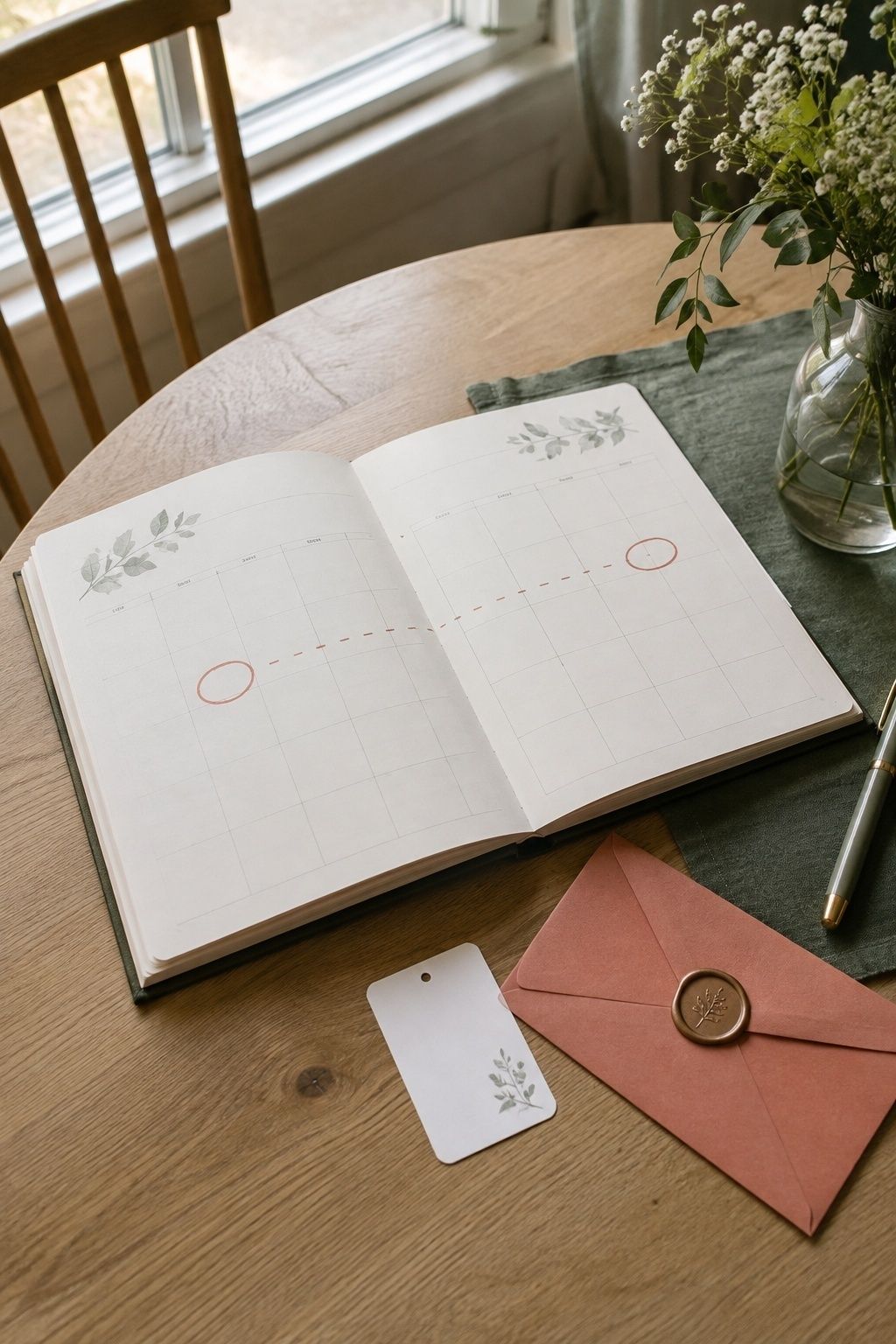
The deadline is not just the day you hope people reply. It is the start of your cleanup window. You still need time to contact nonresponders, correct incomplete replies, confirm meal counts, update the seating plan, and send final numbers to vendors.
A common wedding RSVP deadline mistake is choosing a date that lands almost on top of the caterer or venue count deadline. If final numbers are due two weeks before the wedding, an RSVP date two weeks before gives you no room to breathe. Aim for a buffer that lets you follow up without panic.
For many weddings, that means asking for replies about three to four weeks before the date. Destination celebrations, holiday weekends, or events with travel-heavy guest lists often need more lead time. The exact date matters less than the cushion between guest replies and vendor decisions.
Forgetting That RSVPs Are A Data System

An RSVP is emotional on the guest side, but practical on the planning side. You are not only collecting yes-or-no answers. You are building the numbers that drive tables, linens, rentals, meals, transportation, favors, printed materials, and room layout.
Treat every reply as a record. Each household should show invited names, attendance status, invited guest count, accepted guest count, plus-one name if offered, meal choice when required, dietary needs, related weekend events, and follow-up status. When this lives in one tracker, wedding guest count mistakes become easier to catch before they become expensive.
This is especially useful at an intimate wedding. If you have 32 seats, the difference between 31 and 34 is not abstract. It changes where people sit, how the room feels, and whether the plan still matches the celebration you pictured.
Asking For A Number Without Naming The Invited Guests
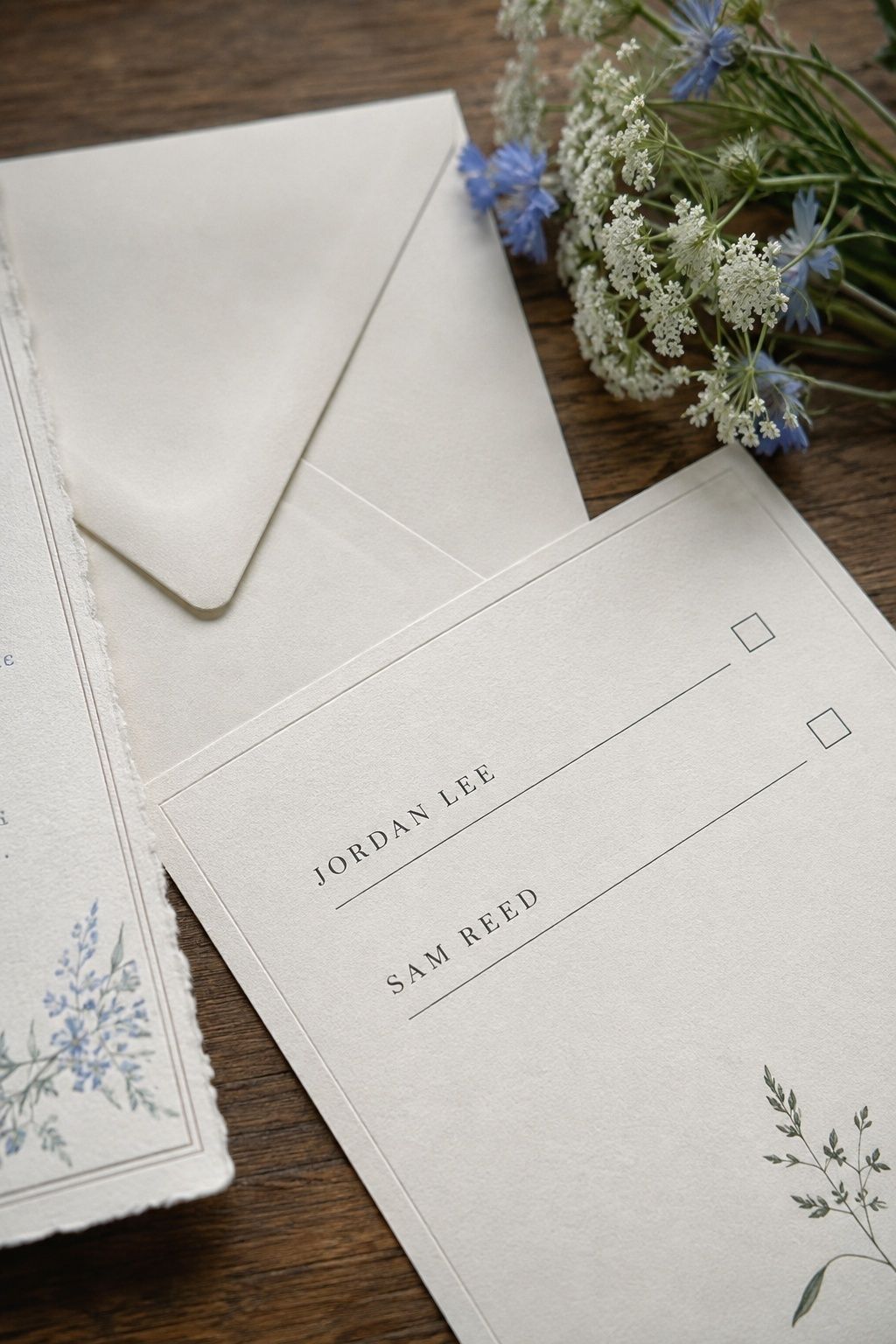
A blank line for “number attending” seems simple until a guest writes two, three, or four and the included names stay unclear. Did they count a partner? A child? A plus-one you did not offer? A family member from the same household who was invited separately?
RSVP card mistakes often begin with unnamed invitations. Address the invitation clearly, then make the response match the actual invited people. If your online form is household-based, show the names attached to that household. If the reply card is printed, leave space for names instead of only a number.
Named replies also protect guests from awkward guesswork. They do not have to decode whether children are invited, whether a partner is included, or whether a roommate counts. You have already done the kind part by making the boundary visible.
Making Plus-Ones Ambiguous
Plus-one confusion is one of the fastest ways to lose control of a final count. If your wording implies that guests decide for themselves, some will assume the invitation includes a date, a friend, or a newer partner you have never met.
Wedding plus one RSVP mistakes are easier to prevent than repair. If a guest has a plus-one, say so clearly and ask for that person’s name. If they do not, make the reply limited to the named invited guest or guests. Keep the tone warm and the boundary firm.
Small weddings need this clarity most. One unexpected plus-one might split a table, reshuffle close family, change a meal count, or force a different seat for someone else. A clear invitation is kinder than a messy correction later.
Skipping Meal Choices Or Dietary Needs When Vendors Require Them
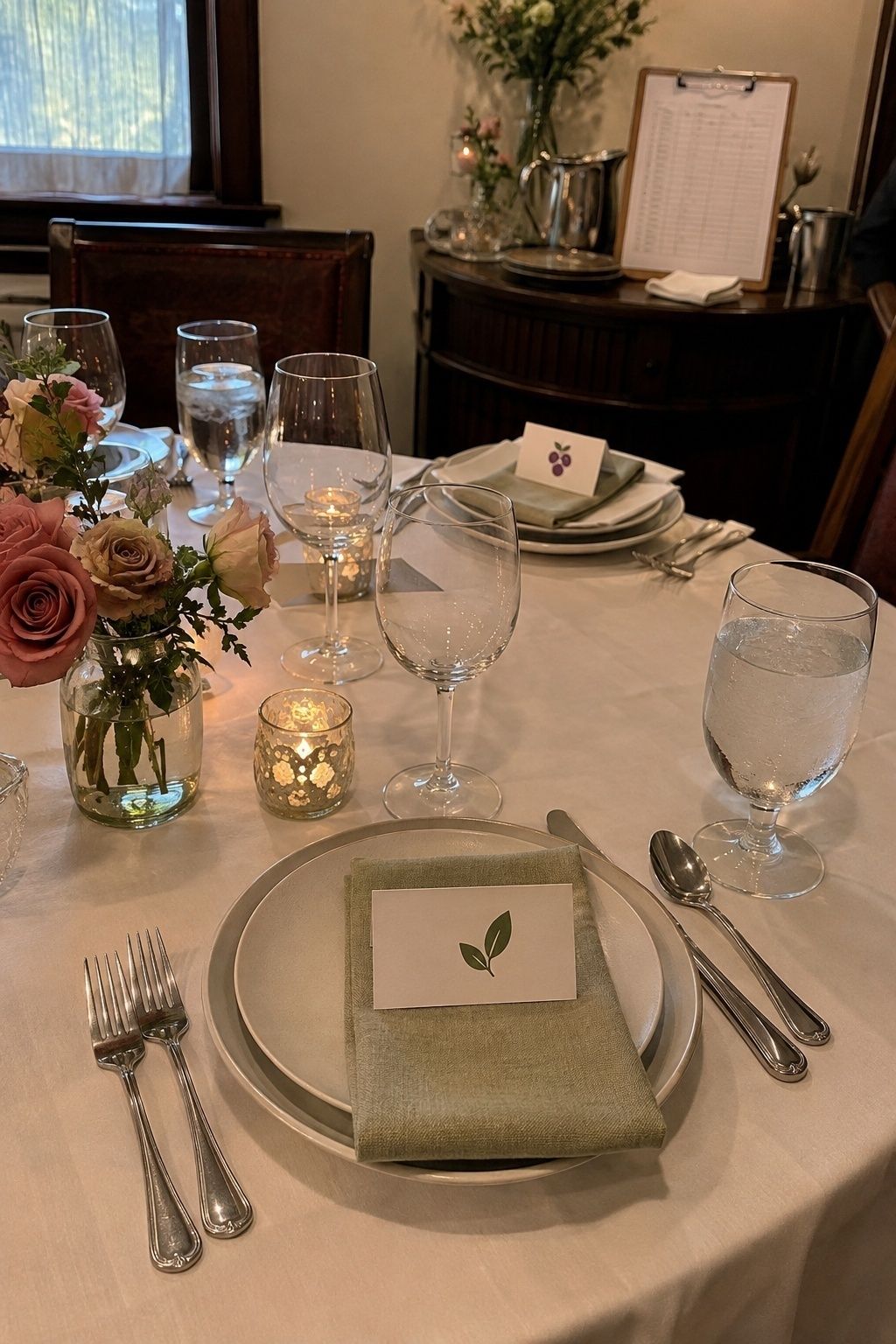
If your caterer needs entree counts, do not wait until after the RSVPs are back to ask what people want to eat. Every extra round of questions creates another chance for missed replies, mismatched names, and rushed vendor updates.
Wedding meal choice mistakes usually happen when couples ask for attendance but forget individual selections. If two people in one household are attending, you need to know which person chose which meal. A single “chicken and vegetarian” answer falls short if place cards or service timing depend on names.
Ask about wedding dietary restriction RSVP needs only when the answer will be used. Allergies, vegan meals, child meals, and serious restrictions should be routed to the caterer in a clean format. Avoid collecting personal food preferences that do not affect the actual menu.
Making Online RSVPs Hard To Find Or Complete
Online replies work beautifully when the path is obvious. If guests have to search your wedding website, guess the password, type a long address by hand, or answer questions that do not match their invitation, some will put it off.
Online RSVP mistakes often come from testing the form as the couple instead of as a guest. Before invitations go out, open the form on a phone, enter a household name, submit a reply, change a meal choice if allowed, and check what appears in the tracker. Then ask one trusted person to test it too.
If you have guests who are less comfortable online, give them a clear alternate path. A phone number, simple email, or mailed card keeps the process inclusive without forcing everyone into the same method.
Asking Too Many Questions In One Crowded Card
An RSVP should collect what affects the plan. It does not need to become a full personality quiz, travel survey, music poll, memory book, and menu form all at once. Too many questions make the important answers harder to see.
Start with the essentials: names, attending or not attending, invited count, plus-one name if allowed, meal choice if required, and dietary needs if relevant. Then add only the weekend questions that change logistics. A welcome party response matters if you are ordering food. A playful song request is optional, and it should never bury the attendance answer.
Wedding RSVP wording mistakes often come from trying to sound charming at the expense of clarity. Warm wording is lovely, but the action should still be unmistakable.
Forgetting Welcome Party, Brunch, Or Rehearsal Dinner Responses
If guests are invited to more than one event, the main wedding reply might not be enough. A welcome drink, farewell brunch, shuttle ride, after-party, or rehearsal dinner often needs its own count.
Separate the questions so guests understand what they are answering. Someone might attend the ceremony and reception but skip brunch. Another person might be invited to the rehearsal dinner but not the welcome party. Your tracker should make those differences visible.
This matters for small weddings because side events often include the most personal circles. If a brunch is built around 18 people and 25 arrive, the room and budget feel it immediately.
Not Tracking Late, Missing, Or Incomplete Replies In One Place
A late RSVP wedding problem becomes harder when replies are scattered through texts, emails, cards, DMs, phone calls, and family messages. The issue is not that guests use different channels. The issue is letting those answers remain in different places.
Choose one master tracker and update it every time a reply arrives. Mark “yes,” “no,” “missing,” and “incomplete” as separate statuses. A guest who says they are coming but skips the meal choice is not finished. A guest whose parent says “I think they are coming” is not confirmed.
Keep follow-up details short and factual: texted on Monday, needs entree, plus-one name missing, voicemail left, card mailed back with no names. This gives you a clear follow-up list instead of a foggy feeling that something is still unresolved.
Waiting Too Long To Follow Up With Nonresponders
Following up is not rude when the deadline has passed. It is part of hosting. You are making sure the guest has a real chance to respond before you close the list and send numbers to vendors.
Plan your wedding RSVP reminder wording before you need it so you are not writing from frustration. Keep it brief, kind, and specific: you are finalizing counts, you would love to know whether they are attending, and you need their answer by a clear date. Avoid guilt, jokes about chasing them, or long explanations.
Give yourself two follow-up moments if possible. A message two or three days after the RSVP deadline catches most people. A call or direct message a few days later settles the rest before the vendor deadline arrives.
Forgetting To Send Final Counts To The Right Vendors

The final count is not only for the caterer. Depending on your wedding, the venue, rentals team, bar service, cake baker, stationer, transportation company, hotel contact, planner, and florist all need different numbers that affect their work.
Make a vendor count list before replies come in. Record what each vendor needs, the due date, and the format. The caterer might need adult meals, vendor meals, child meals, allergies, and entree choices. The rentals team might need chairs, tables, linens, and place settings. The stationer might need escort cards or menu indicators.
When the RSVP list closes, send the right version to the right person. A single headcount is rarely enough for everyone.
A Final RSVP Check Before You Close The List
Before you call the count final, do one slow pass through the tracker. Confirm that every invited household has a status, every attending guest has a name, every offered plus-one has a name or is marked unused, and every required meal choice is attached to the correct person.
Then compare the accepted count against your seating chart, table count, rental order, place cards, catering totals, and private-event lists. This is where small errors show themselves: one person on the seating chart who declined, one meal choice without a seat, one brunch guest counted in the reception total by mistake.
Once the numbers match, save the date you closed the list and keep the final version. If a guest changes their answer afterward, you will know exactly what changed and which vendors need an update.
FAQ
These FAQ answers cover the wedding RSVP mistakes couples ask about most often, from deadlines and meal choices to plus-ones, online forms, and nonresponders.
When Should The RSVP Deadline Be For A Wedding?
Set the RSVP deadline early enough to leave a follow-up buffer before your vendor counts are due. Many couples choose about three to four weeks before the wedding, then use the next week to contact missing or incomplete replies before final numbers go to the caterer and venue.
What Should You Ask On A Wedding RSVP?
Ask for each invited guest’s name, whether they are attending, the number attending, plus-one name if one is offered, meal choice if required, and dietary needs if your caterer needs them. Add separate questions for welcome parties, brunches, shuttles, or rehearsal dinners only when those answers affect the plan.
Are Online RSVPs A Good Idea?
Online RSVPs work very well when the link is easy to find, the form works on a phone, and each invited guest answers the right questions. Test the full process before invitations go out, and offer another response option for guests who prefer not to use online forms.
Do Wedding RSVPs Need Meal Choices?
They need meal choices if your caterer, place cards, or service plan requires individual selections. If the meal is buffet-style or the caterer does not need entree counts, you might only need dietary restrictions or allergies. Ask only for the food information you will actually use.
How Should Plus-Ones Be Handled On RSVPs?
Make plus-ones explicit. If someone has one, give them a clear way to provide the guest’s name. If they do not, keep the reply tied to the named invitees. Clear wording prevents extra guests from appearing in the count after your seating and catering plans are already built.
What Do You Do When Guests Do Not RSVP?
Wait until the deadline passes, then follow up kindly with a specific new response date. Track each message in one place. If there is still no answer as the vendor deadline approaches, decide your closing rule and apply it consistently so you finalize the count.
Final Thoughts
The best RSVP process feels gracious to guests and genuinely useful to the people running the wedding. It gives everyone a clear way to answer, gives you enough time to clean up missing details, and turns the final count into a decision instead of a scramble.
When you avoid wedding RSVP mistakes, you protect the small practical things that shape the whole celebration: the right number of chairs, the right meals in the right places, the right people at each table, and a final week that feels calmer. Set the RSVP deadline around vendor dates, protect a follow-up window, track named guests, match meal choices to the right people, close the final count from one clean tracker, and leave no major answer for the last-week chase as the plan settles calmly.
Last update on 2026-10-03 / Affiliate links / Images from Amazon Product Advertising API