

The best small outdoor wedding venues are scenic, right-sized, comfortable for guests, and supported by a weather plan you would still feel happy using. Compare guest-count fit, ceremony-to-dinner flow, shade, restrooms, parking, sound rules, included rentals, lighting, power, vendor access, and backup spaces before booking for the view alone.
An outdoor wedding can look effortless from the outside: soft light, open air, flowers already growing, and a ceremony that feels held by the landscape. For a small wedding, that beauty can be especially powerful because guests notice every sound, every path, every pause, and every shared look.
The catch is that scenery cannot host the day by itself. A lawn may be lovely and still too exposed. A terrace may photograph beautifully and still leave guests searching for the restroom. A garden may feel romantic until the chairs, bar, musicians, catering table, and rain plan all need to fit in the same delicate footprint. Use the venue tour to ask whether the setting will gather your people with ease, not just give you pretty portraits.
Recommended Wedding Products


You Might Also Like These Blog Posts
- Small Indoor Wedding Venues That Make The Room Feel Full
- Small Beach Wedding Venues Where Guests Stay Comfortable
- Small Wedding Venues Near Me That Actually Fit The Guest List
- Micro Wedding Venues That Make A Small Guest List Shine
- Affordable Small Wedding Venues That Still Feel Special
- Small Wedding Reception Venues Built For One Great Dinner
How To Choose Small Outdoor Wedding Venues That Feel Gathered, Not Scattered
Small outdoor wedding venues should make the guest list feel close to the ceremony, the meal, and each other. That usually means a defined space with a natural focal point, short walking distances, comfortable surfaces, nearby restrooms, and a reception area that feels connected instead of improvised. If you are comparing garden wedding venues, patios, lawns, terraces, vineyards, and waterfront spots, choose the one that supports the whole day rather than the one with the strongest first photo.
Start with the way you want the celebration to feel. Do you imagine a quiet garden brunch with long tables under trees? A late-afternoon ceremony on a waterfront lawn? A private patio wedding venue where dinner is the main event? A tiny vineyard terrace with wine, candles, and one generous meal? The right outdoor venue gives that vision a practical shape, so guests feel invited into the scene instead of left to figure it out.
Start With The Shape Of The Space
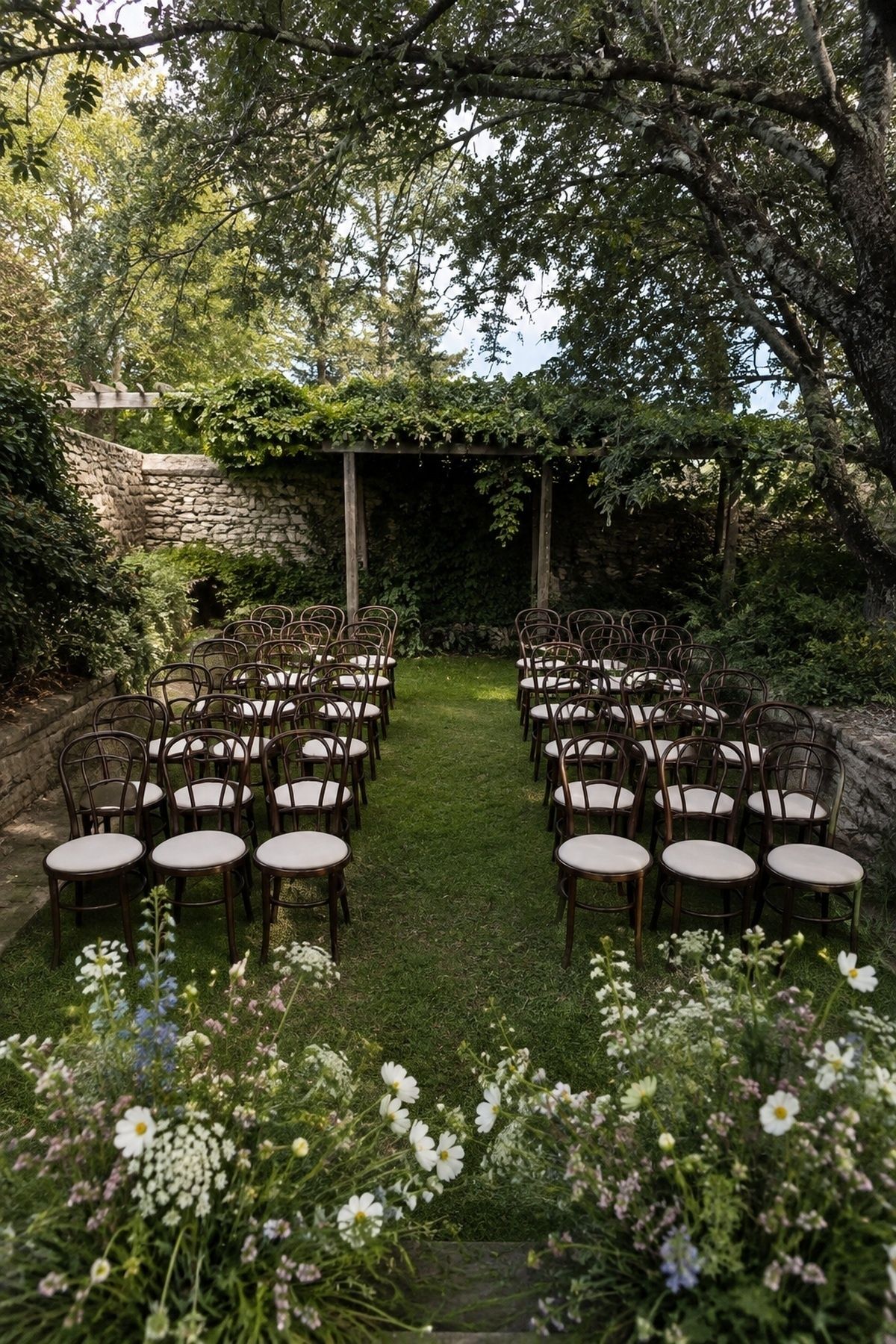
A small wedding needs more than open space. It needs edges. Courtyard walls, pergolas, tree canopies, low hedges, terrace railings, garden beds, vineyard rows, and water views can all frame the ceremony so the moment feels held. Without that shape, even 40 guests can look scattered across a big lawn.
Stand where you would exchange vows and look back toward the guest seating. Can everyone sit close enough to hear without shouting? Is there a clear aisle? Does the backdrop still look intentional if you use fewer chairs? Is the sun behind, beside, or directly in guests’ eyes? A smaller guest list is not an excuse for vague placement. It is a reason to make every line of sight count.
If you are touring a small garden wedding venue, notice whether the garden gives you a natural ceremony front. A fountain, archway, greenhouse door, tree, meadow edge, or stone wall can do more than a rented backdrop because it belongs to the place. The goal is not to fill the venue. The goal is to let the venue gather the day.
Match The Venue Type To The Celebration You Want
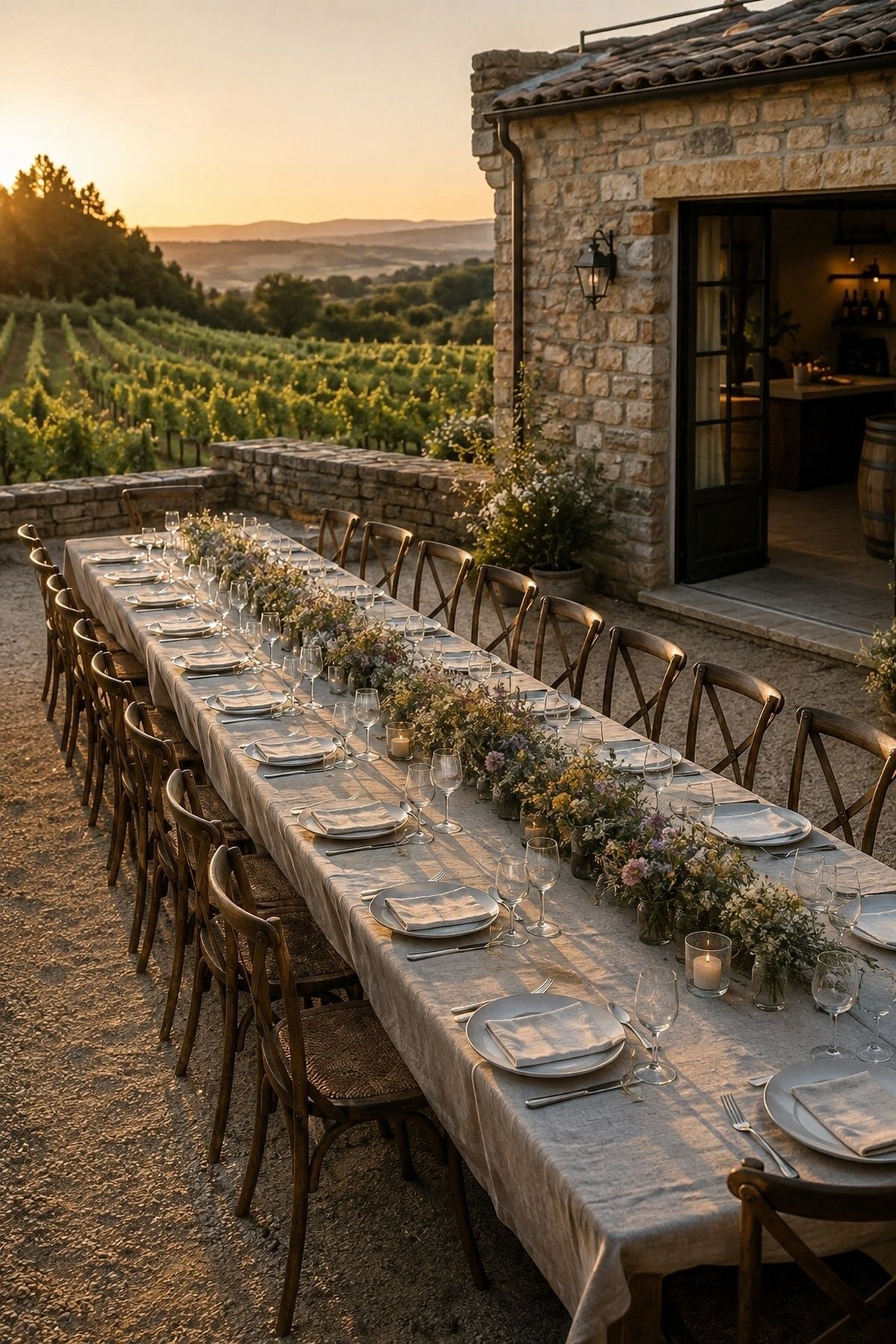
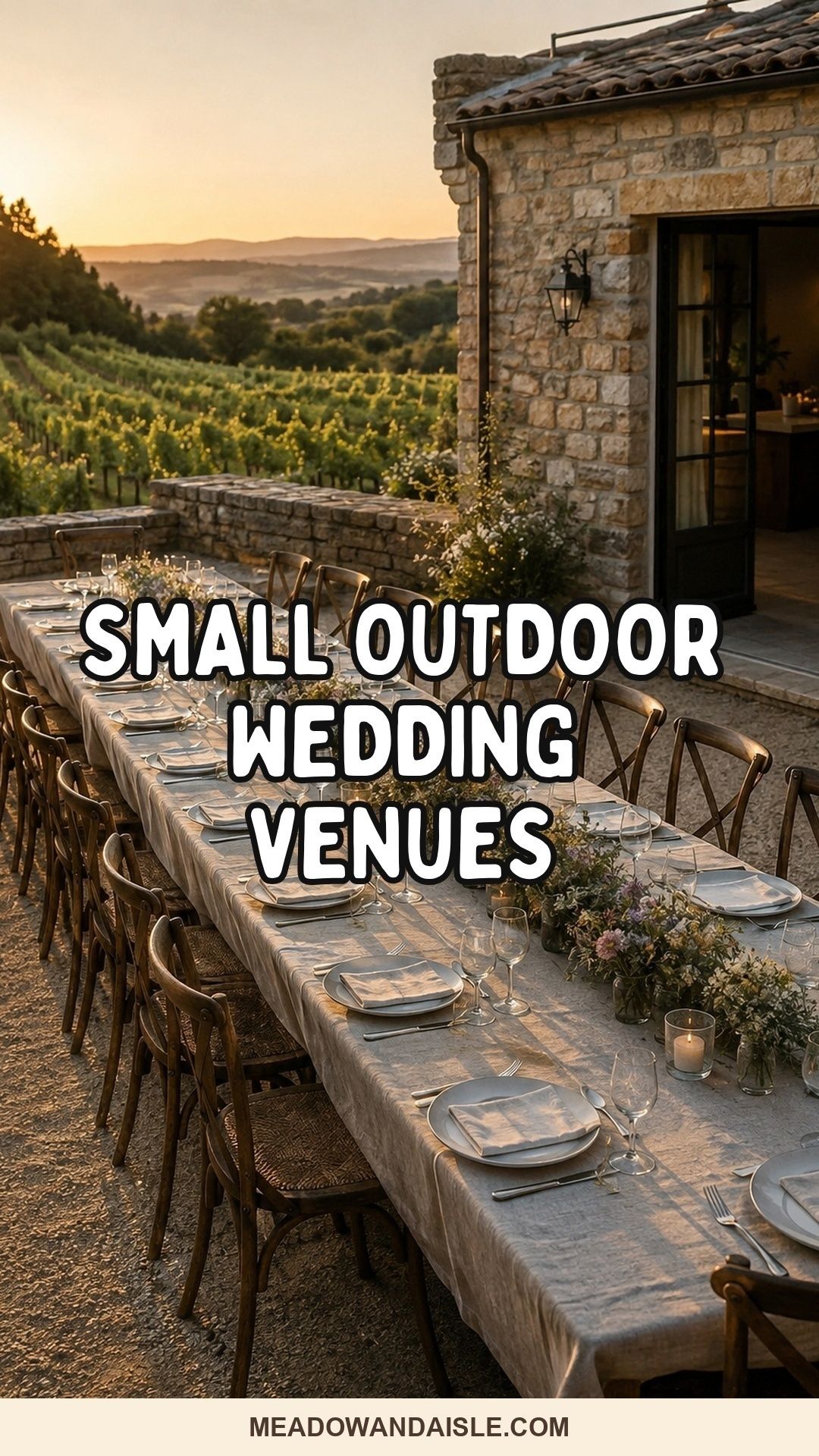
Different intimate outdoor wedding venues create different kinds of energy. A garden brunch feels gentle and floral, especially when the ceremony leads straight into mimosas, coffee, and a seated meal. A vineyard terrace suits couples who want golden-hour vows, long dinner tables, and a slow evening around wine and candlelight. A private patio wedding venue can feel wonderfully hosted because the kitchen, bar, restrooms, staff, and service rhythm are already close.
A waterfront lawn wedding venue gives you air, view, and movement, but it needs extra attention to wind, sound, footing, and guest comfort. A park pavilion can be charming and affordable, but it may require more planning around permits, privacy, restrooms, rentals, and cleanup. An estate garden or boutique hotel terrace often gives you more polish, though the rules may be firmer and the guest minimums higher.
Use the venue type to support the kind of hosting you want. If food and service matter most, a restaurant patio or hotel terrace may feel calmer than a blank field. If privacy and atmosphere matter most, an estate garden may feel more personal. If the ceremony view is the emotional center, a waterfront or vineyard setting can be worth the extra logistics as long as those logistics are named early.
Check Whether The Guest Count Feels Cozy Or Sparse
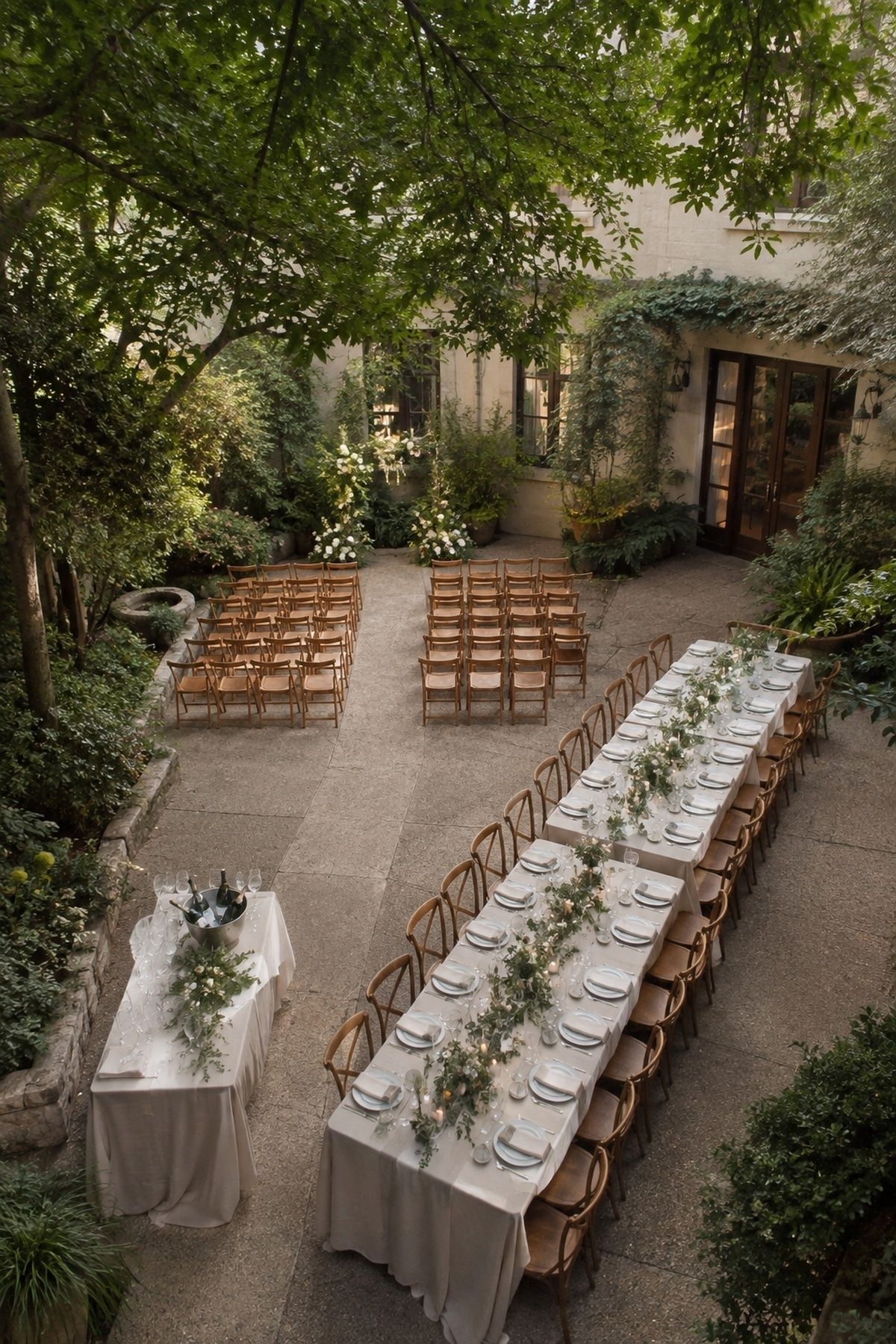
Outdoor venues can make guest count harder to judge because there are fewer walls telling you where the room begins and ends. Ask to see photos or floor plans from events close to your number, especially if you are planning outdoor venues for under 50 guests. A setup that looks romantic for 85 may feel thin for 28, while a tiny courtyard that feels perfect for 22 may feel crowded at 48.
Picture the whole footprint, not only the ceremony chairs. Where will the bar go? Where will dinner tables sit? Where does the caterer stage food? Where do musicians or a small speaker setup fit? Where will guests stand during cocktail hour if the ceremony area needs to be reset? If every function depends on the same patch of grass, the day may need a different layout or a smaller guest list. If dinner is moving elsewhere, these small wedding reception venues are built around one great meal.
Outdoor micro wedding venues often work beautifully when the layout feels intentionally close: one ceremony nook, one dining table or compact cluster of tables, one place for drinks, and a short, obvious restroom path. If you are drawn to an even more personal property, compare the venue against a small backyard wedding planning checklist so you can decide whether a private yard or staffed outdoor venue fits your planning capacity.
Treat The Rain Plan As Part Of The Venue
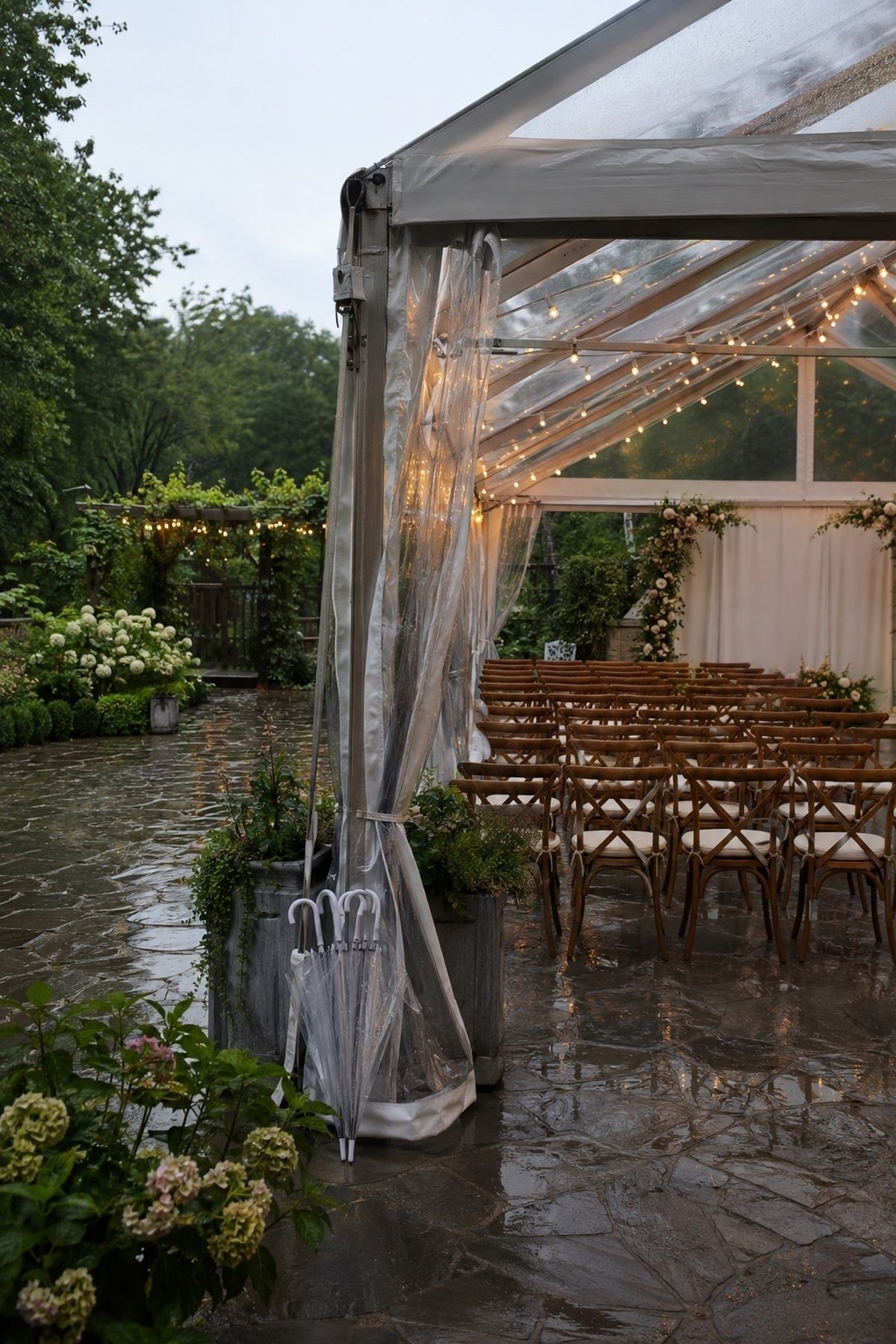
A weather backup is not a sad little appendix to the pretty plan. For an outdoor wedding, it is part of the venue itself. Ask where the ceremony moves, how many people fit seated, whether the space is included, who makes the weather call, when that call happens, and how chairs, flowers, musicians, sound equipment, signage, and photos shift if the forecast changes.
The best backup still feels like your wedding. A covered patio, tented terrace, greenhouse, pavilion, conservatory, indoor dining room, or clear-sided tent can be beautiful when it is planned from the beginning. What you want to avoid is a backup that feels like a hallway, storage room, or rushed compromise guests can sense the moment they arrive. If you would rather start inside, these small indoor wedding venues are worth comparing.
Ask about more than rain. Heat, wind, smoke, cold, soft ground, bugs, and strong sun can all change the day. Clear wedding umbrellas may help with a passing drizzle, outdoor wedding fans may help during a summer ceremony, and heaters may matter after sunset, but products cannot replace a real venue plan. The venue should know how outdoor weddings behave in its specific season.
Price The Outdoor Infrastructure Separately
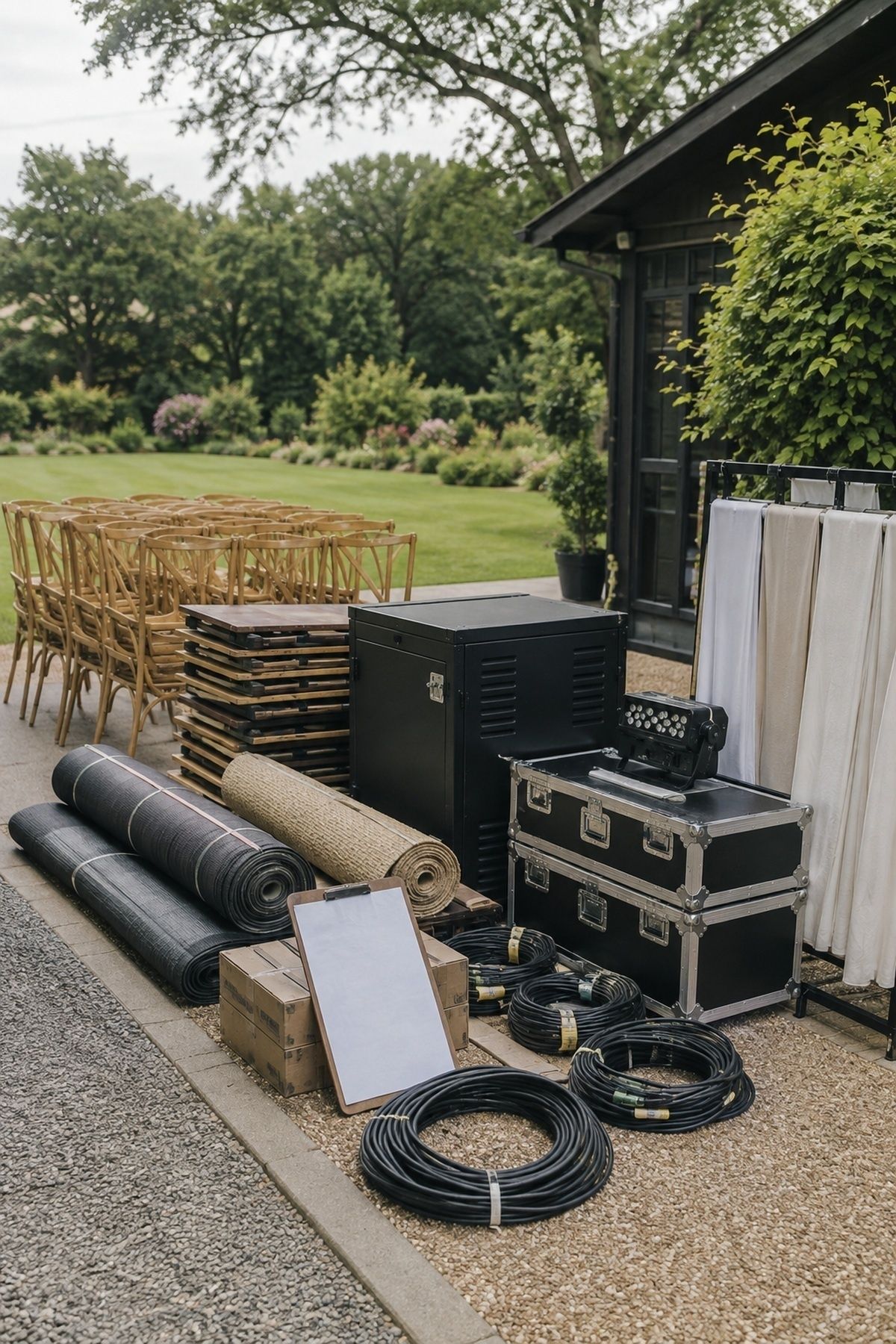
A lower rental fee can be misleading if the venue is a beautiful blank canvas. Outdoor spaces may need chairs, tables, linens, tenting, flooring, portable restrooms, lighting, generators, extension cords, trash removal, parking attendants, security, setup labor, cleanup labor, permits, insurance, and extra staff. Once those pieces are added, the charming lawn may cost more than a venue that looked expensive at first.
Ask for a line-by-line list of what is included and what is not. Does the venue provide ceremony chairs? Reception tables? Umbrellas? Restrooms? Power? Lighting? A microphone? A tent vendor? A rain-plan space? Staff to move chairs? Someone to handle trash? If the answer is no, price that item before you compare the venue against another option.
This is where an all-inclusive small venue may be worth pricing alongside a blank outdoor site. It may cost more on paper, but it can include staffing, rentals, food, bar, coordination, restrooms, lighting, and backup spaces that a blank outdoor site leaves to you.
For couples watching the budget closely, compare quotes from affordable small wedding venues only after every outdoor infrastructure cost is listed. That makes it easier to separate genuinely modest options from venues that only look inexpensive before rentals, labor, and weather protection are added.
Walk The Guest Path Before Booking
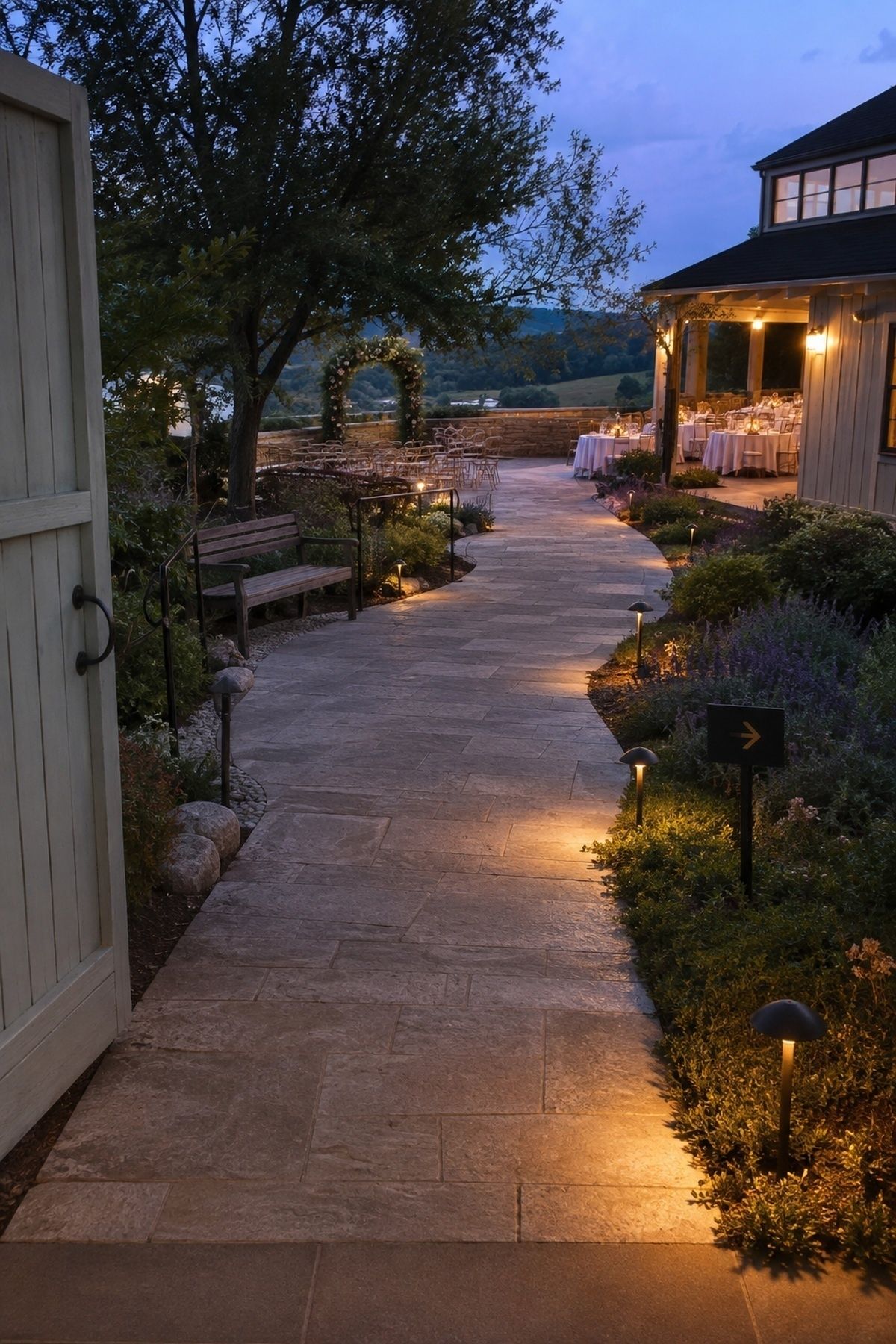
Guest flow matters more at a small wedding because every awkward pause is visible. Walk the route exactly as guests will experience it: parking or rideshare drop-off, welcome point, ceremony seating, cocktail area, restroom path, dinner tables, photo spots, dance or mingling area, and exit. Do it in the shoes, weather, and time of day closest to your plan if you can.
Look for short distances, clear turns, steady ground, lighting after dark, and places where older guests can pause. Ask whether the route works for wheelchairs, walkers, strollers, dress shoes, and heels. Grass can be soft and romantic until it becomes difficult for a grandparent, muddy for a flower girl, or wobbly for someone carrying a drink.
Clear signage helps, but the layout should not depend on signs alone. If guests have to cross a parking lot for the restroom, climb stairs to dinner, wander between several lawns, or walk through a public area during the ceremony, ask how the venue manages that movement. A small outdoor wedding should feel intimate, not logistically exposed.
Ask About Rules That Change The Mood
Outdoor rules can shape the atmosphere as much as decor does. Ask about music cutoff times, amplified sound, live instruments, candle or flame policies, alcohol service, vendor restrictions, pet rules, confetti, open food, drones, cleanup, deliveries, end times, and whether other events or public visitors will be nearby. A beautiful venue with a 7:30 p.m. sound cutoff may still work, but only if you want an early, quieter celebration.
Sound deserves special attention. Outdoor air swallows vows quickly, even with a tiny guest list. Ask whether microphones are allowed, whether the venue has a portable ceremony PA speaker, where speakers can be placed, and whether neighbors or local ordinances limit volume. If guests cannot hear the vows or toasts, the whole day can feel farther away than it should.
Vendor rules also matter. Some outdoor venues require approved caterers because of access, fire safety, alcohol licensing, or property protection. Others allow outside vendors but have strict load-in windows, parking rules, generator rules, or cleanup expectations. Get the rules in writing before you fall in love with a food truck, live band, candlelit tablescape, or late-night plan.
Keep The Design Light Enough For The Setting
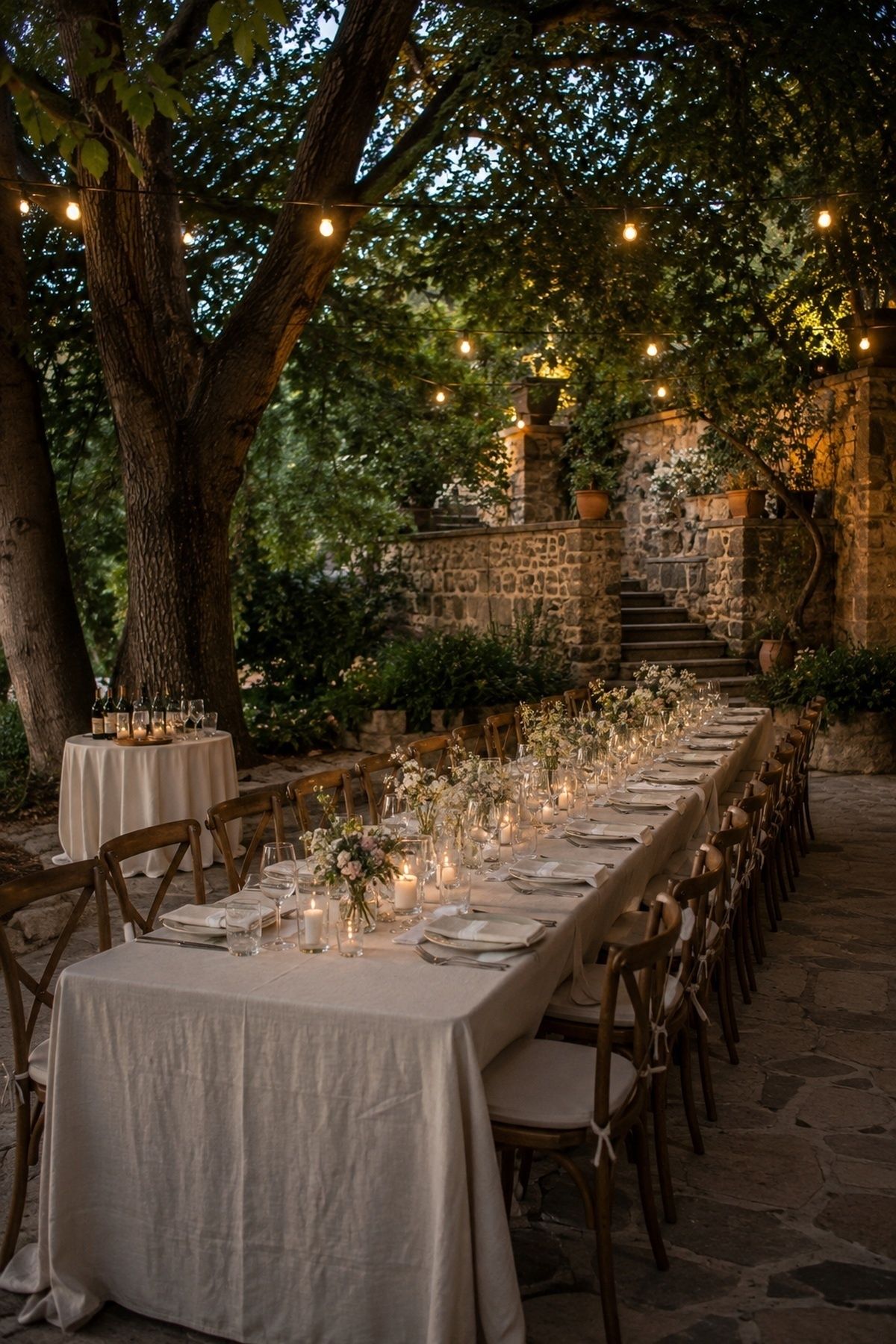
Small outdoor venues rarely need heavy styling. The landscape is already doing visual work, so your decor should clarify the celebration instead of competing with it. Choose low florals, simple linens, warm lighting, clear signage, comfortable seating, and a few personal details guests will actually notice up close.
Use lighting where it changes the experience: along paths, near steps, around dinner tables, at the bar, and where speeches happen. Battery powered string lights can help in spots without easy outlets, but ask what the venue allows before you plan installations. Some properties limit what can be hung, staked, taped, tied, or plugged in.
If you are deciding between outdoor styles, compare garden softness with small beach wedding venues or other natural settings before buying decor. A beach, garden, patio, vineyard, and lawn each need a different level of restraint. The best design looks like it belongs to the place.
Mistakes To Avoid With Small Outdoor Venues
The first mistake is booking for the view alone. A spectacular backdrop will not protect guests from heat, wind, confusing paths, distant restrooms, bad sound, or an awkward rain plan. Before you sign, ask yourself whether the venue would still feel good if the weather changed or the ceremony moved to the backup space.
The second mistake is assuming tents are simple. Tents can require permits, flooring, lighting, sidewalls, power, delivery access, setup time, and weather decisions well before the wedding day. A tented plan can be elegant, but it should be priced and designed as part of the venue, not added in a panic when the forecast turns.
The third mistake is underestimating guest directions. Small weddings often include close family and friends who will ask the couple questions directly if the plan is unclear. Give guests arrival instructions, footwear guidance if needed, timing, parking notes, and weather expectations before the day. The more relaxed you want the wedding to feel, the more quietly precise the logistics need to be.
Finally, do not choose a venue that makes the guest list feel too scattered. If intimacy is the point, look for a space where everyone can see, hear, eat, toast, and move without drifting apart. The strongest micro wedding venues feel emotionally close and physically easy at the same time.
FAQ
What Is The Best Type Of Outdoor Venue For A Small Wedding?
The best type depends on the celebration you want. Gardens, courtyards, restaurant patios, vineyard terraces, waterfront lawns, estate gardens, boutique hotel terraces, and covered outdoor rooms can all work well. Choose the venue that fits your guest count, gives the ceremony a focal point, keeps restrooms close, and includes a weather backup you would actually use.
How Do You Choose A Small Outdoor Wedding Venue?
Choose a small outdoor wedding venue by walking through the real guest experience. Check arrival, seating, shade, ceremony sound, cocktail flow, dinner setup, restroom access, lighting, parking, vendor access, and rain backup. Then compare what is included in the rental fee against the rentals and staff you would need to add.
What Should You Ask Before Booking An Outdoor Wedding Venue?
Ask about guest capacity, event timing, included rentals, exclusivity, weather backup, restrooms, parking, accessibility, power, lighting, music rules, vendor restrictions, alcohol policy, decor limits, insurance, cancellation terms, setup, cleanup, and the sample contract. Outdoor venues need especially clear answers because comfort and logistics can change quickly with weather.
How Many Guests Work Best For An Outdoor Micro Wedding?
An outdoor micro wedding often works best with 10 to 40 guests, though some venues can comfortably host closer to 50. The right number depends on the ceremony footprint, dinner layout, restroom distance, walking paths, weather backup, and whether the venue feels cozy or sparse once tables, vendors, and guest movement are included.
What Should An Outdoor Wedding Venue Include?
An outdoor wedding venue should include, or clearly help you arrange, seating, tables, restrooms, power, lighting, trash removal, setup support, cleanup, parking guidance, vendor access, a sound plan, and a real weather backup. The more blank-canvas the venue is, the more carefully you need to price rentals and staffing before booking.
What Happens If It Rains At An Outdoor Wedding Venue?
If it rains, the venue should already have a clear plan for where guests sit, where the ceremony happens, how dinner is served, who moves rentals, when the weather call is made, and how vendors adjust. A strong rain plan might use a covered patio, tent, pavilion, greenhouse, conservatory, or indoor room that still feels connected to the wedding.
Final Thoughts
Small outdoor wedding venues are at their best when beauty and hospitality are doing the same work. Choose the place where your people can arrive easily, sit close, hear the vows, find shade, enjoy dinner, move after dark, and feel protected if the weather changes. Before you send a deposit, walk through the venue-tour questions that affect capacity, inclusions, weather backup, parking, vendor rules, and contract details.
Last update on 2026-10-03 / Affiliate links / Images from Amazon Product Advertising API