

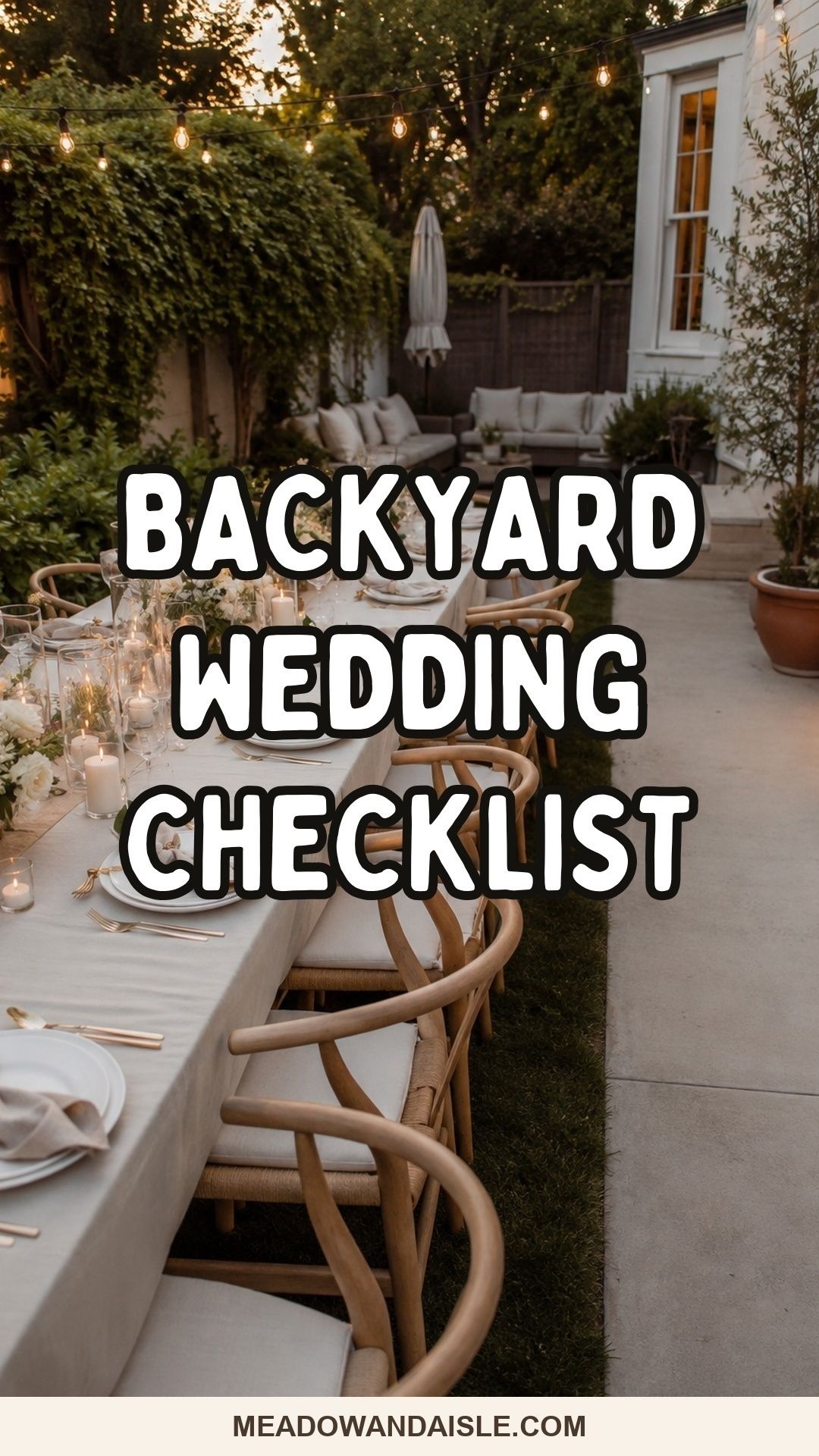
A small backyard wedding planning checklist works best when it follows the guest experience from arrival to goodbye, then gives each moment a clear owner, weather choice, comfort detail, and cleanup plan.
A backyard wedding is not just a smaller version of a venue wedding. It is a hosted evening in a place that already carries memory, which means the practical choices should feel personal, gracious, and easy to understand. The right checklist helps you protect that feeling without asking family or guests to guess what happens next.
Recommended Wedding Products


You Might Also Like These Blog Posts
- Small Wedding Planning Checklist For A Calm, Personal Day
- Micro Wedding Planning Checklist For A Calm, Close Celebration
- Last Minute Wedding Planning Checklist For Pulling Together A Beautiful Day
- Backyard Summer Wedding Ideas for a Personal Celebration That Still Functions Like a Venue
- Simple Wedding Planning Checklist For Couples Who Want Less Noise
- 3-Month Small Wedding Planning Checklist For A Short, Sane Timeline
A small backyard wedding planning checklist shaped around how the day should feel
Start by naming the promise of the day in one sentence. Maybe it is dinner under the maple tree with your closest people, vows on the lawn before a family-style meal, or a relaxed garden party where no one feels hurried. That promise becomes the filter for every decision that follows.
Once you know the feeling, plan the wedding as a sequence of guest moments instead of a stack of tasks. Arrival, ceremony, drinks, dinner, dancing or lingering, late-night departures, and the morning-after reset each need a little attention. This creates a backyard wedding checklist that feels human first and logistical second.
The small guest count is a gift here. You can be more thoughtful with signs, seating, paths, music, and meal service because you are not designing for a crowd. You are designing for people you know.
Begin With The Invitation Promise
Tell Guests What Kind Of Evening They Are Entering
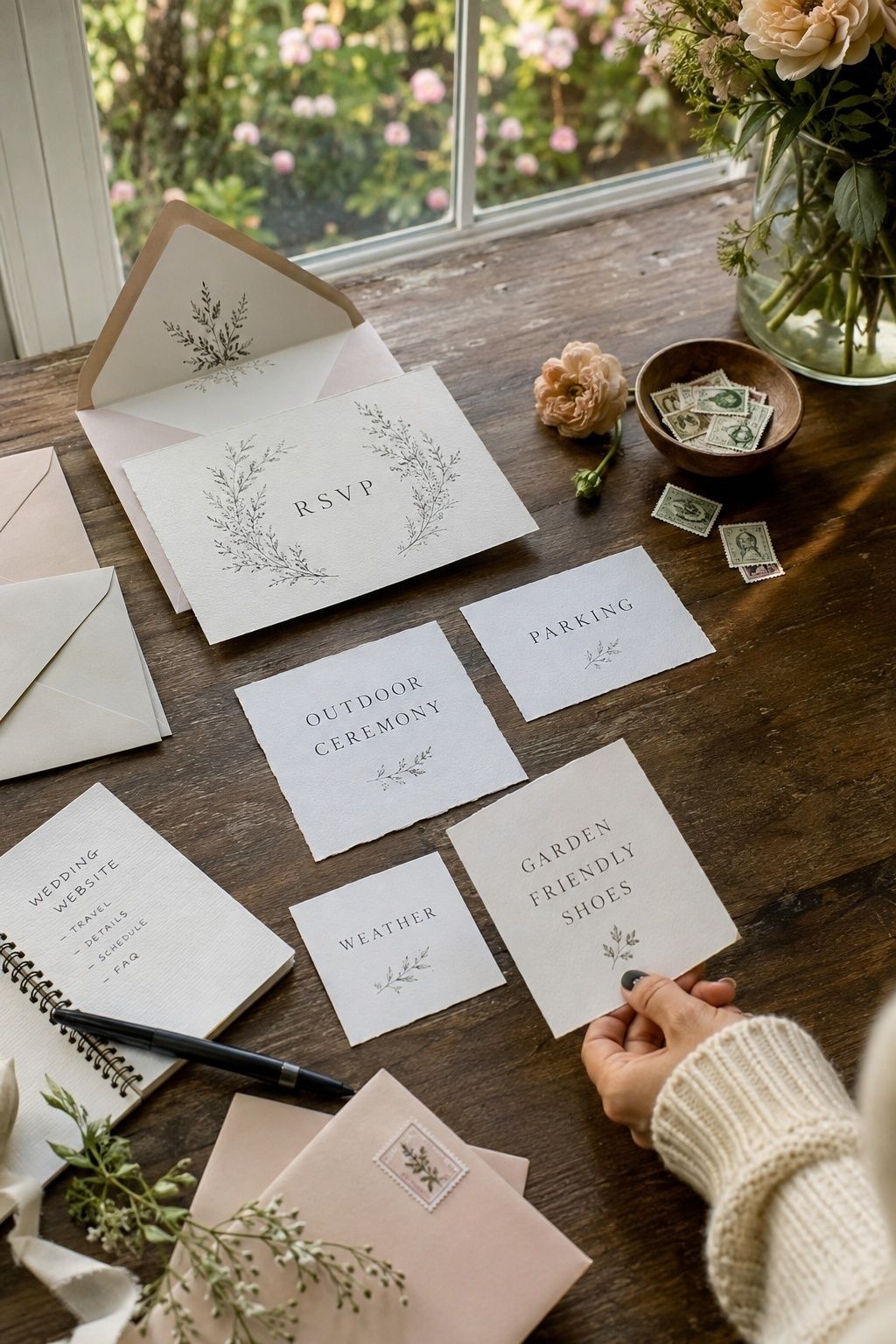
A backyard wedding starts before anyone steps onto the property. The invitation, wedding website, and reminder texts should quietly set expectations: ceremony outdoors, dinner on grass or patio, shoe guidance, parking details, weather notes, and whether the celebration is dressy, relaxed, or somewhere tenderly in between.
For a small wedding, clarity can still feel beautiful. A line about garden-friendly shoes or an outdoor dinner reads like care when it is written warmly. Guests should arrive feeling included, not corrected.
Match The Guest Count To The Mood
A small backyard wedding checklist should begin with the number of people who can be welcomed well, not the number the yard might technically hold. Count the people who need chairs, shade, dinner space, bathroom access, and a clear path to move without squeezing past flower beds or service tables.
If the guest list starts stretching the feeling you want, pause before expanding it. A calm dinner for 28 can feel more generous than a crowded reception for 48. A simple floor plan makes that difference visible before the invitations make it permanent.
Set House Boundaries Kindly
Decide which rooms are open, where coats and bags go, whether guests can use the kitchen, and where children or older relatives can rest. Private homes need gentle boundaries because the setting is intimate. A pretty sign and a calm helper can keep the house from becoming the default solution to every question.
Design The Arrival Like A Welcome
The First Ten Minutes
Picture the first ten minutes from a guest’s point of view. They need to know where to park, which entrance to use, where the ceremony is, whether to take a drink, and whether they should sit right away. A welcome sign, a visible path, and one warm person near the entrance can do more than a table full of complicated details.
Keep arrival separate from vendor movement whenever possible. Guests should not feel as if they have walked into setup. If deliveries or catering access must cross the same area, set timing carefully so the welcome moment still feels composed.
Parking Without Awkwardness
Parking is emotional because it is the first place guests can feel uncertain. Choose the kindest option available: driveway order, nearby lot, rideshare drop-off, shuttle, or a neighbor-approved street plan. Then make the instructions simple enough that no one has to call the couple while holding a wrapped gift.
If your location has rules about street parking, tents, amplified music, or alcohol service, fold those calls into a permit checklist early. The point is not to make the day feel bureaucratic; it is to keep the welcome peaceful.
A Path That Works In Real Shoes
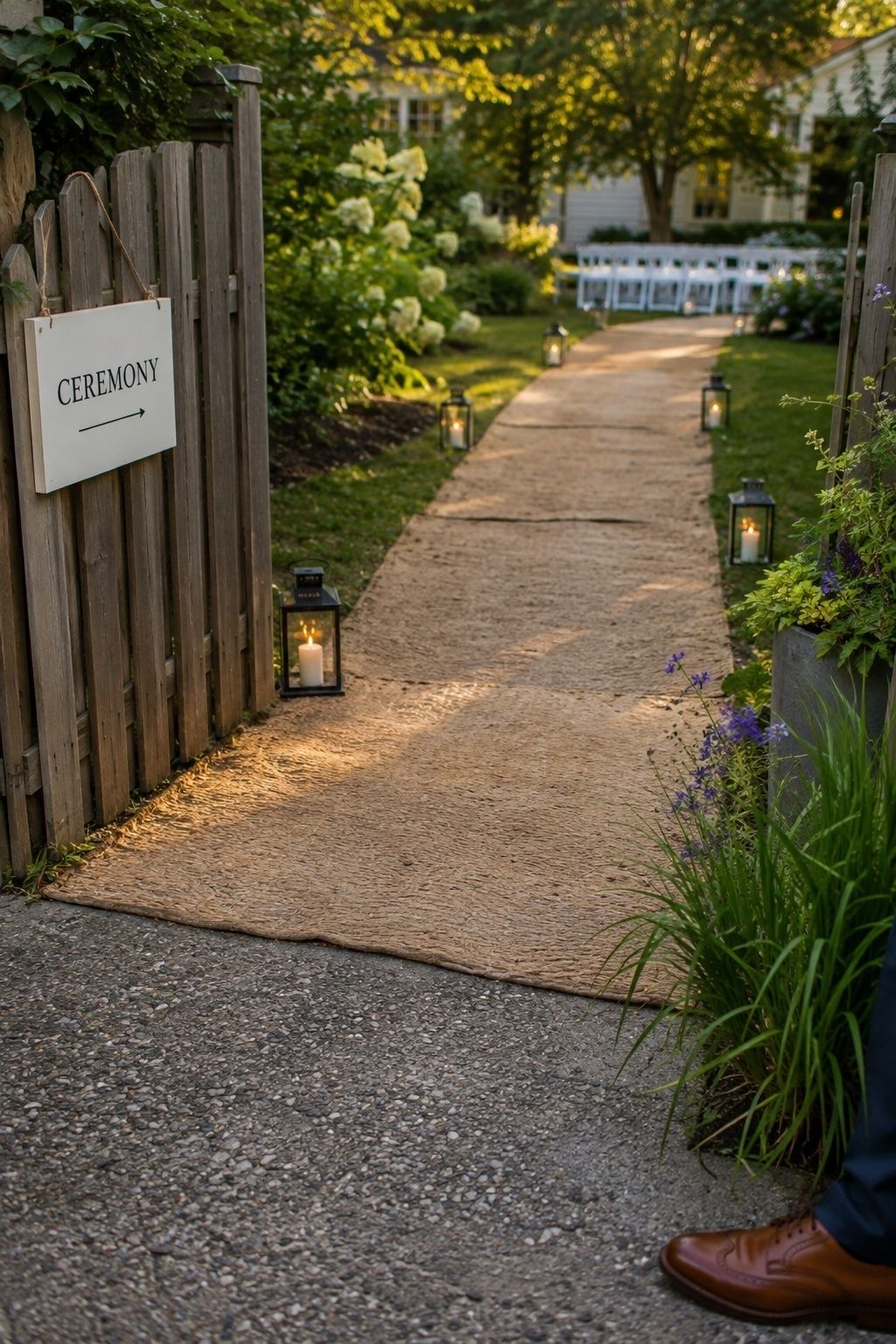
Walk the route from the car to the ceremony in the shoes your guests may wear. Notice gravel, uneven lawn, stairs, muddy corners, dim areas, and narrow gates. Add mats, lanterns, signs, or a helper where the path needs gentleness.
Make The Ceremony Feel Close, Not Improvised
Choose The Vow Spot For Sound And Stillness
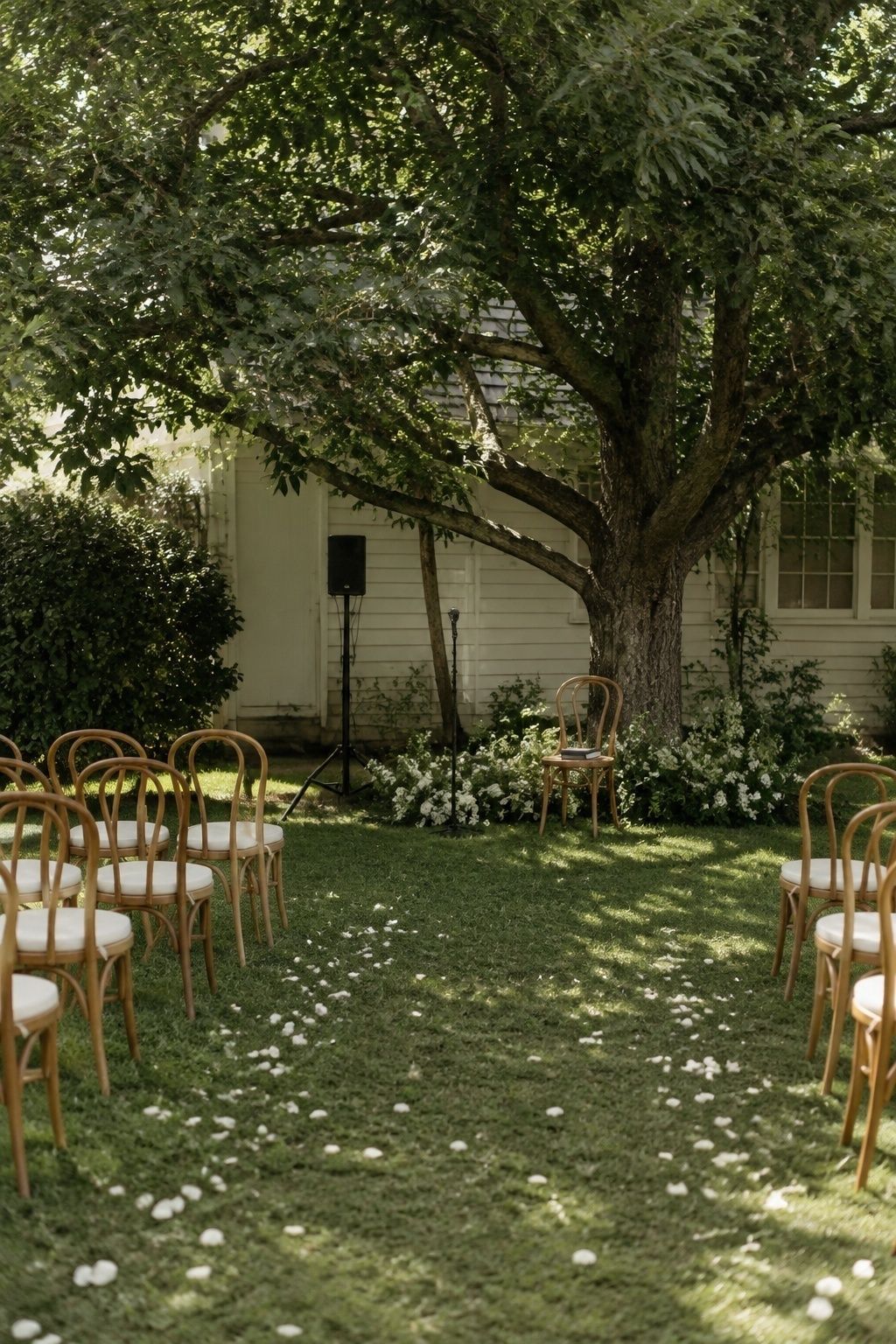
The ceremony spot should feel meaningful, but it also needs quiet, sightlines, and enough room for the couple, officiant, processional, photographer, and guests. Stand there at the ceremony time of day and listen. Traffic, dogs, wind, and kitchen noise become easier to solve when you notice them early.
A small speaker or microphone can make an outdoor ceremony feel more intimate, not less. Guests relax when they can hear the words without leaning forward or whispering to each other.
Give Seating A Sense Of Belonging
Small weddings can use seating to create closeness. Curve chairs slightly, leave space for family members who need easier access, and reserve a few seats without making the arrangement feel stiff. If chairs need to move after the ceremony, name the people moving them before the wedding week.
Have A Gentle Weather Choice
The weather plan should feel like another version of the wedding, not a punishment. Decide where vows happen if the lawn is wet, where portraits move if the light changes, and what guests hear if the plan shifts. A clear rain plan helps the backup feel thoughtful instead of last-minute.
Turn Cocktail Hour Into A Soft Landing
Create One Obvious Place To Gather
After the ceremony, guests need a place to exhale. Choose one clear gathering area for drinks, water, small bites, hugs, and photos. It does not have to be elaborate; it only has to keep people from drifting into the kitchen, blocking the caterer, or wondering whether dinner is about to begin.
Think in small circles rather than large stations. A drink table, a shaded bench, a tray of passed bites, and soft music can carry the moment beautifully when the guest list is intimate.
Place Bathrooms Where Guests Feel Comfortable
Bathroom planning is part of hospitality, not an afterthought. Guests should know where to go, have enough light to get there, and feel that the route is private enough. If the house bathroom is not the right fit for the length or guest count, bring in a polished rental option and assign someone to check it discreetly.
Keep Bugs, Heat, And Chill From Becoming The Memory

Small outdoor weddings are remembered through the body as much as the eye. Shade, fans, blankets, bug control, water, stable paths, and enough light can make the whole evening feel cared for. These details rarely become the headline, which is exactly why they work.
Set The Dinner Scene Around Conversation
Choose Tables For The Way People Talk
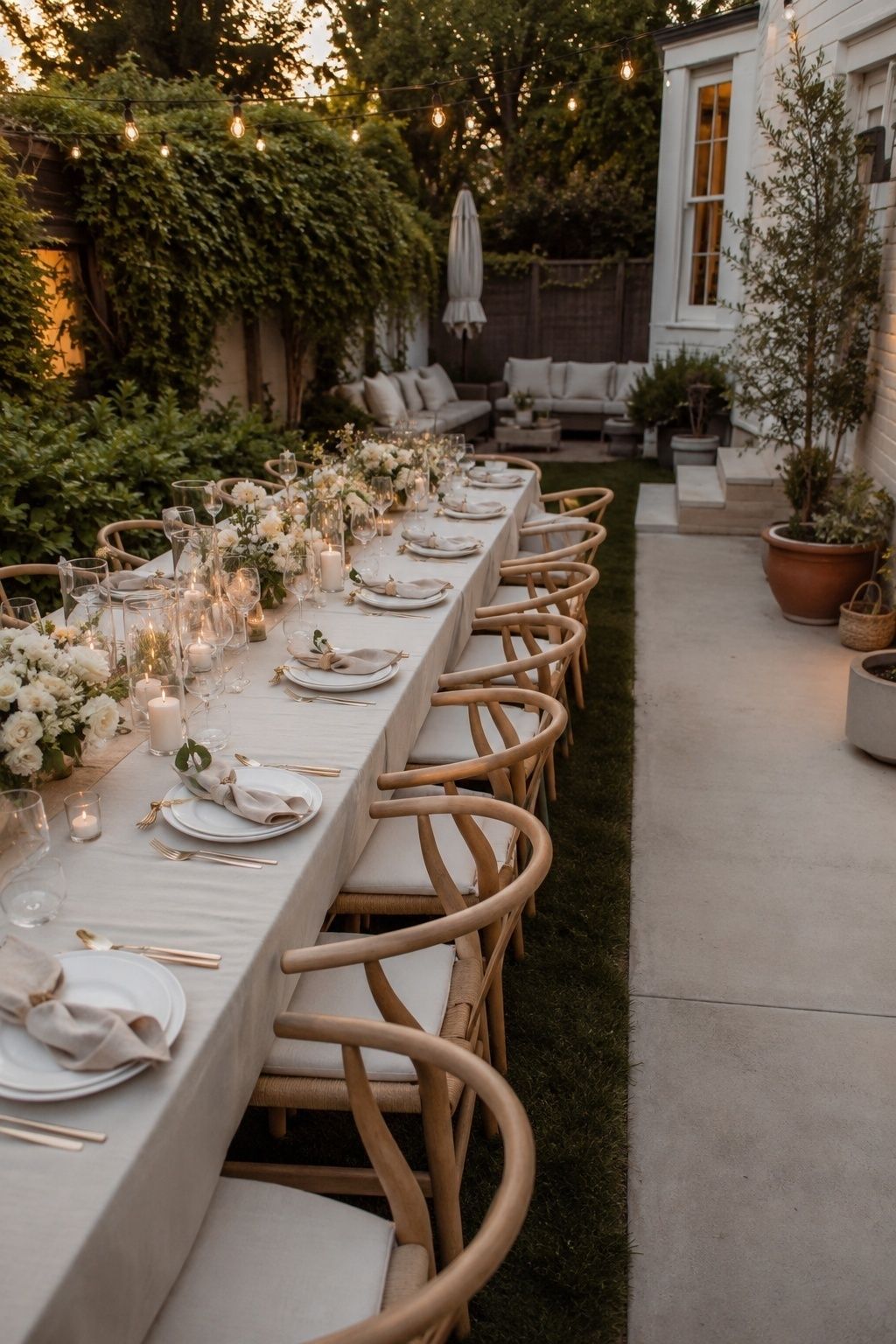
Backyard dinners shine when the seating supports conversation. One long table can feel intimate and cinematic, while smaller tables may work better for uneven yards, family dynamics, or a narrow patio. Let the shape of conversation guide the layout before you choose linens or centerpieces.
Once the seating shape is clear, a rentals checklist can hold the practical count: chairs, tables, linens, lighting, tabletop pieces, service tables, heaters, fans, and the items vendors expect you to provide.
Give Food Service A Calm Backstage
The meal feels effortless when the work behind it has somewhere to happen. Choose a prep surface, a route from food to table, a place for empty trays, a water plan, and a person who can answer food questions. Whether dinner is catered, dropped off, grilled, or served family-style, the couple should not be managing plates in wedding clothes.
Let Decor Serve The Yard
Backyard decor does not need to compete with the setting. Use the best view, the prettiest tree, the warmest wall, or the softest corner as the anchor, then add flowers, candlelight, linens, and signs with restraint. Too many fragile details can make a home wedding feel busy instead of intimate.
Give The Evening A Quiet Steward
One Person Holds The Day

A backyard wedding needs one calm person who understands the whole flow and is not getting married. This person can greet vendors, answer timing questions, watch the weather, protect the couple’s attention, and notice when a bathroom, trash bin, candle, playlist, or water station needs care.
Even when a friend is stepping into the role, a checklist that avoids common day-of coordinator mistakes gives them the names, phone numbers, addresses, payment notes, and decision rules they need to act without interrupting the couple.
Write The Decisions Before The Emotions Arrive
Decide ahead of time who can move dinner indoors, who can delay the ceremony, who handles a neighbor concern, who calls the rental company, and who tells guests if parking changes. Written decisions make the day feel softer because fewer people are improvising under pressure.
Protect Family From Becoming Staff
Family help can be lovely, but it should be chosen rather than assumed. If parents, siblings, or friends are expected to move chairs, refresh drinks, manage gifts, or reset the house, ask clearly and keep the task humane. The best backyard weddings let loved ones participate without disappearing into labor.
Plan The Goodbye Before The Party Begins
A Kind Ending For Guests
The end of a backyard wedding can feel especially tender because guests are leaving a private home, not a ballroom. Decide how music winds down, where rideshares arrive, whether older guests need help to cars, and how the couple exits or says goodbye. A gentle ending keeps the night from dissolving into confusion.
A Real Reset For The Home
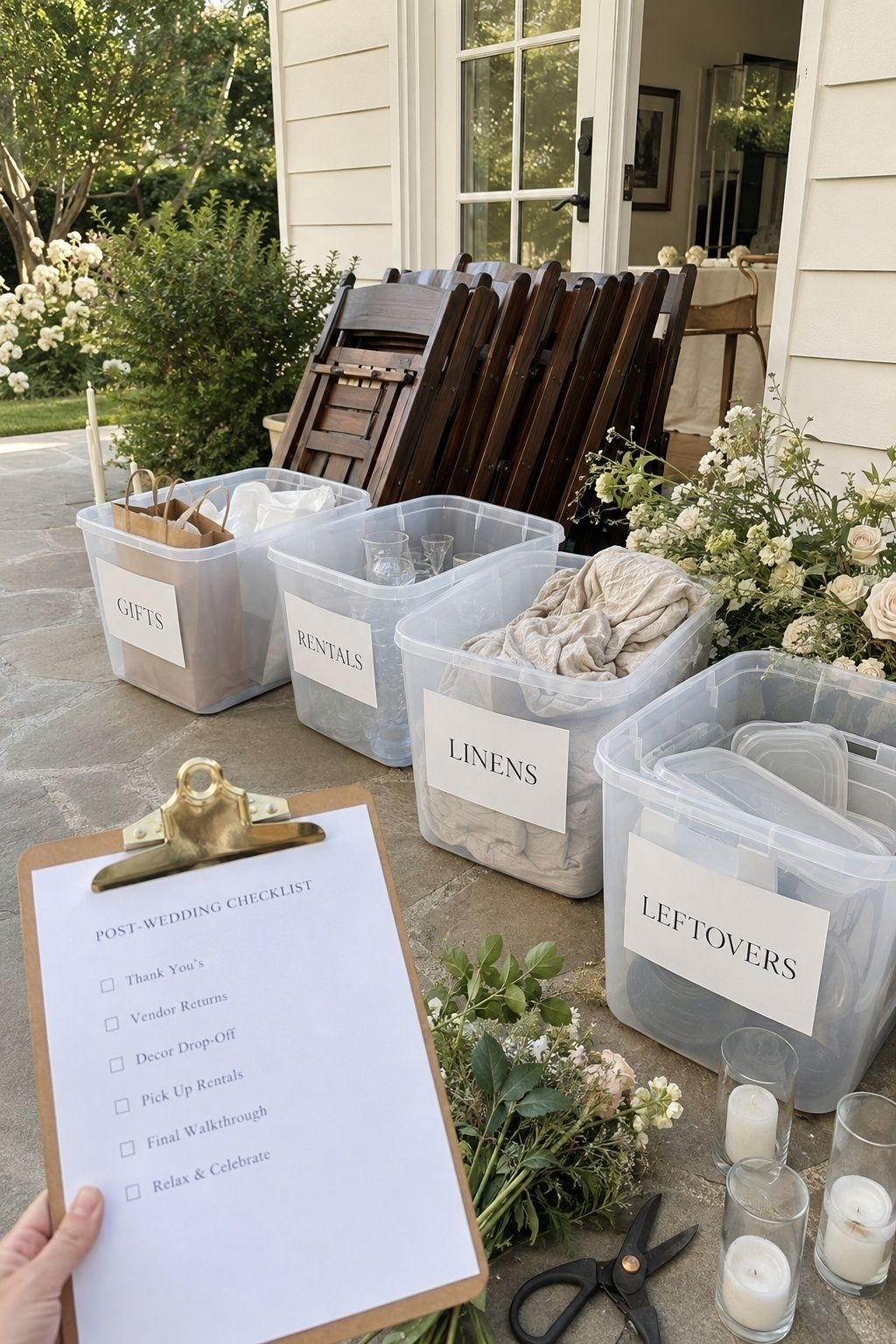
Cleanup needs names, timing, and containers. Decide who gathers personal items, who handles leftovers, who checks bathrooms, who collects gifts, who brings decor inside, who secures rented pieces, and who locks the house. During the final week, a final-week checklist keeps those practical promises visible.
What To Skip Without Regret
Skip anything that asks the backyard to become something it is not. You may not need a formal escort-card display, a large dance floor, a multi-course bar menu, favors, ceremony programs, or extra decor on every surface. Keep the pieces that make people feel welcomed, fed, heard, comfortable, and close.
FAQ
How Do You Plan A Small Backyard Wedding From Scratch?
Plan it from the guest journey outward. Start with the arrival, ceremony, gathering space, meal, bathrooms, weather option, and goodbye, then assign owners for the practical details behind each moment. This keeps the wedding personal while making the home feel easy for guests to navigate.
What Do You Need To Rent For A Backyard Wedding?
Most backyard weddings need some combination of seating, dining tables, linens, lighting, sound, service tables, weather cover, temperature control, bathrooms, and trash support. The best rental list starts with how guests will move through the day, then fills in what the property cannot comfortably provide.
Do You Need Permits For A Backyard Wedding?
You might, depending on local rules, guest count, parking, amplified sound, alcohol service, tents, and neighborhood restrictions. Check early enough that the answer can shape the plan calmly. Written confirmation is worth saving because it gives vendors and hosts a clearer shared understanding.
How Many Bathrooms Do You Need For A Small Backyard Wedding?
You need enough bathrooms that guests feel comfortable and the home is not strained all evening. Guest count, event length, alcohol service, septic limits, accessibility, and privacy all matter. If the house bathroom feels too exposed or too busy, a restroom trailer can protect the mood.
How Do You Make A Backyard Wedding Comfortable For Guests?
Make comfort visible but quiet. Give guests clear arrival instructions, stable paths, audible vows, enough seating, easy water, pleasant lighting, weather relief, bathroom privacy, and a calm person to ask. A small wedding feels luxurious when no one has to solve basic needs for themselves.
Is A Backyard Wedding Actually Cheaper Than A Small Venue?
Sometimes, but the savings depend on what the home already offers. A backyard may avoid a venue fee, but it can require rentals, bathrooms, lighting, weather cover, cleaning, staffing, and property preparation. It is most cost-effective when the guest list stays small and the setting already suits the celebration.
What Is The Biggest Mistake Couples Make With Backyard Weddings?
The biggest mistake is planning only what the wedding will look like. A backyard celebration also needs a clear welcome, comfortable paths, a weather choice, food flow, bathroom privacy, a responsible day-of steward, and a real cleanup plan. Those details let the beauty feel effortless.
Final Thoughts
A small backyard wedding should feel like the most generous version of home: familiar, warm, and easy to settle into. When each part of the day has a purpose and a person behind it, the celebration can stay intimate without becoming fragile.
Let the final plan hold both tenderness and order, so your guests can move from the curb to the last goodbye feeling considered, comfortable, and fully present inside a backyard wedding plan.
Last update on 2026-10-03 / Affiliate links / Images from Amazon Product Advertising API