

Elopement dinner party ideas work best when the meal feels intentional, calm, and easy to host. Choose a dinner format first, then shape the guest list, menu, timing, and a few wedding-feeling details around that one shared table. The result feels intimate without feeling unfinished.
A dinner after eloping is not a consolation event. It is a small, generous way to let loved ones gather around the marriage after the private vows have already happened. That gathering feels elegant, casual, family-centered, food-focused, or wonderfully simple, as long as guests understand what they are being invited to share.
The easiest plans start with the feeling you want at the table. Some couples want candlelight, a printed menu, and a quiet toast. Others want backyard pasta, kids running through the yard, and an instant camera getting passed from hand to hand. Both feel special when the hosting is clear.
Recommended Wedding Products


You Might Also Like These Blog Posts
- Wedding Dinner Party Ideas With Candlelit Main Character Energy
- Backyard Post Elopement Party Ideas With Real Hosting Comfort
- Post Elopement Party Invitation Wording For Every Kind Of Celebration
- What To Call A Party After Eloping So Guests Understand The Vibe
- Who To Invite To A Post Elopement Party When You Want It Intimate
- Party After Eloping Etiquette For Sharing The Joy Without Rewriting The Day
Elopement Dinner Party Ideas
The heart of elopement dinner party ideas is the same no matter where dinner happens: feed people well, give the evening a beginning, and let the table carry the celebration. You do not need a full reception program for a dinner party after eloping. You need a meal that matches the guest count, a room built for conversation, and one or two details that tell guests this is about your marriage.
Before choosing decor, decide whether the dinner is mainly for family, closest friends, both families together, or the people who could not travel to the ceremony. That answer changes the room, the menu, the seating, and the tone of the invitation. A family dinner after eloping often needs warmth and clarity. A friend dinner leans looser. A mixed dinner benefits from a tiny bit more hosting structure.
Think in terms of a small dinner after eloping rather than a miniature wedding. The table holds flowers, candles, menus, a guest book, photos, a toast, cake, music, and a beautiful meal only when those details earn their place. When the plan is tight, the evening feels intimate. When the plan tries to imitate a ballroom reception, the dinner loses the ease that made eloping attractive in the first place.
1. Private Dining Room Dinner
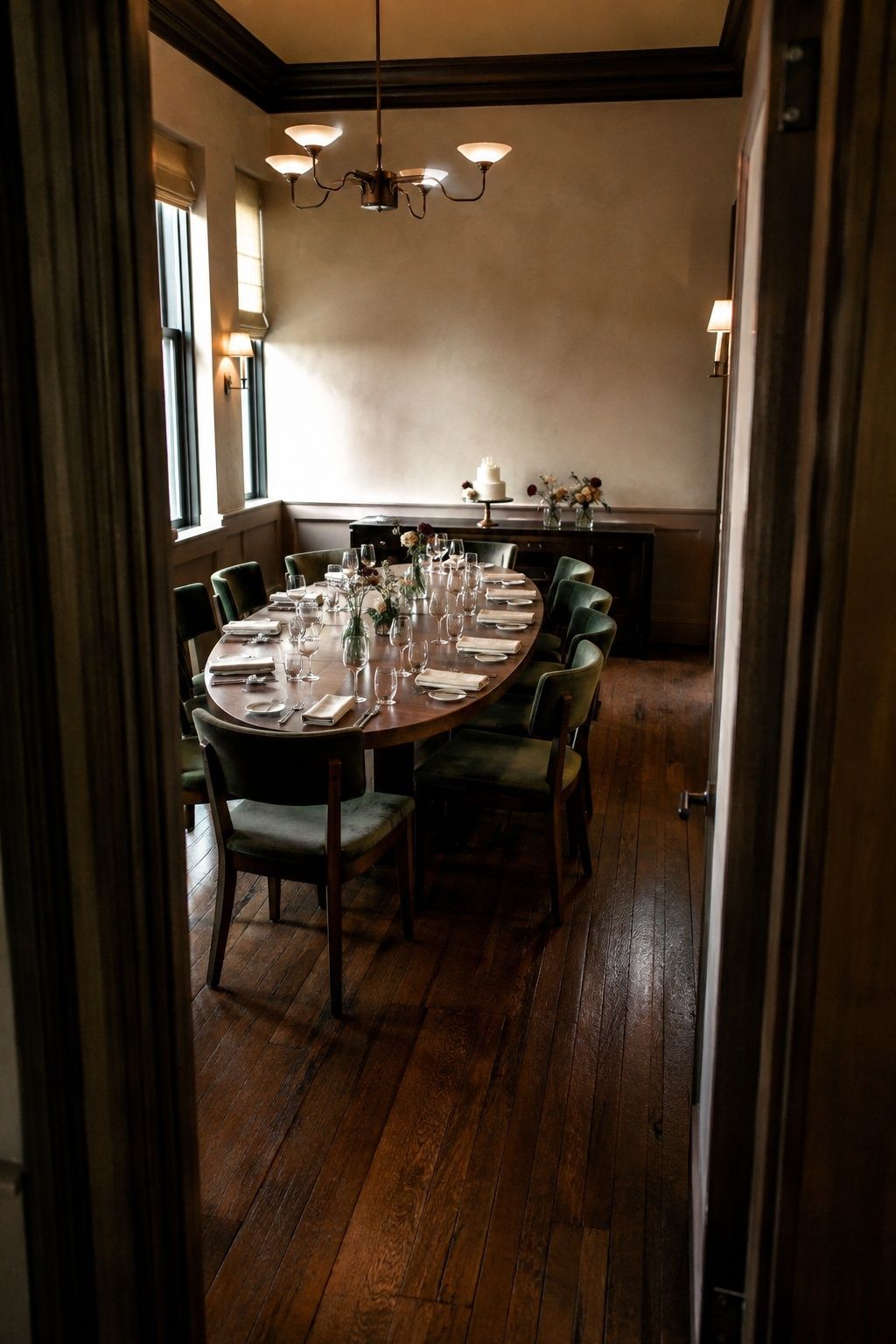
A private dining room is one of the cleanest elopement reception dinner formats because the restaurant already solves food, seating, service, glassware, restrooms, lighting, and cleanup. It works for couples who want the night to feel polished without renting a blank venue or asking relatives to host behind the scenes.
Ask about minimum spend, menu choices, cake rules, corkage, music, arrival drinks, and speech timing before you book. A simple flow works beautifully: guests arrive, drinks are served, the couple welcomes the room, dinner begins, one toast happens between courses, and dessert closes the evening. For a restaurant dinner after elopement, that is enough.
This is also the safest choice when relatives are traveling or when you want older guests to feel comfortable. The restaurant staff paces courses, pours drinks, and handles transitions while you stay present at the table. If the room allows it, place one framed elopement photo at the entrance so guests instantly understand why the dinner matters.
2. Backyard Elopement Dinner Party
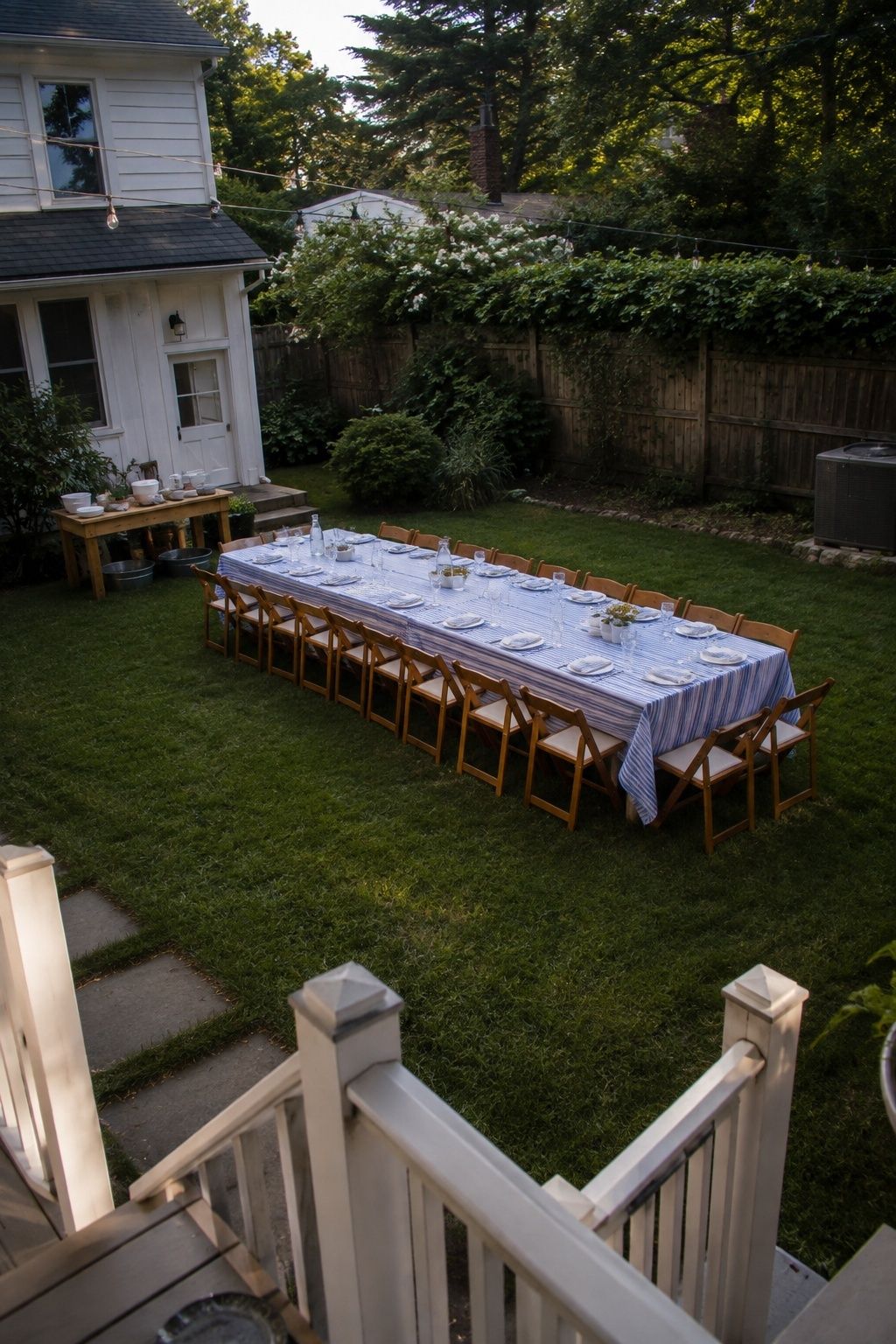
A backyard elopement dinner party feels deeply personal because the setting already has a sense of home. It suits couples who want a relaxed meal, soft lighting, family recipes, or a dinner table that looks like an elevated version of their real life together.
The key is deciding what you will outsource. Renting tables, linens, glassware, heaters, or a small catering team protects the couple from spending the whole night refilling water and clearing plates. A backyard dinner feels easy to guests when parking, bathrooms, lighting, food service, and cleanup have quiet answers before anyone arrives.
Keep the guest count honest for the size of the yard. A backyard table for fourteen feels magical; a backyard party for forty becomes rentals, neighbors, trash, bathrooms, and weather planning. If you want the home feeling with less labor, host dinner outside and let a caterer handle the meal from a garage, side kitchen, or rented prep tent.
3. Private Chef At Home
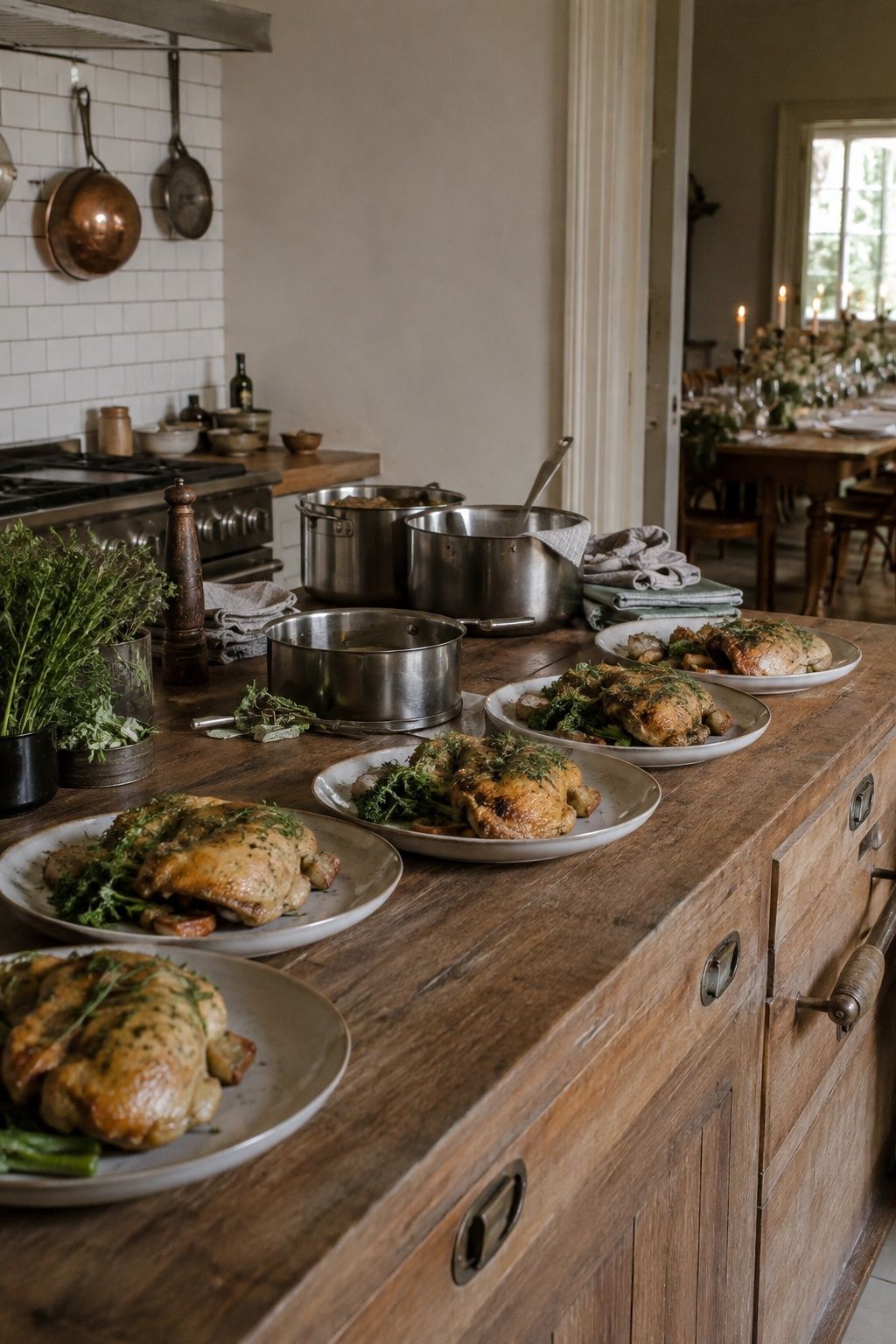
A private chef elopement dinner is ideal when you want restaurant-level food without leaving a home, rental house, or family property. It creates a sense of occasion while keeping the room intimate, especially for eight to twenty guests who are comfortable spending the evening at one shared table.
Choose a menu with fewer, better courses so the pacing stays relaxed. Ask the chef what kitchen equipment, plating space, staffing, and cleanup setup they need. Then build the rest of the evening around the meal: a welcome drink, a short toast, dinner, cake or dessert, and unhurried conversation afterward.
A private chef also lets you design food around the elopement story. Serve a dish inspired by the destination, a course from your first date, or a dessert tied to a family tradition. Keep those connections small and clear, because the dinner should feel intimate, not like guests need a program to understand it.
4. Favorite Restaurant Table
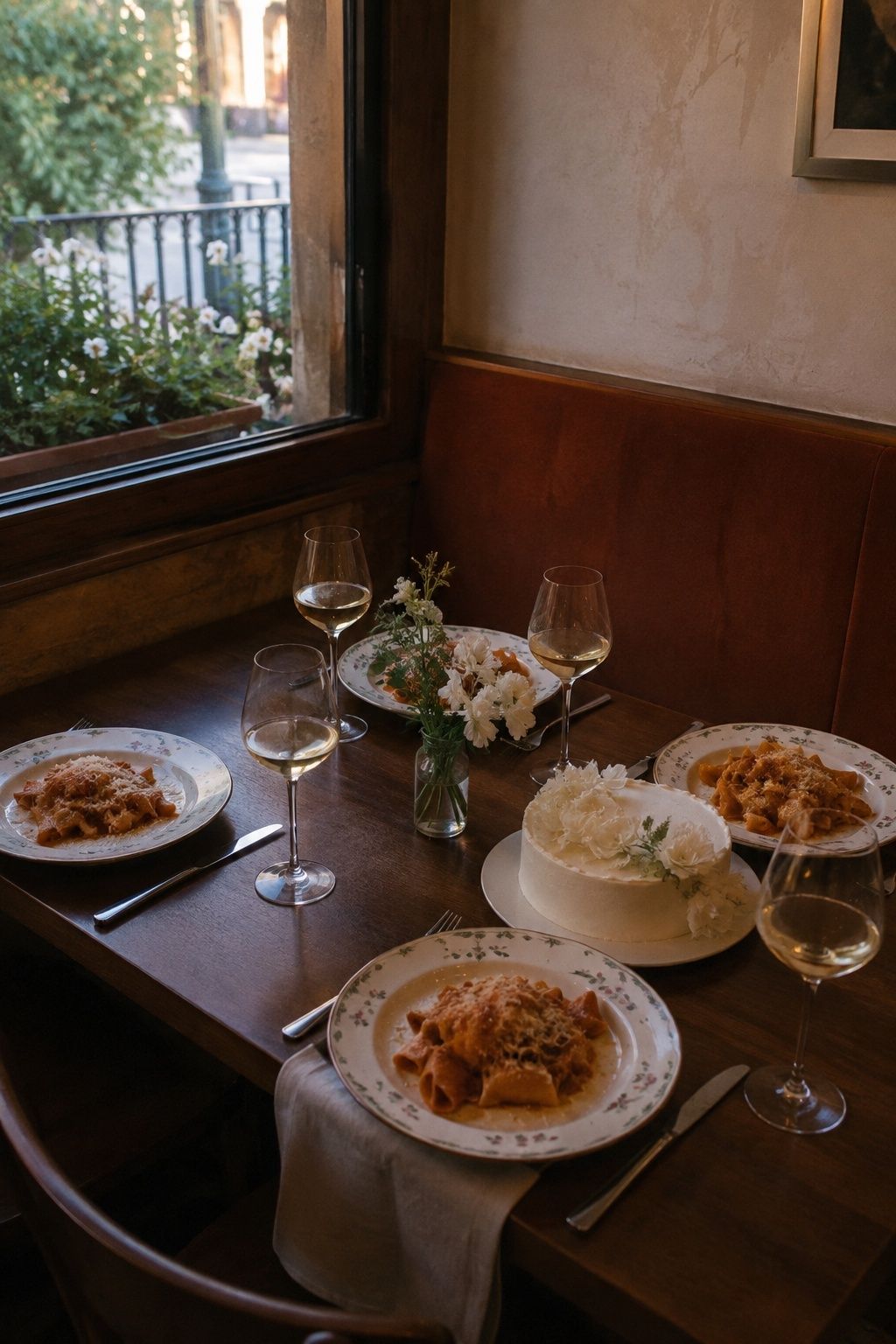
Not every elopement dinner needs a private room. A reserved table at your favorite restaurant feels exactly right when the guest list is tiny and the restaurant already carries part of your story. This works well for couples who want warmth, good food, and almost no production.
Call ahead rather than booking online and hoping for the best. Tell the restaurant you are celebrating your elopement, ask for a quieter table, and check whether a small cake, flowers, or a printed menu card are welcome. The dinner stays simple while still feeling clearly hosted.
This idea is strongest when the guest list is truly close. If the room is public and the table is small, every person will shape the mood. Invite people who will be happy to toast, talk, and let the couple enjoy the meal without turning dinner into a debate about why the ceremony was private.
5. Long-Table Supper

A long-table supper gives an intimate elopement dinner a beautiful sense of togetherness. Everyone sees the couple, conversation moves naturally, and the table itself becomes the central design element. This format works in a dining room, garden, restaurant patio, loft, or family home.
Use low flowers, taper candles, linen napkins, and family-style food so guests talk across the table. Seat the couple in the middle rather than at one end. That small choice makes the meal feel gathered around the marriage instead of staged for an audience.
Because the table is the event, invest in comfort. Choose chairs suited to several hours of sitting, make sure platters pass easily, and leave enough elbow room for drinks, menus, and candles. A long-table supper should feel abundant, not cramped.
6. Courthouse-To-Dinner Celebration
If your elopement happens at city hall or a courthouse, dinner afterward becomes the whole reception. This is especially useful for couples who want a same-day celebration without adding ceremony guests, venue turnover, or a long party timeline.
Build in a pause between signing papers and dinner. Take portraits, freshen up, and arrive at the restaurant as hosts rather than as two people rushing from an appointment. Guests meet you for cocktails first, then sit for dinner once everyone has arrived.
Tell guests exactly which part they are invited to join. The ceremony stays private and the dinner still feels generous when the invitation names the plan clearly. Consider wearing your elopement outfits to dinner if it brings joy, or changing into something comfortable if that better fits the evening.
7. Family Recipe Dinner
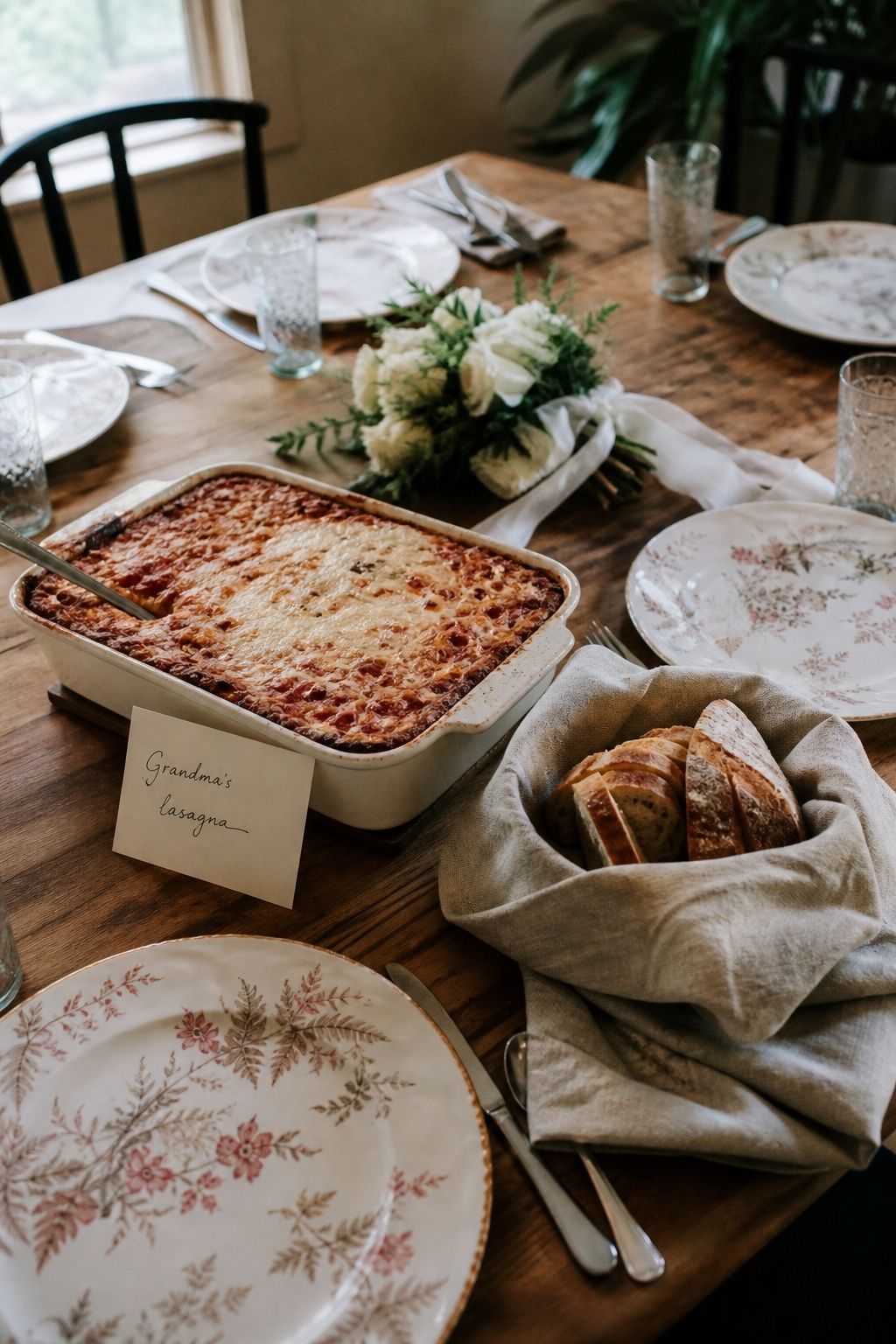
A family recipe dinner turns the meal into a bridge between the private ceremony and the people who shaped you. It works catered, cooked by one willing relative, or adapted by a chef. The point is not nostalgia for its own sake; it is a meal with roots.
Choose only a few meaningful dishes so no one becomes overwhelmed by preparation. Add small menu cards that name the dish and the family connection. This kind of post elopement dinner menu feels personal without requiring speeches from everyone at the table.
If a relative wants to contribute, give them one defined role rather than the entire meal. They could bake dessert, bring bread, make a sauce, or lend a serving piece. Boundaries keep the gesture sweet and prevent the dinner from becoming a stressful family production.
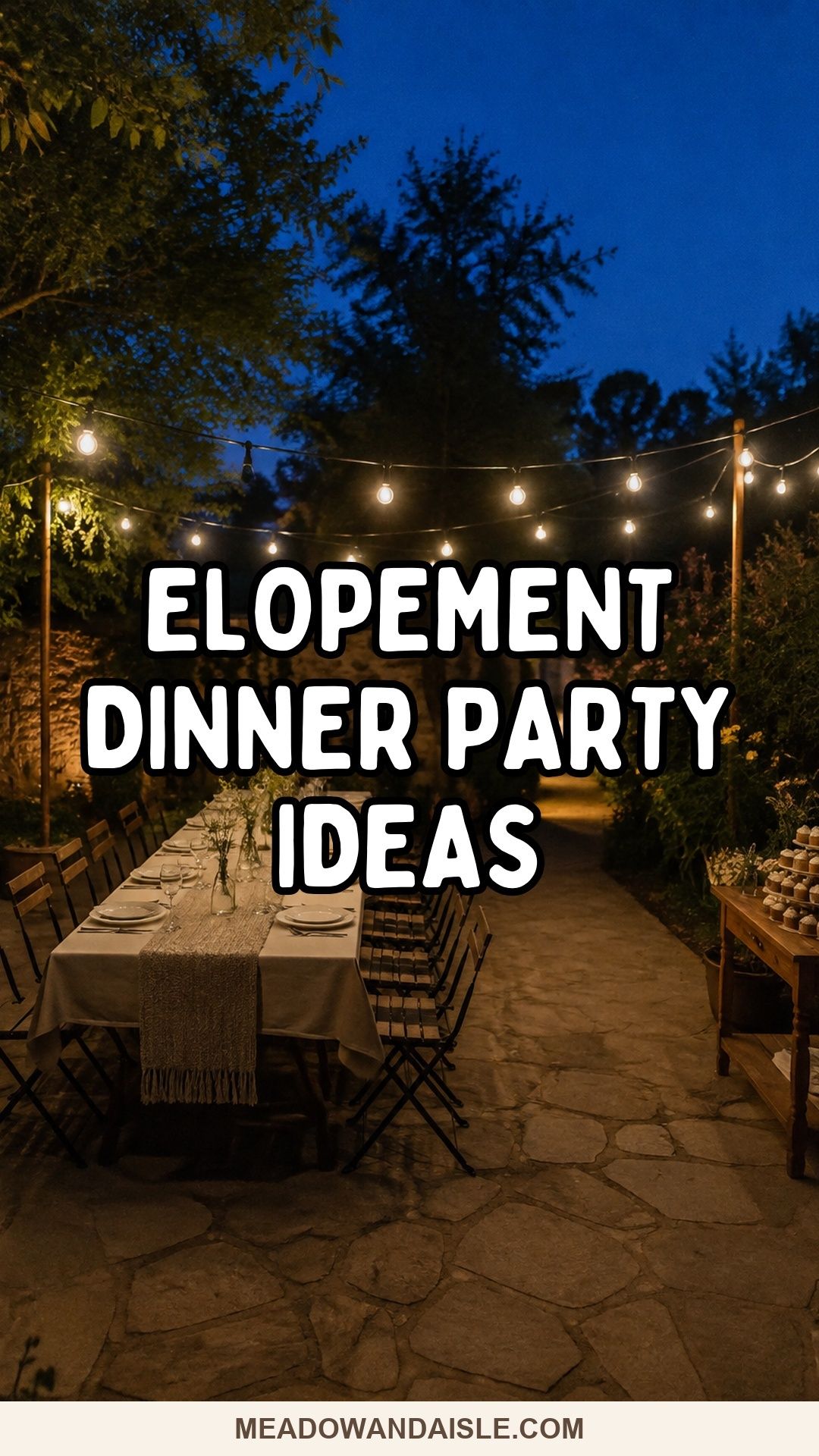
8. Garden Dinner Under String Lights
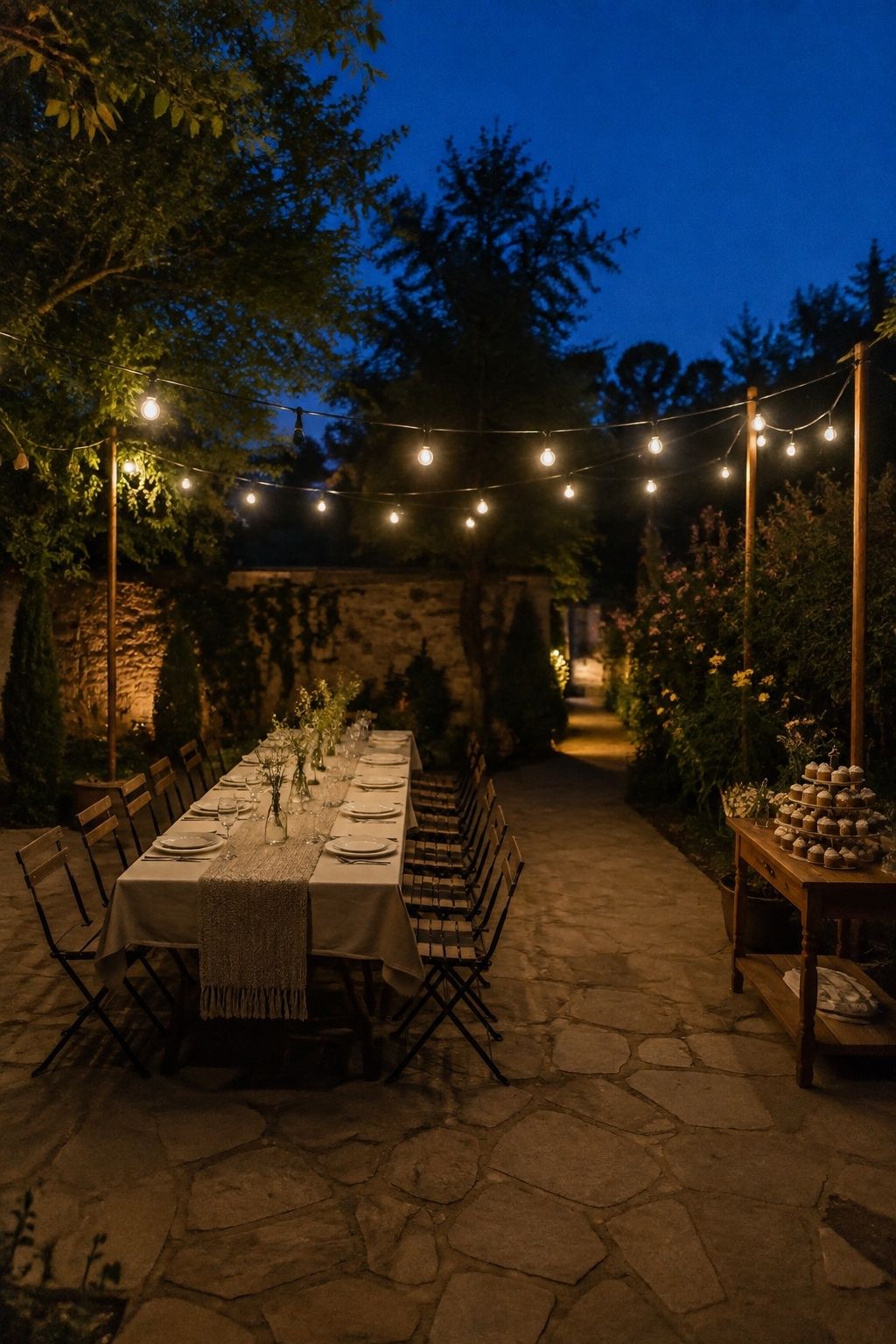
A garden dinner brings softness to a post elopement dinner party without needing heavy decor. It works in a backyard, small venue, restaurant courtyard, or rented greenhouse. The atmosphere comes from light, greenery, and the feeling of being tucked away with your closest people.
Plan the unglamorous parts first: rain cover, bugs, bathroom access, path lighting, stable chairs, and temperature. Then let the pretty pieces stay restrained. A runner, bud vases, candlelight, and one small dessert table make the dinner feel like a wedding without turning the garden into a stage set.
Time the meal around the best light if photos matter. Guests arrive before sunset, sit as the candles are lit, and move into dessert after the sky darkens. The rhythm feels natural, and you get a soft transition from outdoor celebration to cozy dinner.
9. Wine Bar Or Bistro Dinner
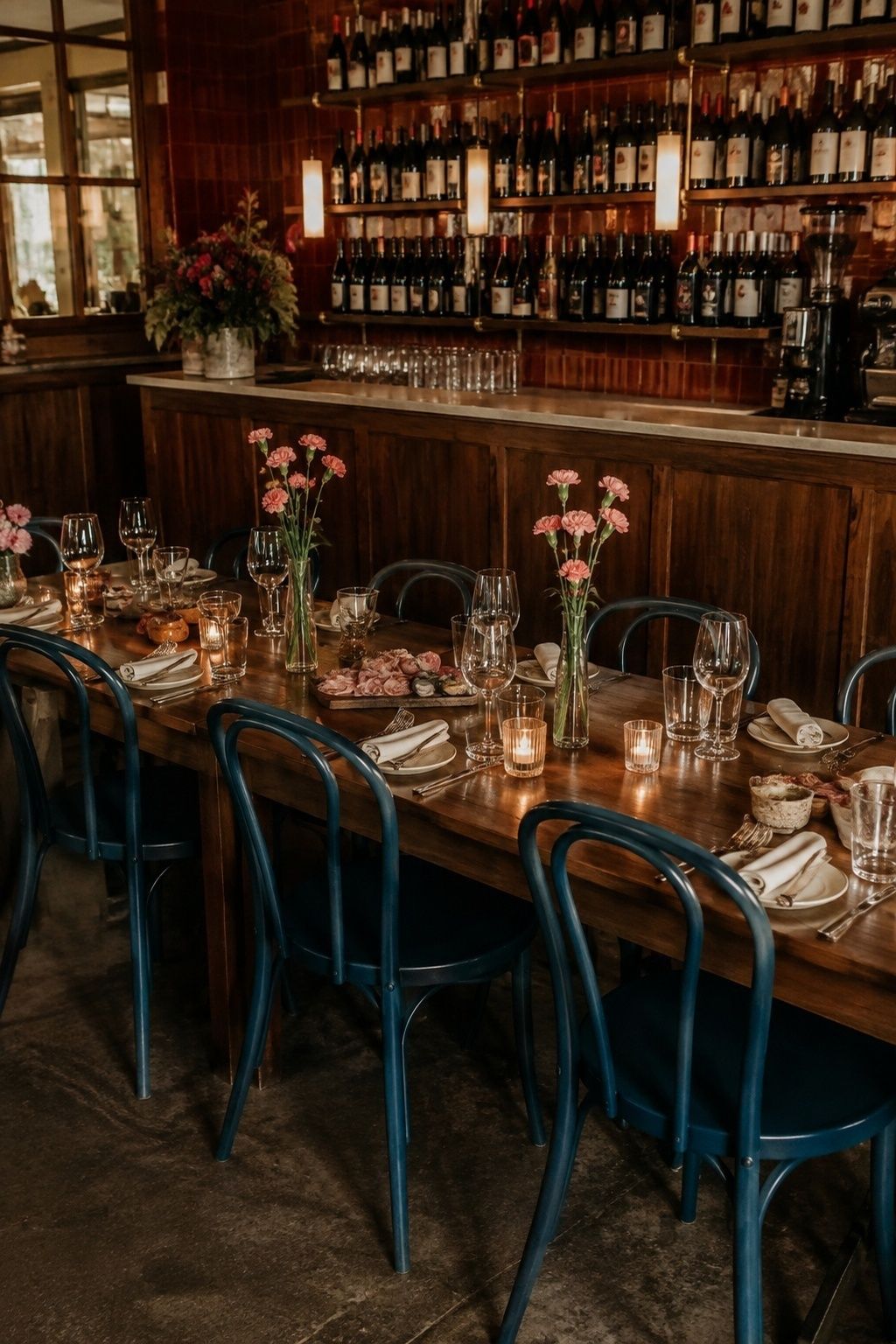
A wine bar or bistro is a strong fit for couples who want a little buzz around the celebration while still keeping the guest list small. It is polished enough for a wedding-adjacent dinner and casual enough for guests to settle in quickly.
Ask for a set menu, a hosted drink plan, and a table layout that keeps the group together. If the venue is semi-private rather than fully private, choose a time when the room is calmer. The goal is lively, not scattered.
This format is especially good for friend groups because it gives the evening some movement. Guests stand for the first drink, sit for dinner, then linger at the bar after dessert. Just make sure the hosted portion is clear so no one feels uncertain about ordering.
10. Rooftop Dinner At Sunset
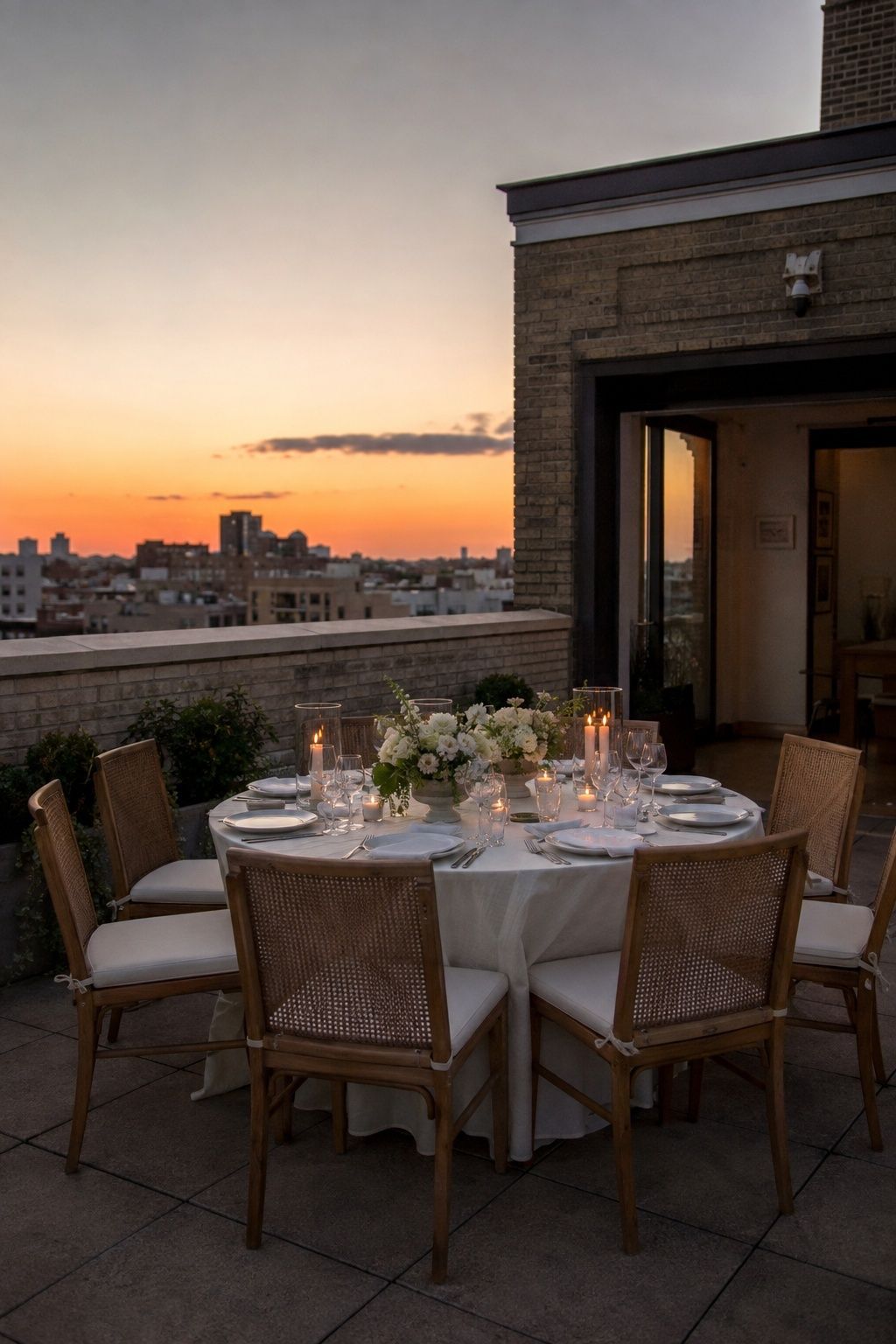
A rooftop dinner gives a small elopement celebration instant atmosphere. Sunset, skyline, candles, and a narrow guest list make the evening feel special with very little ornament. This format works best when the meal is simple and the view is treated as the backdrop, not the entire plan.
Confirm wind, heating, sound limits, elevator access, rain cover, and photography rules before committing. Keep centerpieces low and weighted. Serve food suited to outdoor pacing. A rooftop dinner is memorable when guests feel comfortable enough to look up, talk, and stay awhile.
A rooftop does not need much styling, so spend where guests feel it. Good chairs, warm lighting, enough servers, and a clear backup plan matter more than extra decor. If speeches are planned, test the sound before guests arrive because wind sometimes swallows even a heartfelt toast.
11. Casual Takeout Dinner With Wedding Details

Takeout absolutely becomes a wedding dinner when it is hosted with care. This idea works for couples whose favorite meal is noodles, tacos, pizza, dumplings, barbecue, or the neighborhood place that has fed half the relationship already.
Plate the food beautifully, transfer sauces into small bowls, add candles, print menus, chill drinks, and use real napkins. The contrast feels charming: comfort food on a dressed table. It tells guests that the dinner is personal, not careless.
The secret is presentation and timing. Pick up food close enough to dinner that it still tastes good, choose dishes that travel well, and assign one person to set everything out while the couple greets guests. Favorite takeout feels celebratory when it is served with intention.
12. Dessert-First Dinner Party

A dessert-forward dinner works when the couple wants the evening to feel celebratory without a heavy formal meal. Serve a real savory course first, then let cake, espresso, champagne, fruit, and small sweets become the lingering part of the night.
This format suits smaller groups because the table relaxes after dinner instead of moving into a big reception program. If guests are older, traveling, or arriving straight from work, make sure the savory food is still substantial. Dessert becomes the highlight, but hospitality comes first.
Use dessert as the wedding-feeling moment. Cut a small cake, pour coffee, open sparkling wine, or invite a toast as plates are cleared. The sweetness becomes the natural close of the dinner, and guests leave with a clear final memory of the celebration.
13. Invite One-Table Guests
The cleanest guest-list rule for an intimate elopement dinner is physical and emotional: invite the people who fit at one table and make the meal kinder. That does not mean every guest already knows everyone else. It means the room should feel small enough for conversation to work.
For many couples, this means parents, siblings, chosen family, best friends, or the few relatives who will understand the spirit of the evening. If the list starts expanding into obligation, choose a larger post elopement reception later and protect the dinner as the intimate version.
14. Separate Family Dinner From Friend Dinner
Some elopement dinner ideas become easier when you stop forcing every relationship into one meal. A family dinner after eloping feels warm, seated, and a little more structured. A friend dinner runs louder, later, and more casual. Both groups still get celebrated.
This approach works well when families live in different cities, schedules are complicated, or the couple wants less emotional pressure in one room. Keep the wording simple for each invitation. You are not ranking people; you are hosting the kind of dinner that lets each group enjoy the marriage comfortably.
15. Give Plus-Ones A Clear Rule
Small dinners get awkward when plus-ones are handled case by case without a rule. Decide early whether partners are invited, whether the dinner is immediate family only, or whether the table is limited to guests who already know the couple well.
Then communicate with warmth. A tiny post elopement dinner party often has a tighter guest list than a reception because conversation is the event. If you want to include more partners, increase the table size intentionally rather than squeezing the room past its natural limit.
16. Build A Menu Around Ease
A post elopement dinner menu should be delicious, but it should also be calm to serve. Choose food that holds well, accommodates dietary needs, and does not require the couple to manage timing minute by minute. The more intimate the room, the more visible hosting stress becomes.
For seated dinners, a short set menu often beats too many choices. For home dinners, family-style platters are generous and relaxed. For restaurants, ask for a limited menu with one vegetarian or vegan option and one flexible dish for allergies. Guests remember feeling cared for more than they remember menu complexity.
17. Choose Drinks That Match The Room
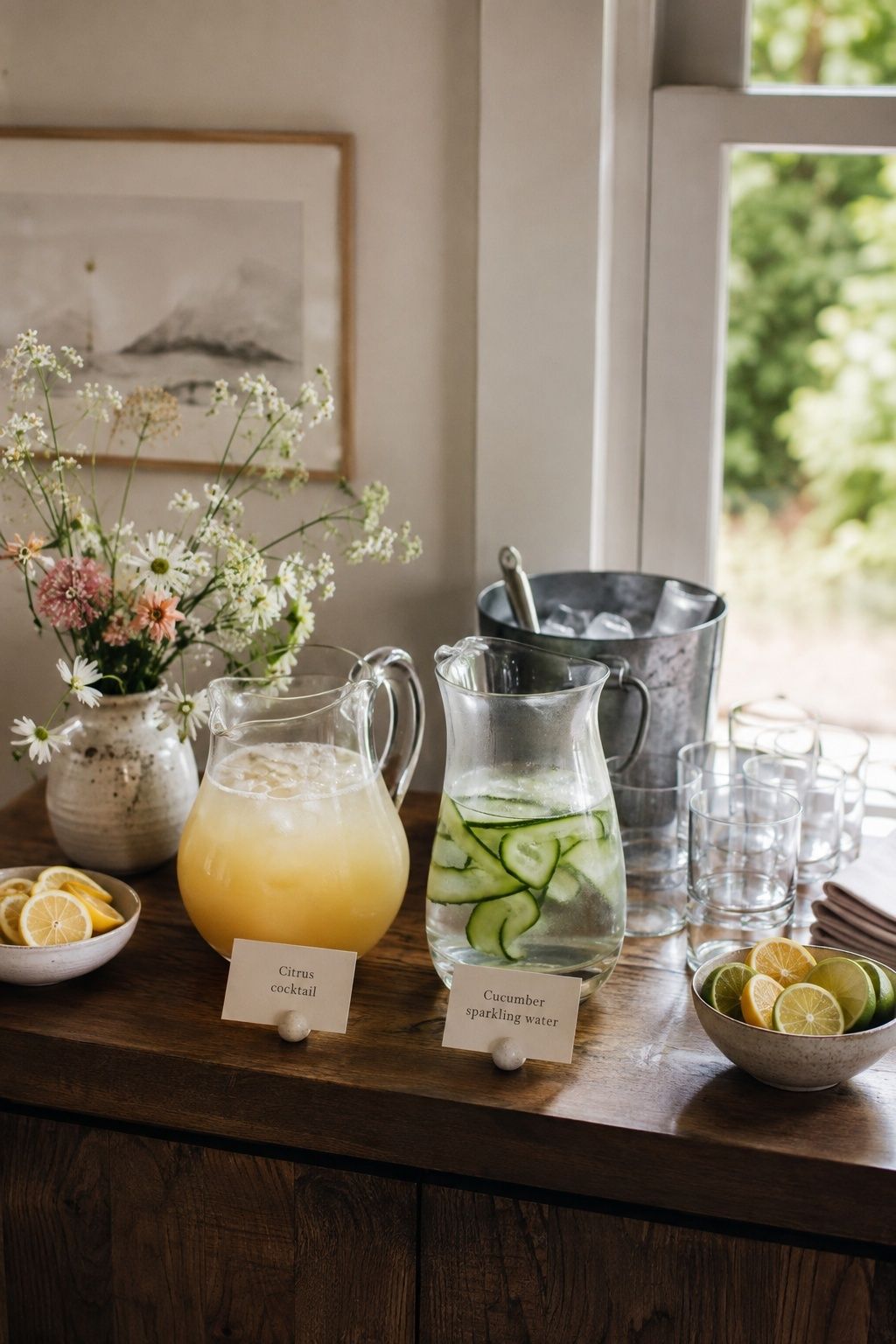
Drinks set the pace of the night. A champagne welcome feels celebratory, wine at the table anchors dinner, and a single signature drink gives the party personality without creating a full bar. Nonalcoholic options deserve the same attention, especially for a family-heavy dinner.
Decide whether drinks are fully hosted, limited by tickets, or ordered individually at a restaurant. Guests should understand the plan without asking. For a private home dinner, batch one cocktail, chill sparkling water, and keep coffee ready for dessert.
18. Time Dinner Around Guest Comfort
What to do at an elopement dinner party depends heavily on timing. A two-hour weeknight dinner should be focused and easy. A Saturday evening meal includes photos, toasts, dessert, and lingering drinks. A brunch or early supper suits older relatives and out-of-town guests.
Write a simple flow: arrival, drinks, welcome, dinner, toast, dessert, photo sharing, and goodbye. You do not need to announce every step. The point is to know privately how the night moves so guests never wonder whether food, speeches, or dessert are coming.
19. Make The Table Feel Like A Wedding
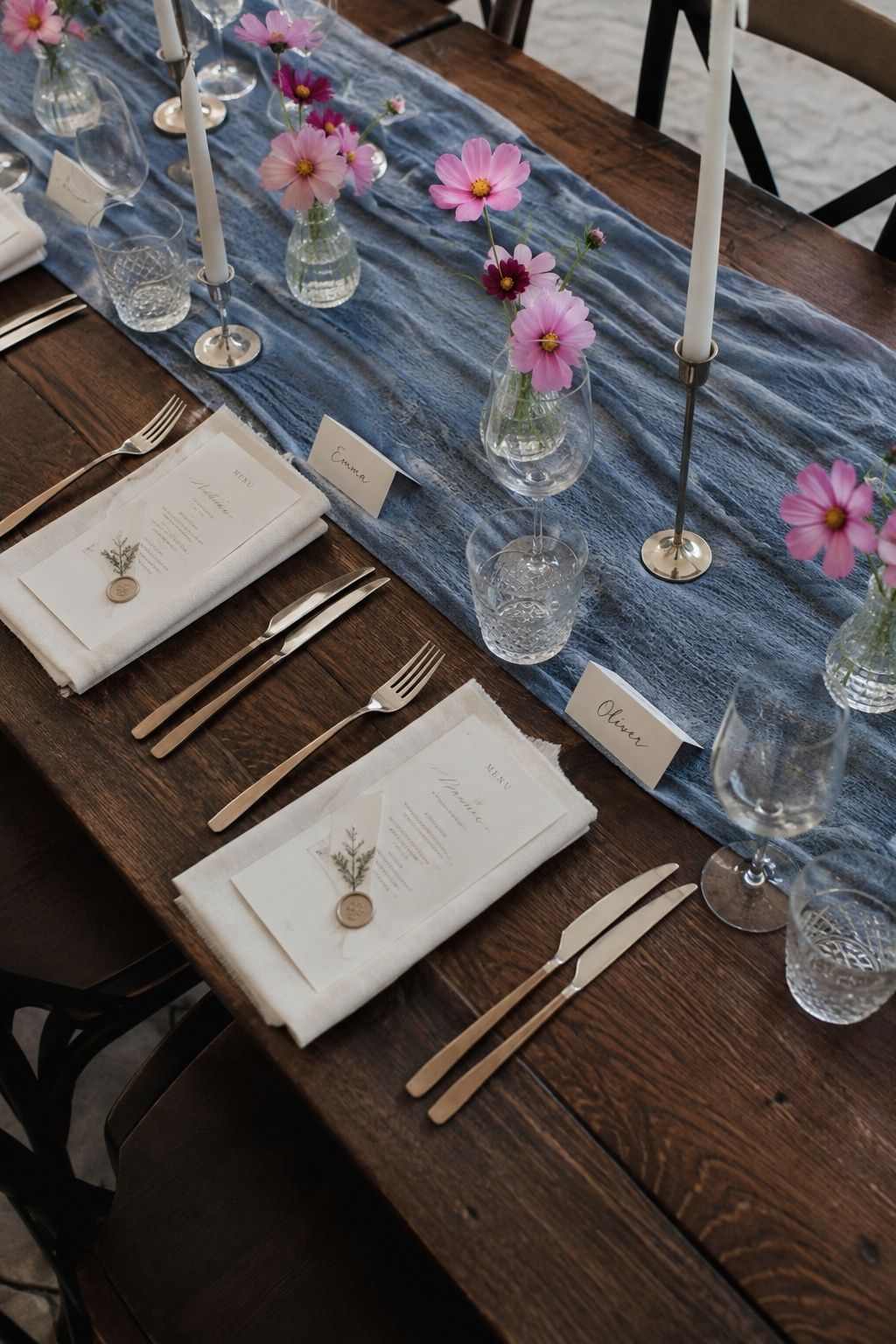
Elopement dinner party decorations work best when they focus on the table. A runner, taper candles, bud vases, menus, place cards, and cloth napkins make even a familiar room feel ceremonial. You do not need a huge installation when everyone will spend most of the night seated.
Keep centerpieces low so guests see one another. Use repetition instead of clutter: the same small vase shape, the same candle height, the same napkin fold. The table should feel considered, but not so precious that guests are nervous to pass bread.
20. Share Elopement Photos Without Turning Dinner Into A Screening
Photos let guests feel included in the private ceremony, especially if the elopement happened somewhere far away. Print a few favorites for the entrance table, place a small album by dessert, or show a short set after the welcome toast.
Keep the photo sharing brief and warm. Guests usually want to see the setting, outfits, vows, rings, and first married moments. They do not need every image from the gallery during dinner. Let photos open conversation rather than take over the evening.
21. Add One Toast Or Blessing
One short toast makes a small dinner after eloping feel complete. It gives the room a shared emotional moment and shows guests that this is more than a nice meal. The toast works from the couple, a parent, a sibling, or a close friend.
Set a time limit and choose someone who speaks with warmth. The best toast for this kind of dinner is not a performance. It is a welcome, a thank-you, and a simple statement of joy. After that, dinner returns to conversation.
22. Use Place Cards To Shape Conversation
Place cards are useful at a small dinner because each seat matters. They prevent awkward pauses, introduce relatives to the right people, and keep the couple close to the conversations they most want to have. For ten guests, place cards feel charming. For twenty-four, they are practical.
Seat guests by warmth rather than hierarchy. Put talkative guests where quieter ones feel included. Keep anyone with tension separated by enough distance for the meal to stay peaceful. A beautiful table is good; a kind seating plan is better.
23. End With A Simple Keepsake
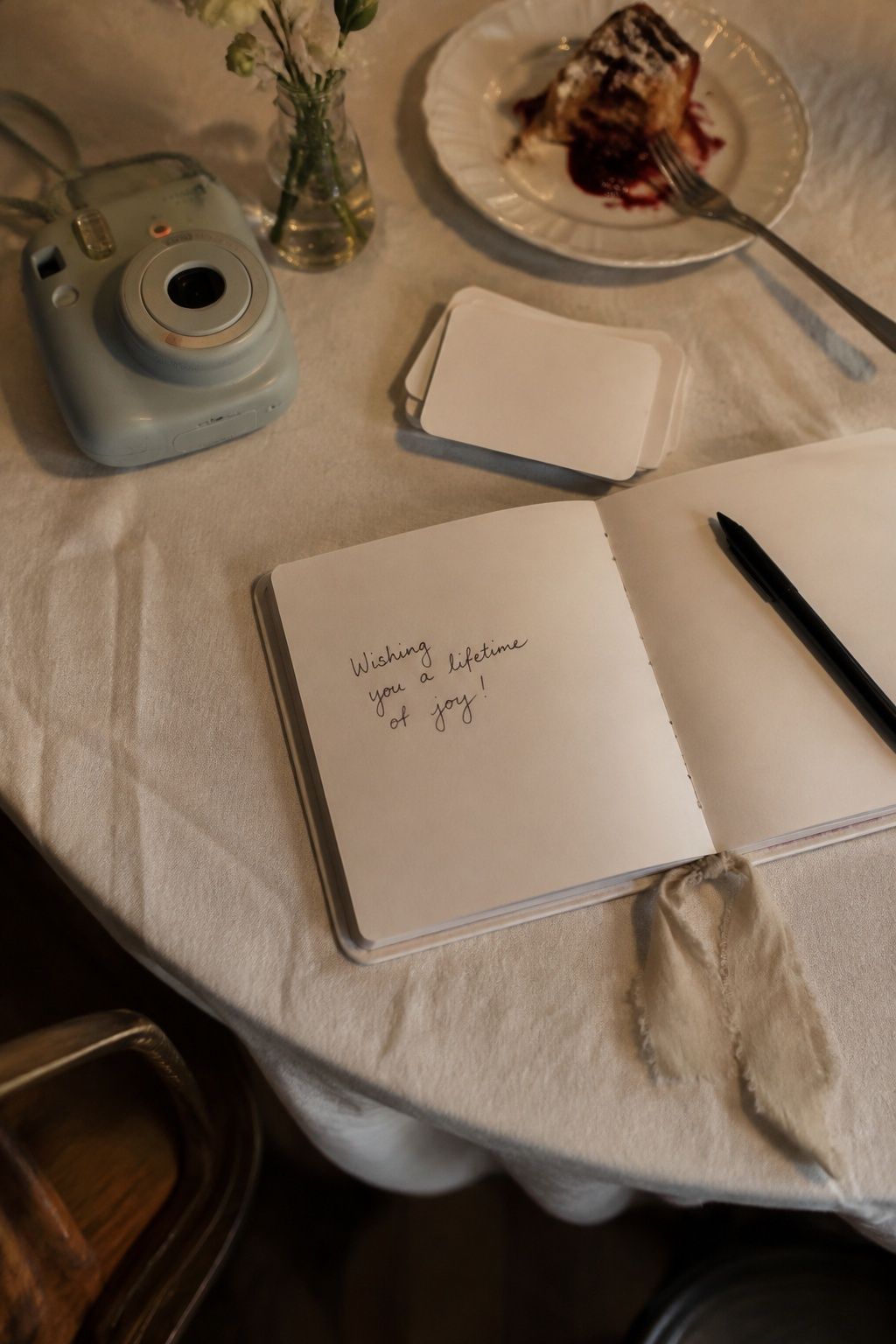
A keepsake gives guests something to do at natural pauses without turning the dinner into an activity night. Use a guest book, instant camera, small advice cards, or a printed photo display where people leave a wish for the couple.
Place the keepsake where guests will see it before dessert, and ask one person to quietly remind the table if needed. The best version feels effortless: people sign, snap a photo, write a wish, and return to the meal. It becomes a memory of the dinner rather than a project.
How To Plan A Dinner Party After Eloping
Start by naming the dinner format in one sentence: private room dinner for twelve, backyard supper for twenty, family meal after city hall, or restaurant table with immediate family. That sentence becomes the filter for every decision after it. If a detail does not serve the format, skip it.
Next, set the guest count and the food promise together. A dinner invitation means guests expect a real meal. If you plan cocktails, dessert, or light bites instead, say that clearly on the invitation. Clear wording is one of the easiest ways to make the evening feel relaxed because guests arrive dressed, fed, and emotionally prepared for the right kind of party.
Book the room or team before buying decor. Restaurants, chefs, rentals, staffing, and weather cover decide what is realistic. Once the basics are secure, add the details that create wedding feeling: candles, menus, photos, a toast, cake, music, or a keepsake. The order matters because beauty will not fix a dinner that lacks chairs, food timing, or enough hands.
Invitation Wording For An Elopement Dinner
The invitation should say three things plainly: you are already married or will marry privately, this dinner is the shared celebration, and guests should expect a meal. That clarity prevents confusion around whether there is a ceremony, whether gifts are expected, and what level of formality fits the night.
For a formal dinner, use wording such as, “We exchanged vows privately and would love to celebrate our marriage with dinner.” For a backyard meal, try, “We eloped, and now we are gathering our closest people for supper under the lights.” For a restaurant table, say, “Please join us for an intimate dinner to toast our marriage.”
Add practical details in the same calm voice. Name the dress code, start time, dinner style, parking information, and whether children are included. If the guest list is very small, resist over-explaining. A warm invitation does not need to defend the elopement; it simply tells guests how they are invited to celebrate.
Keep the invitation aligned with the actual evening. A plated dinner deserves dinner language, while a dessert gathering deserves dessert language. Guests relax faster when the promise on the invitation matches the food, timing, dress code, and mood waiting for them at the door. That match keeps the whole night feeling steady.
Budget And Hosting Priorities
For an intimate elopement dinner, the best budget choices are the ones guests physically experience. Food, seating, lighting, temperature, service, and clear timing matter more than favors or a complicated activity station. If money is tight, reduce the guest count before reducing basic hospitality.
Compare formats honestly. A private dining room with a minimum spend looks expensive at first, but it usually includes tables, chairs, dishes, staffing, cleanup, and restrooms. A backyard dinner looks affordable until rentals, catering, ice, trash, heaters, lighting, and cleanup are added.
Choose two splurges and let the rest stay simple. A beautiful meal and candles carry the night. A private chef and printed menus do the same. So does a favorite restaurant and a small cake. The dinner will feel refined when the priorities are visible, not when every possible detail is purchased.
What To Do At An Elopement Dinner Party
At minimum, welcome guests, feed them, share a little of the elopement story, and give the evening a gentle close. That happens easily in a three-hour dinner without games, dancing, or a full program. The smaller the guest list, the more conversation carries the night.
A simple timeline could look like arrival drinks for thirty minutes, a welcome from the couple, dinner, one toast, dessert, photo sharing, and final drinks or coffee. If you want something more festive, add a first dance in the living room, a tiny cake cutting, a playlist after dinner, or a group photo before guests leave.
Do not fill every pause. Dinner parties need breathing room. Guests want time to congratulate you, ask about the ceremony, meet one another, and enjoy the meal. A few intentional moments will feel more intimate than a packed reception schedule copied into a smaller room.
How To Make The Dinner Feel Intimate
Intimacy comes from scale, sound, seating, and attention. Choose a room where the guest count feels full but not crowded, then keep the music low enough for real conversation. If guests have to raise their voices across the table, the dinner starts to feel like an event instead of a gathering.
Seat people with care and give the couple enough room to move. At a small dinner, guests expect a little time with you, so avoid trapping yourselves at the far end of a table or in a corner. Sitting centrally lets you speak with both sides of the room without making anyone feel like an afterthought.
Use the elopement story sparingly but visibly. One photo at each end of the table, a short welcome, a tiny cake, or a printed date on the menu does more than a long slideshow. The dinner should remind guests of the vows without asking them to relive a ceremony they did not attend.
Finally, protect the ending. A graceful close keeps the evening from fading into scattered goodbyes. Serve coffee, invite one last toast, take a group photo, or thank guests before dessert plates are cleared. The close is brief, but it gives the dinner a final shape.
What To Skip At A Small Elopement Dinner
Skip anything that makes the dinner feel like a full reception you chose not to plan. Grand entrances, formal wedding party introductions, bouquet tosses, garter moments, complex seating displays, and long open-mic speeches rarely make a tiny table feel warmer.
Also skip apology energy. Guests do not need a long explanation for why you eloped, and the dinner does not need to prove that the marriage is legitimate. A sincere welcome and a thoughtful meal do that work more gracefully than a schedule packed with compensating traditions.
Most of all, skip vague hosting. Casual dinners still need a clear start time, real food, drink expectations, seating, and an ending. The easier the experience feels for guests, the more relaxed and intimate the celebration becomes for you.
FAQ
What are good elopement dinner party ideas?
Good elopement dinner party ideas include a private dining room, backyard supper, private chef meal, favorite restaurant table, garden dinner, rooftop dinner, family recipe meal, wine-bar gathering, courthouse-to-dinner celebration, or casual takeout dinner dressed with candles, menus, and flowers.
How do you plan a dinner party after eloping?
Plan a dinner party after eloping by choosing the format, setting the guest count, booking the room or chef, confirming the menu, writing clear invitation wording, and adding a few wedding-feeling details such as photos, place cards, a toast, cake, candles, or a guest book.
Who do you invite to an elopement dinner party?
Invite the people who fit the emotional size of the dinner: immediate family, chosen family, closest friends, or the loved ones you most want at one table. For a tiny dinner, use a clear rule for partners and children so the guest list feels fair.
What do you serve at an elopement dinner party?
Serve food that matches the time, setting, and guest needs. A seated restaurant meal, family-style pasta, private chef tasting menu, backyard supper, catered comfort food, brunch, or dessert-forward dinner all work when dietary needs and drink options are handled carefully.
How do you make an elopement dinner feel special?
Make an elopement dinner feel special with one beautiful table, candles, low flowers, printed menus, elopement photos, a short toast, meaningful music, cake, and seating that encourages conversation. Choose details that connect guests to the marriage instead of adding decor for volume.
Can an elopement dinner party replace a reception?
Yes. An elopement dinner party replaces a reception when it gives guests a clear way to celebrate the marriage. It does not need every reception tradition. A hosted meal, sincere welcome, enough time together, and one shared moment feels complete.
Final Thoughts
The best elopement dinner party ideas protect the reason you eloped while still giving loved ones a warm place in the story. Host a restaurant dinner, backyard supper, private chef meal, family table, rooftop evening, or tiny dessert celebration and still make it feel like a wedding in the ways that count.
Let the dinner stay small enough for real conversation, generous enough for guest comfort, and personal enough that the table could only come from the two of you. When the meal, timing, and welcome feel aligned, the celebration feels beautifully complete.
Last update on 2026-10-03 / Affiliate links / Images from Amazon Product Advertising API