

Party after eloping etiquette is mostly about clear, kind hosting: tell guests you are already married, name the event honestly, explain the food and formality, handle gifts with care, and speak directly to close family before the wider invitation when feelings are tender.
A party after eloping offers a warm way to include loved ones after a private ceremony, but it needs a different kind of clarity than a traditional wedding invitation. Guests should arrive knowing whether they are attending vows, dinner, a reception, a casual open house, or a surprise announcement.
The good news is that etiquette here does not exist to scold you for eloping. It exists to protect trust. When people understand what already happened, what they are invited to share, and what is expected of them, the celebration feels generous instead of awkward.
Recommended Wedding Products


You Might Also Like These Blog Posts
- What To Call A Party After Eloping So Guests Understand The Vibe
- Should You Have A Registry After Eloping?
- Post Elopement Party Invitation Wording For Every Kind Of Celebration
- How Soon After Eloping Should You Have A Party?
- Do You Invite People To Celebrate After Eloping If The Ceremony Was Private
- Wedding Welcome Party Etiquette For A Warm Start That Does Not Become A Second Wedding
Party After Eloping Etiquette
The heart of party after eloping etiquette is simple: do not make guests guess. A private ceremony is completely valid, but a delayed celebration needs honest language, thoughtful timing, and enough hospitality for the event you are promising.
Think of this celebration as its own hosted moment, not as an apology for the ceremony. You are inviting people into the marriage after it has begun. That means your words, guest list, meal plan, and traditions should all point to the same truth: the vows were private, and this gathering is the shared celebration.
Post elopement party etiquette keeps those choices grounded in kindness. Use it to shape family conversations, invitations, registry details, dress code, timing, and traditions so the event feels warm without pretending to be something else.
Tell Close Family Before The Wider Invitation If Needed
If a parent, sibling, grandparent, or close friend expected to hear the marriage news personally, call them before a printed card or group message arrives. This is less about permission and more about care. People who feel surprised in public often react to the surprise before they settle into the joy.
Keep the conversation steady and brief. Share that you are married, say that the ceremony was private by choice, and tell them you want to celebrate with them at the party. Do not turn the call into a courtroom defense of every decision. A calm personal heads-up often softens the invitation that follows.
Make Clear That The Ceremony Already Happened
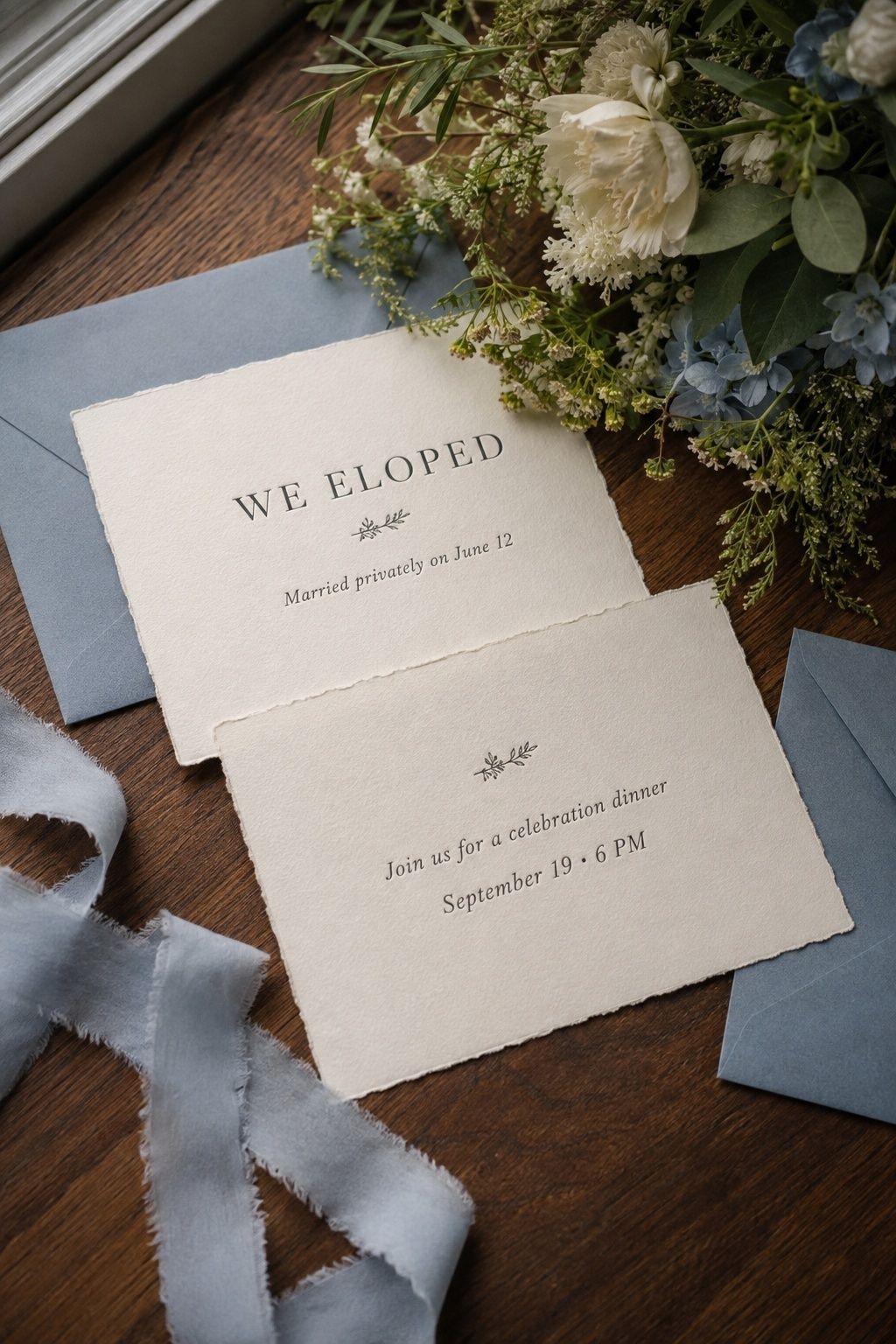
The invitation should clearly say that you already exchanged vows. Avoid wording that makes guests think they are being invited to witness the ceremony. Phrases such as celebration, reception, dinner, party, or marriage celebration work because they tell guests the event is after the private vows.
This is the central rule of elopement reception etiquette. Guests often feel happy for you and confused by wording that sounds like a traditional wedding. Put the marriage date on the announcement or details card, then describe the event they are actually attending.
Do Not Make The Party Feel Like A Consolation Prize
A post-elopement party should not sound like a smaller, sadder version of the wedding guests missed. Give it a positive purpose. Choose a dinner with family, a cocktail party with friends, a backyard meal, or a reception-style gathering with photos and toasts.
Guests take their cue from you. Guilty wording makes the event feel uneasy before it begins. Grateful and specific wording helps guests understand that they are being invited to celebrate a real chapter, not to fill in for a ceremony that already happened privately.
Invite Based On The Celebration You Are Ready To Host
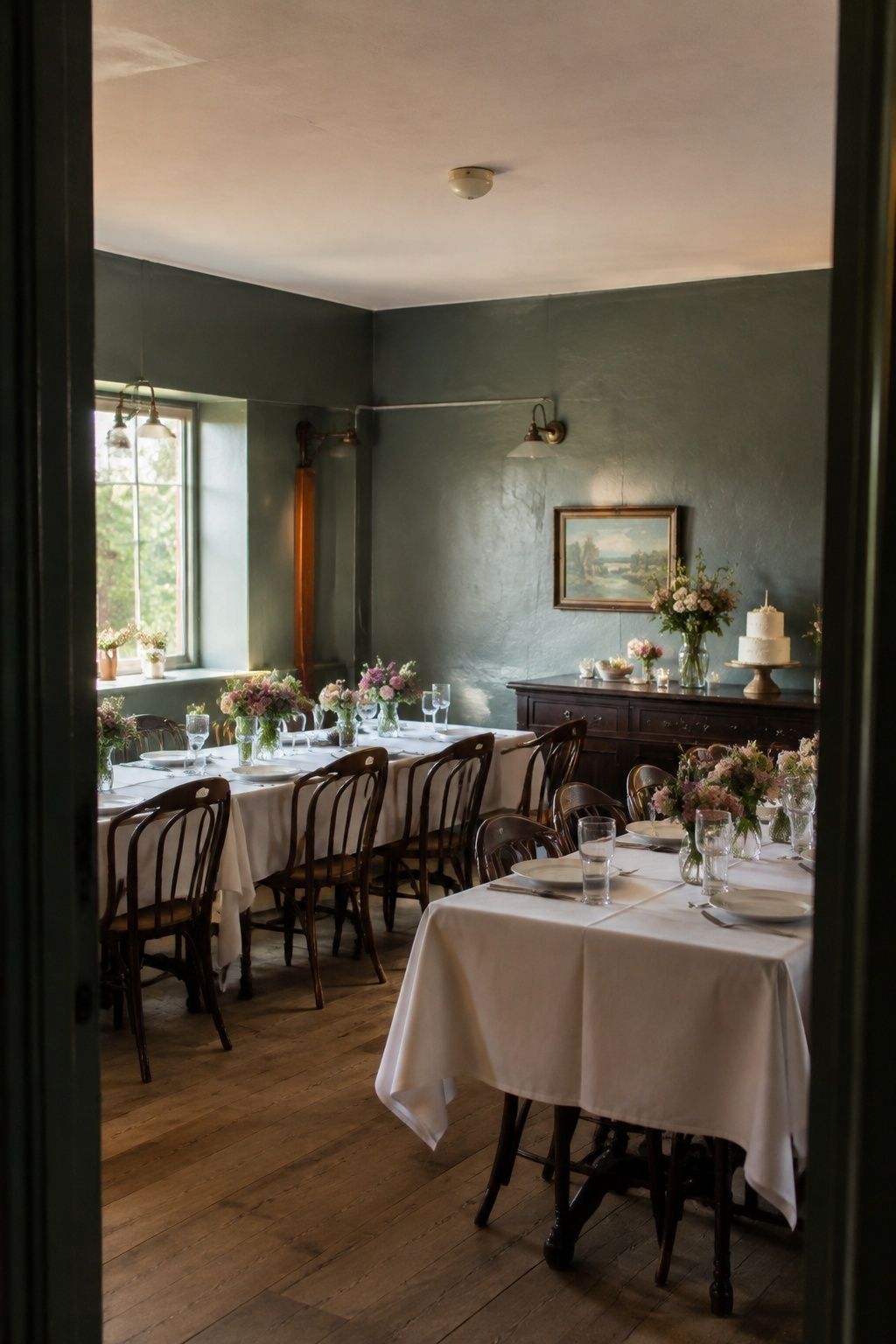
The guest list should match the event you are ready to host well. A dinner for twenty needs a different budget and emotional pace than a cocktail party for seventy. A family-only meal feels thoughtful, while a larger friends-and-family gathering needs more structure, food, seating, and arrival guidance.
Post elopement guest list etiquette is not about inviting every person who was absent from the ceremony. It is about choosing a guest list you are able to welcome with clarity. If feeding, seating, greeting, or communicating with the group feels strained, the list is too large for the event you are planning.
Choose Wording That Is Warm But Not Apologetic
Warm wording leads with joy. Apologetic wording makes guests feel they are arriving after a mistake. Acknowledge the private ceremony without asking forgiveness from everyone who opens the invitation.
Good elopement announcement etiquette sounds honest, not defensive. Say that you married privately, then invite loved ones to celebrate. If close family needs a more personal conversation, handle that separately instead of loading every complicated feeling into the public wording.
Explain The Level Of Formality Before Guests Arrive
A party after eloping works as a black-tie dinner, backyard barbecue, brunch, cocktail reception, or dessert open house. Each format feels polite when guests know what to wear, what food to expect, and how long the gathering will last.
Name the format plainly. Dinner and dancing tells guests to arrive hungry and dressed for a fuller evening. Cocktails and dessert tells them to eat beforehand. Casual backyard celebration signals comfort and ease. The clearer you are, the less guests need to ask privately.
Be Careful With Registry Or Gift Language
Registry after eloping etiquette calls for a light hand. Some guests enjoy giving a gift, and some assume a post-elopement party is mainly social. Neither response is rude. The safest approach is to keep gift language off the main invitation and place registry details on a wedding website or details card only when appropriate.
If you truly do not want gifts, a simple no-gifts message helps. If you do have a registry, make it easy for people who ask, but do not make gifts feel like the price of admission. Elopement party gifts are gracious extras, not the reason for hosting.
Give Guests Enough Notice To Attend Comfortably
Timing is part of hospitality. Local guests often attend with shorter notice, but anyone traveling, hiring childcare, booking lodging, or changing work plans needs more time. Send invitations early enough for the event you are asking people to join.
If the party is soon after the elopement, send the announcement and invitation together. If the celebration is months later, send the marriage news first and the invitation closer to the event. That sequence helps guests celebrate the news now and plan for the gathering later.
Decide Whether To Include Traditions Like Toasts Or First Dance
Already married reception etiquette leaves room to choose traditions on purpose. Include a first dance, cake, speeches, a guest book, printed photos, or a blessing if those moments fit. Skip every one of them and host a beautiful dinner if that feels more honest.
The test is whether the tradition helps guests understand and celebrate the marriage. A short toast gives the room emotional shape. A full formal program feels odd if the event was promised as a casual party. Choose the traditions that support the gathering, not the ones you feel forced to recreate.
Share Photos Without Making Guests Feel Excluded From The Ceremony

Photos bridge the gap between private vows and public celebration. Display a few favorite images, place an album by the guest book, or show a short slideshow after dinner. Keep the focus on sharing the story, not proving that guests missed something flawless.
A tender photo table often works better than a long presentation. Guests look, ask questions, and connect with the day at their own pace. Add the location, date, and a short thank-you message so the display feels personal and complete.
Avoid Inviting People Only Because You Feel Guilty
Guilt makes a post-elopement guest list messy very quickly. If someone would not fit the event, the budget, the space, or the emotional tone, inviting them out of pressure creates more tension than leaving the list small.
Small celebrations work best when every invitation feels intentional. That does not mean excluding people coldly. It means being honest about the kind of gathering you are hosting. A gracious announcement still shares the marriage news with people who are not invited to the party itself.
Keep The Timeline Simple And Easy To Understand
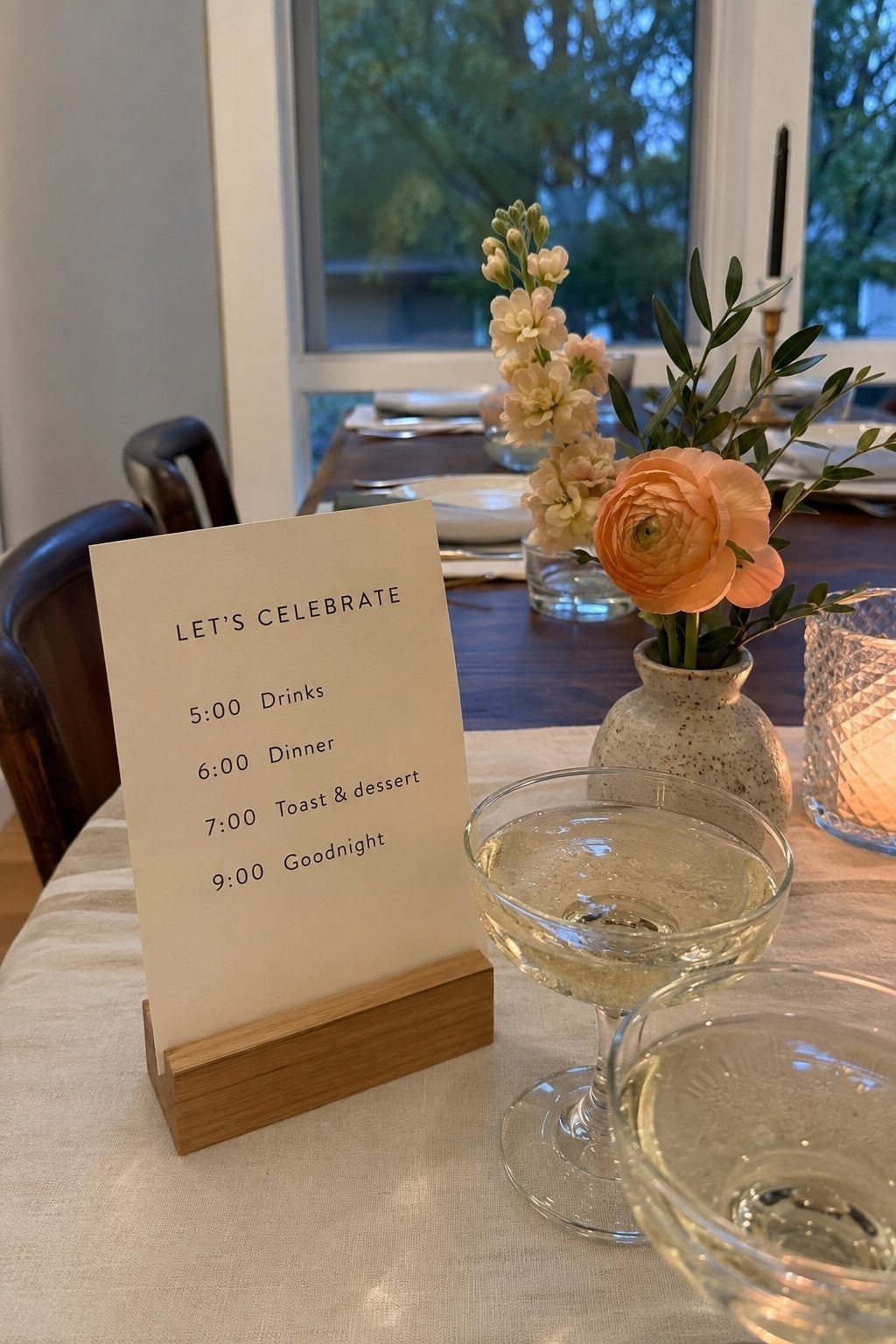
A party after private ceremony etiquette problem often starts with unclear timing. Guests arrive, wonder whether a ceremony is coming, wait for food, and stand around trying to guess the plan. A simple timeline prevents that.
Give the gathering a beginning, one shared moment, and a clear end. Arrival drinks, dinner, a welcome toast, photos, dessert, and mingling are enough. You do not need a packed schedule; you need a flow that helps guests relax.
Thank Guests For Celebrating This Chapter
Because guests were not present for the vows, a spoken thank-you carries extra weight. It tells the room why they are there and lets them feel included in the marriage without pretending the private ceremony was public.
The thank-you works best when it is short. Mention that you are grateful to celebrate with them, that the ceremony was private and meaningful, and that this gathering is the way you wanted to share the joy. Then let the party continue.
Accept That Some People Need Time With The News
Even loving relatives sometimes need a moment to adjust. Their feelings do not mean you made the wrong choice, and your choice does not mean their feelings are fake. Hold both truths calmly.
Offer one kind conversation, then keep your boundary. Say that you understand the private ceremony was a surprise, that you love them, and that you hope the celebration gives everyone a happy place to gather. You do not need to renegotiate the elopement after it has happened.
Send Thank-You Cards For Gifts And Meaningful Help
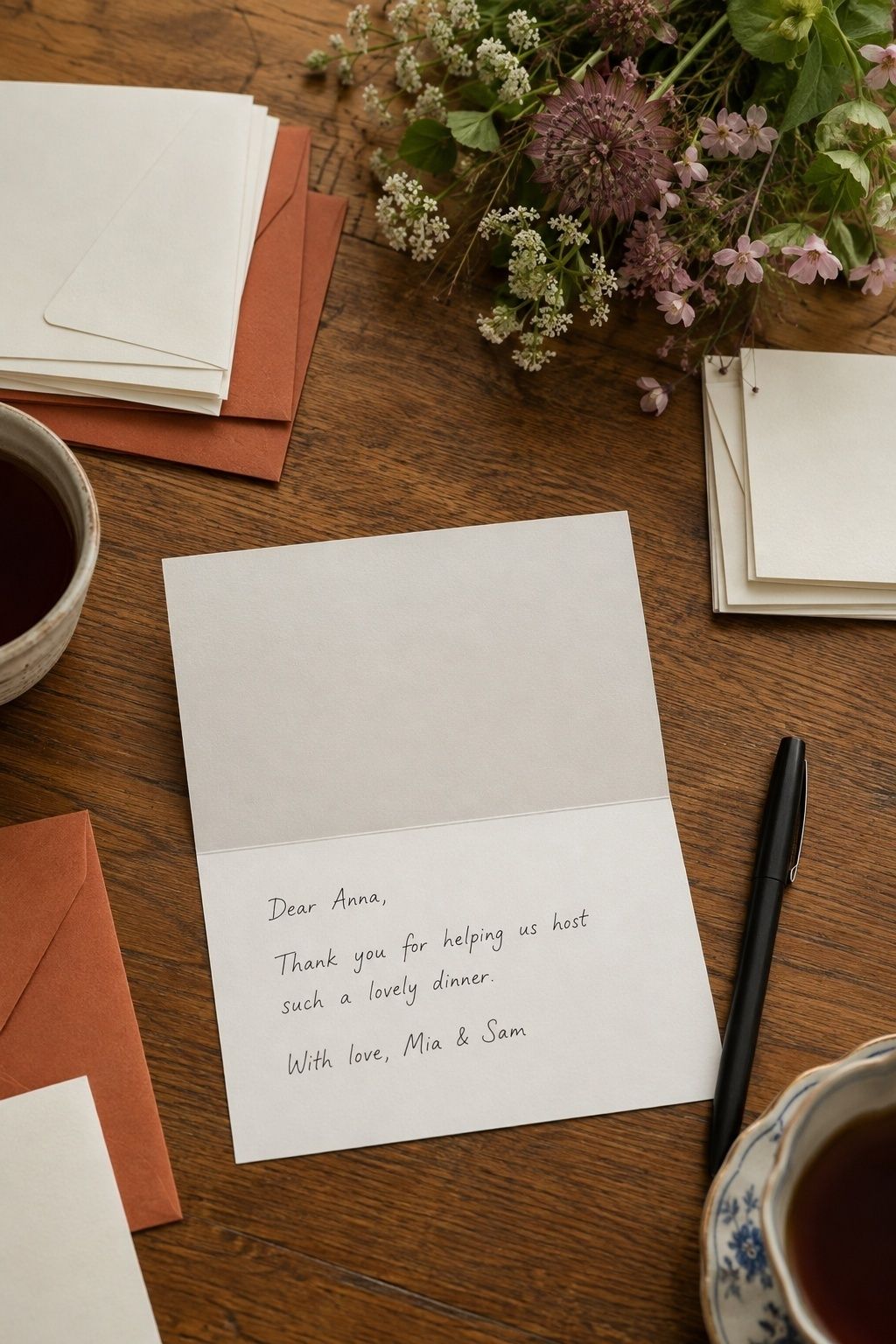
If guests bring gifts, mail thank-you cards promptly. If they helped host, traveled, gave a toast, set up photos, or supported the private ceremony decision kindly, thank them for that too. Gratitude closes the loop after a celebration that already broke from the usual order.
Thank-you cards do not need elaborate wording. Name the gift or gesture, say how it supported the start of your marriage, and close warmly. Small, specific gratitude helps guests feel that their presence mattered.
Small Party After Eloping Scenarios
A family dinner after eloping should feel personal and settled. Tell guests that the ceremony was private, invite them to dinner in honor of the marriage, and include a toast or photo display so the meal has a clear reason for gathering. This works well when close relatives need warmth more than spectacle.
A friend-focused cocktail party works with a lighter structure. The invitation should name drinks, bites, dress code, and RSVP details so people know it is social and celebratory. Add photos, music, and one short welcome instead of a full wedding program.
A casual backyard celebration needs the most logistical clarity. Tell guests whether dinner is served, where to park, what to wear, and whether the event is indoors or outdoors. Casual hosting still needs restrooms, seating, shade, lighting, and a plan for cleanup.
A reception-only event after a private ceremony often feels more formal. Use reception language if the event includes dinner, dancing, speeches, or a larger guest list. Just be honest that the vows already happened, and do not invite people as though a ceremony is still part of the evening.
If you want a blessing, vow excerpt, or ring moment, include it openly in the plan instead of surprising guests who expected only dinner. A small ceremonial echo feels beautiful when it is framed as part of the celebration. It becomes harder when guests feel they were invited under one premise and handed another.
Food should match the hour and the promise. A noon gathering needs brunch or lunch. An evening party needs dinner or generous appetizers. A dessert-only celebration feels lovely when the invitation says dessert clearly so guests plan around it. This kind of practical clarity is often the difference between casual and careless.
How To Word A Party After Eloping Invitation
The best invitation wording has three jobs. First, it shares the marriage news. Second, it names the celebration. Third, it tells guests what to expect when they arrive. Missing pieces leave guests unsure even when they are genuinely happy for you.
Start with the truth in plain language. Say that you exchanged vows privately, got married in a small ceremony, or eloped on a certain date. Then invite guests to the part they are included in: dinner, drinks, brunch, reception, backyard party, or celebration. This keeps elopement party invitation etiquette warm and straightforward.
Then add the practical details with the same care you would use for any hosted event. Include the date, time, venue, RSVP deadline, dress code if helpful, meal style, and whether children or plus-ones are included. Guests should know whether they are sitting down to dinner, stopping by for cake, or staying for dancing.
Avoid language that sounds as though guests are witnessing vows unless there will truly be a ceremony element. Also avoid overexplaining why you eloped. The invitation is not the place to unpack family pressure, cost, stress, or personal history. Keep it joyful, clear, and focused on the gathering ahead.
If your families use different languages or cultural customs, repeat the core details in the clearest format for each side so nobody relies on secondhand guesses later.
Gift And Registry Etiquette After Eloping
Gift questions feel delicate because couples do not want the party to look transactional. The simplest rule is this: host the celebration because you want to gather with people, then let gifts remain optional. Some guests will bring cards or presents because that is how they express happiness. Others will simply attend, hug you, and celebrate. Both responses deserve the same warm welcome.
If you create a registry, keep it modest and easy to find for guests who ask. A wedding website holds registry details more gracefully than the main invitation. A details card also works when it is part of a larger invitation suite and handled with restraint. The goal is to answer questions, not announce an expectation.
If you do not want gifts, say so kindly and only where it helps guests. A no-gifts message prevents confusion for a casual celebration, especially when the event is small and relaxed. Direct generous guests toward handwritten cards, favorite recipes, marriage advice, or a charitable option if that feels right for your household.
Whatever you choose, write thank-you cards for physical gifts, financial gifts, hosted meals, travel effort, setup help, and meaningful emotional support. These cards are not old-fashioned busywork here. They are a graceful ending to a celebration that began outside the traditional order.
How To Handle Family Feelings Kindly
Family feelings after eloping often feel layered. Some relatives are sad because they imagined witnessing your vows. Some are surprised because they heard the news later than they expected. Some are thrilled but unsure how to talk about the celebration. The answer is not to undo the elopement. The answer is to communicate clearly and personally where it matters.
Give close family a private moment with the news before they see public posts or receive a wider invitation. Keep your tone loving and settled. Say that the ceremony was intimate, that it was the right choice for you, and that you are looking forward to celebrating with them. That balance offers care without reopening the decision.
At the party, give family a visible role only if it fits the relationship. A parent could offer a toast, a sibling could help with photos, or grandparents could be seated close to you at dinner. These gestures help people feel included, but they should not be used to manage every disappointment in the room. The couple still gets to shape the celebration.
If someone is upset, do not let the party become the place where the conflict gets solved. Have the hard conversation before the event when possible. During the celebration, protect the atmosphere for everyone who came to support you. A kind boundary is often as gracious as a long explanation.
RSVP And Host Etiquette For A Post-Elopement Party
RSVP details deserve more attention after an elopement because guests are often less familiar with the format. Give a clear reply deadline, one reply method, and a short description of the event. If the gathering includes a seated meal, collect meal choices or dietary needs early enough to help the venue or caterer. If the party is casual, still ask for replies so you have the right amount of food, chairs, drinks, and space.
Host etiquette also depends on who is giving the party. If parents, siblings, or friends are hosting, the invitation is welcome to name them, but the wording should still center the couple’s marriage and the celebration guests are joining. If the couple is hosting, keep the invitation direct and warm. Either way, avoid language that suggests guests are being summoned to make up for missing the ceremony.
Be clear about who is included. Address invitations by name, state plus-one choices through the envelope, RSVP form, or details card, and explain child attendance only when needed. A post-elopement celebration stays intimate without creating mystery around who is invited. Quiet precision is kinder than hoping guests infer the answer.
Finally, assign one calm person to handle guest questions before the party. That person answers questions about parking, timing, dress code, gifts, photos, and whether a ceremony is happening. This keeps the couple from repeating logistics while also making guests feel cared for before they arrive.
Common Etiquette Mistakes To Avoid
The biggest mistake is vague invitation language. If guests have no clear way to tell whether they are attending a ceremony or celebration, the wording needs repair. Use plain phrases such as married privately, celebration dinner, reception after eloping, or party to celebrate our marriage.
Another mistake is treating gifts as expected. People bring gifts when they want to, but the party should not feel like a delayed gift event. Keep registry information discreet, answer direct questions graciously, and thank everyone who celebrates with you whether or not they bring anything.
Do not overcorrect with too many traditions. A cake cutting, first dance, champagne toast, and speeches feel lovely when chosen with care, but stacking every wedding moment into a small party makes the celebration feel like a reenactment. Choose a few details that fit the event.
Finally, avoid giving close relatives sensitive news at the same time as distant acquaintances. When family feelings are delicate, a private call before the invitation is kinder than asking a card to carry the whole emotional weight.
Also avoid hiding the event’s level of formality. Guests should not discover at the door that the backyard party is actually a plated dinner with speeches, or that the reception is really a casual drinks gathering with no meal. The invitation should create the same event guests find when they arrive.
Think through the first ten minutes from a guest’s perspective. Clear signage, a visible place for cards, a drink within reach, and someone ready to greet arrivals all make the celebration feel settled from the start.
Do not let guilt turn into a guest list that strains the whole celebration. A larger list works beautifully when you are ready to host it properly. A smaller list feels kinder when the venue, budget, and emotional tone all point in that direction. Etiquette is not only about who receives an invitation; it is also about whether the invited guests are cared for well.
One last mistake is letting the party drift without a welcome. Because the ceremony happened privately, guests benefit from a small shared moment that marks the reason for gathering. Choose a toast, a thank-you, a photo reveal, or a few words before dinner. Without that moment, the event feels like a normal party with wedding-adjacent decor.
FAQ
What is the etiquette for a party after eloping?
The etiquette is to be honest that you are already married, invite guests to a celebration rather than a ceremony, explain the food and formality, and handle gifts gently. Party after eloping etiquette should make guests feel included, informed, and welcomed without asking you to recreate the private vows.
Do you tell guests you already eloped before the party?
Yes, tell guests before the party so they understand what they are attending. The invitation or announcement should say that the ceremony already happened and that the event is a celebration. For close family, a phone call before the wider invitation is often the kinder choice.
Is it okay to have a reception after eloping?
Yes, it is okay to have a reception after eloping. Many couples choose private vows and a later celebration because they want both intimacy and community. The polite approach is to make the invitation clear, host guests well, and avoid implying that a public ceremony is happening.
Do guests bring gifts to a party after eloping?
Some guests bring gifts, but gifts should not be treated as required. Keep registry details away from the main invitation unless your stationery format has a separate details area, and share a registry through a wedding website or direct reply when guests ask. Thank every gift promptly.
Can you have wedding traditions at a post elopement party?
Yes, include wedding traditions at a post elopement party when they fit the gathering. A toast, first dance, cake, photo display, or blessing feels meaningful when it supports the celebration. Skip traditions that make the party feel like a ceremony replay or add pressure to a celebration meant to be intimate.
How do you handle hurt feelings after eloping?
Handle hurt feelings with direct, calm conversation. Tell close loved ones that the ceremony was private by choice, not because they did not matter. Acknowledge their disappointment without apologizing for the marriage. Then invite them into the celebration with warmth, clear details, and gratitude.
Final Thoughts
A party after eloping does not need to prove that your private ceremony was acceptable. It needs to welcome people into the joy with honest wording, good timing, enough food, and a few thoughtful details that help the room understand what is being celebrated.
The kindest etiquette is clarity. Tell guests that you are already married, choose the format you are ready to host well, and let the celebration feel like its own complete moment instead of a correction to the ceremony. When the invitation, meal, and welcome all point in the same direction, the party feels relaxed, generous, and easy to celebrate.
Last update on 2026-10-04 / Affiliate links / Images from Amazon Product Advertising API