

A last minute wedding planning checklist should focus on the decisions that protect the day: final guest count, legal paperwork, vendor confirmations, payment details, ceremony items, packing, weather plans, guest comfort, and one trusted person who answers questions for you. The final stretch is not the moment for brand-new projects. It is the moment to confirm what matters, hand off the moving pieces, and let the wedding you already planned come together.
When the wedding is close, every small task starts pretending it is urgent. A ribbon decision feels as loud as the marriage license. A missing favor idea feels as important as the caterer count. That is why the final weeks need a calmer list, not a bigger one.
This checklist is built for couples who are nearly there, especially those planning a small wedding, intimate dinner, family ceremony, backyard celebration, or simple reception. Your job now is to protect the essential plan, stop adding pressure, and make sure the right people have the right information before the wedding day begins.

Recommended Wedding Products

![The Knot Ultimate Wedding Planner [Revised Edition]: Worksheets, Checklists, Etiquette, Timelines, and...](https://meadowandaisle.com/wp-content/plugins/aawp/public/image.php?url=YUhSMGNITTZMeTl0TG0xbFpHbGhMV0Z0WVhwdmJpNWpiMjB2YVcxaFoyVnpMMGt2TlRGRmVVRnBablp0Tmt3dVgxTk1NVFl3WHk1cWNHYz18MTc5MTI2OTY0Mg=)


You Might Also Like These Blog Posts
- Small Wedding Planning Checklist For A Calm, Personal Day
- 6-Month Small Wedding Planning Checklist For A Calm, Beautiful Countdown
- 3-Month Small Wedding Planning Checklist For A Short, Sane Timeline
- Micro Wedding Planning Checklist For A Calm, Close Celebration
- Simple Wedding Planning Checklist For Couples Who Want Less Noise
- Small Backyard Wedding Planning Checklist For A Home Celebration That Works
Last Minute Wedding Planning Checklist
The most useful final wedding countdown starts with triage. Put anything legal, contracted, guest-facing, food-related, weather-related, or tied to vendor arrival at the top of the list. Put anything decorative, extra, or newly imagined lower on the list unless it has already been paid for and assigned to someone else.
Use this final month wedding checklist as a sequence, but do not turn it into a perfection test. A beautiful wedding does not require every optional detail. It requires two people who know where to be, guests who understand the plan, vendors who have clear instructions, and someone besides the couple carrying the logistics.
If you only have a few days left, work through the same list with a sharper filter. Handle paperwork, people, food, timing, money, transportation, weather, and ceremony basics first. After those pieces are steady, decide whether any pretty detail still deserves energy. This is the difference between productive urgency and panic disguised as productivity.
Let the list make the wedding smaller, clearer, and easier to hand to the people around you.
Keep the checklist practical, short, and owned by specific people from this point forward.
Lock The Final Guest Count
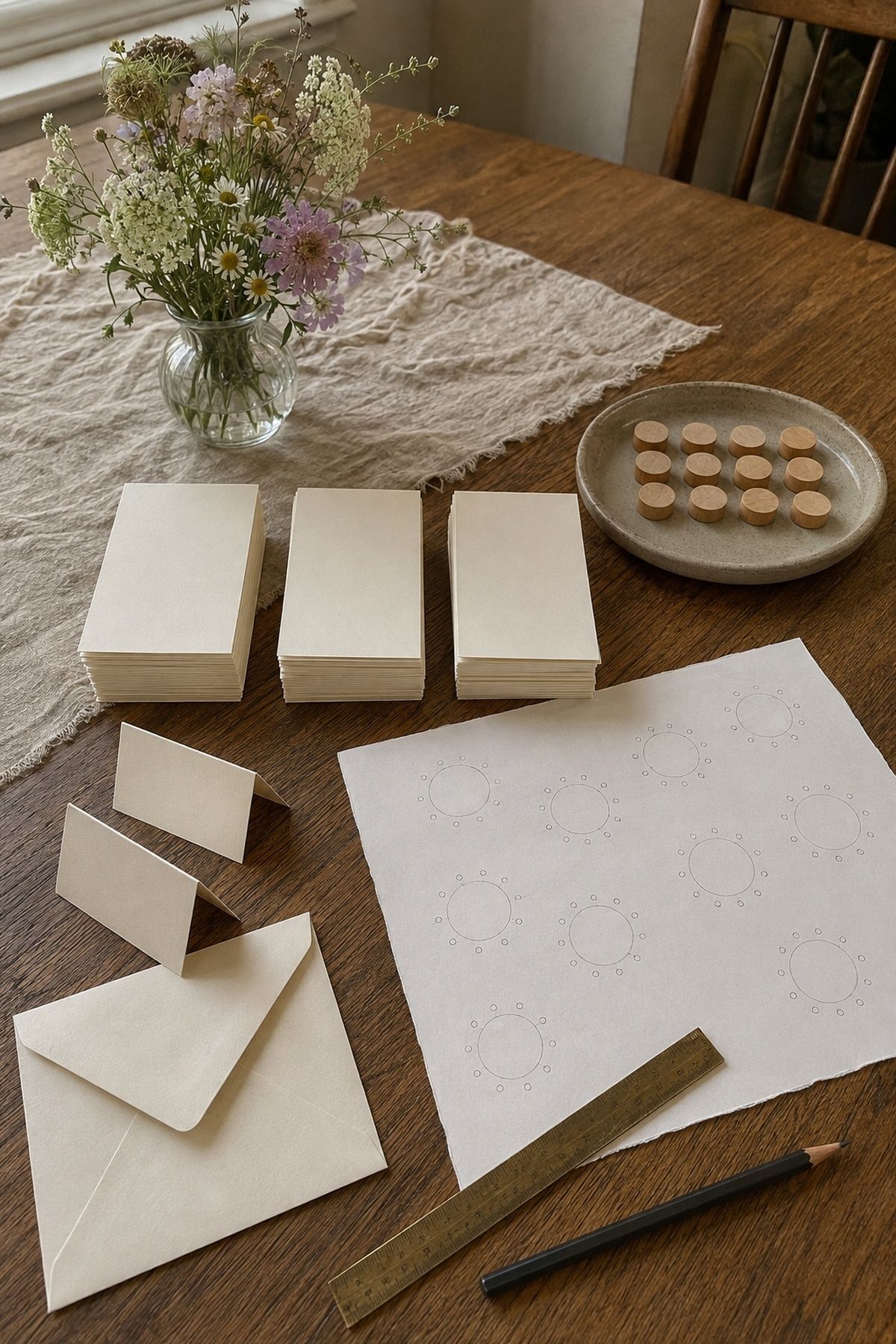
Start with the number that affects the most people: your final guest count. Chase the few remaining replies, confirm plus-ones, include children if they affect seating or meals, and send the updated count to your caterer, venue, rental team, stationer, and anyone else whose work depends on quantity.
For a small wedding, one household often shifts the room more than expected. A late yes might change the table shape, the amount of food, the number of chairs, and the conversation flow. Set a deadline for late replies, then make a decision and move on. The final guest count should become stable enough that every other task has a real number beneath it.
If someone still has not answered, send one kind but firm message with the final date and the consequence: after that point, there might not be a meal, chair, or named place available. This keeps the tone gracious while making the boundary real. Late replies are easier to handle when the couple is not renegotiating the whole plan for every delayed text.
Confirm The Marriage License And Legal Paperwork
Before you worry about finishing pretty details, confirm the legal ones. Check the marriage license rules for the place where you are getting married, including appointment timing, identification, waiting periods, expiration windows, witness requirements, and what your officiant must do after the ceremony.
Put the license, IDs, vows, rings, and any ceremony paperwork in one clearly marked folder or pouch. Tell your officiant and day-of point person where it will be. Legal paperwork is not glamorous, but good taste and improvisation will not replace it.
Send One Final Vendor Confirmation Email
Each vendor should receive one clear confirmation with the wedding date, venue address, arrival time, setup location, parking or load-in details, on-site contact, balance information, backup phone number, and any final detail they need to do the job well. Keep the message short enough that the important parts do not get buried.
This is where a vendor contact sheet earns its place. List every vendor, phone number, arrival time, payment status, and point person in one document. Then share it with the person managing the day, not the entire family group chat. Too many recipients create side conversations; one owner creates calm.
Ask vendors to reply with a simple confirmation instead of reopening choices that are already settled. If a florist, photographer, caterer, officiant, musician, or rental team needs one final answer, give it quickly and record the answer in the same place as the timeline. The final confirmation round should close loops, not create a second planning season.
Build The Wedding-Day Timeline

Your wedding-day final checklist should include a timeline with getting ready, vendor arrivals, family photos, ceremony, cocktail hour, dinner, speeches, dances if using them, transitions, cleanup, and end time. Add buffers where movement tends to slow down: hair and makeup, transportation, family portraits, room flips, dinner service, and loading personal items at the end.
Small weddings still need timing. A simple ceremony followed by dinner might only have a few moving parts, but guests still need to know when to arrive, the photographer needs enough light, food needs a service window, and the couple needs a pocket of quiet between tasks. A timeline is not about making the day rigid. It is about keeping everyone from asking the couple what happens next.
Build the timeline around handoffs. Who opens the room? Who receives flowers? Who tells immediate family when photos begin? Who moves gifts, cards, leftover cake, personal bags, and ceremony items at the end? The final timeline should include these ordinary transitions because they are exactly the moments that create stress when nobody owns them.
Name The Day-Of Point Person
Choose one person who will answer vendor questions, receive deliveries, protect the timeline, collect personal items, and redirect family questions away from you. This person might be a coordinator, planner, venue manager, sibling, close friend, or practical family member who is comfortable making small decisions.
Do not give this role to someone who wants to stay emotionally present with you all day. It is a real job. Give them the timeline, contact sheet, floor plan, payment envelopes, ceremony item list, and permission to make ordinary judgment calls. The goal is simple: on the wedding day, the couple should not be the information desk.
Tell close family and vendors this person’s name before the wedding morning. A day-of owner only works if everyone knows to go there first. You do not need to disappear from your own event, but you do need a polite shield between you and questions about chairs, timing, outlets, parking, envelopes, and where the extra candles went.
Finish Seating Or Meal Assignments
If you are assigning tables, finish the seating chart now. If you are hosting a very small meal, you might only need table groupings, family placements, dietary details, or a plan for who sits closest to the couple. Formal place cards are useful when guests have assigned meals or sensitive family dynamics, but they are not automatically required for every intimate wedding.
Think about comfort, not perfection. Seat older guests where hearing and easy movement feel realistic. Keep tense relationships apart without turning the floor plan into a family history project. Put talkative guests where they help the room feel warm. Once the chart works, stop moving people for tiny reasons.
Confirm Dietary Needs And Accessibility Details
Send the final dietary list to the caterer or restaurant, including allergies, vegetarian or vegan meals, alcohol-free needs, children if served differently, and any guest who needs a clear label. Then confirm accessibility details: mobility needs, parking distance, restroom access, ceremony surface, heat, cold, rain, stairs, and seating support.
This part matters even more at a small wedding because guest comfort is visible. If someone needs a chair during the ceremony, shade during portraits, or a route without stairs, plan it now. These details are not fussy. They are hospitality.
Pack Attire, Rings, Vows, And Personal Items
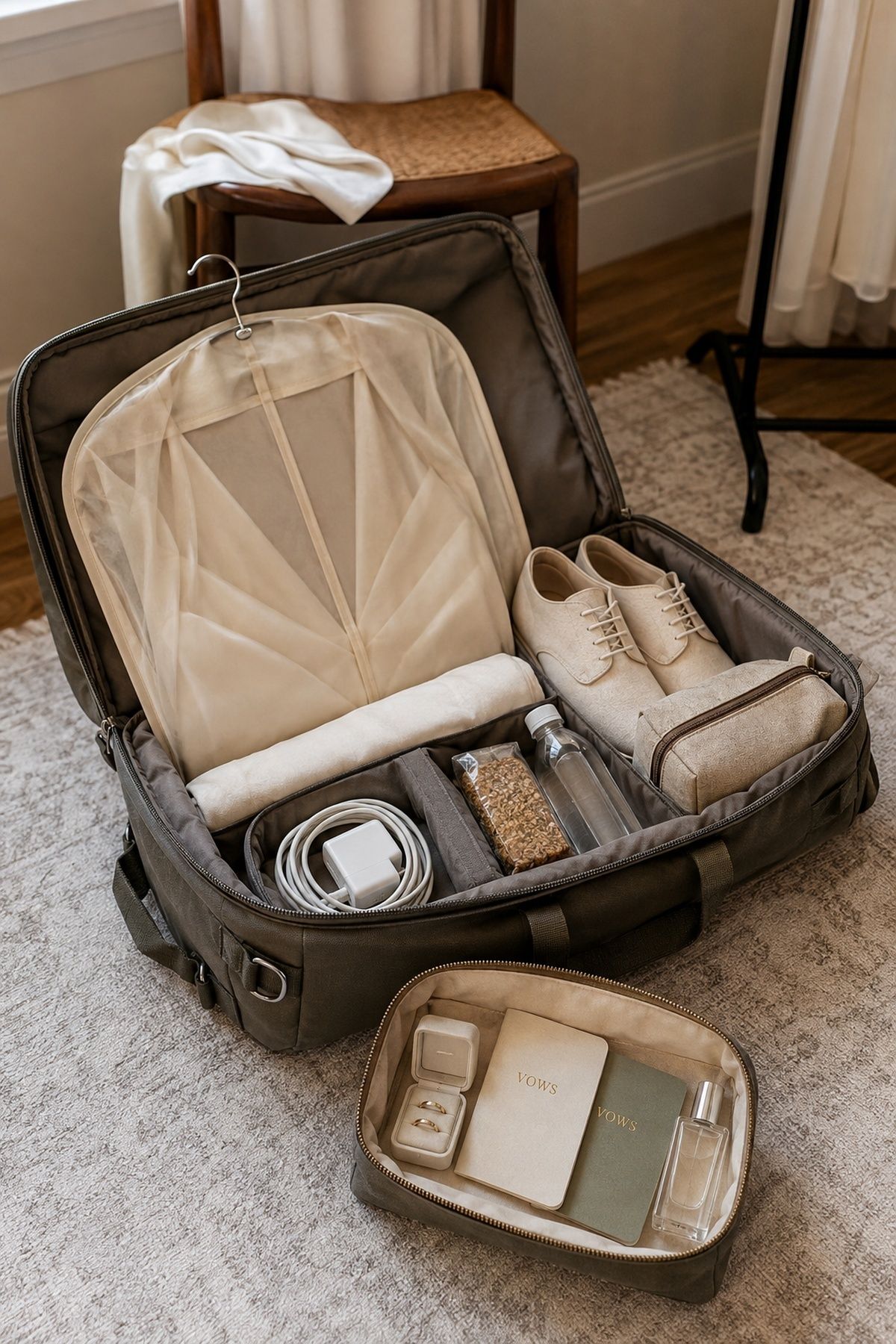
Make one packing list for wedding attire and another for personal items. Include outfits, shoes, undergarments, accessories, veil or hair pieces, jewelry, rings, vow books, license, perfume, makeup, toiletries, chargers, medication, snacks, water, touch-up items, pajamas, morning-after clothes, and anything needed for photos.
Pack early enough to notice gaps while stores are still open and shipping is still possible. Label bags by location: getting-ready room, ceremony, reception, overnight, returns, and home. A wedding packing checklist is less about being perfectly organized and more about keeping tiny essentials from scattering across five rooms and three cars.
Make one small “do not forget” pouch for items that are both tiny and important: rings, vow books, license, heirloom jewelry, cufflinks, special perfume, medication, and any sentimental detail needed for photos. Put that pouch somewhere visible and assign it to one person. The smaller the object, the more likely it is to vanish into a beautiful bag at the wrong moment.
Prepare Final Payments And Tip Envelopes
Review every contract and mark what is paid, what is due before the wedding, and what must be handed over on the day. Confirm payment methods with vendors rather than assuming cash, card, check, or transfer will work at the last second.
If you are preparing tip envelopes, label each one with the vendor name, amount, and delivery time. Put them in the custody of your day-of point person, along with a simple instruction about who should receive what. Money is one of the easiest tasks to hand off when it is organized and one of the most awkward when it is not.
Keep payment decisions private and practical. Not every vendor situation requires the same gratuity plan, and not every family member needs to know the totals. What matters is that balances are understood, envelopes are labeled, and the person distributing them knows whether anything depends on service ending, cleanup finishing, or a final delivery being complete.
Confirm Ceremony Items And Witnesses

Walk through the ceremony from start to finish. Confirm who has the rings, where the vows are, who is holding the license, who signs as witnesses, when readers arrive, what music cues are needed, where the officiant stands, and whether you are including unity items, family blessings, cultural details, or personal rituals.
For an intimate ceremony, the legal and emotional pieces are often close together. A witness might also be a parent, sibling, or best friend. Tell them exactly when they are needed and what they are signing. Do not wait until the ceremony is over to realize your chosen witnesses have slipped away to cocktails.
Also confirm who has the authority to make tiny ceremony calls. If music starts late, a reader feels nervous, rings are with the wrong person, or wind changes where everyone stands, someone should know whether to pause, simplify, or move forward. A ceremony feels more relaxed when the couple is not managing cues from the aisle.
Check Weather, Parking, And Arrival Logistics

Look at the weather, but do not let it take over the week. Decide what changes if it rains, turns windy, gets hot, cools off, or affects travel. Confirm tents, umbrellas, fans, heaters, indoor options, ceremony flooring, hair protection, and where guests will wait if the plan changes.
Then make arrival easy. Guests should know the address, parking instructions, start time, terrain, dress comfort details, and whether they should arrive early. Vendors should know load-in points and restrictions. Signage helps sometimes, but clear instructions often solve more than an extra sign ever could.
Share The Plan With Family Helpers Only Once
As the wedding approaches, family and wedding-party questions often multiply quickly. Send one final plan to the people who actually have jobs, and give each person a specific assignment. One person brings ceremony items. One person checks the getting-ready room. One person gathers family for photos. One person takes cards and gifts home.
Avoid open-ended requests like “everyone please help.” They sound kind, but they create confusion. Specific jobs create confidence. Once the final plan goes out, resist constant updates unless something truly changes. Every extra version increases the chance that someone follows the wrong one.
For family members who love to help but tend to improvise, choose assignments with clear edges. Give them breakfast, personal flowers, grandparent greetings, or photo gathering. They should not be rewriting the timeline, changing decor placement, or asking vendors to adjust the plan unless you have explicitly given them that role.
Stop Adding Decor, Favors, And Extra Errands
The final stretch is not the time to add handmade favors, new signage, extra guest bags, complicated table details, a second outfit plan, a new photo display, or another shopping errand unless it is already simple and assigned. New projects feel exciting because they offer control, but they also steal sleep, time, money, and attention from the wedding itself.
If a detail was optional two months ago, it is still optional now. Guests remember warmth, food, music, comfort, ceremony emotion, and whether the couple seemed present. They rarely remember the extra thing that kept you up until midnight the week of the wedding.
Make Space To Eat, Sleep, And Be Present
Rest is part of the plan. Schedule meals, water, quiet time, and a real bedtime in the final days. Put snacks in the getting-ready room, decide who brings breakfast, and protect at least one short window when you are not solving wedding questions.
This is not indulgent. It is practical. A couple running on panic will feel every small hiccup more sharply. A couple who has eaten, slept, and handed off the day has more room to notice the vows, the people, the music, and the strange sweetness of finally arriving.
What Small Weddings Can Skip In The Final Stretch
Small weddings often become easier when you let the guest count shape the checklist. Consider dropping favors, printed programs, elaborate welcome bags, custom signage, extra lounge rentals, complicated escort displays, matching robes, large wedding-party gifts, or a brand-new decor purchase that only exists because the internet made it look necessary.
Keep anything that supports comfort, clarity, legality, food, timing, or emotion. Drop anything that mainly proves you worked harder. A handwritten welcome card for ten guests might feel lovely; hand-assembling bags for sixty guests at midnight might make the wedding feel heavier. Choose the version that protects the mood you want to bring into the day.
If you are unsure, ask one question: will this missing detail create confusion, discomfort, legal trouble, unpaid balances, or a vendor issue? If the answer is no, it is probably safe to release. Beauty is still allowed. Panic shopping is not required.
What To Do If Something Is Still Unbooked
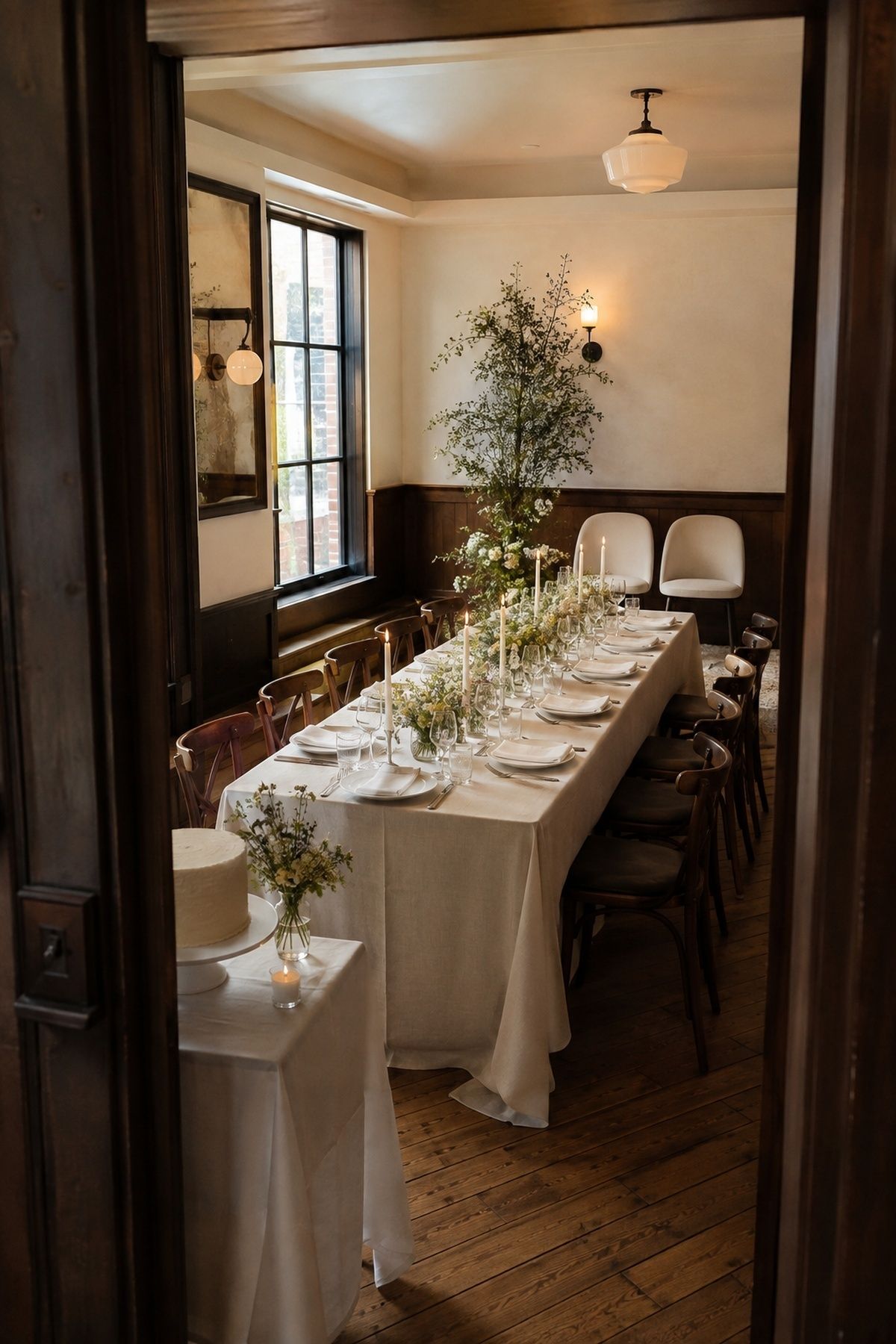
If a major piece is still missing, move in order of consequence. Legal paperwork comes first, then a confirmed location, food and drink, photography if memories matter to you, attire that fits, guest communication, and someone who owns the day-of questions. That is the emergency version of the plan.
Do not try to build a full traditional wedding from scratch in the final weeks. Build the most complete version of your actual wedding. A restaurant private room, courthouse ceremony followed by dinner, backyard meal, short ceremony with cake, or family-only gathering still feels beautiful when the essentials are clear.
When time is tight, shrink the number of moving parts. Use one location if possible. Choose vendors who already include setup. Limit custom details. Send guests clear information quickly. Ask one capable person to help with calls and confirmations. Last-minute planning becomes manageable when the wedding gets simpler instead of larger.
Use the same approach with purchases. Buy the version that solves the problem today instead of the version that creates assembly, styling, storage, transport, and return tasks. A simple dress that fits, a meal guests will enjoy, a bouquet available for pickup, or a photographer available for fewer hours might serve the wedding better than a perfect idea that arrives too late to support the day.
FAQ
What should be on a last minute wedding planning checklist?
A last minute wedding planning checklist should include final guest count, marriage license, vendor confirmations, timeline, day-of contact, seating or meal assignments, dietary needs, attire, rings, vows, payments, weather plan, parking, ceremony items, packing, and rest. Start with anything legal, contracted, guest-facing, or food-related before optional decor.
What should you do one month before a wedding?
One month before a wedding, confirm the guest count, finish legal paperwork, review vendor contracts, build the timeline, complete seating, prepare final payments, and start packing key items. This is also the right time to stop adding new projects so the final month supports the wedding instead of expanding it.
What should you do the week before a wedding?
The week before a wedding, send final vendor confirmations, pack attire and personal items, prepare payment envelopes, confirm ceremony details, check weather and parking, share the timeline with assigned people, and protect sleep. Keep updates limited so everyone is working from one clear plan.
What last-minute wedding tasks matter most for a small wedding?
For a small wedding, the most important last-minute tasks are headcount, meal count, seating or table plan, ceremony witnesses, guest comfort, vendor arrival details, legal paperwork, and a day-of point person. A smaller guest list reduces volume, but it does not remove the need for clear timing and hospitality.
Who should handle last-minute wedding questions on the day?
A planner, coordinator, venue manager, practical friend, sibling, or trusted family member should handle last-minute wedding questions on the day. Give that person the timeline, vendor contacts, payment details, ceremony item list, and permission to make ordinary decisions. The couple should not be fielding logistics while getting married.
What can you skip if you are running out of time?
If you are running out of time, skip favors, extra signage, welcome bags, new decor purchases, printed programs, complicated displays, and fresh DIY projects. Keep legal paperwork, food, guest comfort, vendor confirmations, payments, attire, rings, vows, and timeline clarity. Dropping optional details is often what makes the day feel calmer.
Final Thoughts
The final stretch of wedding planning is about protecting the plan you already made. Confirm the essentials, give the questions to someone else, pack what matters, and let the optional details become optional again. A last minute wedding planning checklist should make the day feel steadier, not turn extra effort into the goal.
Once the legal pieces, food count, vendor timing, guest comfort, and day-of ownership are clear, you are allowed to stop chasing the wedding that exists only in your head and enjoy the one that is actually almost here. A calm final month matters.
Last update on 2026-10-04 / Affiliate links / Images from Amazon Product Advertising API