

Destination wedding mistakes include choosing a location from photos alone, underestimating guest travel costs, assuming packages include everything, missing outside vendor fees, relying on the wrong coordinator role, giving guests too little notice, and skipping weather, paperwork, and backup planning.
A destination wedding often feels intimate, cinematic, and surprisingly simple from the outside. The guest list naturally gets smaller, the setting does some of the styling work, and one weekend might hold the ceremony, dinner, and travel memories in a way a local wedding rarely does.
The trouble starts when couples treat distance like a shortcut. Travel adds deadlines, guest budgets, legal details, weather seasons, language questions, resort rules, and extra communication. A beautiful place still needs a grounded plan for the people trying to get there.

Recommended Wedding Products


You Might Also Like These Blog Posts
- Goa Destination Wedding Ideas for a Coastal Celebration With Soul
- Mexico Destination Wedding Dress Ideas That Can Handle the Heat
- Dream Ranch Destination Wedding Ideas For A Wide-Open Weekend
- Destination Elopement Party When You Get Home Without Recreating The Wedding
- Outdoor Wedding Mistakes That Make Beautiful Plans Feel Uncomfortable
- Wedding Mistakes To Avoid If You Want The Day To Feel Like You
Destination Wedding Mistakes That Start Before The Boarding Pass
The best destination weddings feel generous, not effortless. They give guests enough notice to decide honestly, enough information to travel with confidence, and enough room to enjoy the place without feeling managed from sunrise to midnight.
That is especially true for small or intimate weddings. A smaller guest list often happens naturally because not everyone has the budget, passport, childcare, time off, health, or comfort level to travel. The goal is not to make people feel guilty for declining. The goal is to plan so the people who do come feel considered at every step.
Choosing A Destination Before Checking Guest Reality

A place might be perfect for the couple and difficult for the guests. Before you fall too hard for a beach, villa, island, or mountain resort, think through the real people you most want there. Consider airfare, passport timing, transfers, mobility, work schedules, school calendars, childcare, travel anxiety, and whether the trip creates pressure for close family.
This does not mean every guest needs veto power. It means the destination should match the circle you are asking to travel. If your most important people would need two flights, a ferry, and four vacation days, the wedding might become smaller than you intended. If that smaller group feels right, wonderful. If it would break your heart, pause before booking.
Destination wedding planning mistakes often begin when the guest list is treated like a normal local RSVP list. For travel weddings, the guest list is also a logistics map. The earlier you respect that, the kinder the planning feels.
Falling For Photos Without Understanding The Place

Inspiration photos show the best light, the best angle, and usually the best season. They do not show the airport transfer, the steep path to the ceremony, the wind pattern at sunset, the language barrier at the rental counter, or the construction happening next to the resort next spring.
Before choosing the destination, study the place as a guest would experience it. Look at travel routes, drive times, climate by month, local holidays, rainy seasons, high season pricing, beach access, wheelchair access, restroom locations, shade, sound restrictions, close lodging, and what happens if the ceremony space moves indoors.
Saved images are useful for style, but they are not a planning contract. A beautiful ceremony view matters less if guests arrive overheated, confused, or stranded between the hotel and the venue.
Assuming All-Inclusive Means All Costs Are Included

All-inclusive wedding package mistakes happen because the phrase sounds complete. In reality, packages often include a base ceremony, a limited guest count, a short reception window, standard decor, a set menu, house bar options, and specific vendor access. Upgrades often apply to flowers, photography, music, private receptions, chairs, linens, cake, hair and makeup, lighting, transportation, extra guests, and longer timelines.
Ask for the full package document and a sample estimate for your actual guest count. Then ask which items are included, which are included only up to a limit, which require upgrades, and which disappear if you choose a different time, location, menu, or room block.
The safest budget conversation is specific. Do not ask whether the package covers the wedding. Ask whether it covers your ceremony location, guest count, dinner style, private reception, music, flowers, beauty services, vendor team, tax, service charges, and backup plan.
Forgetting Outside Vendor Fees And Resort Rules
Destination wedding vendor fees often change the whole budget. Some resorts charge outside vendor fees, day passes, meal fees, security fees, or room-stay requirements for photographers, makeup artists, florists, planners, DJs, videographers, or officiants who are not on the approved list. Others limit vendor work areas, arrival windows, and assistant access.
Ask about every vendor category before you sign. If you already love a photographer or planner, confirm the fee, access rules, required insurance, working hours, assistant rules, meals, and whether the vendor must stay on property. Get the answer in writing because resort staff and policies sometimes change before the wedding date.
Rules are not always unreasonable. Resorts protect operations, licensing, and guest safety. The mistake is discovering a rule after deposits have created a plan the venue will not allow.
Confusing A Resort Coordinator With A Full Planner
A resort coordinator, destination planner, and travel advisor all bring different kinds of help, but they do not usually own the same job. A resort coordinator often manages the venue package and on-property details. A destination planner often designs the timeline, vendor team, guest flow, decor, communication, and backup decisions. A travel advisor often handles room blocks, guest bookings, transfers, and travel questions.
Destination wedding resort coordinator mistakes usually come from assuming one person covers everything because their title sounds comforting. Ask who builds the full timeline, who communicates with outside vendors, who handles ceremony rehearsal, who manages guest transportation, who tracks payments, who answers travel questions, and who is physically present on the wedding day.
If the answer is split across several people, write the ownership down. A destination wedding does not need a huge team, but it does need one clear person responsible for each moving part.
Sending Save-The-Dates Too Late For Real Travel Planning
Guests need more than a romantic date announcement. They need enough time to check passports, request time off, compare flights, budget for lodging, arrange childcare, decide whether the trip is possible, and talk with family members who might travel together.
For a destination wedding, send save-the-dates as soon as the location, date, and core lodging information are stable. Then keep the wedding website updated with travel windows, closest airports, room block deadlines, estimated stay length, transfer guidance, attire guidance, and the rough weekend schedule.
Destination wedding timeline mistakes rarely feel dramatic at first. They show up later as rushed passport renewals, expensive flights, missed room blocks, confused relatives, and friends who would have come if they had known the real details earlier.
Leaving Guests To Figure Out Travel Alone
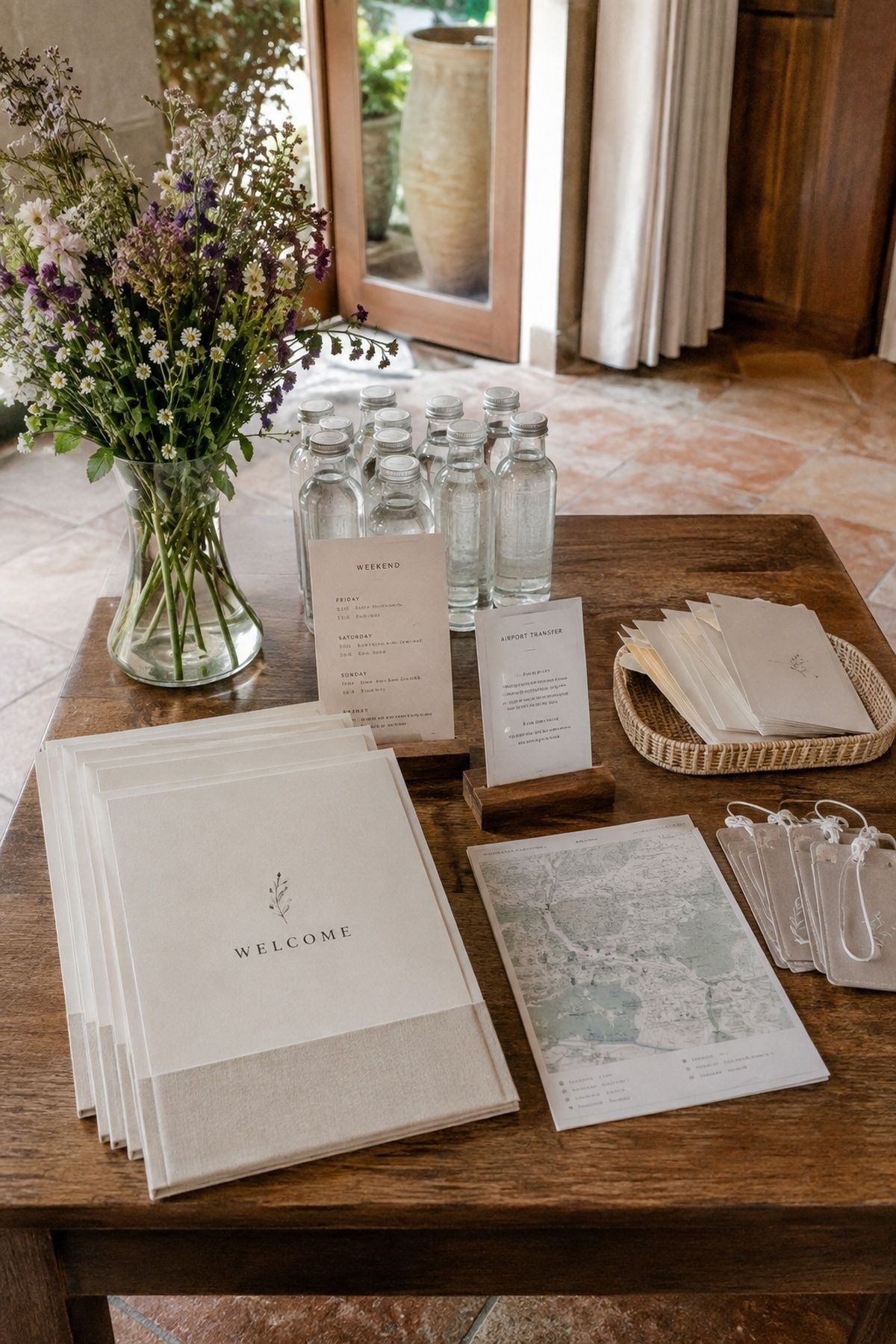
Destination wedding guest travel mistakes are often communication mistakes. Guests do not need you to book every flight for them, but they do need clear information that keeps the trip from feeling like a puzzle. Give them airports, transfer options, hotel choices, booking deadlines, dress code guidance, passport reminders, local currency basics, emergency contacts, and a simple weekend itinerary.
Be honest about cost while leaving room for prices outside your control. Share room block rates, airport transfer estimates, resort fees, likely event meals, and optional activity details. Avoid implying that the trip will be cheap just because the package looked simple from the couple side.
Guest care also means giving people graceful exits. A destination wedding invitation should make attendance feel loved, not demanded. The people who are not able to travel still deserve warmth.
Ignoring Weather, Local Rules, And Legal Paperwork
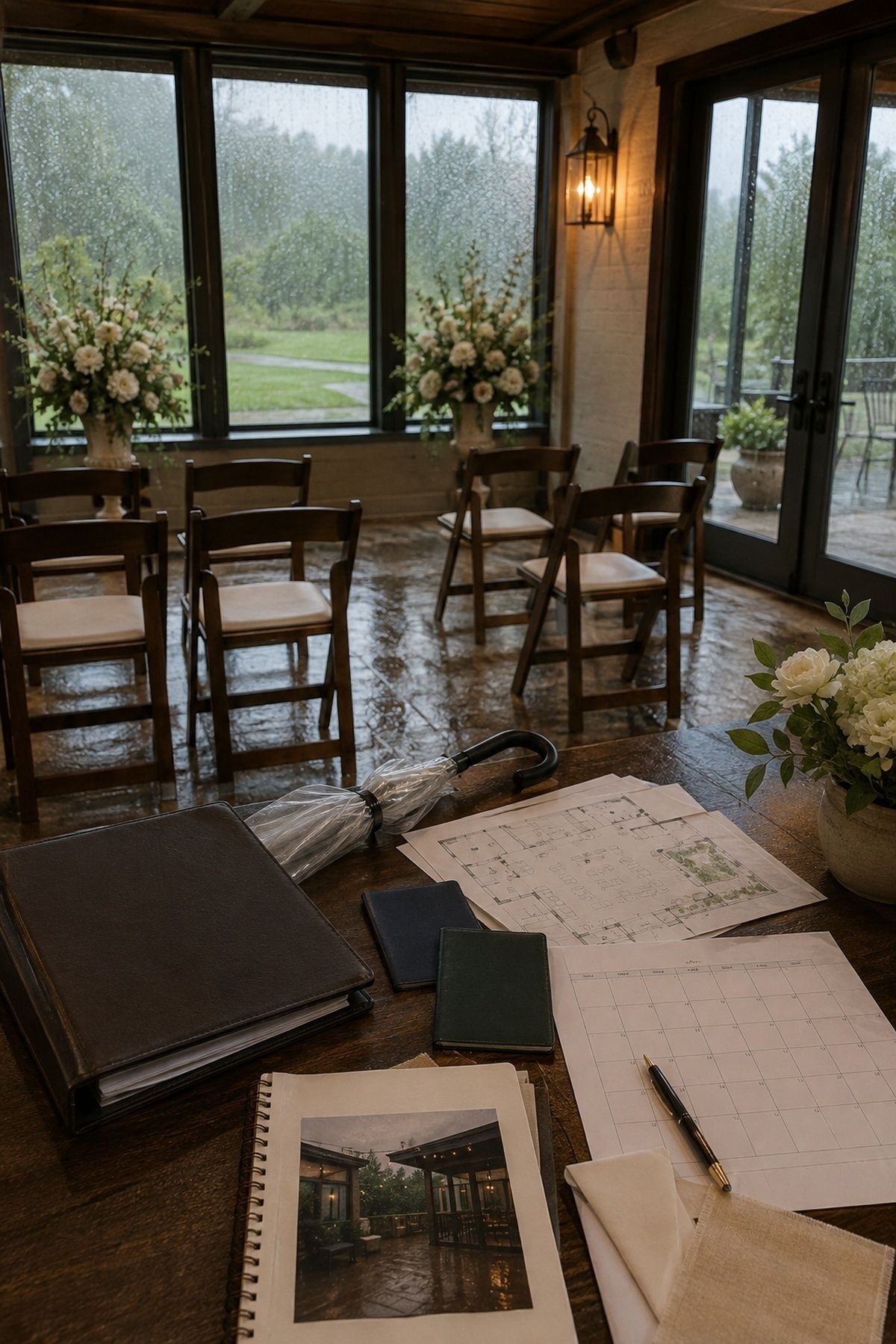
Weather, permits, and paperwork are not background details. Destination wedding legal paperwork varies by location and often involves residency windows, translations, apostilles, blood tests, civil ceremony rules, witnesses, filing deadlines, or extra appointments. Because rules change, confirm requirements with the official local authority or a qualified local professional before making legal plans.
Some couples choose to complete the legal marriage at home and treat the destination ceremony as symbolic. Others handle the legal ceremony abroad. Either path is fine when everyone understands the requirements, timing, and documents early.
Destination wedding weather mistakes follow the same pattern. Ask about rainy seasons, heat, wind, tides, hurricane or storm windows, backup rooms, tenting, ceremony shade, shoe-friendly paths, and what changes if weather affects vendor arrivals or guest transfers.
Not Budgeting For Welcome Events, Excursions, And Guest Hospitality
Destination wedding budget mistakes often hide in hospitality. Couples sometimes budget the ceremony package and reception, then realize guests expect some guidance around arrival drinks, welcome bags, shuttle details, day-after brunch, group excursions, beach seating, bottled water, snacks, or a hosted event before the wedding day.
You do not need to host every meal or activity. In fact, many guests appreciate free time. The better approach is to decide what you will host, what is optional, and what guests should pay for themselves. Then communicate that clearly so no one arrives guessing.
For intimate destination weddings, hospitality works best when it stays simple and meaningful: a welcome card, clear arrival instructions, one relaxed gathering, and a few local tips often feel more generous than an overloaded weekend schedule.
Planning Too Many Activities For A Small Guest Group
A small destination wedding easily turns into a mandatory group trip by accident. Brunch, beach time, excursions, welcome drinks, rehearsal dinner, ceremony, reception, after-party, and farewell breakfast might sound fun in planning mode, but guests still need rest, privacy, and control over their vacation time.
Choose a few shared moments and leave space around them. Make optional activities truly optional, with clear cost and timing information. If guests have traveled far, open time often becomes part of the gift.
The intimate wedding angle is connection, not constant togetherness. A smaller group often feels warmer when people have room to breathe, explore, nap, call home, or skip an activity without feeling noticed.
Forgetting Time Zones, Communication Delays, And Local Vendor Norms
Planning across distance moves differently. Emails might land overnight. Holidays might not match your calendar. Vendors often have different payment norms, response times, contract styles, language preferences, and assumptions about wedding timelines. None of this is automatically a problem, but it does require patience and structure.
Build extra time into decisions. Keep a shared document with contacts, deadlines, deposits, balances, arrival times, and open questions. Confirm time zones on every meeting invite. Ask whether payments, taxes, service charges, and gratuities are handled in local currency or your home currency.
The goal is calm translation between systems. When expectations are written down early, fewer details get lost between the couple, resort, planner, travel advisor, and guests.
A Destination Wedding Reality Check Before You Book
Before paying the first major deposit, test the plan as if you were a guest and as if you were the vendor team. How do people get there? Where do they stay? What does the trip likely cost? What happens if flights change? Where does the ceremony move in bad weather? Who owns paperwork? Who answers travel questions? Which fees are missing from the first estimate?
Then test the emotional fit. Does this destination support the people you most want there? Does the setting make the guest list feel thoughtful rather than strained? Does the package match the wedding you want, or are you already upgrading your way toward the real version?
The right destination should make the wedding feel more like itself, not less. When place, people, budget, paperwork, weather, and communication all support one another, travel becomes part of the celebration instead of a stress everyone has to carry home.
FAQ
These destination wedding mistakes are easier to avoid when couples ask practical questions before booking, especially around timing, packages, guest travel, planning roles, budget surprises, and legal paperwork.
How Far In Advance Should You Plan A Destination Wedding?
Many couples give guests roughly 9 to 12 months or more when travel is involved, especially if passports, international flights, school calendars, or limited vacation time matter. The exact timeline depends on the location, season, room block, and guest needs, but earlier communication almost always makes the wedding kinder.
Do All-Inclusive Destination Wedding Packages Include Everything?
No. All-inclusive packages often have limits around guest count, ceremony decor, private reception time, menu upgrades, photography, music, flowers, beauty services, outside vendors, room blocks, and service charges. Ask for a written estimate based on your real wedding, not only the starting package.
What Travel Information Should Guests Receive?
Guests should receive the wedding date, destination, closest airports, hotel options, room block deadlines, passport reminders, transfer guidance, itinerary basics, dress code, local weather details, emergency contacts, and any hosted versus optional event details. Clear information helps guests decide and travel without constant one-off questions.
Do You Need A Planner For A Destination Wedding?
A planner is worth considering when the wedding has outside vendors, private events, complex travel, legal paperwork, decor decisions, or a small guest group that needs thoughtful hosting. A resort coordinator often handles package details, but couples should confirm who owns the full timeline, vendor communication, guest flow, and wedding-day problem solving.
What Budget Surprises Should Couples Expect?
Common surprises include package upgrades, outside vendor fees, extra guest tiers, private reception costs, service charges, taxes, day passes, transfers, welcome events, excursions, room block terms, legal paperwork, translations, shipping, luggage, gratuities, and backup-weather costs.
How Should Couples Handle Destination Wedding Legal Paperwork?
Couples should verify legal requirements with official local authorities, a qualified local professional, or the venue team if they provide documented guidance. Some couples legally marry at home and hold a symbolic ceremony abroad; others complete the legal ceremony at the destination. The right choice depends on rules, timing, documents, and comfort level.
Final Thoughts
The destination wedding that feels best afterward is not the one that looked easiest at the beginning. It is the one where the place, people, and logistics support each other, where guests understand the trip, where costs are named early, and where destination wedding mistakes do not quietly become someone else’s problem.
Before you book, price the real package, assign planning-role ownership, give guests practical travel details, and choose the destination only after the travel path still feels humane. Raise small package gaps in time for the answers to shape the estimate, guest plan, and backup choices.
Last update on 2026-10-04 / Affiliate links / Images from Amazon Product Advertising API