

DIY wedding mistakes happen when handmade details are chosen before the real cost, time, skill, labor, setup, and risk are counted. The safest DIY projects are meaningful, tested early, easy to transport, simple to set up, and realistic for the people who will actually carry them through.
A handmade wedding detail feels wonderfully personal when it is chosen with care: the handwritten place cards, the pressed-flower table numbers, the ribboned welcome sign that already feels woven into your story. The trouble begins when the project quietly asks for more than it gives back.
For small weddings, DIY is often worth considering because every detail has room to be noticed. Still, a smaller guest count does not erase tools, prototypes, venue rules, storage, transport, setup, cleanup, or tired relatives. The goal is not to avoid every handmade idea. The goal is to choose the ones that protect the wedding morning instead of taking it over.

Recommended Wedding Products


You Might Also Like These Blog Posts
- Outdoor Wedding Mistakes That Make Beautiful Plans Feel Uncomfortable
- Wedding Flower Mistakes That Make Pretty Plans Harder Than They Need To Be
- Wedding Mistakes To Avoid If You Want The Day To Feel Like You
- Destination Wedding Mistakes That Follow Guests Home
- Wedding Vendor Mistakes That Make Planning Feel Like Chasing People
- Wedding Party Mistakes That Turn Support Into Stress
DIY Wedding Mistakes That Steal Time From The Celebration
The loveliest DIY decisions start with the same question: will this make the wedding feel more like us, or will it turn our closest people into an unpaid production crew? That one question changes everything. It moves DIY from a vague money-saving fantasy to a real planning choice.
Begin by choosing the feeling you want handmade details to create. If the answer is intimacy, memory, softness, color, or family meaning, keep diy small wedding decor careful and limited. If the answer is only “because it might be cheaper,” slow down and count the full exchange.
Choosing DIY Projects Before Counting The Real Cost
One of the easiest wedding DIY mistakes is pricing only the visible supplies. Ribbon, cardstock, vases, wax seals, paint, glue, wire, foam, candles, frames, and flowers may seem manageable in the cart. Then the project asks for tools, samples, shipping, extra materials for mistakes, storage tubs, transport padding, printing, replacement pieces, and the occasional emergency reorder.
Before committing, price the finished version, not the fantasy version. Count every tool you do not already own, every supply you need to buy in excess, and every hour that has to happen after work, on weekends, or during the final month. DIY wedding cost mistakes often appear when the couple saves money in one line and spends it back in time, stress, or supplies that never get opened.
DIY works beautifully when the project is small, repeatable, and emotionally valuable. Ten handwritten vows booklets may feel precious. Ninety hand-cut menu sleeves may feel different by the third evening. The honest cost is not only money; it is attention.
Buying Supplies In Bulk Before Making One Finished Sample

Bulk buying feels efficient until the first sample reveals that the ink bleeds, the wax cracks, the flowers wilt, the ribbon color changes in daylight, or the sign is too small for the entrance. A single finished sample is the quiet little test that saves couples from bins of regret.
Make one complete version before ordering for every table, chair, favor, invitation, bouquet, or aisle marker. Photograph it in natural light, carry it across the room, pack it in a box, and ask whether it still looks right after being handled. Most wedding crafting regrets start when a couple skips this ordinary test and discovers the problem after everything has already been purchased.
This is especially important for DIY wedding decor mistakes because decor lives in space, not on a screen. Scale, texture, height, weight, and color all change once the item leaves the craft table.
DIYing Anything Too Fragile, Heavy, Perishable, Or Weather-Sensitive
Some projects look simple because the finished photo hides everything that happened before it. Fresh flowers need timing, hydration, storage, clippers, buckets, cool space, transport, and someone calm enough to fix broken stems. Heavy signs need stands, weights, vehicles, and safe placement. Food needs temperature control, service flow, and cleanup. Outdoor decor needs a plan for wind, rain, heat, and damp ground.
Ask what the project becomes if it breaks, melts, wilts, spills, falls, or arrives late. DIY wedding flowers mistakes are rarely about taste; they are about timing and handling. A few personal bud vases may be lovely. A full floral installation built the morning of the wedding asks too much from people who also need to get dressed, greet family, and breathe.
When a project is fragile or weather-sensitive, reduce the scale or move it to a safer category. Choose dried petals instead of fresh garlands, printed signs instead of hand-painted boards, or a professional rental for anything tall, heavy, or overhead.
Forgetting Tools, Storage, Transport, Setup, Teardown, And Disposal

The project is not finished when the glue dries. It still needs to be packed, labeled, loaded, carried, placed, maintained, removed, sorted, cleaned, donated, stored, or thrown away. DIY wedding setup mistakes usually start because the couple imagines the finished table but not the hands required to build it on site.
Create a simple movement plan for every handmade item: who brings it, where it goes, when it is placed, what tool is needed, what box it returns to, and who takes it home. For rented pieces and practical basics, write pickup, delivery, inventory, placement, and return timing before DIY fills the gaps.
If no one is clearly assigned, the task will search for the nearest organized person on the wedding day. That person is often a parent, sibling, maid of honor, or couple themselves. Protect them early.
Ignoring Venue Rules About Flames, Hanging, Power, And Access

Venue rules undo a beautiful plan very quickly when they are checked too late. Open flames may be banned. Hanging installations may require approved hardware. Power may be limited. Confetti, petals, tape, nails, sparklers, glass, glitter, balloons, and late-night cleanup may have strict conditions. Even a backyard wedding has rules if rentals, neighbors, weather, bathrooms, parking, or local noise limits are involved.
Confirm restrictions before buying supplies. For outdoor or home-based celebrations, settle access, exits, surfaces, lighting, restrooms, catering needs, sound, and weather plans before adding small backyard wedding ideas to the project list. A handmade detail should fit the setting instead of forcing the setting to work harder.
The best venue conversation is specific. Ask which items may hang, whether flames are allowed, what needs power, when setup may begin, when cleanup must end, and what fees appear if the space is damaged or left late. Backyard wedding DIY mistakes need the same practical check, especially when guests will move between lawn, patio, kitchen, tent, bathroom, and parking areas.
Trying To DIY Food, Bar Service, Bathrooms, Or Safety-Critical Logistics
There are some things not to DIY for wedding planning unless the event is extremely simple and the legal, safety, and labor pieces are genuinely covered. Food service, alcohol service, bathrooms, electrical needs, tenting, structural installations, transportation, and major cleanup affect guest comfort and liability. They are not only aesthetic decisions.
A small wedding may make these categories look easier, but fewer guests still need safe food, clear drinks service, enough bathrooms, stable shade, working lighting, trash removal, and someone who is not emotionally central to the day managing the problems. Hiring or renting here is not a lack of creativity. It is a way to keep creativity from carrying unsafe weight.
Save DIY energy for details guests enjoy without depending on them for basic comfort. Handmade escort cards, welcome cards, photo displays, favor tags, or ceremony programs offer personality without asking the wedding to run on craft supplies.
Leaving Flowers, Signage, Favors, Or Printing Until The Final Week
The final week has a way of becoming full even when the calendar looks open. Family arrives. Weather changes. The seating chart shifts. Clothes need steaming. Payments need checking. Someone asks a question that should have been answered two months ago. Last minute wedding projects add pressure at the exact moment the couple needs steadiness.
Set a DIY cutoff date. Anything decorative, printed, assembled, labeled, or packed should be finished before the wedding week unless freshness truly requires later timing. Reserve the small wedding final week checklist for confirmations, personal care, family arrivals, and calm problem solving.
If a project is not complete by the cutoff, simplify it. Print fewer signs. Skip the favors. Buy plain candles. Ask the florist for one extra arrangement. Your guests will remember the way the day felt long after they forget whether every tag had hand-tied thread.
Creating Decor That Blocks Sightlines, Aisles, Exits, Or Guest Flow
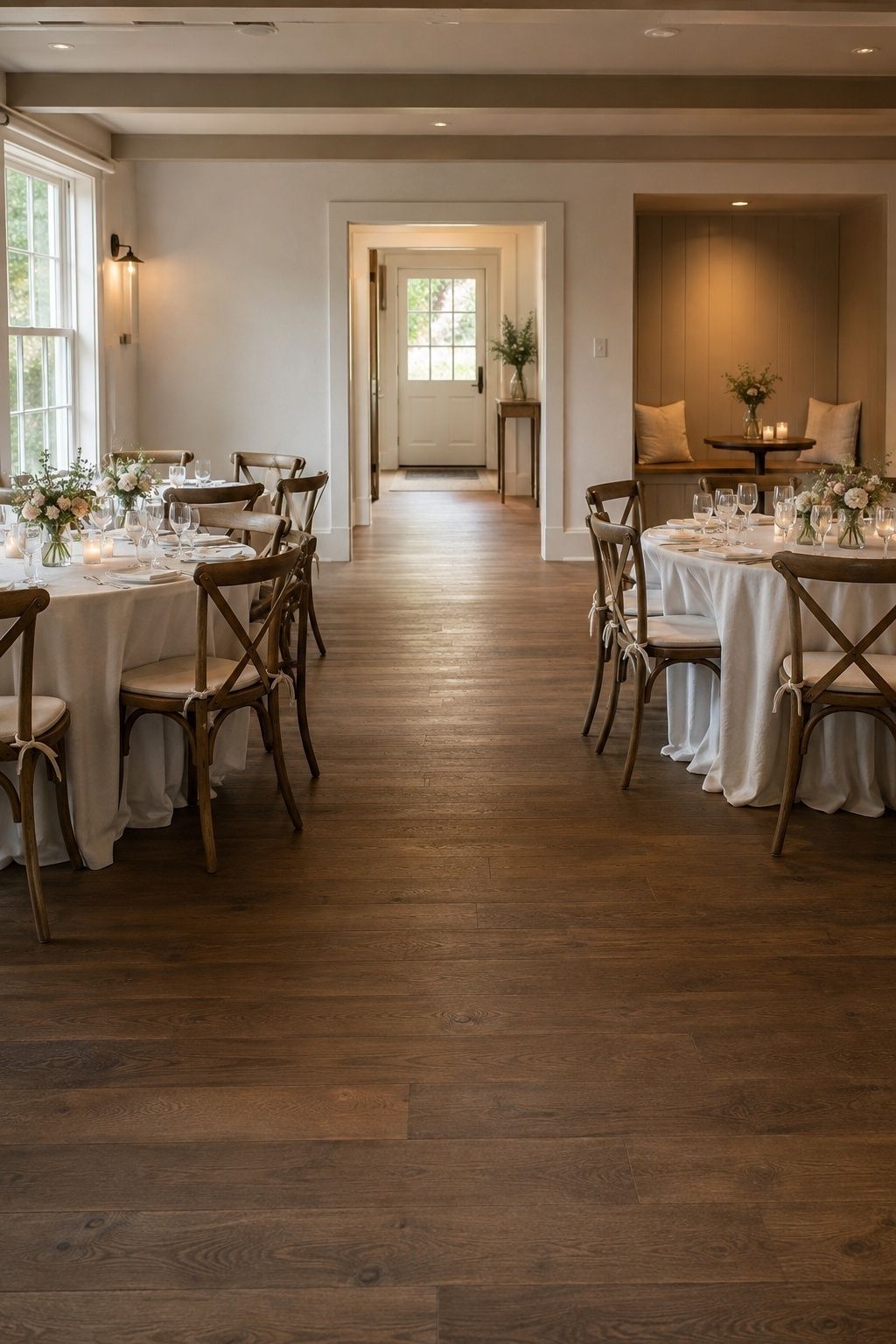
Decor should guide guests, not trap them. Tall centerpieces block conversation. Aisle markers catch dresses or mobility aids. Welcome displays clog an entrance. Seating charts create a crowd at the wrong doorway. Candles may sit too close to sleeves, menus, florals, or children. Handmade does not get a pass on guest experience.
Walk through the event as a guest. Where do people enter, place cards, sit, eat, dance, reach the bathroom, find drinks, and leave? Then check whether each handmade piece supports that movement. A small room makes these choices more visible because every blocked view and awkward corner affects more of the celebration.
When in doubt, lower the height, widen the path, remove extra pieces, and keep exits obvious. Elegant restraint often photographs better than crowded abundance.
Asking Loved Ones To Work Without A Clear Role Or End Time
Family help feels tender when the request is fair. It turns into DIY wedding stress when loved ones are asked to assemble, carry, arrange, troubleshoot, clean, and host without knowing where their job ends. A person who wants to support you may say yes before realizing they will miss portraits, cocktail hour, or a quiet moment with you.
Give every helper a defined task, deadline, location, supplies list, and release time. “Please place these twelve table numbers before 3 p.m.” is kinder than “Can you handle decor?” For money-conscious choices, sort diy wedding ideas on a budget by helper time, setup pressure, and cleanup responsibility, not only supply prices.
If a task would make someone sweat through their outfit, miss the ceremony, skip a meal, or stay late cleaning while everyone else leaves, hire it out, rent differently, or remove it.
Making Every Detail Handmade Until Nothing Feels Special
When everything is handmade, the couple may stop seeing meaning and start seeing unfinished tasks. The welcome sign, favors, napkins, menus, table numbers, ceremony backdrop, guest book, programs, confetti cones, card box, and bar menu all compete for the same creative energy. Too many projects flatten the emotional point.
Choose a few handmade details that carry real story. Maybe your grandmother’s recipe becomes a cookie favor. Maybe your shared love of old books shapes the table names. Maybe one hand-lettered sign matters because it marks the place where guests first arrive. For tighter spending, edit small wedding decor on a budget down to pieces with a clear job, so the room feels intentional rather than exhausted.
Give yourself permission to buy, rent, borrow, or skip the rest. A wedding does not become more personal simply because every surface has evidence of labor.
Forgetting A Backup Plan For Broken, Missing, Or Late Supplies
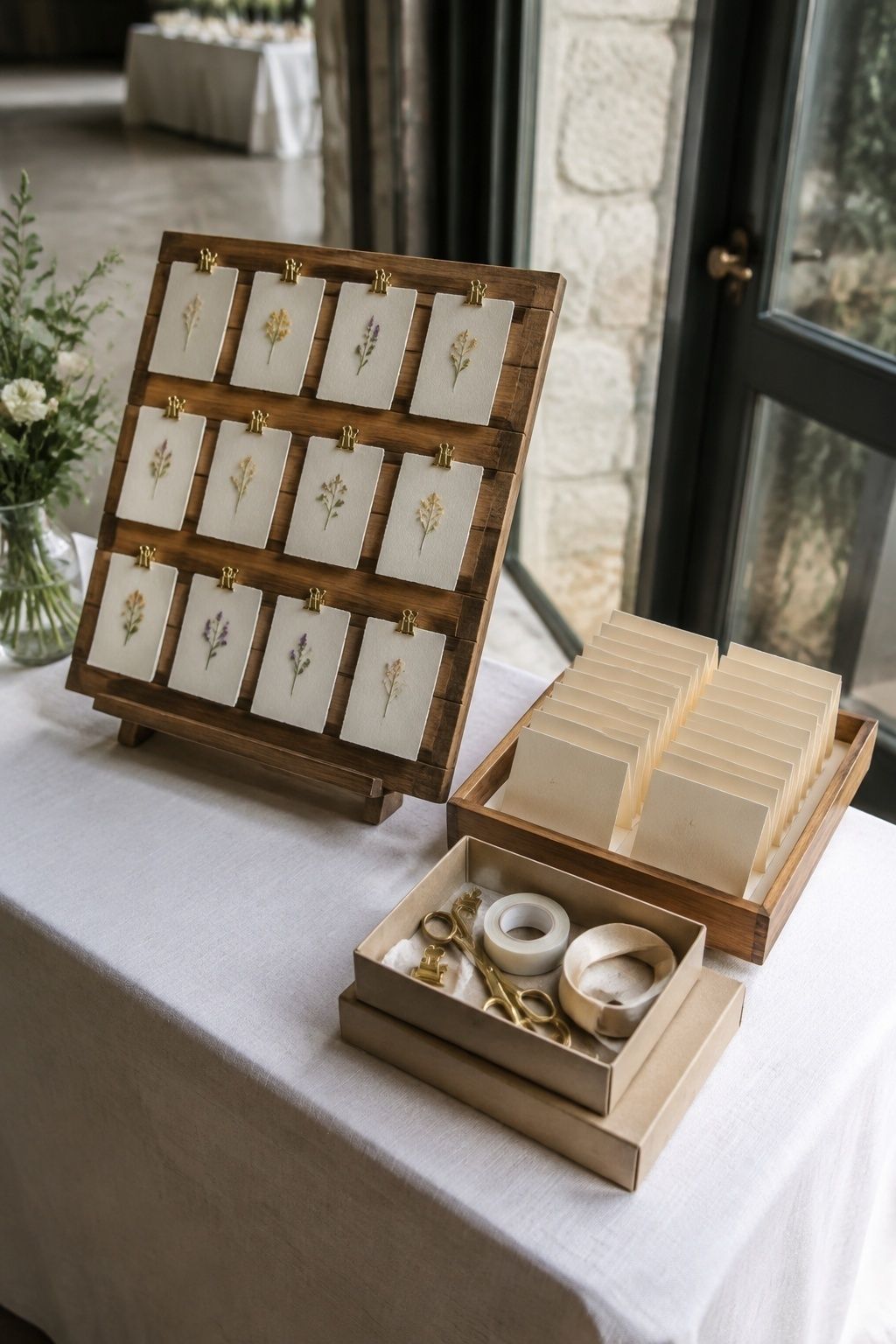
DIY has more loose pieces than many couples expect. A shipment may arrive in the wrong color. A printer may jam. A vase may crack. A box may be left in the wrong car. A handmade sign may not stand up in wind. A project may look smaller in the venue than it did at home.
For every important project, name a simpler fallback. If the escort display fails, place cards go on the table. If the ceremony backdrop will not stand, flowers move to the altar. If favors are unfinished, they disappear quietly. If printed menus arrive late, the table still functions. The backup does not need to be equally elaborate; it needs to let the wedding continue gracefully.
Pack a small repair kit, but do not build the day around emergency crafting. The better plan is a wedding that still feels complete when one handmade piece leaves the story.
A DIY Decision Test For Small Weddings
Before saying yes to a project, test it against five questions: meaning, money, time, labor, and risk. Does it make the wedding feel more personal? Does it truly save money after tools and waste? Does it fit the calendar? Who touches it before, during, and after the wedding? What happens if it fails?
A project that passes all five is usually a strong candidate. A project with meaning but weak timing should shrink. A project that saves money but creates high risk is usually better handled by a professional. A project that requires too many people may need a rental, a purchase, or a graceful goodbye.
This is the heart of avoiding DIY wedding mistakes: handmade should deepen the day, not drain it. When the project honors your story and respects your limits, it has a reason to be there.
FAQ
What should you not DIY for a wedding?
Most couples should be cautious about DIY food service, alcohol service, bathrooms, structural installations, electrical needs, major tenting, transportation, and day-of cleanup. These categories affect safety, comfort, timing, liability, and guest flow, so they are often better rented or handled professionally.
What DIY wedding mistakes should couples avoid?
Couples should avoid buying supplies before making a sample, assuming DIY is automatically cheaper, ignoring venue rules, leaving projects until the final week, asking loved ones to work without boundaries, and choosing fragile or weather-sensitive projects without a backup plan.
Is DIY actually cheaper for weddings?
DIY is cheaper when the project is small, simple, repeatable, and made from materials you already understand. It may cost more when tools, shipping, prototypes, mistakes, storage, transport, helper time, setup, cleanup, and unused supplies are counted honestly.
How do you avoid last-minute wedding crafts?
Set a firm DIY completion date before the wedding week, finish one full sample early, avoid bulk buying until the sample works, label packed items by location, and simplify any project that is not complete by the cutoff. The final week should focus on confirmations and personal steadiness.
What wedding projects are worth DIYing?
The best DIY wedding projects are personal, low-risk, easy to repeat, simple to pack, and meaningful to the couple. Place cards, welcome cards, family photo displays, table names, favor tags, small signage, and ceremony programs often work better than food, bar, heavy decor, or complex florals.
How much time should DIY wedding decor take?
There is no universal number, but every DIY decor plan should include sample time, production time, packing time, transport time, setup time, teardown time, and cleanup time. If the project crowds the final month or needs constant troubleshooting, reduce the scale or choose a simpler version.
Who should set up DIY wedding decor on the day?
DIY wedding decor should be set up by someone with a clear assignment, arrival time, supplies list, layout details, and release time. Ideally, that person is a hired coordinator, venue contact, setup crew, or non-central helper who will not miss key family moments or couple portraits.
Final Thoughts
The most beautiful handmade wedding details usually have limits. They know what they are meant to add, and they do not ask the whole celebration to rearrange itself around them. That is the tender balance: personal without punishing, creative without chaotic, memorable without taking over the morning.
Choose the projects that carry meaning, test them early, count the hidden labor, account for setup, cleanup, venue fit, and helper time, then release any high-pressure DIY that would steal peace from the people you love. By the wedding week itself, each remaining idea should already be weighed for cost, time, setup, cleanup, venue fit, and helper capacity, so DIY wedding mistakes do not steal the quiet from the celebration.
Last update on 2026-10-04 / Affiliate links / Images from Amazon Product Advertising API