

A no plus one wedding is not rude when the guest list is handled consistently, invitations are addressed to named guests, RSVP settings match the seats you reserved, and your website gives a short, gracious explanation. The goal is to make the boundary unmistakable without making invited guests feel corrected before they have even replied.
For many small or intimate weddings, open plus-ones can quickly change the shape of the day. A few unnamed guests may affect the venue layout, dinner count, lodging plans, and the close feeling you were trying to create. That does not mean the wording should feel cold. It means every communication channel should quietly support the same decision.
The smoothest approach is to decide the policy before invitations go out, name exactly who is invited, avoid open blanks on the RSVP, and prepare one private reply for anyone who asks. When those pieces work together, you do not need a harsh rule printed across the invitation suite.
Recommended Wedding Products


You Might Also Like These Blog Posts
- Small Wedding Plus One Etiquette For A Gracious Guest List
- Small Wedding No Plus-One Website Wording For Named Guests
- Small Wedding No Plus One Wording Lines That Stay Warm
- How To Say No Plus Ones Politely Without Sounding Cold
- How To Set Wedding Boundaries With Family Before Your Guest List Learns To Multiply
- Small Wedding Website Wording For A Small Guest List
How To Handle A No Plus One Wedding Without Making Guests Feel Excluded
A no-plus-one policy should start as an internal guest-list rule, not as a dramatic public announcement. Decide whether you are declining all open plus-ones, inviting only established partners by name, or making a small number of practical exceptions. Then make sure your invitation addressing, RSVP wording, website FAQ, and private replies all reflect that same standard.
When you are shaping plus-one etiquette for small weddings, the issue is rarely just wording. It is the relationship between your guest count, your hosting capacity, and the dignity of the people you are inviting.
Define The Policy Before You Choose The Words
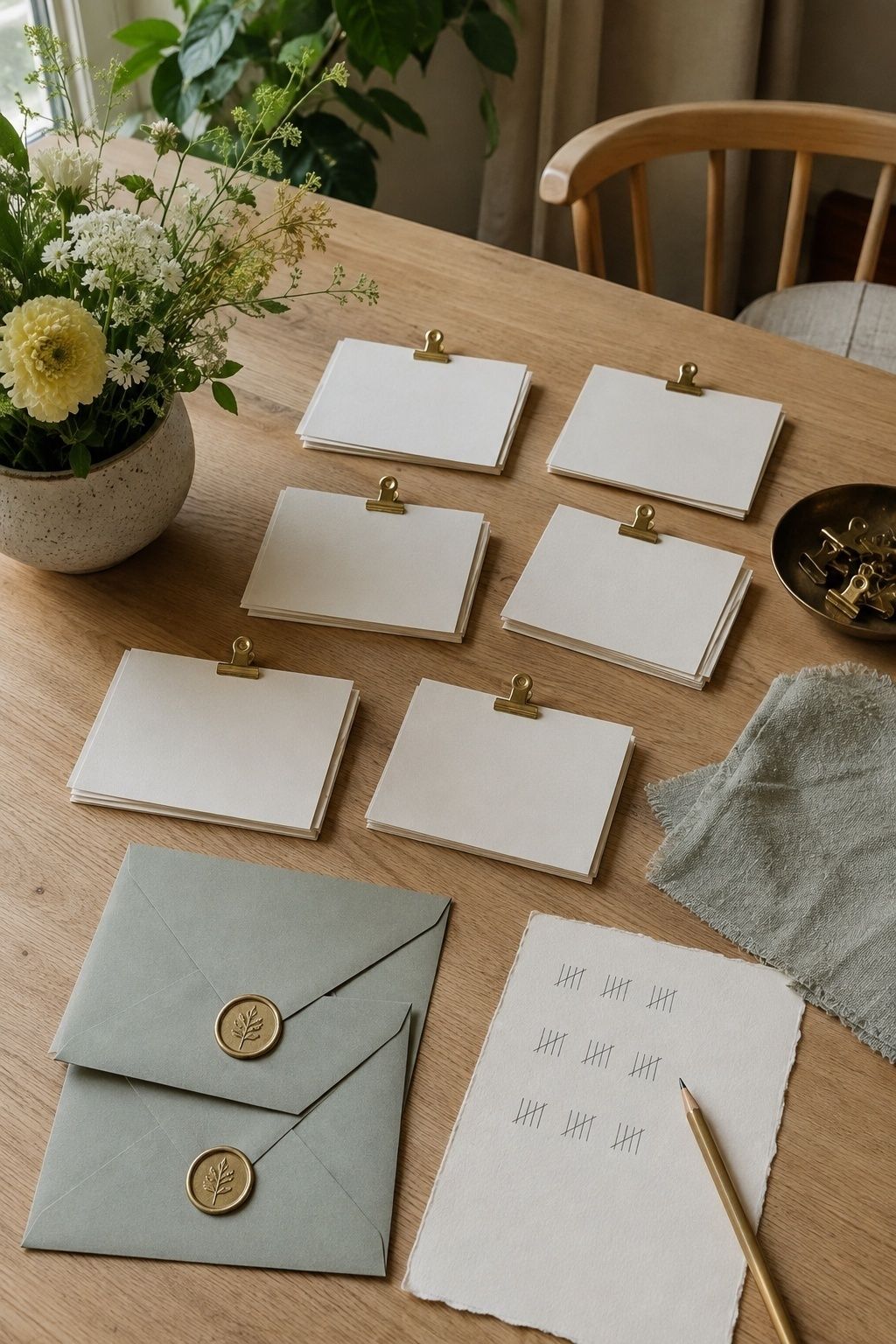
Before you write no-plus-one wedding wording, write the actual policy for yourselves. Are spouses invited? What about fiancees, live-in partners, long-term partners, wedding-party partners, or guests traveling alone? Are you declining only unnamed dates, or are you hosting a very tiny circle with no partners outside the closest group?
A clear internal rule might be: “We are inviting spouses, fiancees, live-in partners, and long-term partners by name, but we are not offering open plus-ones.” Another might be: “Because this is immediate family and closest friends only, every invitation is limited to the people named.” You do not need to publish that full sentence. You need it so your public wording stays consistent.
Treat Established Partners Differently From Open Plus-Ones
A named partner is different from an open plus-one. A spouse, fiance, live-in partner, or long-term partner is often part of your guest’s real social life, even if you do not know that person well. An open plus-one is an unnamed guest the invitee chooses later. Many couples invite named partners while still saying no to extra unnamed guests.
For a very small wedding, you may choose a narrower rule. That can be reasonable, especially when the ceremony is family-only or the venue has almost no flexibility. Just make the decision intentionally. Guests are more likely to understand a limited guest list wedding wording plan when similar relationships are treated in a similar way.
Check The Guest List Before Invitations Go Out
Do one careful check before stationery, digital invites, or website RSVPs are finalized. Look for couples you may have forgotten, guests whose relationship status changed, people who will not know anyone else, and family members who may assume a partner is included. This is also the time to weigh your rule against your plan to keep the guest list small.
If you make exceptions, record them clearly in your guest list tracker. Do not rely on memory once RSVPs, meal choices, and seating notes begin coming in. A tidy list prevents awkward follow-up later, especially if one guest writes in a name or another asks why someone else received an invitation for two.
Address Invitations To Named Guests Only
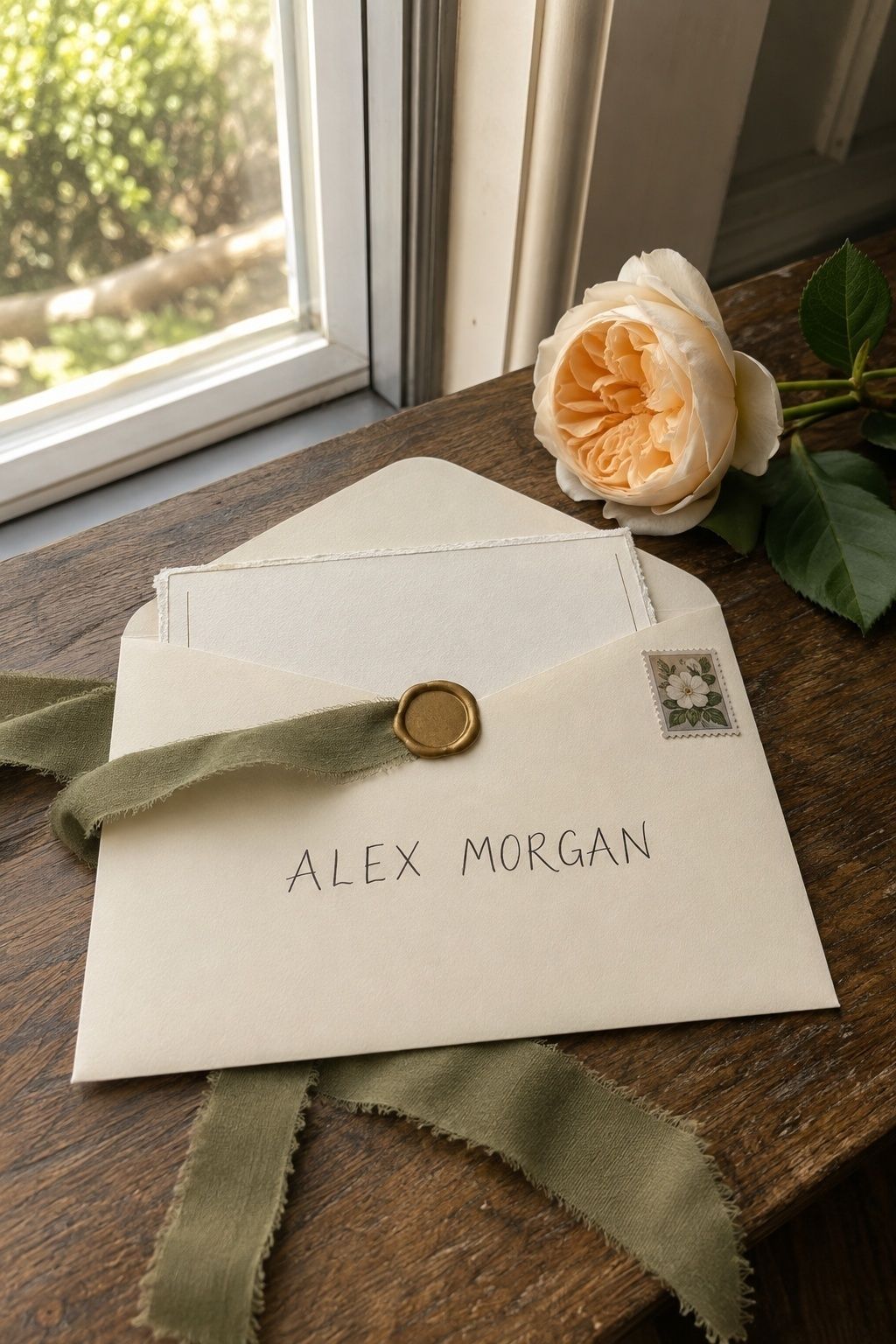
The invitation addressed to named guests is the first and strongest signal. If only one person is invited, the envelope or digital invitation should name only that person. If a named partner is invited, list both names. Avoid household phrasing that could make the invitation feel open to anyone living at the address.
This is usually more graceful than putting “no plus-ones” on the main invitation card. A wedding invitation should still feel like a welcome. On a details card, keep no-plus-one wording brief: “We have reserved this celebration for the guests named on each invitation.” Another option is: “Because our celebration is intimate, we can only accommodate the invited guests listed here.”
Make The RSVP Count Match The Invitation
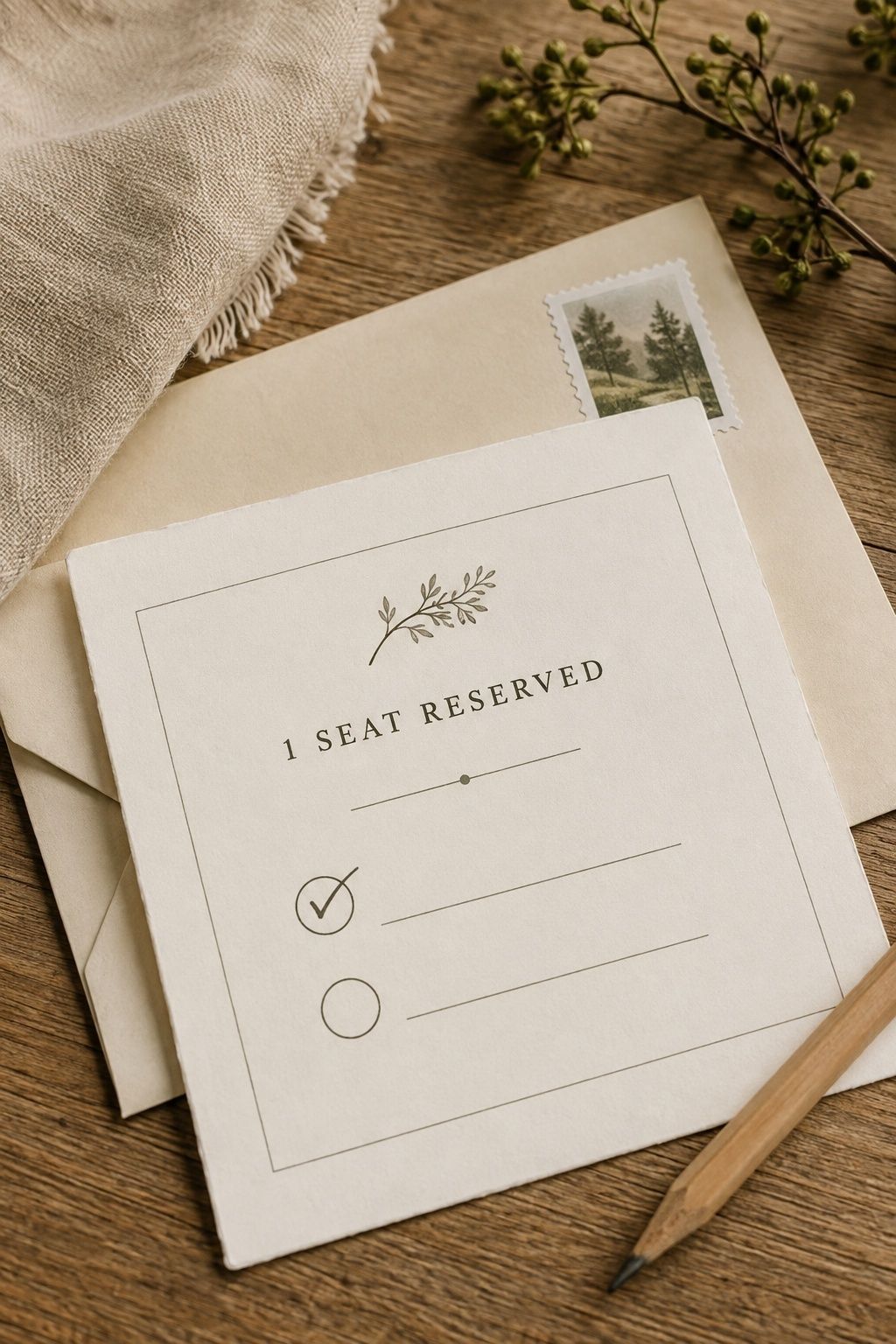
No-plus-one RSVP wording should prevent guests from guessing. Avoid a blank “number attending” line if only one seat is reserved. Use seat-specific language instead, such as “We have reserved 1 seat in your honor” or “We have reserved 2 seats for you” when two named guests are invited.
For online RSVPs, turn off settings that allow guests to add names freely. If your platform allows named responses, list only the invited guests and collect meal choices under those names. This keeps the form practical and reduces the chance that you will have to correct a guest after they have already submitted a reply.
Use The Website FAQ For The Short Explanation
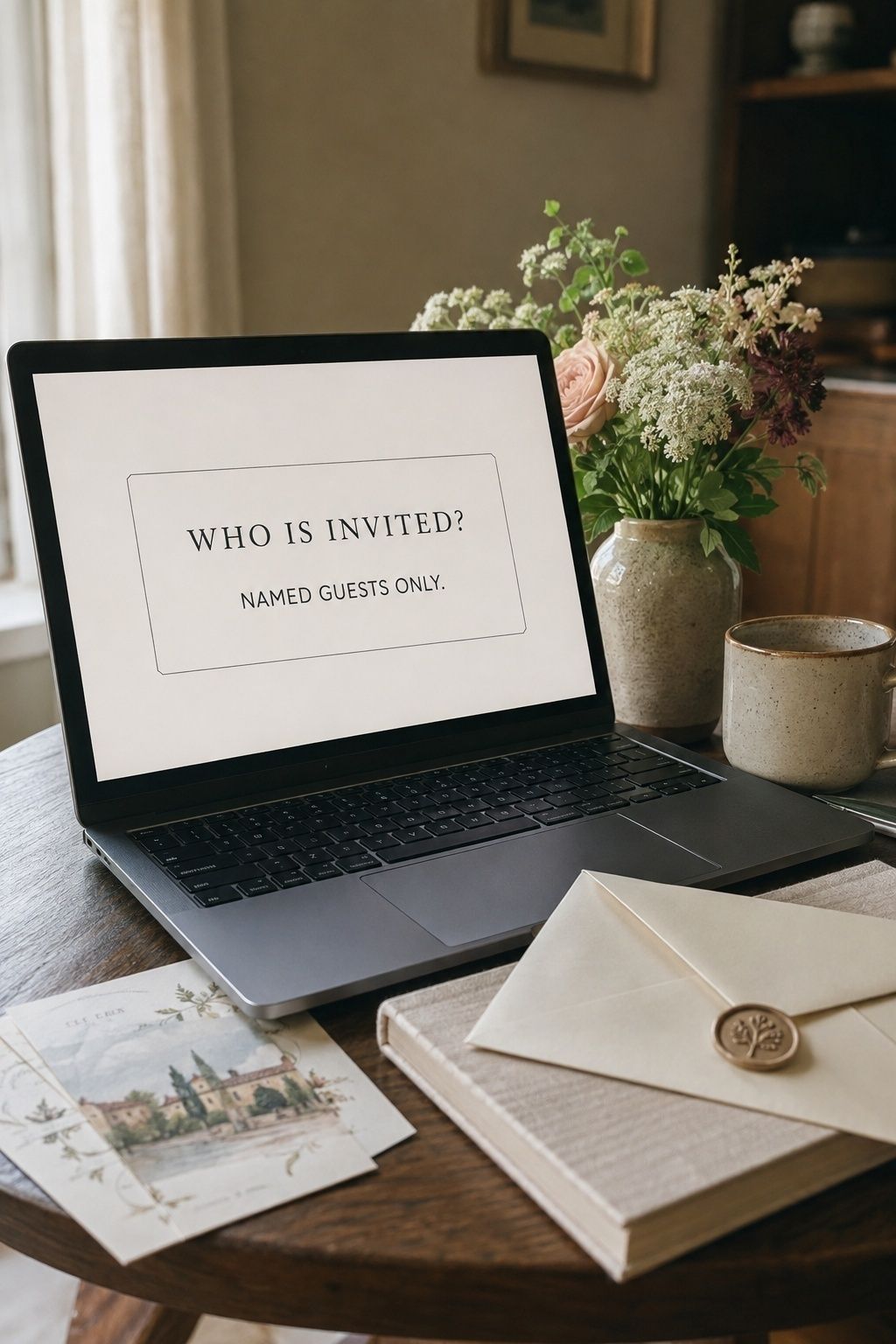
Website language about no plus-ones can be warmer and slightly more explanatory because guests are already looking for details. Keep the answer short, clear, and closed-ended. For example: “Because we are celebrating with a small guest list, we are only able to host the guests named on each invitation. Thank you for understanding as we keep the day intimate.”
If the wedding is especially tiny, let website wording for a small no-plus-one wedding mention limited seating without overexplaining: “Our venue has limited space, so our guest list is invitation-only. If your invitation includes another guest, their name will appear with yours.”
Answer Direct Questions Privately And Steadily
Even clear invitations will not stop every question. Decide your reply before you need it. A good private answer is kind, brief, and does not invite a debate: “We would love to include more people, but our guest count is limited to the names on each invitation. We are really looking forward to celebrating with you.”
If the guest pushes back, repeat the boundary rather than adding new reasons. Too much explanation can create openings for negotiation. If you say the venue is small, someone may ask whether one more chair can fit. If you say the budget is tight, they may offer to cover the plate. A calm answer is usually kinder than a long one.
Make Solo Guests Feel Hosted, Not Stranded
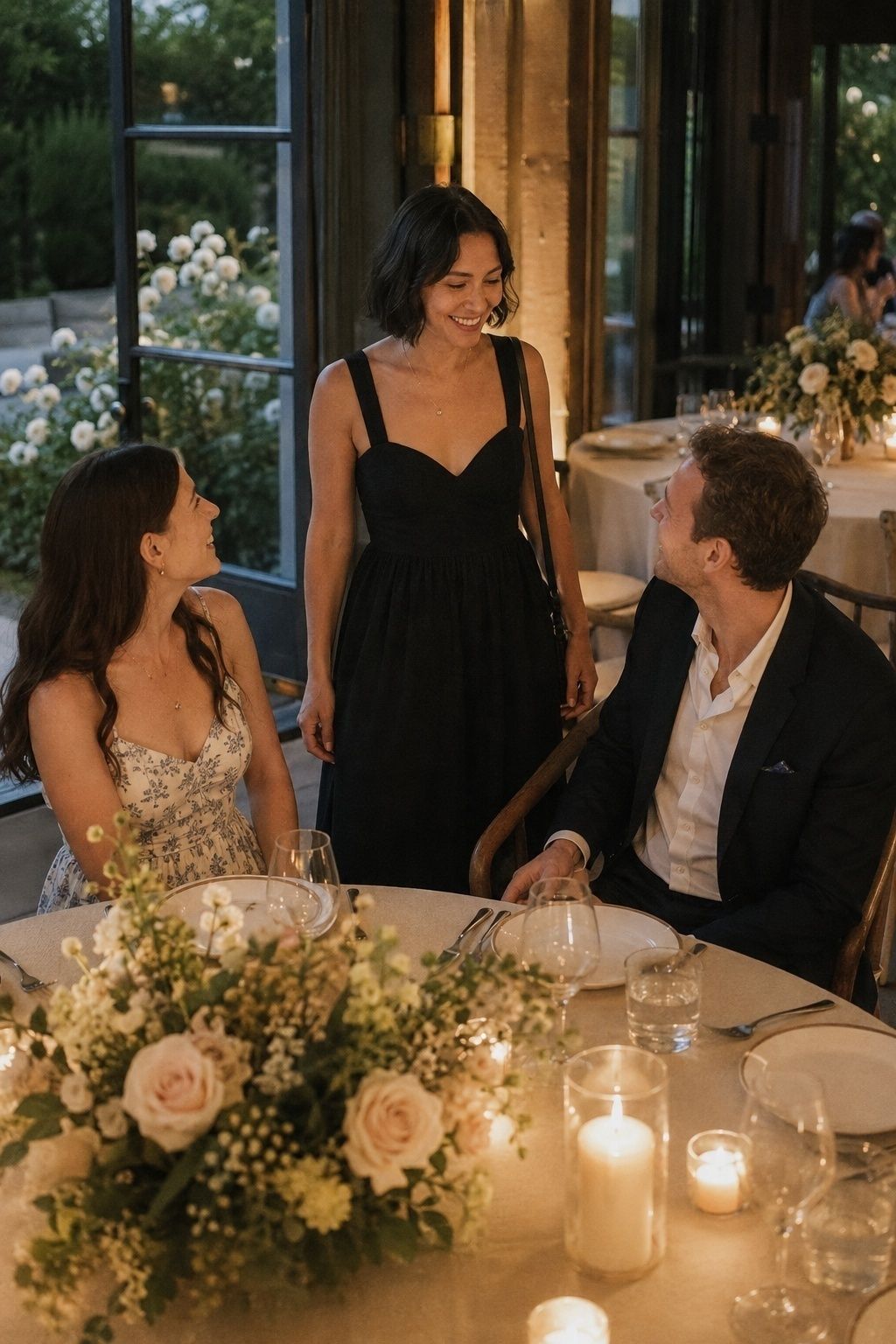
If you are asking some guests to attend alone, think about the day from their side. Seat solo guests with people they know or with guests who are naturally welcoming. Avoid putting one single friend at a table where every other person arrived as part of a couple and already has an easy conversation partner.
Small hosting details matter: clear transportation notes, a short cocktail hour, warm introductions, and a seating chart built around real connections. When your website includes no-plus-one website wording for named guests, the experience should still say, “We thought carefully about your comfort once you arrive.”
Decide Whether Any Exceptions Are Truly Worth It
Some exceptions may be practical: a guest who recently got engaged, a sibling whose long-term partner was accidentally missed, or an out-of-town guest who would otherwise know no one. Other exceptions can create confusion, especially if they are based on who asked most forcefully. Decide whether an exception supports the spirit of your wedding or simply relieves pressure in the moment.
If you do add someone, update the invitation record, RSVP count, meal choices, and seating plan immediately. A small wedding has less room for casual changes. One extra guest may affect a table, transportation plan, or venue capacity in a way that would be easy to overlook until late in the process.
Avoid The Most Common No-Plus-One Mistakes
The biggest mistake is making the rule sound personal. Avoid jokes about random dates, public scolding, budget complaints, or language that makes single guests feel like the problem. It is also risky to use apology-heavy wording that sounds like you are asking guests to comfort you for the decision.
Another common mistake is letting different channels contradict each other. If the invitation names one guest but the RSVP asks for an open number attending, confusion is predictable. If the website says named guests only but one family branch receives casual exceptions, people may notice. Keep no-plus-one wording for a small wedding tied to the same boundary across every guest-facing detail.
FAQ
Is It Rude To Have No Plus-Ones At A Wedding?
No, it is not automatically rude, especially for a small wedding with limited space or a very intentional guest list. The etiquette depends on consistency and care. Decide the rule before invitations go out, consider established partners thoughtfully, and make solo guests feel welcomed through seating, introductions, and clear logistics.
How Do You Say No Plus-Ones On A Wedding Invitation?
The most graceful method is to address the invitation only to the named guests who are invited. If you need a details-card line, keep it brief: “We have reserved this celebration for the guests named on each invitation.” Avoid a blunt warning on the main invitation card.
How Do You Say No Plus-Ones On A Wedding Website?
Use the website FAQ for a short explanation guests can find privately. Try: “Because we are celebrating with a small guest list, we can only accommodate the guests named on each invitation. Thank you for understanding as we keep the day intimate.” Keep it warm and closed-ended.
Can You Have No Plus-Ones At A Small Wedding?
Yes. Small weddings often need stricter guest-count boundaries because every chair, meal, and conversation group affects the feel of the day. The key is to define whether you mean no open plus-ones or no partners outside a very small circle, then communicate that rule consistently.
Do You Have To Invite Spouses Or Long-Term Partners?
You are not legally required to invite anyone, but spouses, fiancees, live-in partners, and long-term partners are usually treated differently from unnamed dates. If you exclude an established partner, especially for a close guest, consider whether the relationship needs a private conversation rather than only a website note.
What Do You Do If A Guest Asks To Bring A Plus-One?
Reply privately and keep the answer simple. Say that you would love to include more people, but the guest count is limited to the names on each invitation. Do not overexplain with budget or venue details if those reasons might invite negotiation. Kind, steady wording is enough.
Final Thoughts
A no-plus-one boundary can still feel gracious when the guest list has been reviewed carefully, invitations are named clearly, RSVP limits are set correctly, and your website explains the policy in one calm sentence. Pair that clarity with thoughtful seating and real hospitality, especially for guests who are attending alone.
Set your standard before the invitations go out, keep every channel aligned, and let your warmth show in the hosting once guests arrive. When your names, RSVP limits, website note, and no-plus-one invitation wording all say the same thing, the boundary feels calm instead of personal.
Last update on 2026-10-03 / Affiliate links / Images from Amazon Product Advertising API