

A micro wedding planning checklist should settle the guest list, budget, legal details, ceremony plan, meal, photography, vendor timing, and one trusted day-of handoff before you spend energy on extras.
A smaller wedding can feel beautifully personal, but it still needs a plan that protects the couple from carrying every detail in their heads. When the celebration is intimate, each choice is easier to see: who is invited, where people gather, how they are fed, what moments matter most, and who keeps the day moving while you are getting married.
Use this checklist as a refined planning path for a close, well-hosted wedding day. It is not meant to add tasks for the sake of tradition. It is meant to help you keep what matters, remove what does not, and give your guests a celebration that feels cared for from arrival to goodbye.

Recommended Wedding Products


![The Knot Ultimate Wedding Planner [Revised Edition]: Worksheets, Checklists, Etiquette, Timelines, and...](https://meadowandaisle.com/wp-content/plugins/aawp/public/image.php?url=YUhSMGNITTZMeTl0TG0xbFpHbGhMV0Z0WVhwdmJpNWpiMjB2YVcxaFoyVnpMMGt2TlRGRmVVRnBablp0Tmt3dVgxTk1NVFl3WHk1cWNHYz18MTc5MTE4MzQxMQ=)
You Might Also Like These Blog Posts
- Small Wedding Planning Checklist For A Calm, Personal Day
- Simple Wedding Planning Checklist For Couples Who Want Less Noise
- 6-Month Small Wedding Planning Checklist For A Calm, Beautiful Countdown
- Last Minute Wedding Planning Checklist For Pulling Together A Beautiful Day
- 3-Month Small Wedding Planning Checklist For A Short, Sane Timeline
- Micro Wedding Timeline For A Day That Breathes
A Micro Wedding Planning Checklist For A Day That Feels Effortless
Begin with the decisions that shape every other decision. Your guest count affects the venue, food, budget, ceremony seating, invitations, rentals, portraits, and the atmosphere of the room. Your date range affects vendor availability. Your setting affects parking, weather backup, restrooms, accessibility, sound, and how much support you need on site.
If you are still deciding what kind of celebration fits you, start with what a micro wedding actually is, then shape one that feels honest to your guest list, setting, budget, and pace. This checklist stays focused on the practical order of decisions so the day can feel intimate without becoming underplanned.
Name The Wedding You Are Actually Hosting
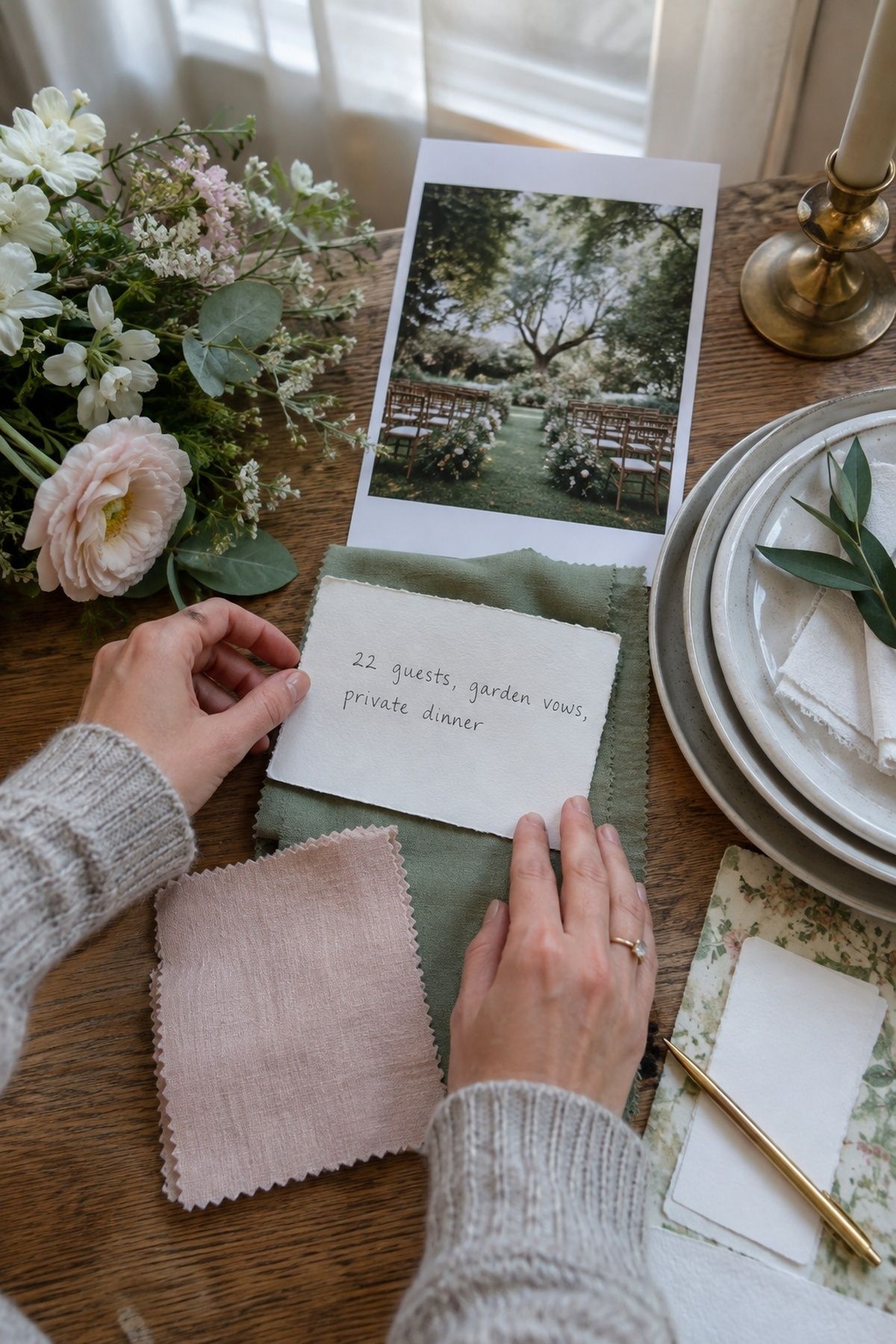
Before you book anything, describe the wedding in one plain sentence. Maybe it is a 22-person ceremony followed by a private dinner. Maybe it is a 45-guest garden wedding with cocktails, toasts, and dancing. Maybe it is a city hall ceremony with lunch afterward, or a weekend at a small inn with immediate family.
That sentence becomes your filter. Write down the ceremony style, reception format, guest-count ceiling, budget range, and emotional tone. If the wedding is meant to feel relaxed, avoid a plan that depends on a complicated room flip or too many rental categories. If it is meant to feel polished, give yourself enough staffing and vendor support for that polish to feel easy.
Set The Guest List Before The Search Begins
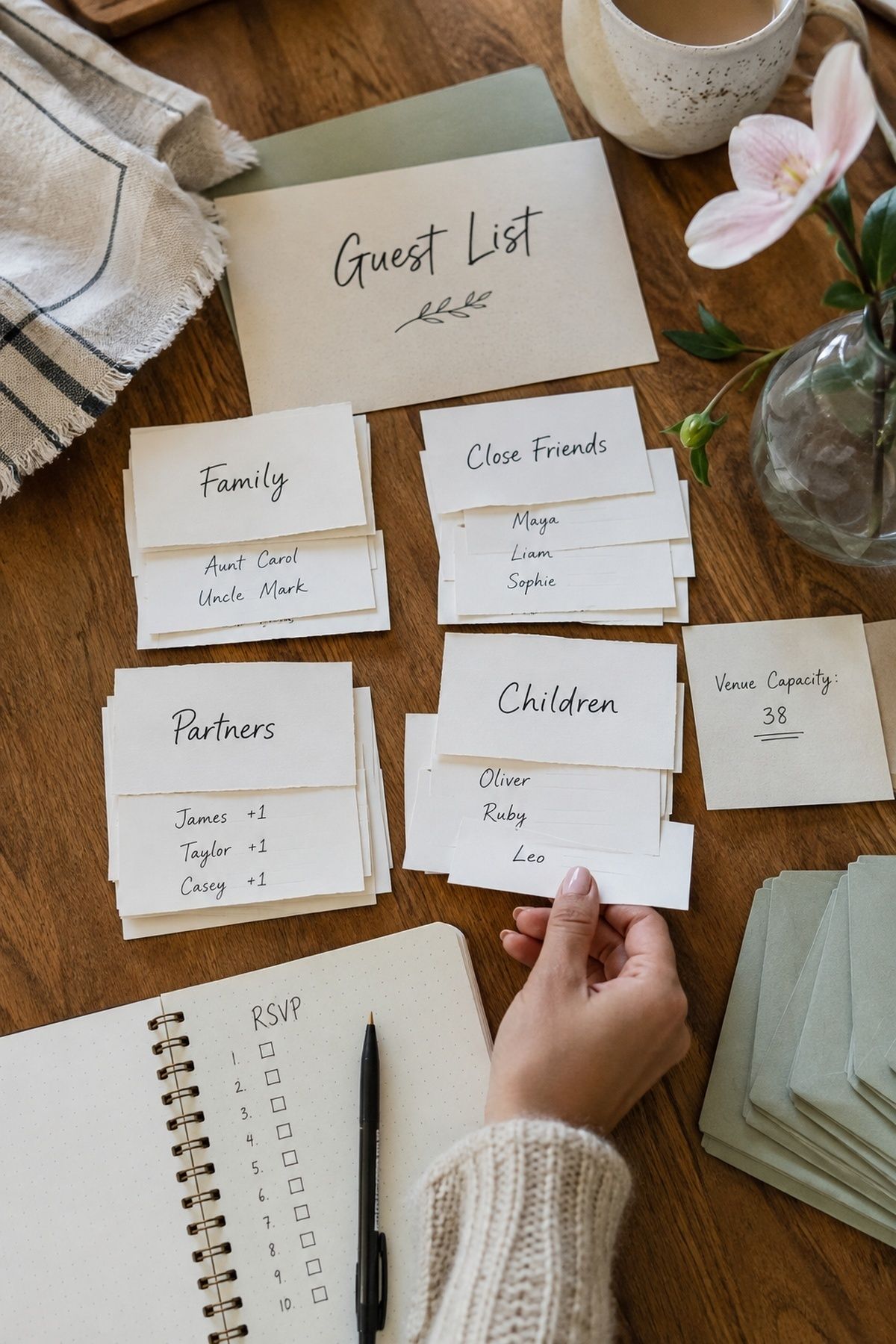
A micro wedding guest list should be made with names, not vague categories. “Under 50” gives you a boundary, but an under-50-guest wedding changes dramatically between 18 guests, 32 guests, and 49 guests. The exact list affects whether a restaurant room works, whether family-style dining makes sense, and whether you need transportation, extra seating, or a more formal RSVP process.
Decide early whether partners, children, extended family, and close friends are included. A small list can feel tender and intentional, but it can also invite pressure from people who expected to be there. Your micro wedding guest list should make those boundaries clear before venue capacity or family expectations start making decisions for you.
Choose The Date, Place, And Backup Plan Together
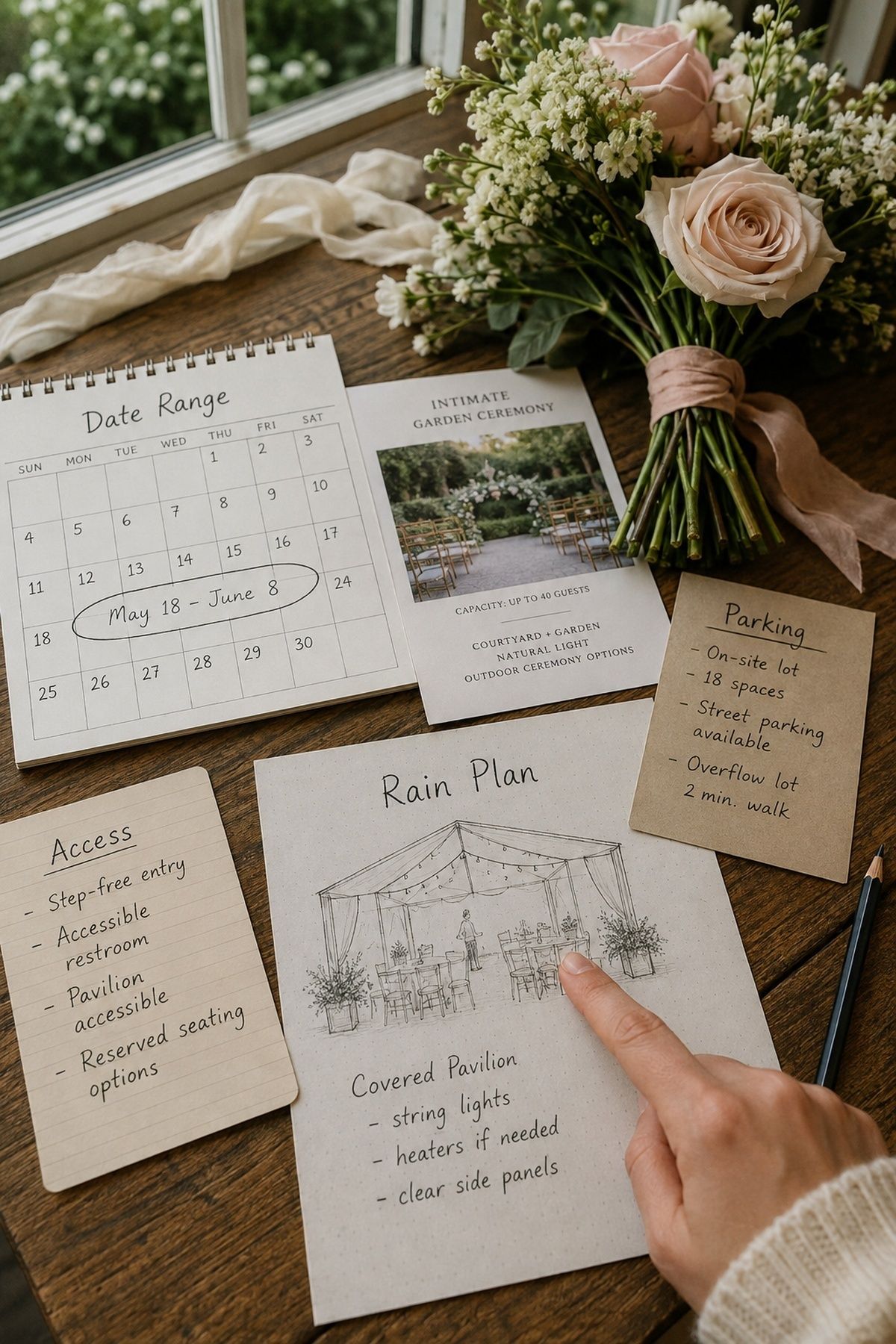
Choose a date range before you fall in love with one exact date. Micro weddings often fit beautifully into private dining rooms, garden venues, family homes, boutique inns, chapels, courthouses, and small event spaces. A little flexibility can open better options, especially if you are planning within three to six months or hoping for a weekday celebration.
Build your micro wedding planning timeline around the realities of the setting. Ask where guests park, how they find the ceremony, who opens the space, where the meal happens, what happens if it rains, and whether the site has enough restrooms, shade, heat, lighting, and accessibility support. If the day has more than one location or meal transition, a clear micro wedding timeline keeps the movement easy for everyone.
Handle The Legal And Ceremony Details Early
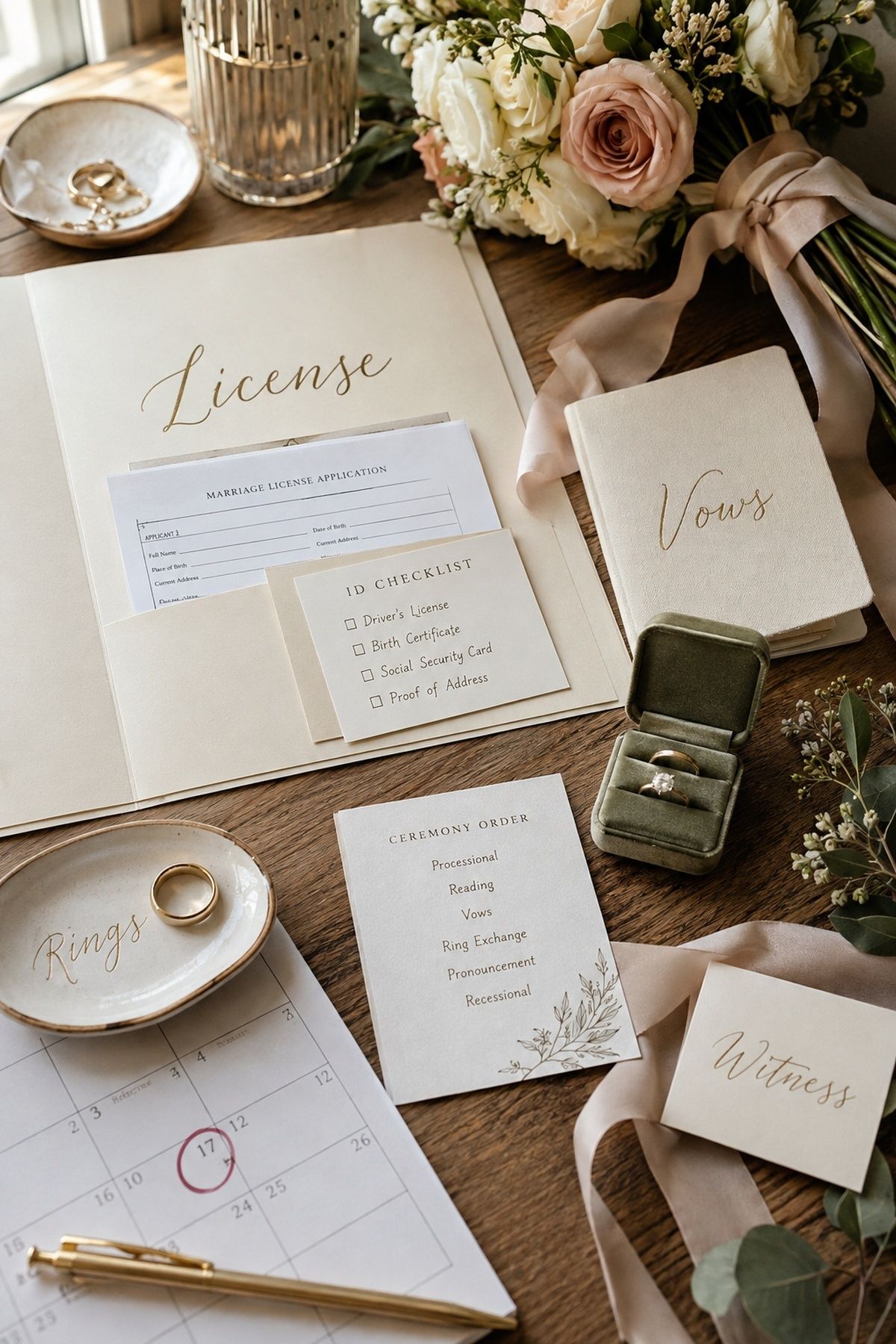
Legal tasks belong near the top because they are location-specific and easy to underestimate. Confirm the marriage license window, waiting period, expiration date, identification requirements, fee, witness rules, officiant rules, and who returns the signed license after the ceremony. Put those dates on the same calendar as your vendor payments and RSVP deadline.
Then shape the ceremony itself. Decide who walks in, who stands where, who holds the rings, whether you are writing vows, what music or readings are included, whether guests need printed programs, and how the ceremony ends. An intimate ceremony can look effortless to guests, but the ease usually comes from a quiet sequence of decisions made ahead of time.
Book Vendors By What The Day Truly Needs
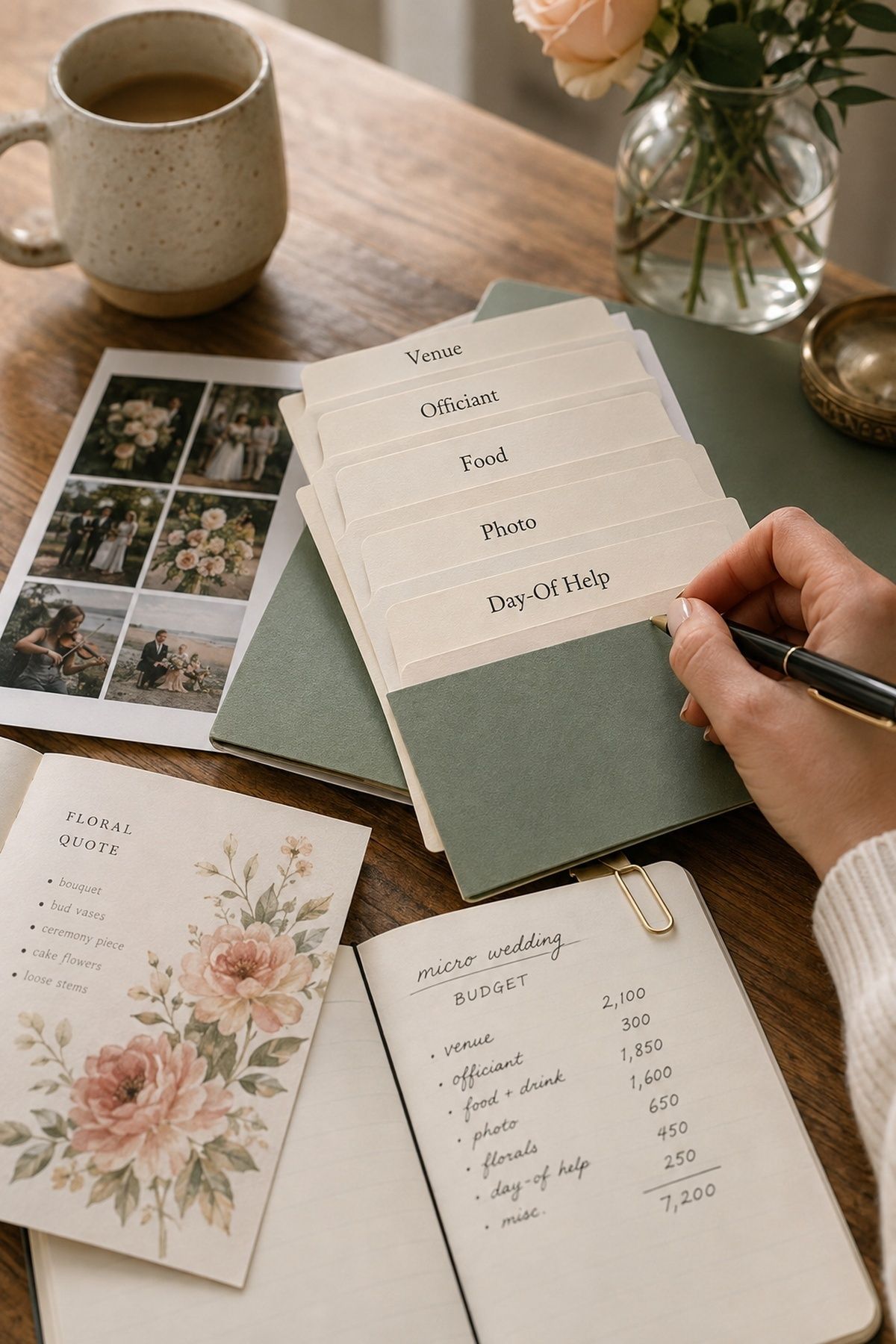
Your micro wedding vendor checklist does not need to copy a large reception plan. Start with the people who protect the date and guest experience: venue or ceremony space, officiant, food and drink, photographer, and coordination or day-of support. After that, decide whether your setting calls for florals, rentals, hair and makeup, music, transportation, dessert, stationery, video, or extra staffing.
Ask each vendor what changes at your guest count. Catering, rentals, and stationery may scale down, while photography, planning, travel, setup, and date reservation may not shrink as much. Your vendor checklist should reflect the support your day actually needs instead of inheriting a traditional vendor lineup by default.
Plan The Reception Around Hosting

A micro wedding reception does not need a complicated production schedule, but it does need guest care. Decide whether guests have drinks before the ceremony, how they move to dinner, whether seats are assigned, how dietary needs are tracked, when toasts happen, what dessert looks like, and whether the evening ends with dancing, a lounge moment, or a simple farewell.
With a smaller group, the meal often becomes the heart of the celebration. One long table, a private room, brunch, a backyard supper, a tasting menu, or a candlelit family-style dinner can all feel generous when timing and hospitality are clear. The prettiest micro wedding reception ideas work best after the essentials are steady.
Use The Budget As A Values Filter
A small guest count can make certain upgrades possible, but it can also tempt you into adding details simply because there is room for them. Before you buy or book anything, ask whether the item adds comfort, meaning, beauty, clarity, or ease. Flowers at the ceremony may be worth it because they frame the vows. Custom favors may not be worth it if they add ordering stress and do not matter to your guests.
Let your micro wedding budget protect the day you actually want. Spend where people will feel cared for: excellent food, enough photography time, comfortable seating, warm lighting, easy transportation, a calm getting-ready space, or a coordinator who can absorb questions. Remove details that only exist because a larger wedding checklist made them seem required.
Communicate Once, Clearly, And Early
Small weddings can make communication feel informal, but too many casual texts can scatter important details. Send one clear invitation, email, or wedding website update with the ceremony address, reception address, arrival time, dress code, RSVP date, meal notes, parking, accessibility information, plus-one or child policy, and a contact person who is not the couple.
Because the guest list is small, guests may feel comfortable asking questions right up to the wedding morning. Protect your peace by answering the obvious questions early and naming the person who handles logistics. That one choice keeps your phone from becoming the unofficial welcome desk.
Build The Final Month Checklist

Your micro wedding final-month checklist should close every open loop. Confirm the final guest count, meal selections, dietary needs, vendor arrival times, payment due dates, ceremony order, marriage license timing, family photo list, seating plan, rental delivery, weather backup, transportation, attire fittings, beauty schedule, and who brings personal items.
This is also the moment to make one clean contact sheet. Include vendor names, phone numbers, arrival times, addresses, balances due, and notes about where each person should go. Send that sheet to your coordinator or trusted point person, not to the entire guest list.
Create A Wedding Week And Day-Of Handoff
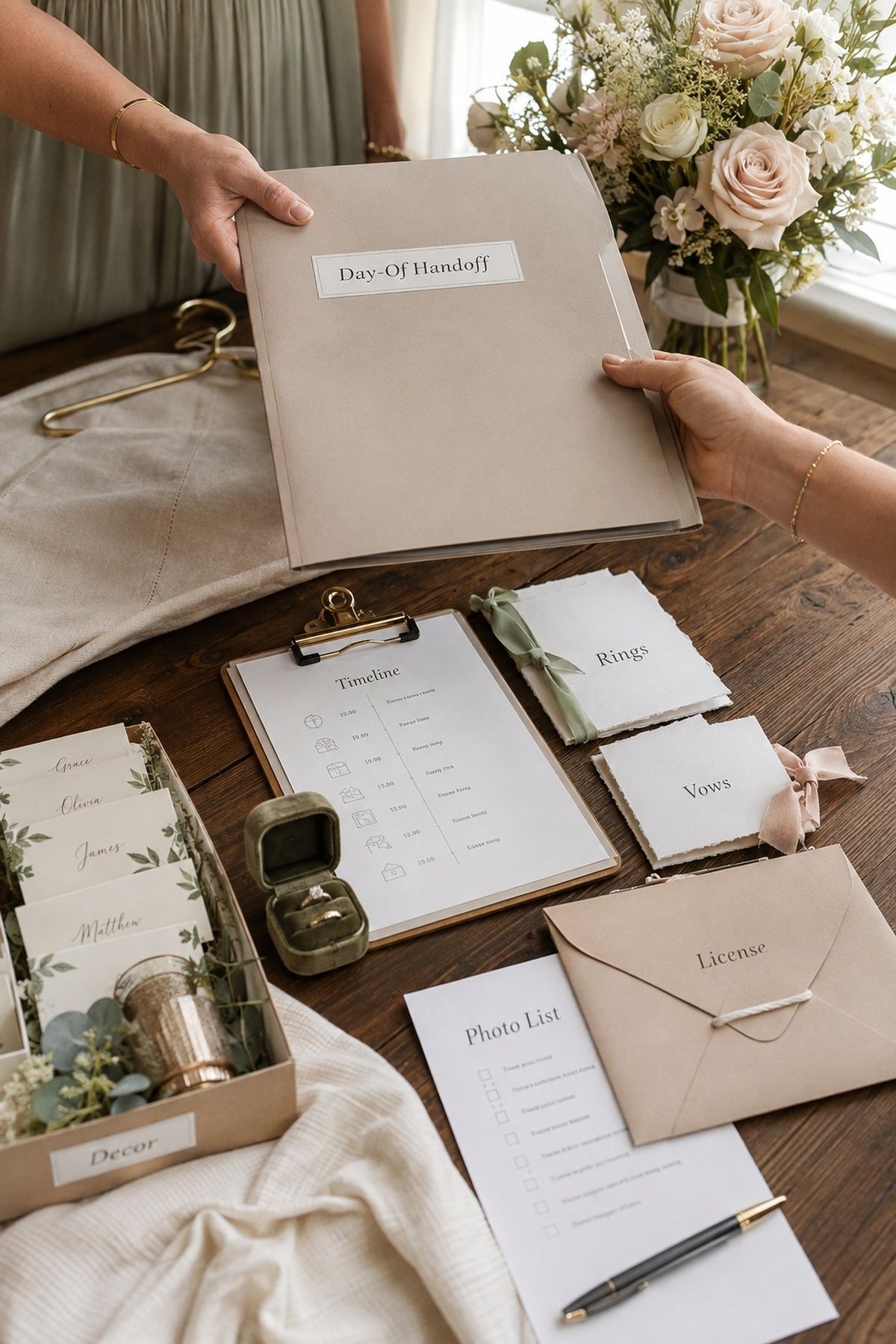
Your micro wedding day-of checklist should be short enough that someone else can follow it. Include the timeline, ceremony items, rings, vows, license, attire, accessories, emergency kit, vendor tips, decor boxes, place cards, seating notes, family photo list, and end-of-night packing plan.
Name one non-couple point person for the wedding day. This can be a coordinator, planner, venue manager, sibling, friend, or hired helper, but it should be someone who can step away from the emotion of the moment when logistics need attention. Their job is to receive vendor calls, answer guest questions, cue small transitions, protect the timeline, and know where the important items are.
Remove The Tasks That Do Not Fit
A traditional checklist may include save-the-dates, a large wedding party, favors, extensive signage, hotel blocks, transportation fleets, welcome bags, multi-event weekends, formal programs, and layers of stationery. Some of those choices may still belong in your celebration. Many can disappear without making the wedding feel any less complete.
The better question is not whether “real weddings” include something. The real question is whether your small-wedding planning checklist needs it to make the day legal, hosted, comfortable, beautiful, or meaningful. If the answer is no, let it go cleanly.
Keep One Printable Working Version
Once the plan is shaped, keep one working version instead of managing scattered lists across texts, notebooks, and vendor emails. A simple working checklist can hold the final guest count, vendor contacts, payment dates, ceremony items, timeline, family photo list, packing plan, and handoff notes in one place.
The point is not to make planning look perfectly organized. The point is to make the final week calmer. When every essential detail lives somewhere visible, you can stop rethinking the basics and focus on the people who will be standing closest to you.
FAQs
What Should Be On A Micro Wedding Planning Checklist?
A micro wedding planning checklist should include guest count, budget, date range, setting, legal requirements, ceremony details, food and drink, photography, vendor confirmations, guest communication, final-month tasks, and a day-of handoff plan. It can skip many large-wedding extras, but it should not skip the pieces that make the day legal, hosted, and comfortable.
How Far In Advance Should You Start Planning A Micro Wedding?
Many couples start planning a micro wedding six to twelve months in advance, especially if they want a popular date, private venue, destination setting, or full vendor team. A shorter timeline can work when the guest list is small, the setting is flexible, and the couple is willing to make clear decisions quickly.
Can You Plan A Micro Wedding In Three To Six Months?
Yes, you can plan a micro wedding in three to six months if you prioritize the date, legal requirements, officiant, food, photography, invitations, and final headcount first. Keep custom projects to a minimum and choose venues or vendors that already fit the scale.
What Vendors Do You Need For A Micro Wedding?
Most micro weddings need an officiant, food and drink provider, photographer, and either a coordinator or trusted day-of point person. Depending on the setting, you may also need florals, rentals, hair and makeup, music, transportation, dessert, stationery, video, or venue staff.
What Details Are Easy To Forget At A Small Wedding?
Easy-to-forget small wedding details include the marriage license, rain plan, restroom access, parking, dietary needs, family photo list, vendor tips, seating for older guests, who has the rings, who cues the ceremony, and who packs decor or personal items at the end of the night.
What Can You Remove From A Traditional Wedding Checklist?
You can often remove save-the-dates, a large wedding party, favors, extensive signage, hotel blocks, transportation fleets, multi-event weekends, formal programs, and elaborate reception transitions. Keep anything that supports comfort or meaning, and remove anything that only adds work because it appears on a traditional checklist.
Final Thoughts
A micro wedding planning checklist should make the day feel calmer, not smaller in spirit. Start with the guest list, budget, date, setting, legal path, food, photography, and communication. Then build a timeline someone else can carry with you, so you can be present with the people you chose to invite.
As you close the plan, let your micro-wedding checklist keep timing, communication, and guest comfort visible without adding clutter to a day that should still feel deeply yours.
Last update on 2026-10-03 / Affiliate links / Images from Amazon Product Advertising API