

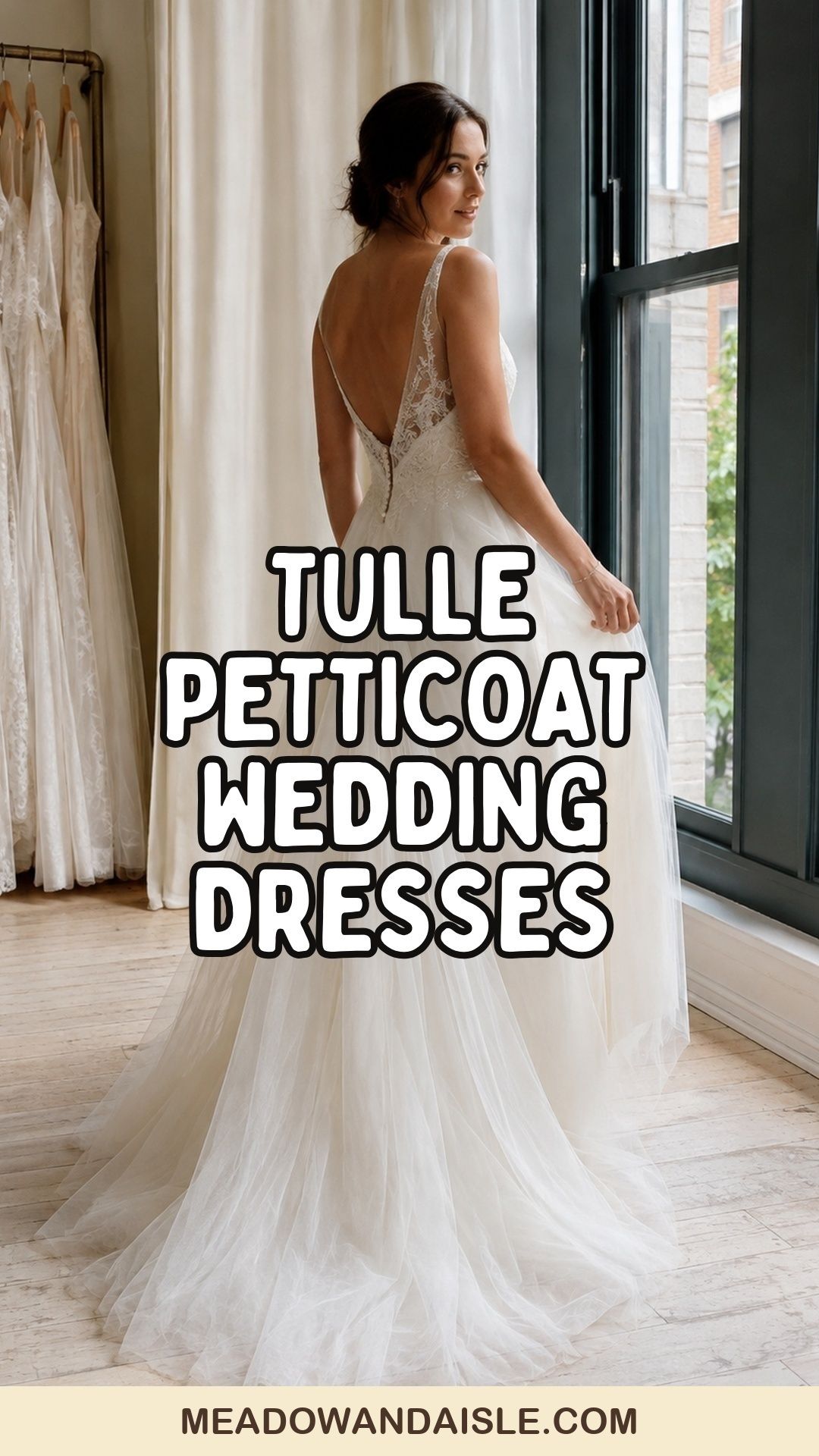
Tulle petticoat wedding dress ideas work best when the underskirt supports the gown’s natural shape instead of forcing a new one: choose soft tulle for gentle A-line volume, hoops for clean lower-skirt lift, crinoline for ball gowns, and smooth linings so the dress moves beautifully without scratchy fabric, bulky hips, or visible rings.
A petticoat can be the quiet difference between a dress that collapses around your ankles and a dress that floats through the aisle. The trick is choosing volume that feels good in real life, not only in a bridal salon mirror.
For a small wedding, every detail gets seen up close. The underskirt needs to survive hugs, stairs, dinner chairs, portraits, bathroom breaks, and dancing while still letting the gown look effortless.
Recommended Wedding Products


You Might Also Like These Blog Posts
- Black Gothic Wedding Dress Ideas With Romance in the Shadows
- Fairytale Wedding Dress Ideas Without the Costume Spell
- Dainty Wedding Dress Ideas That Still Feel Like a Moment
- Mermaid Drape Wedding Dress Ideas for Soft Sculpted Drama
- 1980 Wedding Dress Ideas With Drama That Still Breathes
- Courthouse Wedding Dress Ideas for City Hall Photos That Sing
Tulle Petticoat Wedding Dress Ideas With Hidden Swish
The best tulle petticoat wedding dress ideas start with the dress you already love. Look at where the skirt begins, how much fabric it has, how the hem falls, and whether the gown needs width, lift, separation, or only a little air underneath. A bridal underskirt should make the gown easier to wear, not turn every step into a wrestling match.
Bring the dress, shoes, and planned undergarments to the fitting before choosing the final petticoat. A wedding dress petticoat changes the hem height, the walking stride, the bustle, and the way the skirt hangs from the waist. At an intimate ceremony, the right amount of volume should feel soft enough for close portraits and practical enough for a dinner table.
| Petticoat style | Best dress match | Small-wedding check |
|---|---|---|
| Soft tulle crinoline | Gentle A-line, satin, chiffon, lace | Check that hips stay smooth |
| One-hoop underskirt | Light A-line or narrow ball gown | Sit and climb stairs before approving |
| Two-hoop petticoat | Cleaner A-line structure | Confirm hoop lines do not show |
| Full tulle crinoline | Ball gown or fairytale skirt | Keep waist weight comfortable |
| Fishtail petticoat | Mermaid or trumpet dress | Practice turning and dancing |
Soft A-Line Tulle Petticoat For Gentle Shape
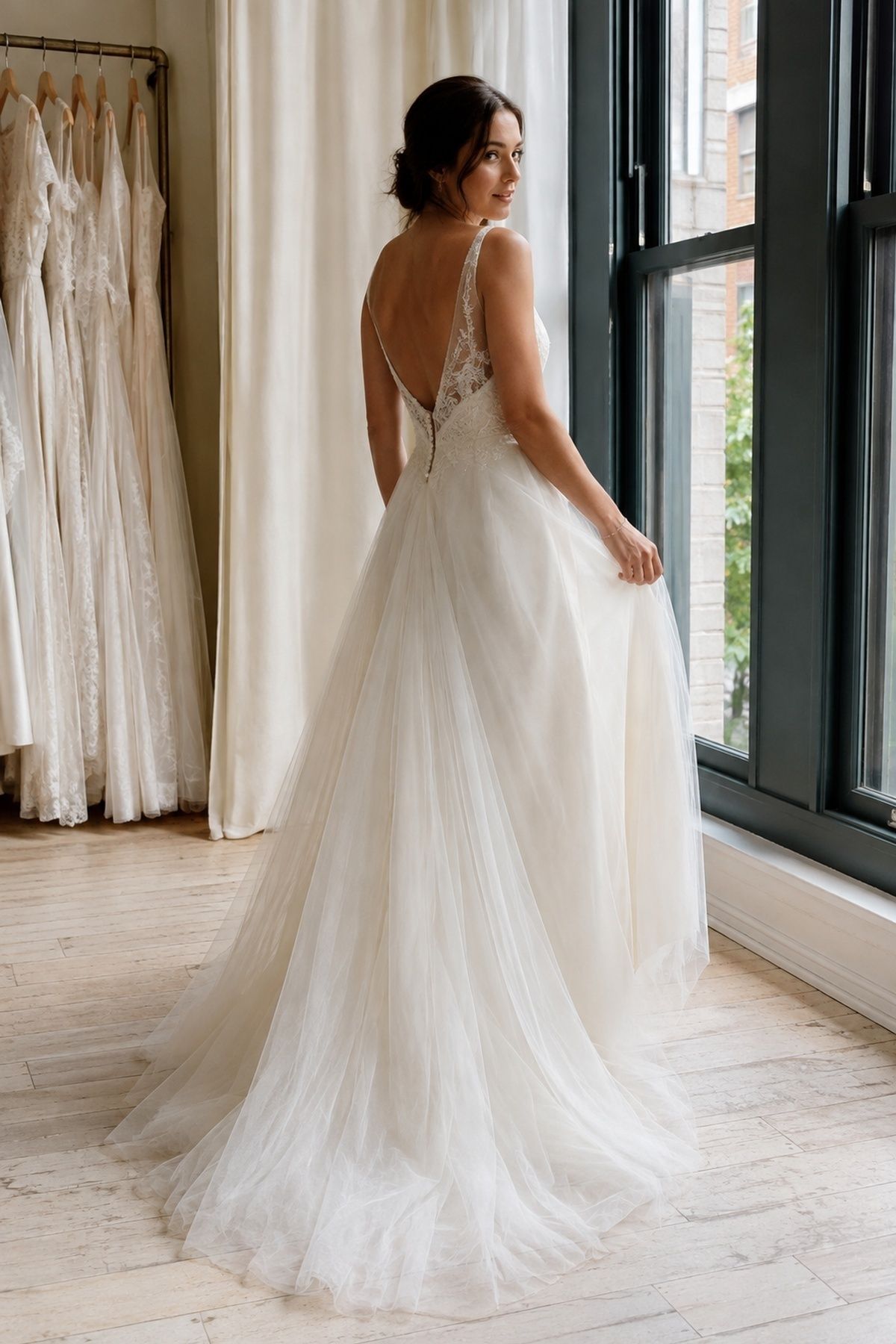
A soft A-line tulle petticoat is the safest starting point for many brides because it gives the skirt a little breathing room without creating obvious drama. It works under lace, satin, organza, chiffon, and crepe-lined gowns when the outer skirt already has some fullness but needs more float. Look for layered tulle that begins below the natural hip so the waist and seat stay smooth.
This is especially useful for small ceremonies where people see the gown from every angle. Ask the seamstress to check the side view as carefully as the front. A-line volume should skim away from the body, not jut outward at the hips or make the skirt look stiff.
One-Hoop Underskirt For Light Lower-Skirt Lift

A one-hoop petticoat gives lift near the hem while keeping the upper skirt relatively calm. It is helpful when a gown tangles around your legs, collapses in front, or needs more space for walking. The hoop should sit low enough that it supports the hem instead of drawing a hard circle across the thigh area.
Try sitting, stepping backward, and hugging someone before committing. A hoop that flips, clacks, or pushes the skirt forward will feel obvious during a tiny ceremony. The right one-hoop underskirt simply lets the dress glide over your feet.
Two-Hoop Petticoat For A Clean A-Line Silhouette
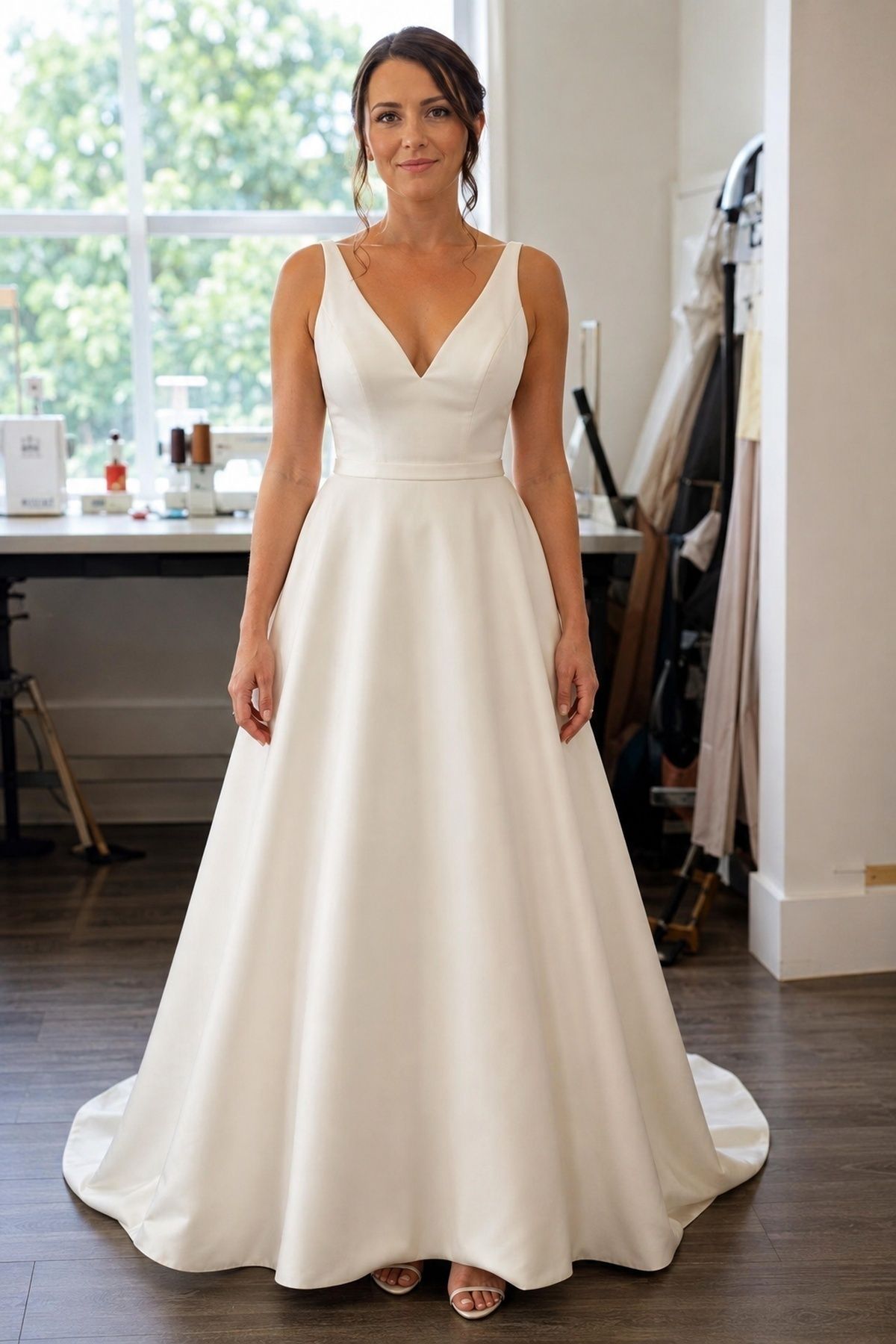
A two-hoop petticoat creates a clearer A-line shape by supporting the lower and middle skirt. It suits gowns with enough fabric to hide the structure, especially heavier satin or layered tulle dresses. The hoops need to be flexible, adjustable, and properly spaced so they do not press through the outer fabric in photos.
During fittings, stand in natural window light and under direct indoor light. Hoop lines can disappear in one setting and show in another. If the top hoop creates a ridge, swap to a softer bridal underskirt or add a tulle layer between the hoop and gown.
Full Tulle Crinoline Under A Ball Gown
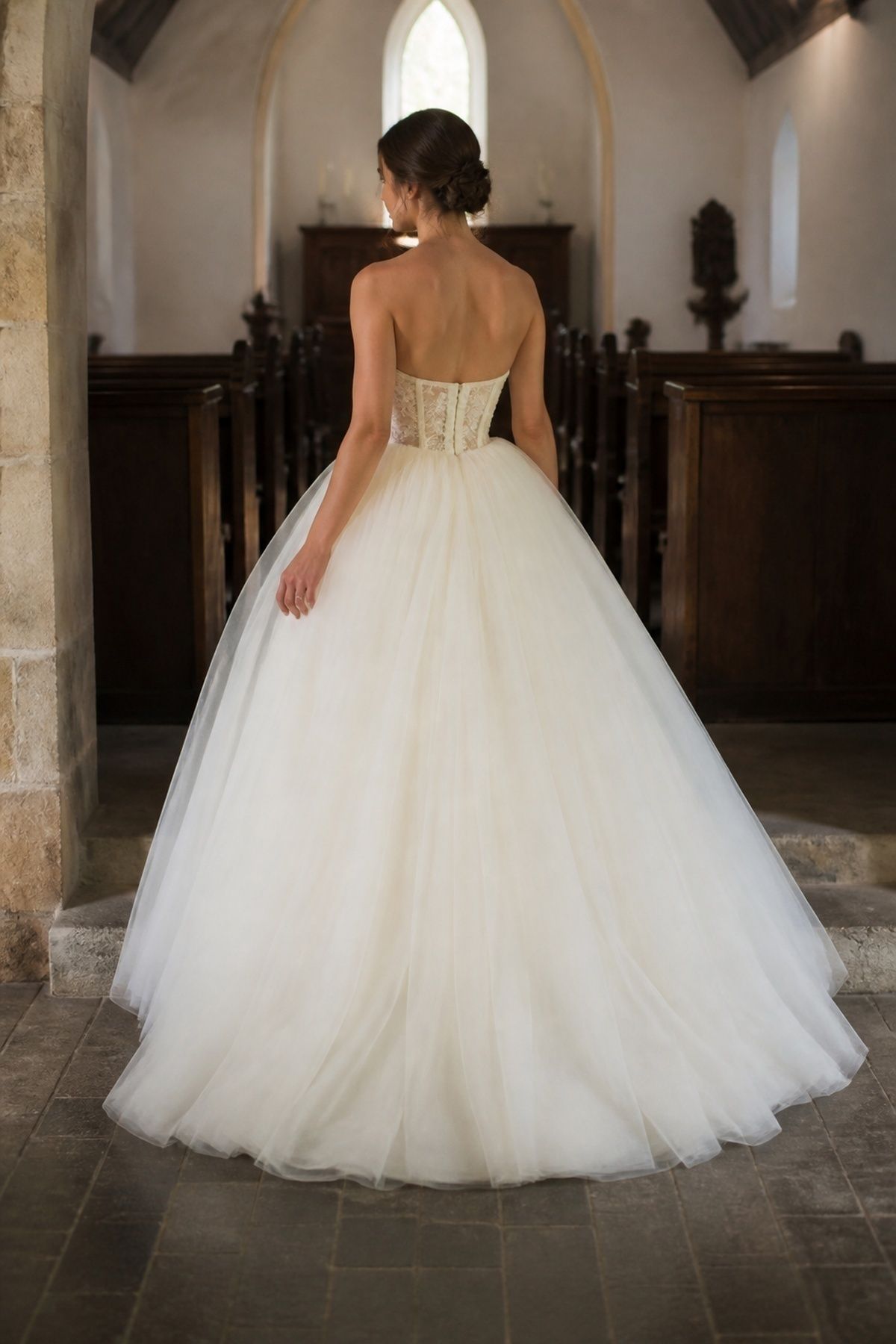
A full tulle crinoline belongs under a ball gown when the dress needs cloud-like fullness from the waist down. This is the petticoat for a dramatic skirt, a chapel aisle, a grand staircase, or a portrait moment where the gown should hold its shape without constant fluffing. Choose graduated layers so the fullness builds toward the hem.
Keep the waist comfortable and the top layer soft. Heavy crinoline can become tiring during a long reception, especially when the wedding is small and you plan to sit with guests. For a romantic dress moment, let the skirt keep the dreamy scale of a fairytale wedding dress while the waistband stays invisible and calm.
Fishtail Petticoat For A Mermaid Dress
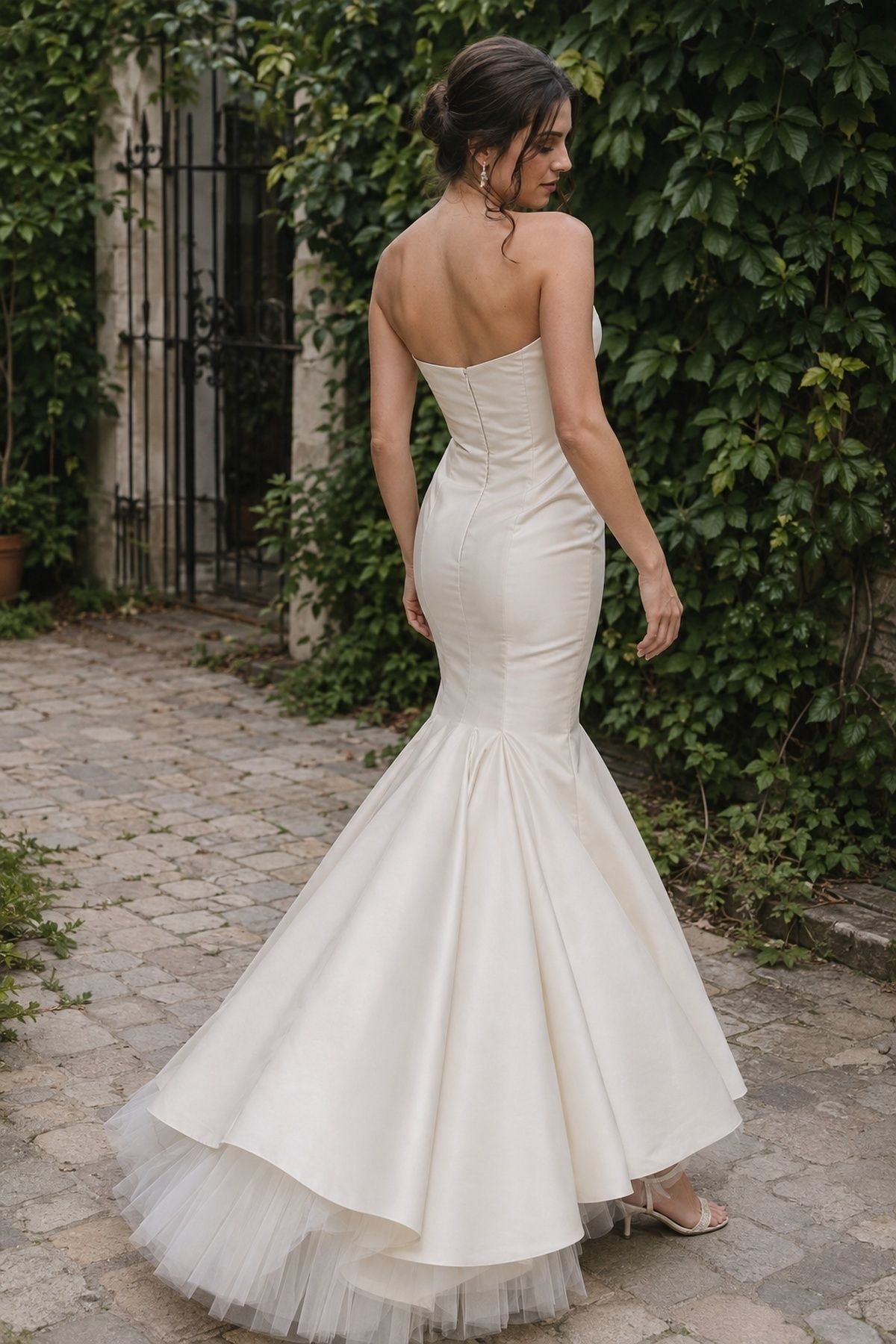
A fishtail petticoat supports the flare of a mermaid or trumpet dress without adding volume through the hips. It should begin where the gown begins to release from the body, often around the lower thigh or knee. The goal is movement at the bottom, not extra padding where the dress is meant to skim.
Practice turning, kneeling for photos, and walking up a shallow step. Mermaid dresses already limit stride, and a stiff underskirt can make that worse. Soft netting, a smooth lining, and a flexible lower hoop usually feel better than a dense, crunchy crinoline.
Short Tulle Petticoat For A Tea-Length Dress
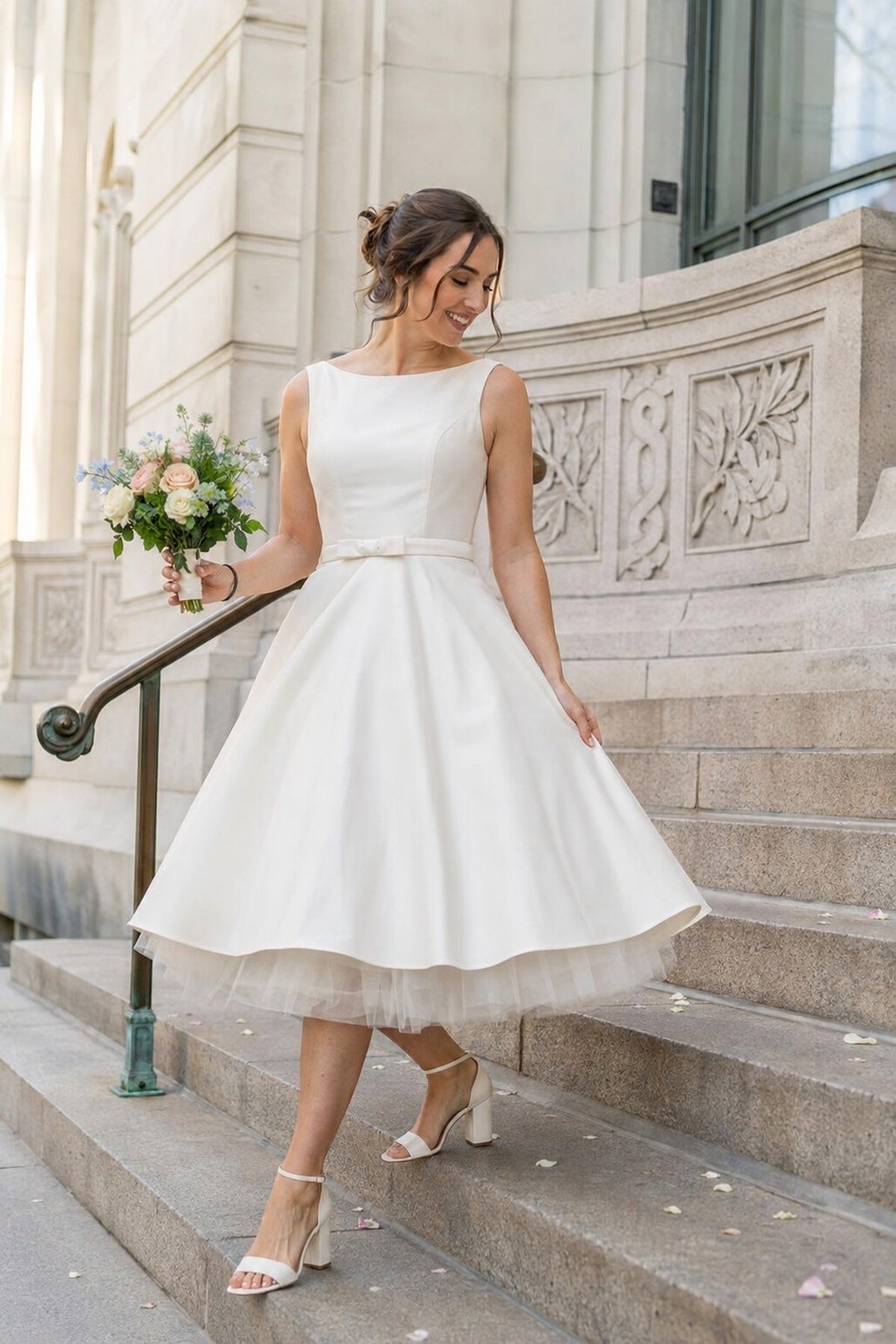
A short tulle petticoat gives a tea-length dress bounce, shape, and vintage sweetness. It should end slightly above the dress hem so the outer skirt moves freely unless you intentionally want a colored tulle edge peeking out. For courthouse vows, garden lunches, and city hall portraits, this can make a simple dress feel more celebratory.
Choose soft tulle if guests will be close enough to brush past the skirt. Stiff netting can scratch legs and snag hosiery. A retro dress with a shorter petticoat pairs naturally with the playful waistlines and sleeves often found in 1980 wedding dress ideas, but the final hem should still feel tailored.
Vintage-Inspired Petticoat For A Retro Bridal Look

A vintage-inspired petticoat works when the dress has a defined waist, a full skirt, and enough fabric to swing. Cotton net, organza, or soft tulle can all work, depending on the dress weight. The prettiest versions create a bell shape without making the waist look costume-like.
Think about the whole outfit before choosing volume. Gloves, pearls, veils, capes, and bows already add personality. If the bodice has structure or beading, keep the petticoat smoother so the look feels bridal instead of theatrical.
Soft Petticoat Under A Black Wedding Dress
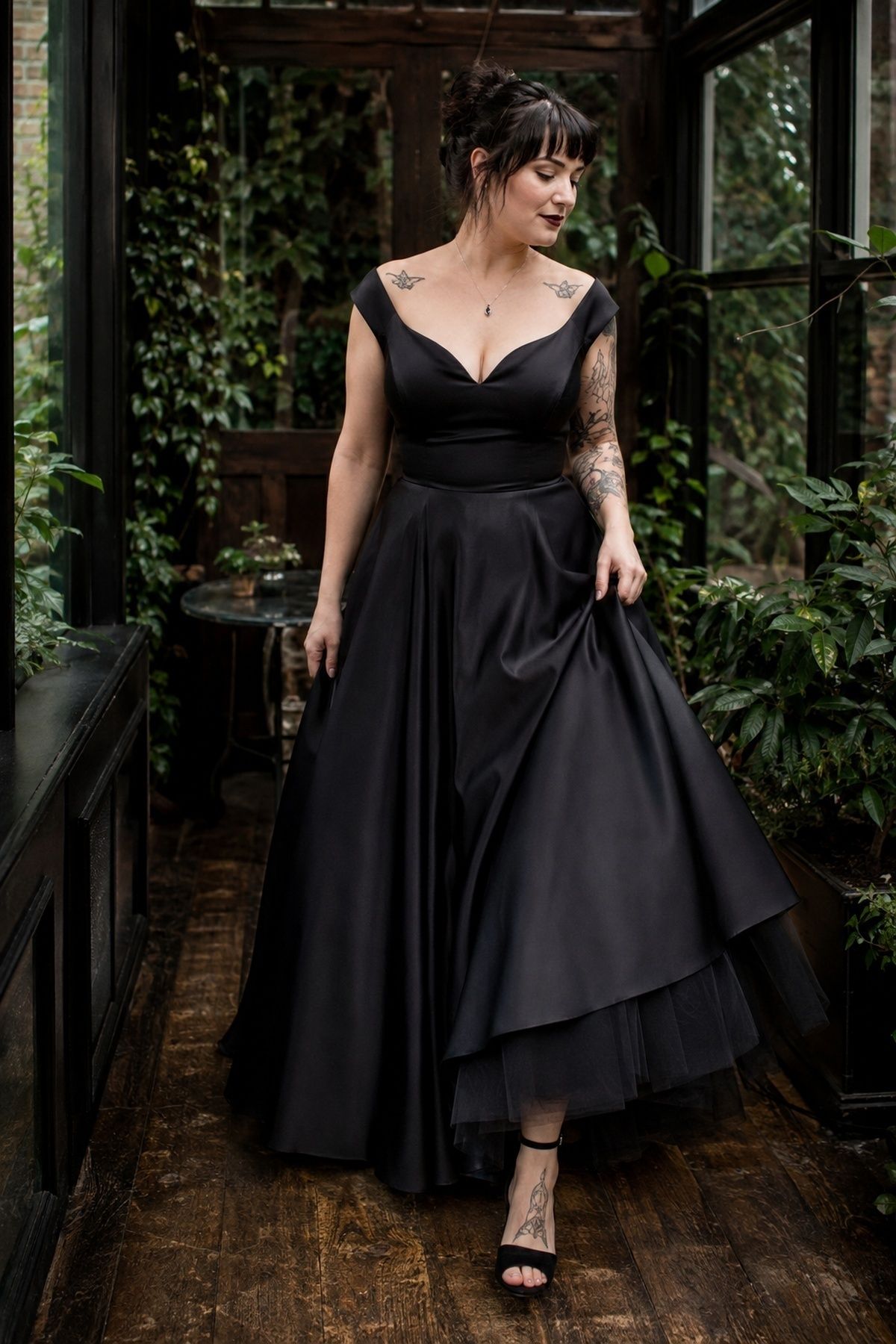
A soft petticoat under a black wedding dress can make the skirt look richer because darker fabric shows shape and shadow so clearly. Black, ivory, nude, or gray tulle may work depending on the outer fabric opacity. Test the underskirt in daylight so no pale band glows through the dress.
For a darker gown, keep the waist bulk smooth and let the mood come through black gothic wedding dress ideas details such as lace, sleeves, jewelry, or a veil. The petticoat should stay secret unless you want a visible flash of contrast while walking.
Low-Volume Petticoat For A Courthouse Dress

A courthouse dress often needs less volume than a traditional ceremony gown. A low-volume petticoat can keep the skirt from clinging, add a little swish, and make photos feel finished without making the outfit hard to sit in. Look for one or two soft layers, a smooth elastic waist, and no scratchy seams.
This is a good place to be practical. If you will walk city sidewalks, climb courthouse stairs, or sit at a restaurant banquette, the petticoat should move quietly under the dress. Skip anything that makes the skirt wider than your actual day can comfortably hold.
Petticoat With Train Support For Portraits
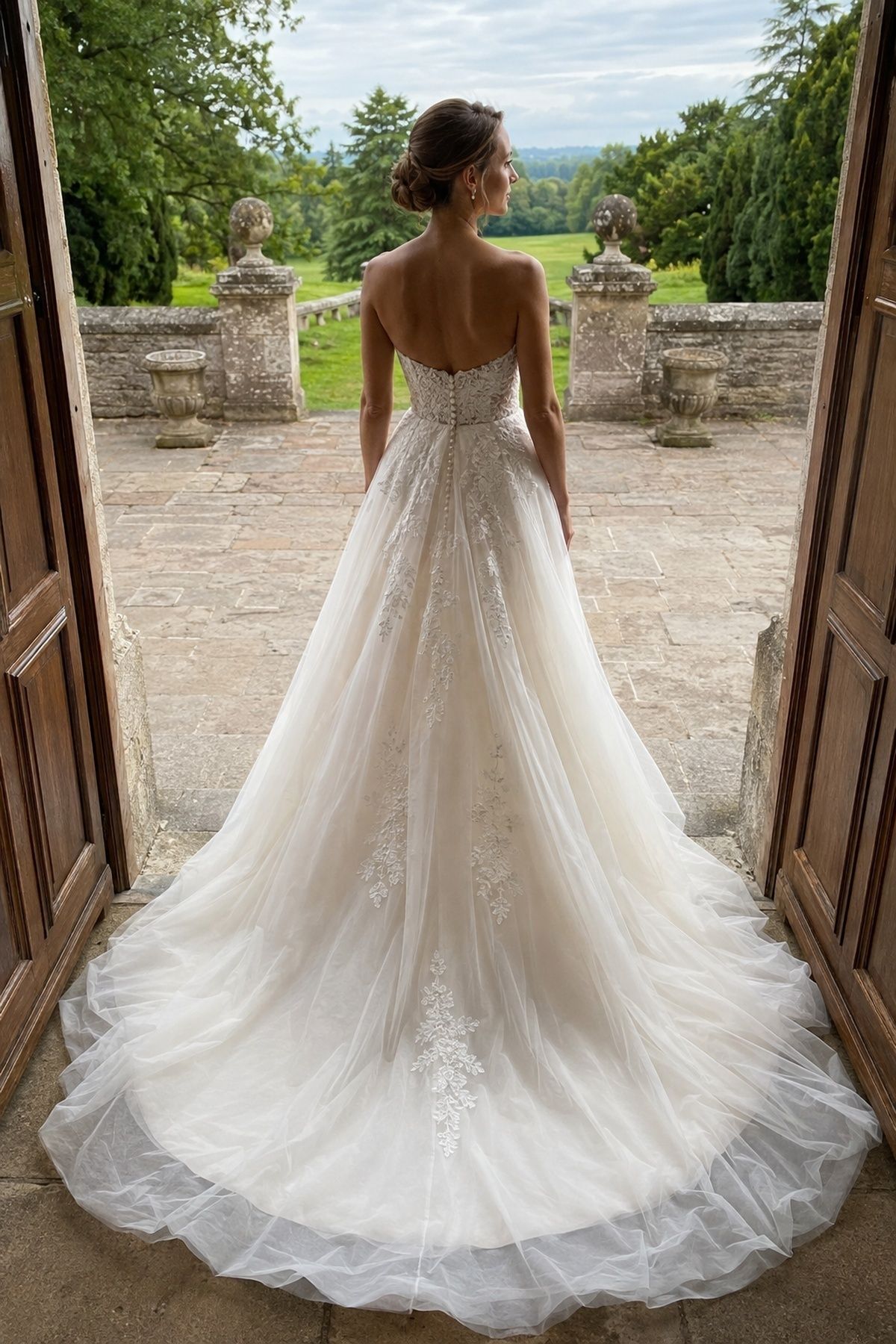
A petticoat with train support helps a long skirt fan out behind you instead of folding into a narrow tail. Some underskirts add extra tulle toward the back, while others use a shaped crinoline panel or bustle-friendly lower layers. The support should follow the train, not compete with it.
Ask your photographer or seamstress to watch the back view during the fitting. A train that looks full from the front may flatten from behind. If you plan a cape, keep the back layers light enough that the dress and wedding cape dress ideas details do not fight for the same space in portraits.
Breathable Tulle Petticoat For A Warm-Weather Ceremony
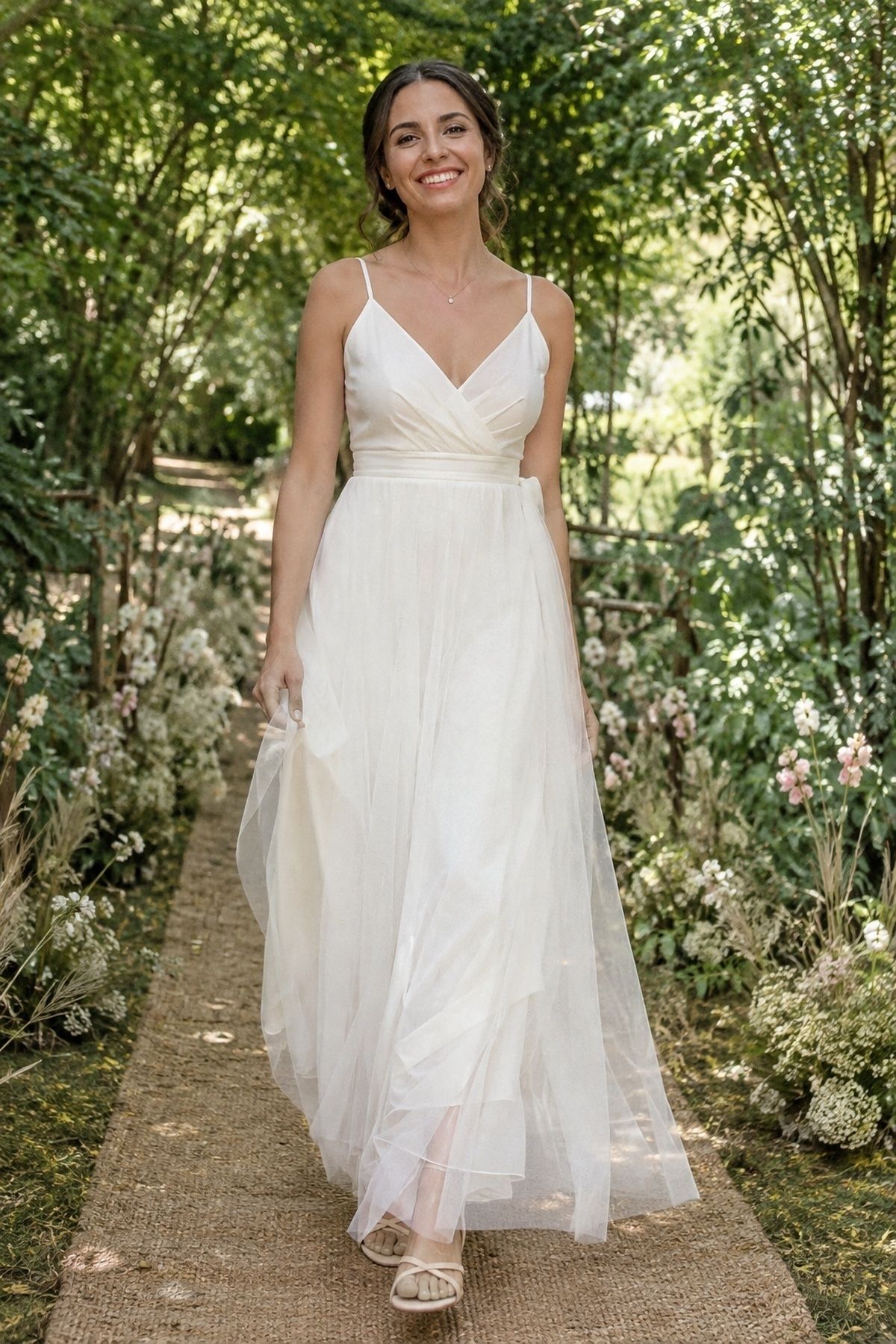
A breathable tulle petticoat matters when the ceremony is outdoors, humid, or followed by a long portrait session. Soft netting, fewer layers, a smooth waistband, and lightweight lining will feel better than stiff crinoline stacked heavily at the waist. Volume is charming until it traps heat.
Wear the petticoat during a full movement test before the wedding. Walk for ten minutes, sit, stand, and see whether the waistband rolls or the tulle scratches. Anti-chafe shorts or a silky slip layer can make the difference between pretty and wearable.
Petite-Friendly Petticoat With Controlled Fullness

A petite-friendly petticoat should add lift without overwhelming your frame. Choose narrower hoops, softer layers, and fullness that starts lower than the hip. Too much width can shorten the body visually, especially with a dress that already has a strong bodice or heavy train.
Check proportions with your actual shoes and veil. A tailored bodice, a defined waist, and controlled skirt width often look more elegant than maximum volume. When a fitted waist is part of the styling, the clean structure in drop waist wedding dress corset ideas deserves an underskirt that does not puff out too early.
Reception-Only Petticoat For Extra Movement
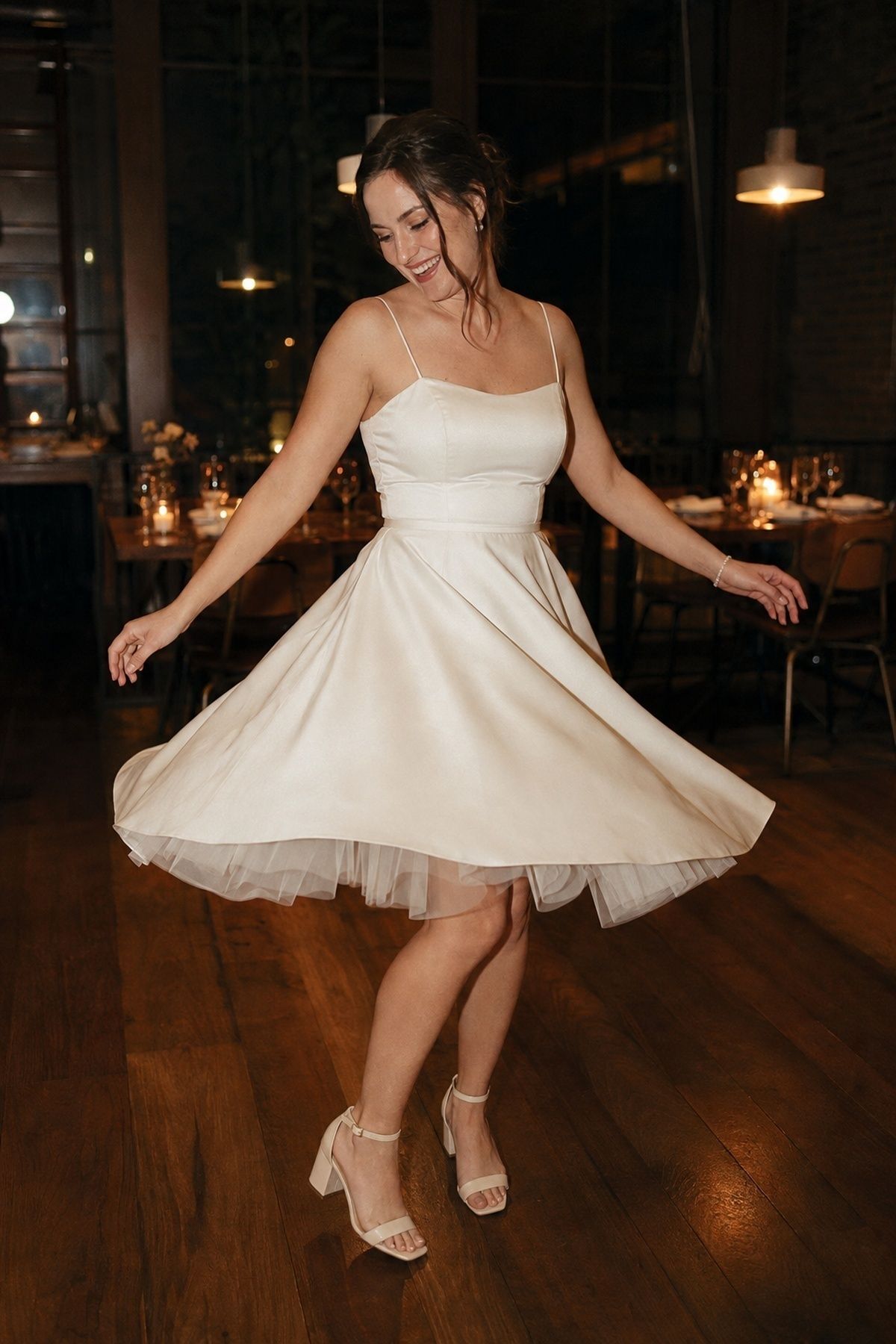
A reception-only petticoat is a clever option if the ceremony dress should look soft but the party look needs more swing. You can wear minimal layers for vows, then add a short or fuller underskirt after bustling the gown or changing into a second dress. This keeps the formal part comfortable and gives the dance floor more motion.
Make the change easy. Practice stepping into the petticoat, adjusting the waistband, and smoothing the dress with one helper. If the underskirt takes too long to add, it will stay in the garment bag.
Hidden Petticoat Under A Simple Satin Gown
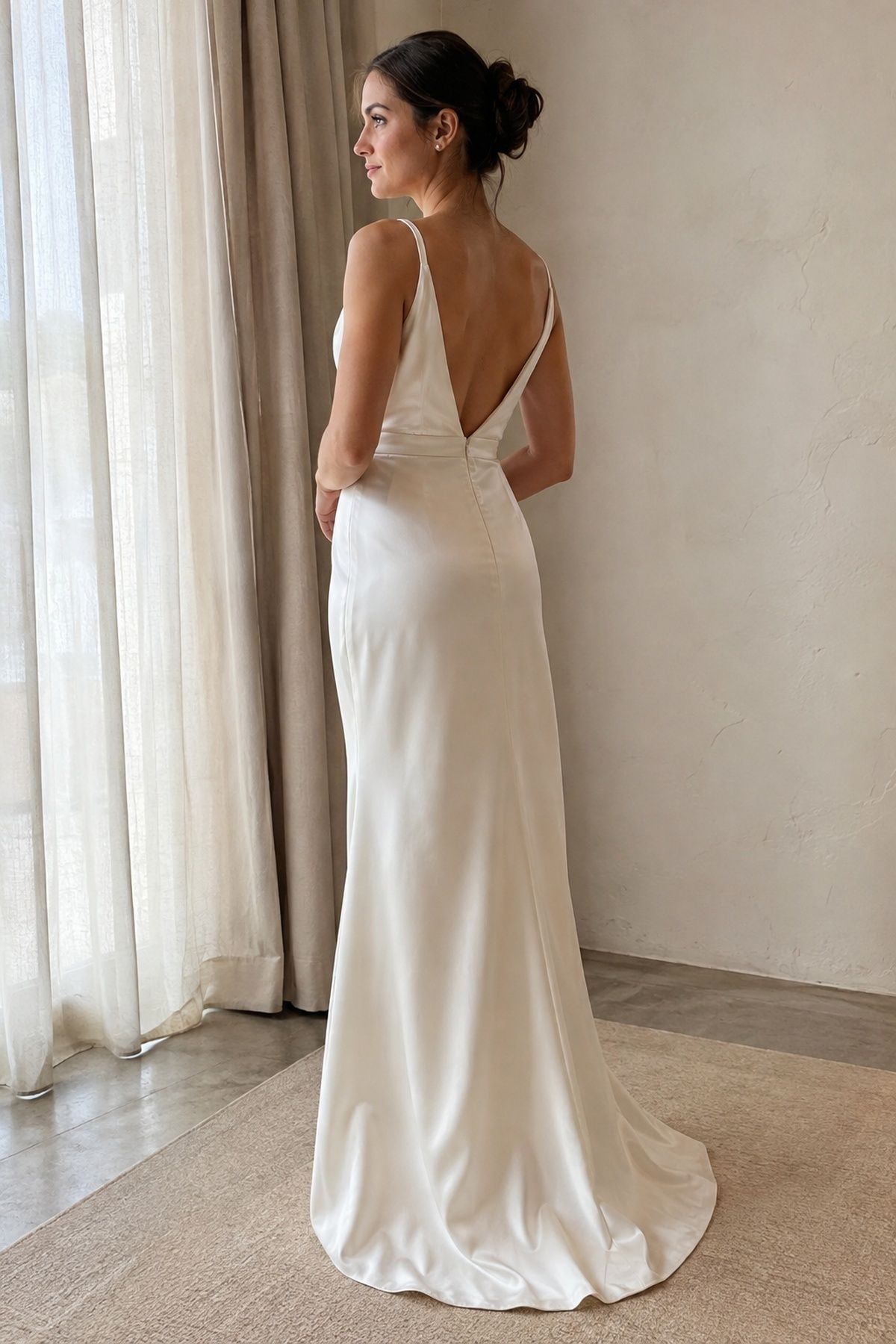
A hidden petticoat under a simple satin gown needs the most restraint because satin reveals ridges, seams, and hoop lines quickly. Use soft tulle, a smooth lining, and minimal layers. The underskirt should keep the satin from wrapping around your legs while preserving that clean liquid surface.
Photograph the dress from the side and back before approving it. Satin can look flawless in person and show every structure line in flash. If the gown has a low back, keep the waistband and closures low-profile so the styling around silk backless wedding dress ideas remains clean.
Dramatic Tulle Layer For An Alt-Bride Silhouette
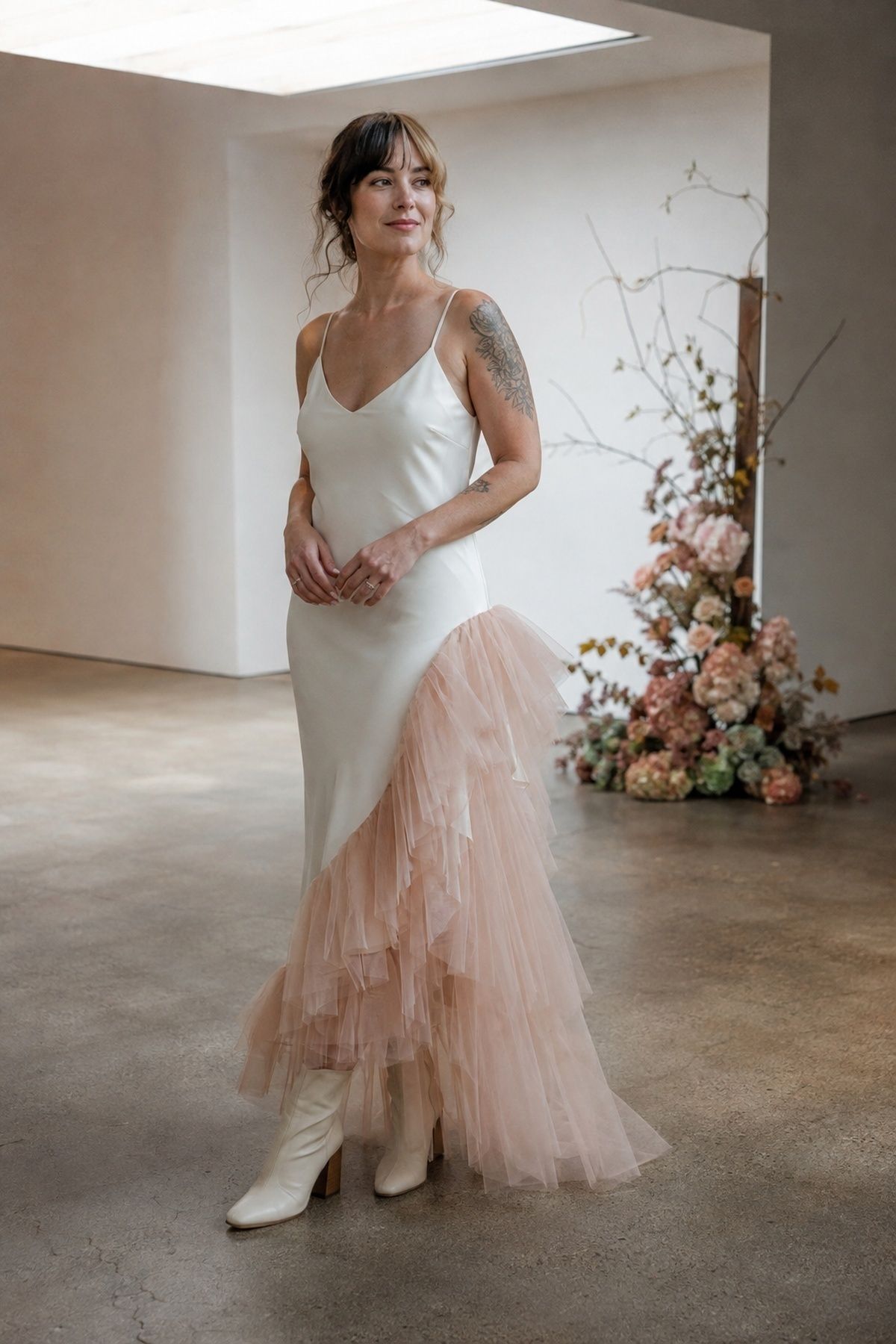
A dramatic tulle layer can turn a simple gown into an alt-bride silhouette, especially if the petticoat is colored, asymmetric, or intentionally visible at the hem. This works best when the outer dress is simple enough to let the underskirt become part of the design. Black, blush, icy blue, red, or ivory tulle can all feel intentional when the rest of the look is edited.
Keep comfort first, even with a bolder shape. Scratchy visible tulle will still bother your legs, and a dramatic skirt still has to fit into cars, chairs, aisles, and hugs. Use the color or volume as one strong choice, then keep the remaining accessories quiet.
Match The Petticoat To The Dress Silhouette
An A-line wedding dress petticoat should usually widen gradually from the waist or upper hip. A ball gown petticoat can handle more layers, more tulle, and sometimes hoops because the dress expects that volume. A mermaid dress needs support only at the flare, while a tea-length dress needs bounce and hem control.
Look at the dress pattern before shopping by keyword. A heavy skirt with horsehair trim may need only a thin underskirt, while a soft chiffon dress might need a gentle tulle base to stop clinging. For a high neckline or sculptural shoulder, the quiet vertical shape in halter neck wedding dresses ideas often looks best with measured skirt volume rather than a huge base.
Hoop, No Hoop, Or Layered Tulle?
Choose a hoop when the dress needs space at the hem, cleaner walking room, or a defined A-line shape. Choose no hoop when the fabric is thin, clingy, or likely to reveal circles. Choose layered tulle when you want softness, texture, and motion without a hard structure underneath.
Many gowns sit between categories. A soft tulle crinoline over a flexible hoop can hide structure while keeping the skirt lifted. A simple layered underskirt can add enough volume for portraits without changing the personality of the gown.
Comfort Checks Before The Wedding Day
Wear the petticoat for more than a two-minute fitting. Sit in a chair, walk through a doorway, climb stairs, hug someone, bend slightly, and practice the bustle. Check whether the waistband rolls, the tulle scratches, the hoop flips, or the skirt catches between your legs.
Bring anti-chafe shorts, a slip, or a soft lining if your skin is sensitive. Make sure the waistband sits under the dress closure without making a lump. If the bodice includes pearls or beading, keep the waist finish smooth so the detail around pearl corset wedding dress ideas stays polished.
Photo And Proportion Tips
Photograph the dress with the petticoat from the front, side, back, seated, and walking. Look for strange cones, flat spots, visible circles, and a hem that suddenly floats too high. The petticoat should make the dress look more like itself, only better supported.
Small weddings make proportion especially important because portraits often happen in tighter spaces. If the ceremony room, courthouse hallway, restaurant terrace, or family garden is narrow, choose lift over width. A skirt with controlled swish usually photographs more naturally than one that fills every frame.
What To Avoid
Avoid petticoats that create bulky hips, show hoop lines, scratch bare legs, change the hem so much that alterations no longer work, or make the dress hard to bustle. Skip any underskirt that needs constant adjusting. Your wedding dress volume underskirt should do its job quietly.
Also avoid choosing volume only from product photos. Petticoats look different under every gown. If possible, order early enough to test options, return the wrong shape, and bring the final choice to alterations before the hem is marked.
FAQ
Do I need a tulle petticoat under my wedding dress?
You need a tulle petticoat only if the dress needs more shape, walking room, hem lift, or skirt separation. If the gown already holds its line beautifully and feels comfortable, you may not need one. Try the dress with and without an underskirt before deciding.
What kind of petticoat goes under an A-line wedding dress?
An A-line wedding dress usually works with a soft tulle petticoat, a light crinoline, or a one-hoop underskirt depending on fabric weight. Choose gradual fullness that begins below the hip so the dress keeps a smooth waist and clean side view.
How do I choose a tulle petticoat for a ball gown wedding dress?
Choose a ball gown petticoat with enough width to support the skirt, enough softness to hide structure, and a comfortable waistband. Full tulle crinoline, layered netting, or hoop-and-tulle combinations can work, but the outer gown should hide every support line.
Can a petticoat make a wedding dress too big?
Yes, a petticoat can make a wedding dress too big if it adds more width than the gown, venue, or your frame can handle. Too much volume can shorten the body, crowd a small aisle, complicate sitting, or make the dress look unlike the version you loved.
How do you keep a tulle petticoat from scratching or showing?
Choose soft tulle, look for a smooth lining, wear anti-chafe shorts or a slip if needed, and make sure the petticoat ends above the dress hem. Check the gown in strong light so hoop lines, pale tulle, or seams do not show through the outer fabric.
What tulle petticoat wedding dress ideas work for a small wedding?
For a small wedding, choose tulle petticoat wedding dress ideas that feel comfortable up close: soft A-line layers, low-volume courthouse support, breathable tulle for outdoor vows, petite-friendly fullness, or a reception-only underskirt for extra movement after dinner.
Final Thoughts
A tulle petticoat should feel like a secret piece of good tailoring. It gives the gown lift, swish, and shape while letting you walk naturally, hug easily, sit comfortably, and enjoy the dress from the inside as much as everyone else enjoys it from the aisle.
For the last fitting, bring the shoes, bustle plan, and one trusted person so the dress still feels like yours, with comfortable skirt support under the gown only where it makes walking, hugging, and dancing easier.
Last update on 2026-10-04 / Affiliate links / Images from Amazon Product Advertising API