

Sapphire engagement ring gold ideas work best when the stone color and metal tone are chosen together: yellow gold warms blue, teal, yellow, and padparadscha sapphires, rose gold softens pink and peachy stones, and mixed gold can make a sapphire feel personal without losing everyday durability.
A gold sapphire ring can carry a whole wedding story in one close-up: the flash of blue against a linen vow book, a peach stone beside garden flowers, or a teal center stone catching afternoon light after a tiny ceremony dinner. Because sapphire is strong enough for daily wear, the decision is less about whether it suits an engagement ring and more about how the color, setting, prongs, and future wedding band will behave together.
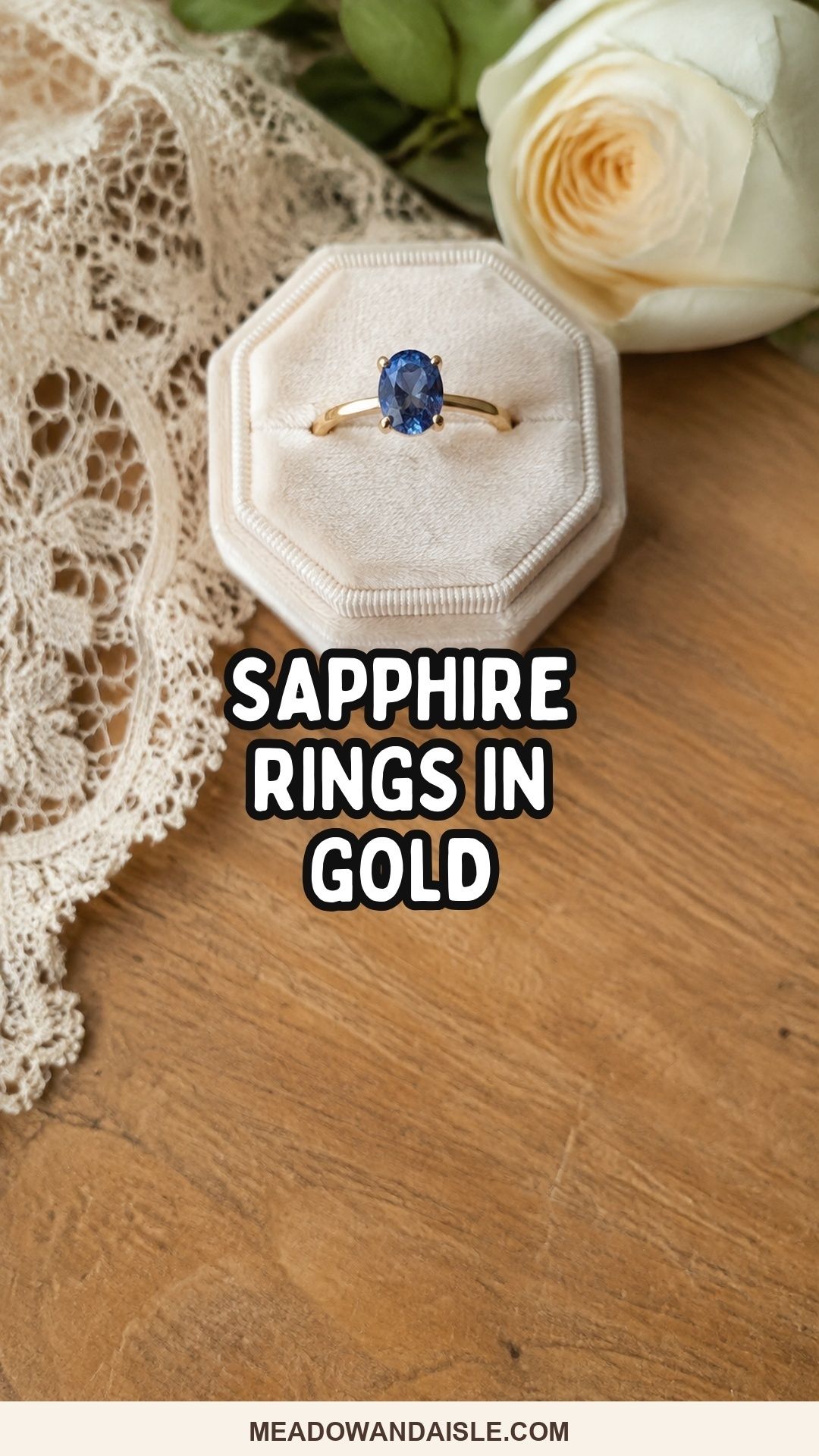
Recommended Wedding Products


You Might Also Like These Blog Posts
- East West Engagement Ring Ideas for a Classic Stone Turned Sideways
- 1950s Engagement Ring Ideas With Midcentury Romance
- Champagne Diamond Engagement Ring Ideas With Soft Golden Glow
- Kite Cut Engagement Ring Ideas for a Ring That Refuses to Round Off
- Cluster Engagement Ring Vintage Ideas With Heirloom Spark
- Round Engagement Ring Stack Ideas That Feel Classic And Yours
Sapphire Engagement Ring Gold Ideas With Regal Warmth
Gold changes sapphire more than many couples expect. It does not simply hold the stone in place. It sends warmth back through the facets, deepens some blues, softens pinks, makes yellow sapphires glow, and can turn a teal sapphire from moody to garden-like depending on the light. That is why the prettiest gold sapphire engagement rings are usually chosen by looking at the stone in daylight, shade, and indoor evening light before committing.
For a small wedding, this matters because the ring will show up in closer, quieter moments: hands around a coffee cup on the morning of the ceremony, the bouquet tied with ribbon, the exchange of rings in a room where everyone can see your hands. A sapphire does not need a huge setting to feel important. It needs the right color conversation with the gold around it.
Blue Sapphire In Yellow Gold
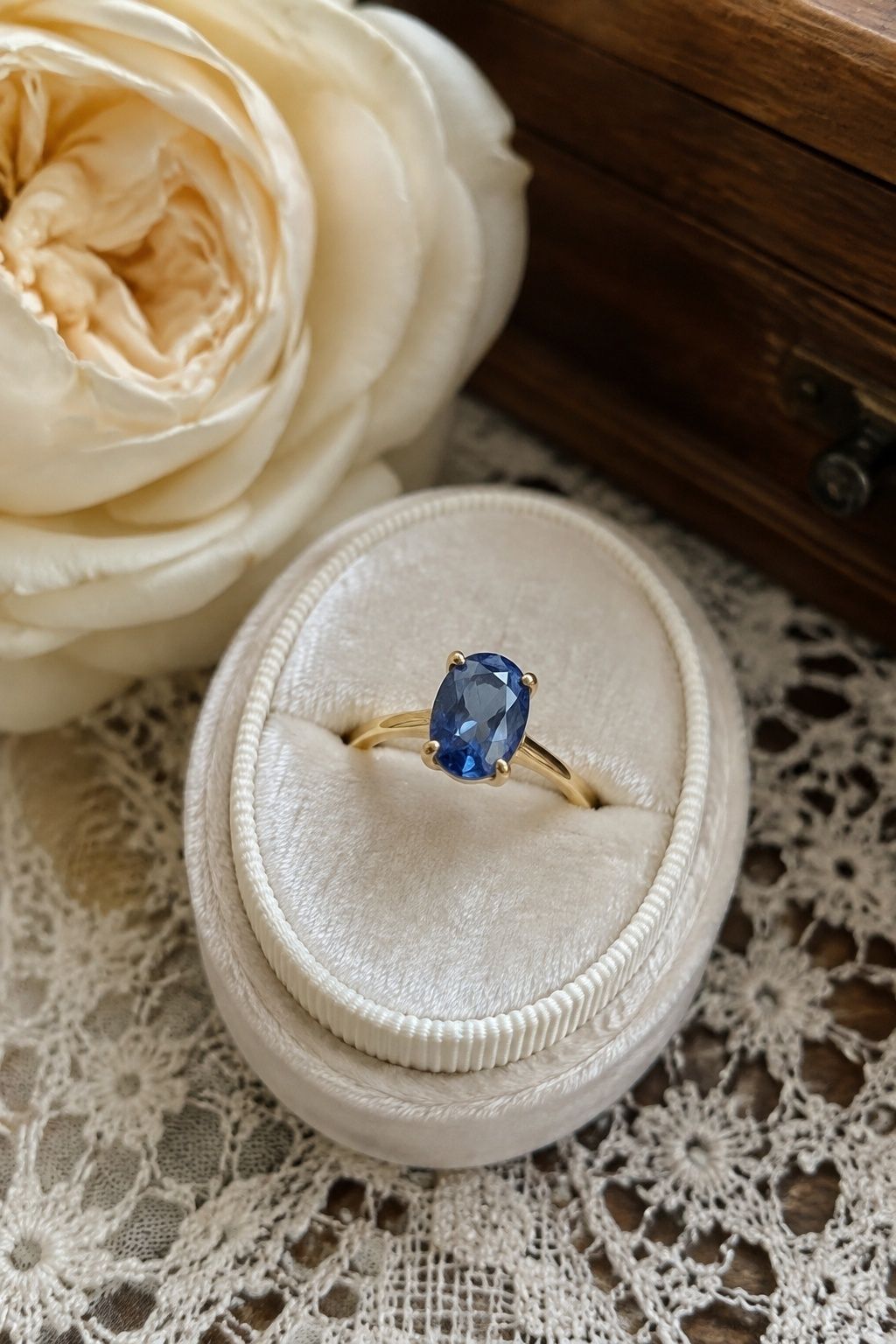
A blue sapphire in yellow gold is the classic royal pairing, but it can still feel intimate when the proportions are restrained. Yellow gold adds warmth around the edge of a blue stone, which can make a navy sapphire feel richer and a medium cornflower blue feel slightly more velvety. If the sapphire is already very dark, ask to see it away from strong jewelry-store lighting so you can tell whether the center still shows blue in ordinary rooms.
This pairing photographs beautifully with ivory flowers, antique lace, candlelit dinners, and warm wood venues. If you want the ring to feel less formal, choose a softer basket, a slender shank, or a low-set solitaire instead of a heavy halo. Yellow gold gives the sapphire enough presence without needing extra drama.
Teal Sapphire In Yellow Gold
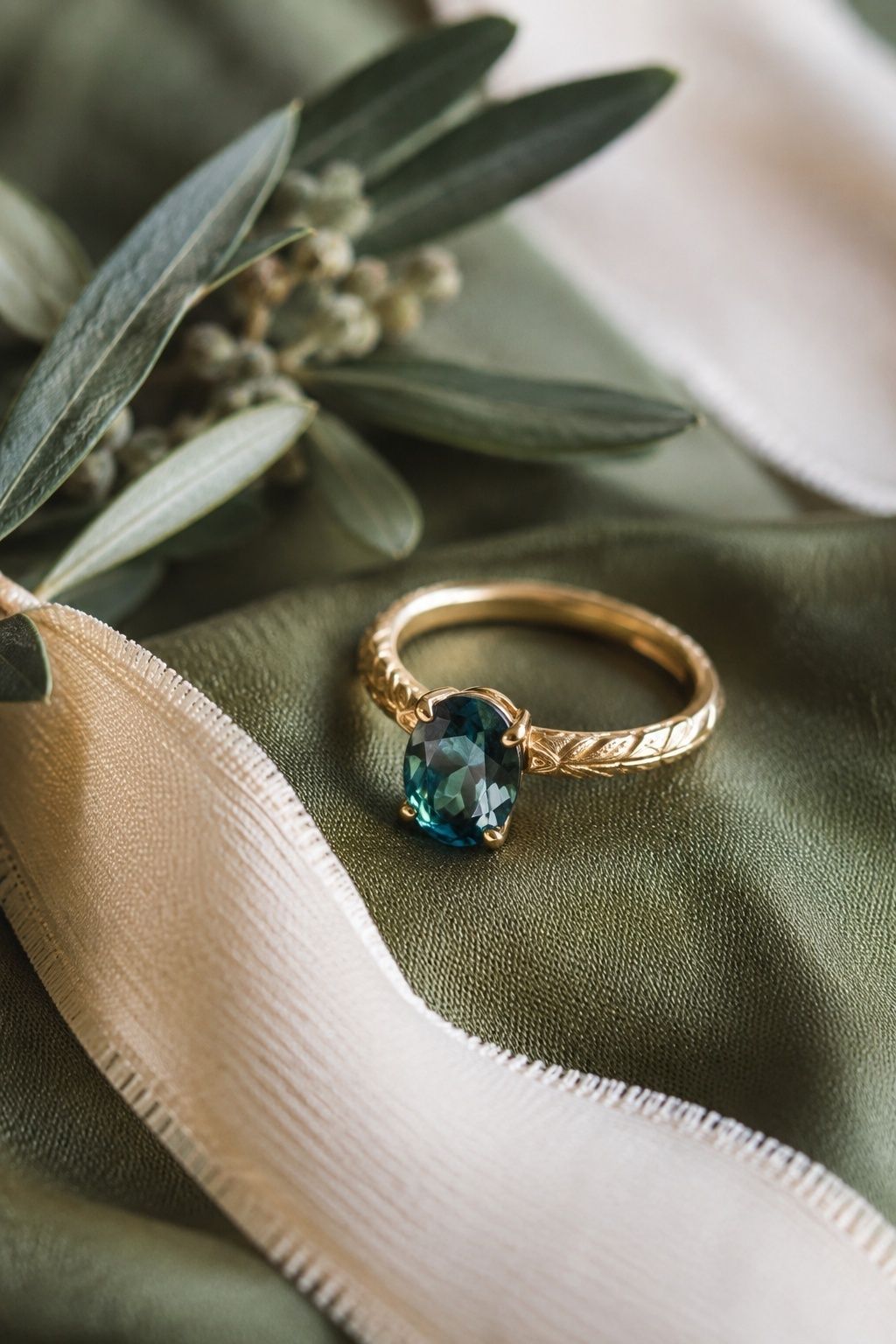
Teal sapphire looks especially alive in yellow gold because the metal pulls out the green and golden undertones in the stone. The result can feel botanical, coastal, or slightly old-world depending on the cut. Look for a teal sapphire with visible life across the face of the stone rather than one that goes almost black at the edges.
This is a lovely choice for couples planning garden vows, dinner-party receptions, or design details with olive, moss, blue-gray, or cream. A slim yellow-gold band keeps the look polished, while an engraved or lightly textured shank can make the ring feel more personal in close-up photos.
Blue Sapphire In Rose Gold

Rose gold makes a blue sapphire feel softer and more modern. Instead of the high-contrast royal feeling of yellow gold, the blush metal warms the stone from the outside and can make deep blue look moodier. The pairing is romantic, but it needs careful color checking because some rose-gold alloys can make a very dark sapphire look heavier indoors.
If you love a gentle, slightly unexpected ring, ask to view the loose sapphire beside both rose and yellow gold before the setting is made. A medium-blue stone with good saturation often handles rose gold beautifully. If the sapphire leans inky, consider white diamond side stones or an open basket to bring more light back into the center.
Yellow Sapphire In Yellow Gold

Yellow sapphire in yellow gold is sunny, tonal, and quietly confident. The metal can make a pale yellow sapphire look warmer, while a stronger golden sapphire can feel almost candlelit. The main check is contrast: if the stone and metal are too similar, the sapphire may disappear from a distance.
To keep the center stone visible, look for a cut with good brightness and consider tiny white diamond accents, a bezel edge, or a slightly raised setting. If honey, lemon, and golden tones keep catching your eye, decide whether you want that warmth in a harder daily-wear sapphire or in a softer yellow gemstone mood (citrine wedding ring ideas).
Pink Sapphire In Rose Gold

Pink sapphire and rose gold create a soft blush-on-blush look that feels tender rather than flashy. The pairing is strongest when the sapphire has enough saturation to stay visible against the metal. Pale pink stones can be beautiful, but they may look almost neutral in rose gold unless the cut is bright and the setting lets light in from the sides.
If your wedding palette includes mauve, rose, berry, or antique pink, this ring can feel woven into the day without looking too matched. Choose pink sapphire when you want silkier color, gentle depth, and rose-gold softness; brighter blush sparkle should feel deliberate, pink diamond wedding rings ideas aside.
Padparadscha Sapphire In Gold
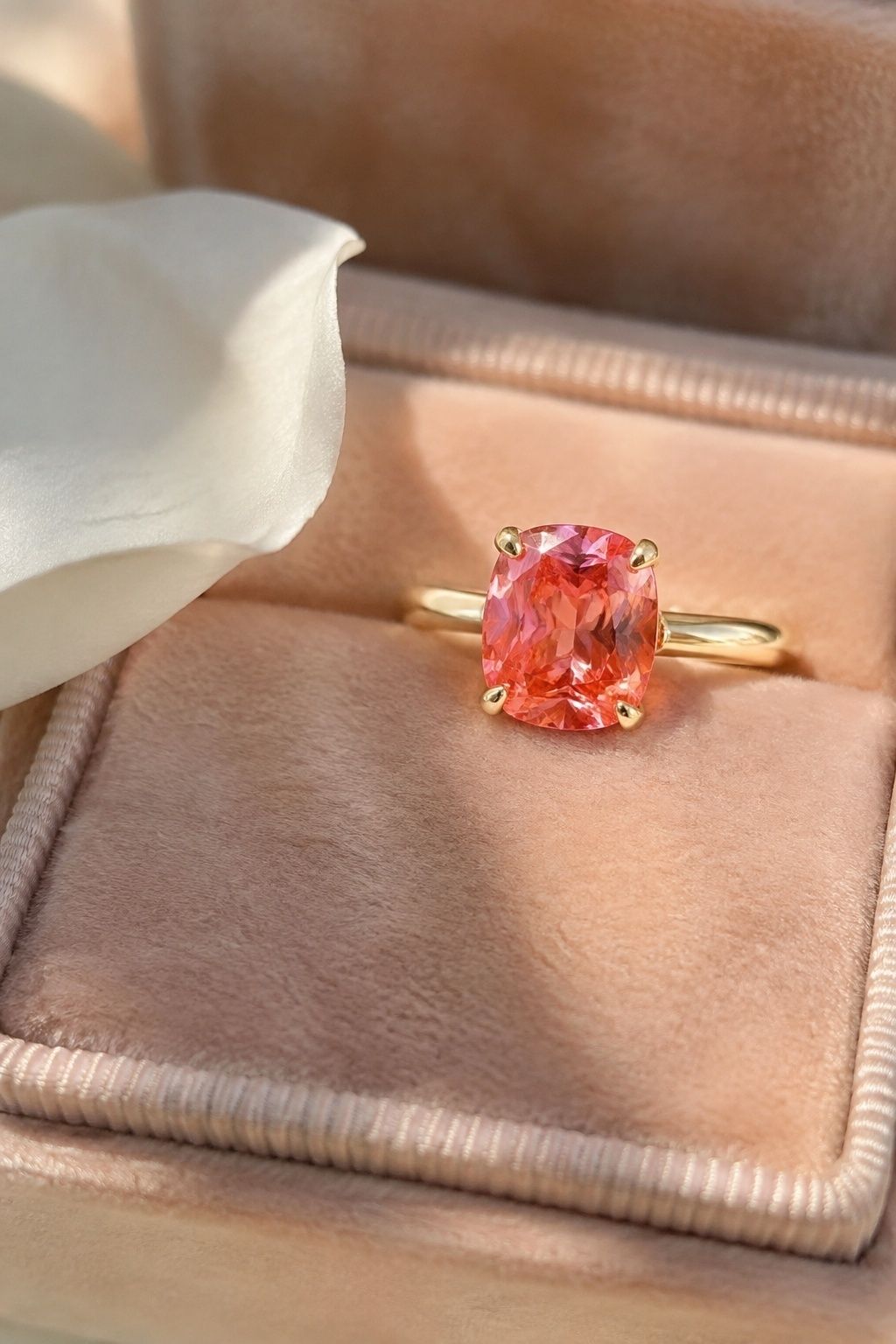
Padparadscha sapphires sit in that rare peach-pink-orange family that looks almost lit from within. Yellow gold can bring out the apricot warmth, while rose gold leans into the pink side. Because padparadscha color can shift so much from stone to stone, the exact gold tone matters more than a general rule.
Ask to see the sapphire in natural light, beside your skin, and next to the metal you are considering. A true peach stone may glow in yellow gold, while a pinker stone may become beautifully romantic in rose gold. This is also a ring where a simple setting often feels most refined because the color is already doing the emotional work.
Sapphire Solitaire In A Gold Bezel
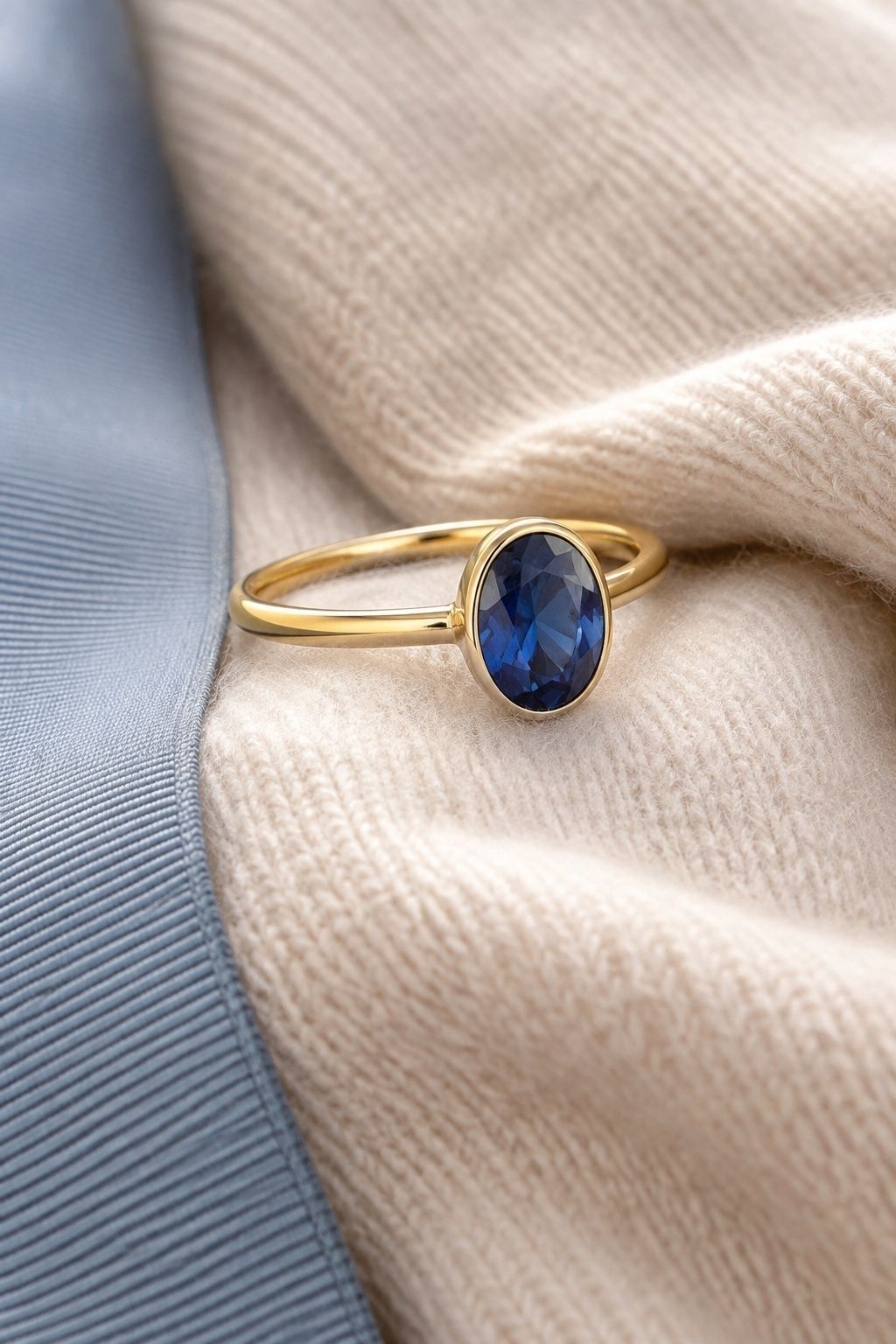
A gold bezel wraps the sapphire in a smooth rim of metal, giving the ring a clean, secure outline. It is especially practical for daily wear because the stone edge is protected and the setting is less likely to catch on sweaters, veils, or bouquet ribbon. Bezel settings also work beautifully with sapphires that have softer shapes, like ovals, cushions, rounds, and east-west cuts.
The tradeoff is light. A full bezel can make a dark stone look deeper, so it is worth choosing a sapphire with enough brightness before adding that gold frame. If you want the practical feel but more sparkle, ask about a partial bezel, open-back bezel, or fine milgrain edge.
Sapphire And Diamond Gold Ring
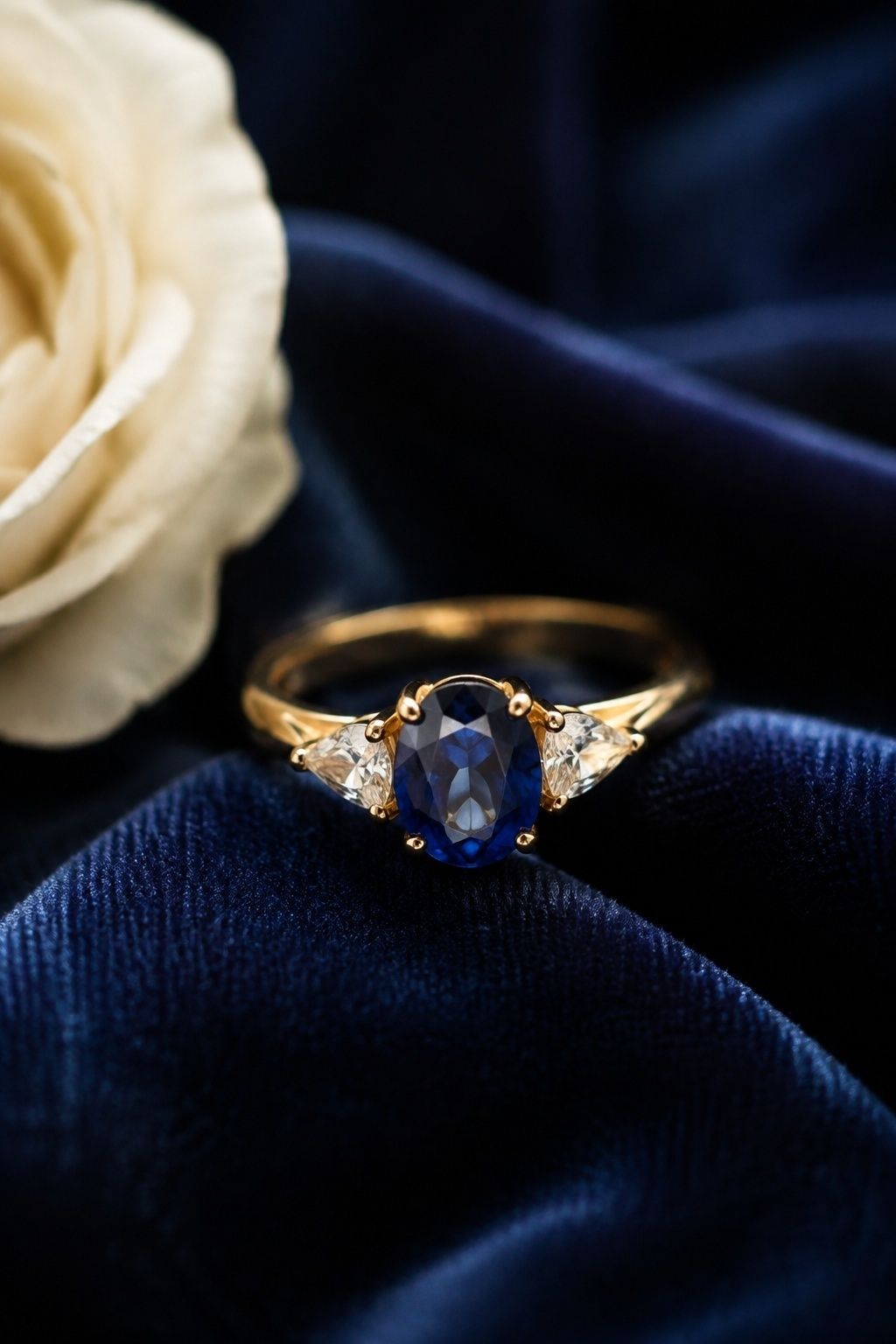
White diamond side stones can sharpen a sapphire in gold, especially when the center stone is deep blue, teal, or yellow. The diamonds give the eye a bright place to land, while the gold keeps the ring from feeling icy. This balance works well for couples who want color but still love a little classic engagement-ring sparkle.
Keep the side stones scaled to the sapphire. Tiny tapered diamonds, pears, baguettes, or round accents can add polish without swallowing the center stone. If you are choosing between warm neutrals and colored stones, decide whether golden sparkle or stronger sapphire color matters most (champagne diamond engagement ring ideas).
Vintage Sapphire Ring In Yellow Gold
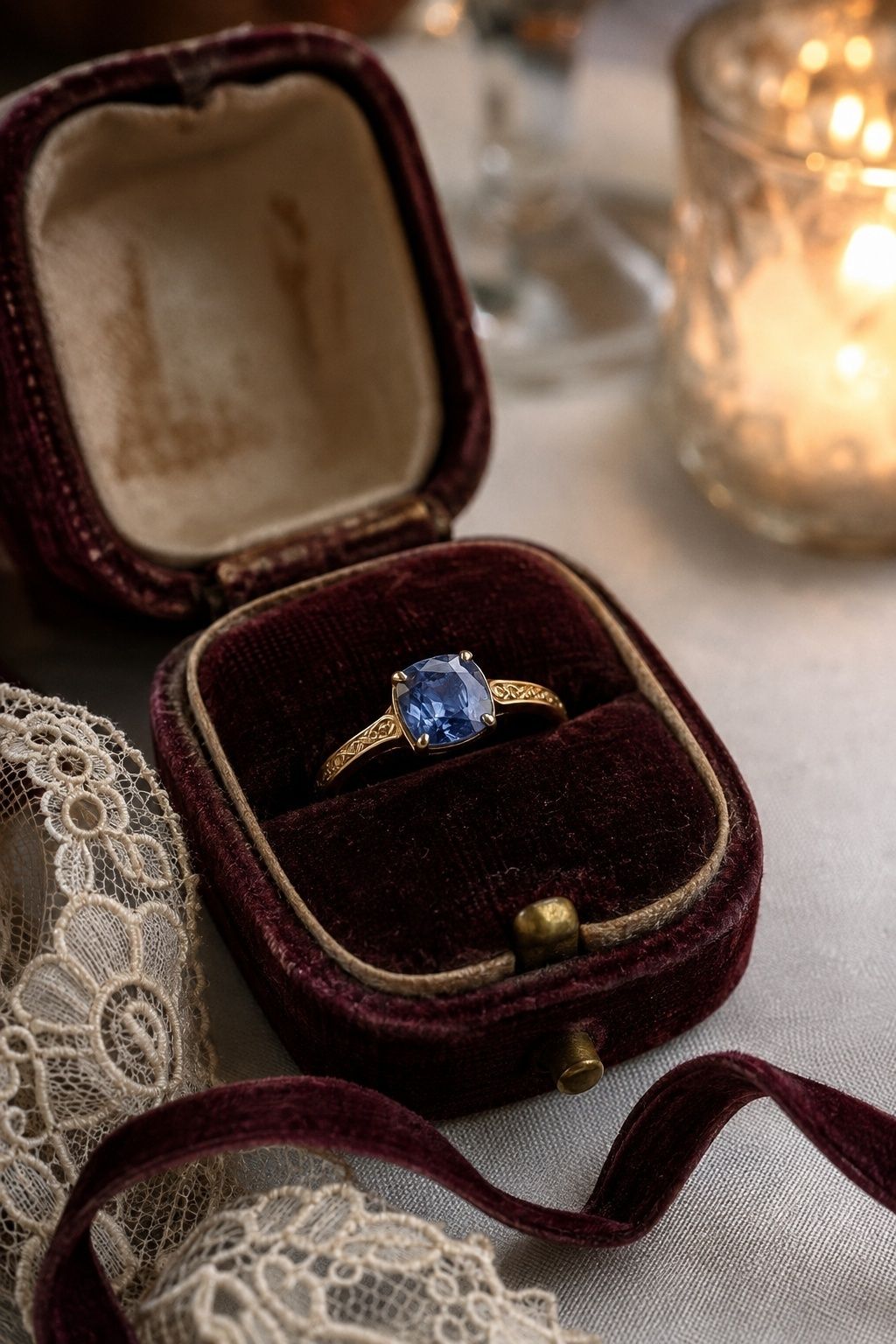
Vintage-inspired yellow gold suits sapphire because the pairing already carries a sense of history. Think cushion cuts, engraved shoulders, milgrain edges, low profiles, and settings that look loved rather than brand new. The most wearable versions keep the ornament close to the finger, so the ring feels romantic without becoming fragile.
A cushion sapphire in warm gold can look especially beautiful with heirloom lace, silk, velvet ribbon, or a candlelit restaurant reception. Study the corner shape, depth, and setting height first, because antique softness only works when the sapphire still feels secure, wearable, and balanced, vintage cushion cut engagement ring ideas aside.
Three-Stone Sapphire Ring

A three-stone sapphire ring can feel meaningful without needing a large center. You might choose a blue sapphire with diamond sides, a teal sapphire with smaller sapphires, or a peach sapphire with pale champagne accents. In yellow gold, the arrangement feels warm and heirloom-like. In rose gold, it becomes softer and more romantic.
Think carefully about finger coverage and band pairing. Three-stone rings often need a curved, notched, or open wedding band if you want the bands to sit close together. Ask your jeweler to show the engagement ring with sample bands before the final setting is made.
Gold Sapphire Ring With A Plain Band
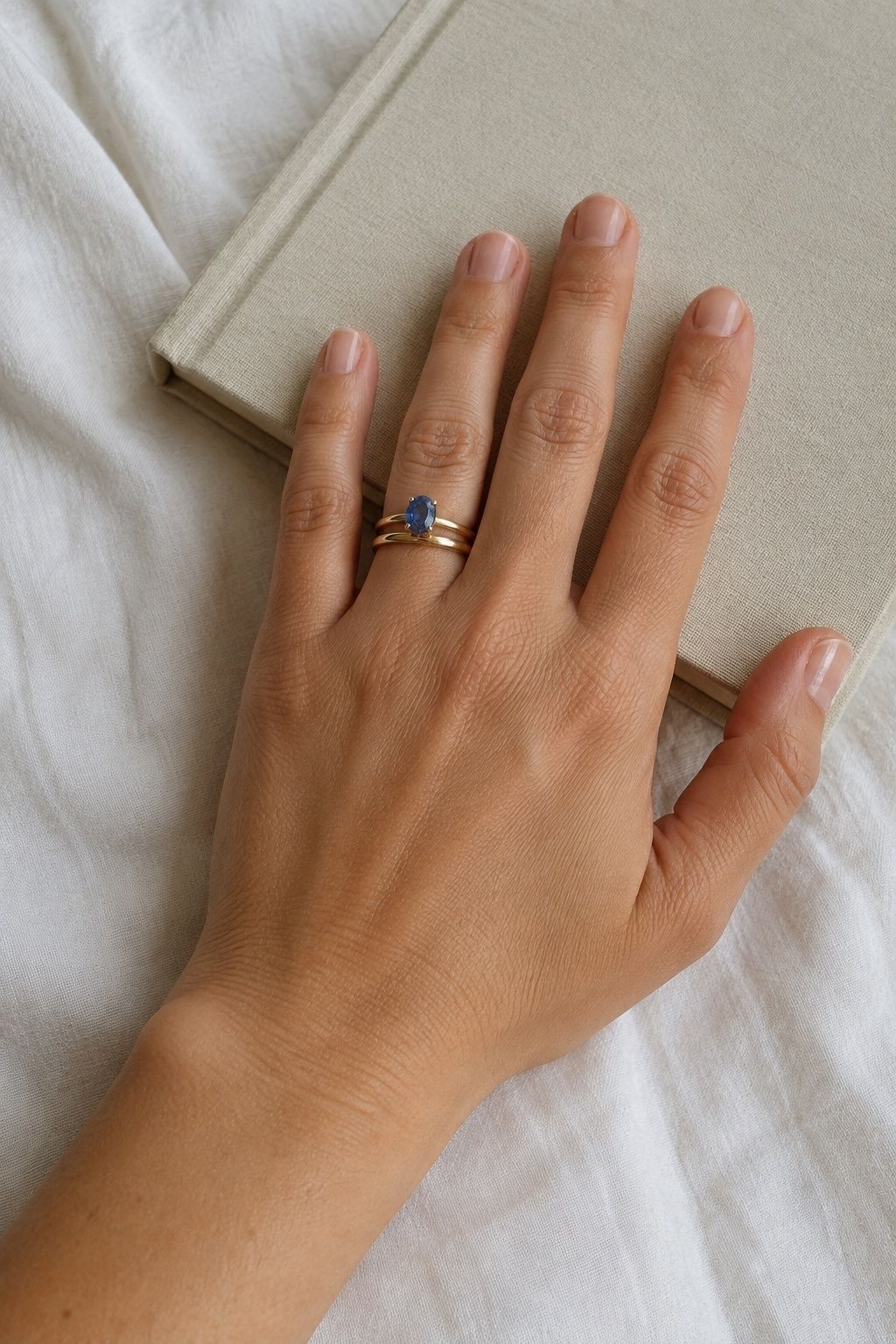
A plain gold wedding band can make a sapphire engagement ring feel calm and deeply wearable. This is a good choice when the center stone has strong color, the setting has detail, or you want the ring stack to feel quiet after the wedding. The plain band also keeps attention on the sapphire in hand photos and ceremony close-ups.
Match the gold tone if you want a seamless set, or choose a slightly different width for subtle contrast. A narrow band feels delicate, while a chunkier plain band can make a solitaire feel more grounded. If the sapphire ring has a low basket, check whether a straight band will rub against the setting before you commit.
Sapphire Ring With A Contoured Wedding Band
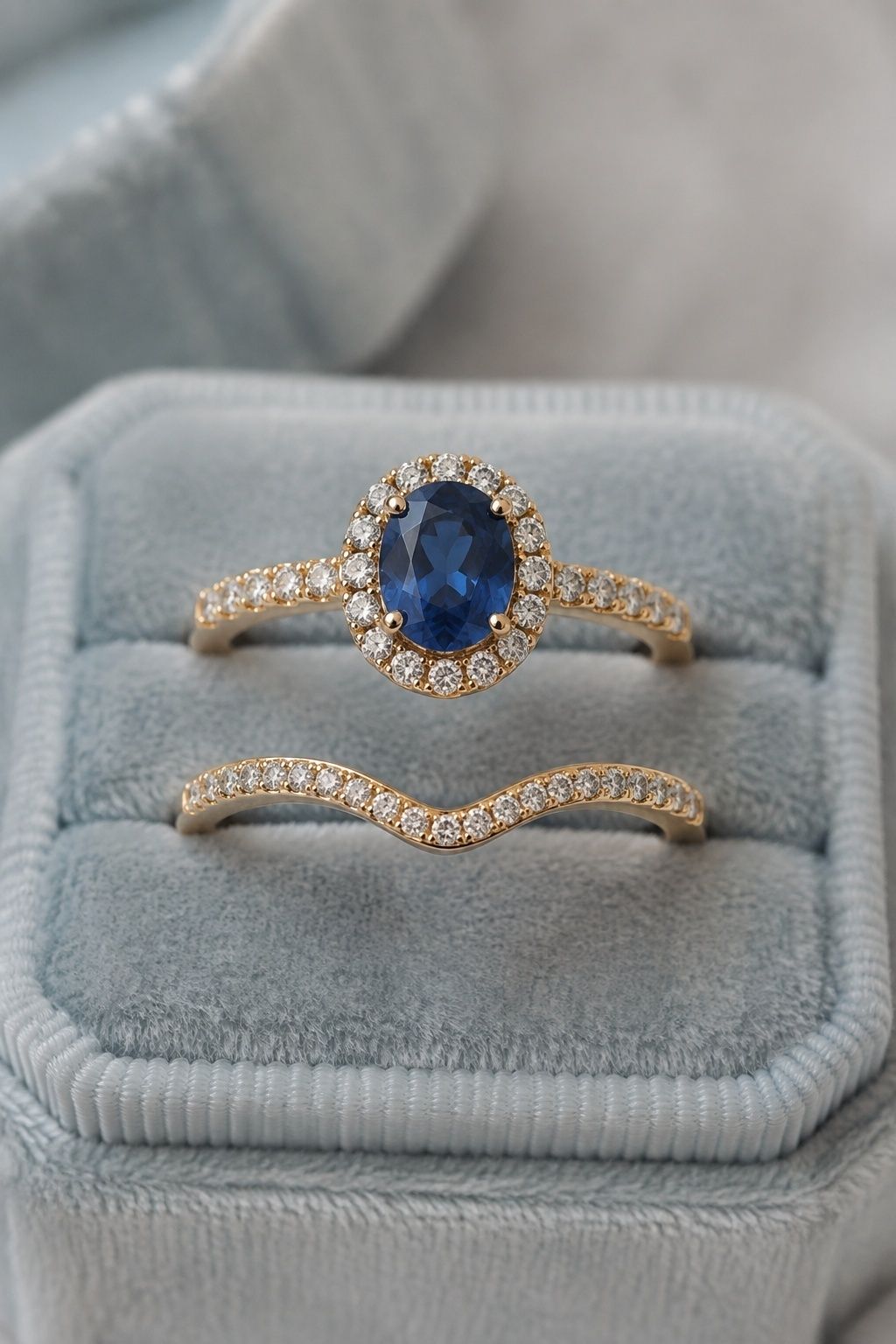
A contoured wedding band is often the quiet solution to a sapphire setting with a low basket, wide halo, three-stone shoulders, or pointed shape. Instead of forcing a gap to look intentional, the band follows the outline of the engagement ring and makes the stack feel designed from the start.
Try the contour in person if possible. A curve that looks perfect in a product photo may feel too deep, too shallow, or too ornate on your hand. If the final stack needs warmth without a strong blue or pink center, test basket clearance and contour depth before adding neutral contrast, brown diamond engagement ring ideas aside.
Mixed-Gold Sapphire Ring
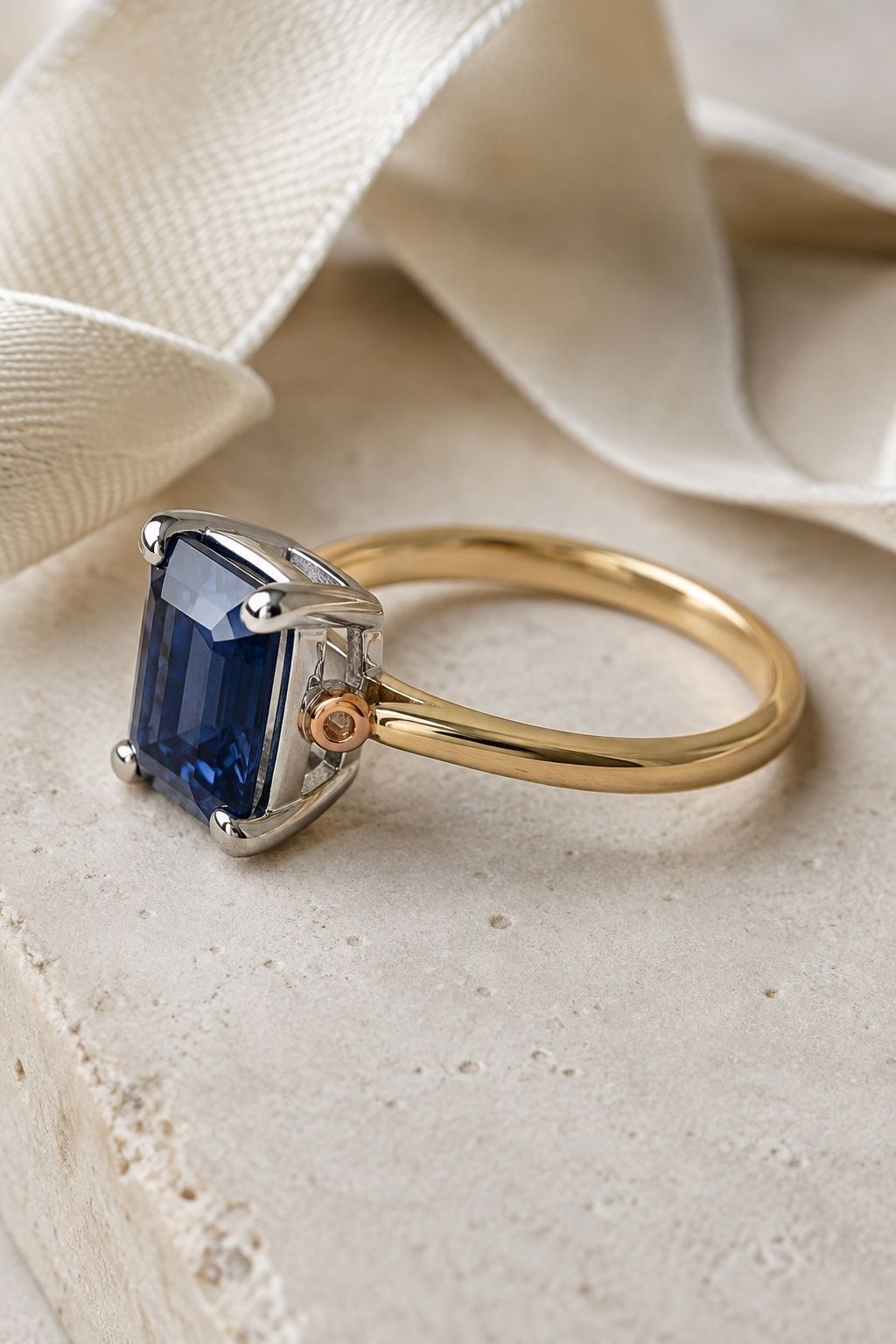
Mixed gold can solve a practical color problem. A yellow-gold shank can warm the hand, while white-gold prongs can brighten a blue sapphire or make diamond accents look crisper. Rose-gold details can soften a teal or peach sapphire without turning the entire ring blush.
The key is intention. Choose one dominant metal and one supporting metal, then repeat that choice in the wedding band or small jewelry details. Too many metal tones in a tiny ring stack can feel accidental, especially in close-up photos where every prong and edge becomes visible.
East-West Sapphire In Gold

An east-west sapphire turns an oval, emerald, marquise, or cushion sideways across the finger. In gold, it feels modern and artful while still letting the stone color lead. This is a strong option for couples who want a distinctive ring without choosing a huge carat size.
Pointed shapes need special care. Marquise, pear, and kite-like sapphires should have protective prongs, a bezel tip, or a setting that shields vulnerable points from daily knocks. Check finger coverage and band fit from the side as well as the top before committing to the horizontal profile (east west engagement ring ideas).
Custom Sapphire Ring With A Hidden Detail
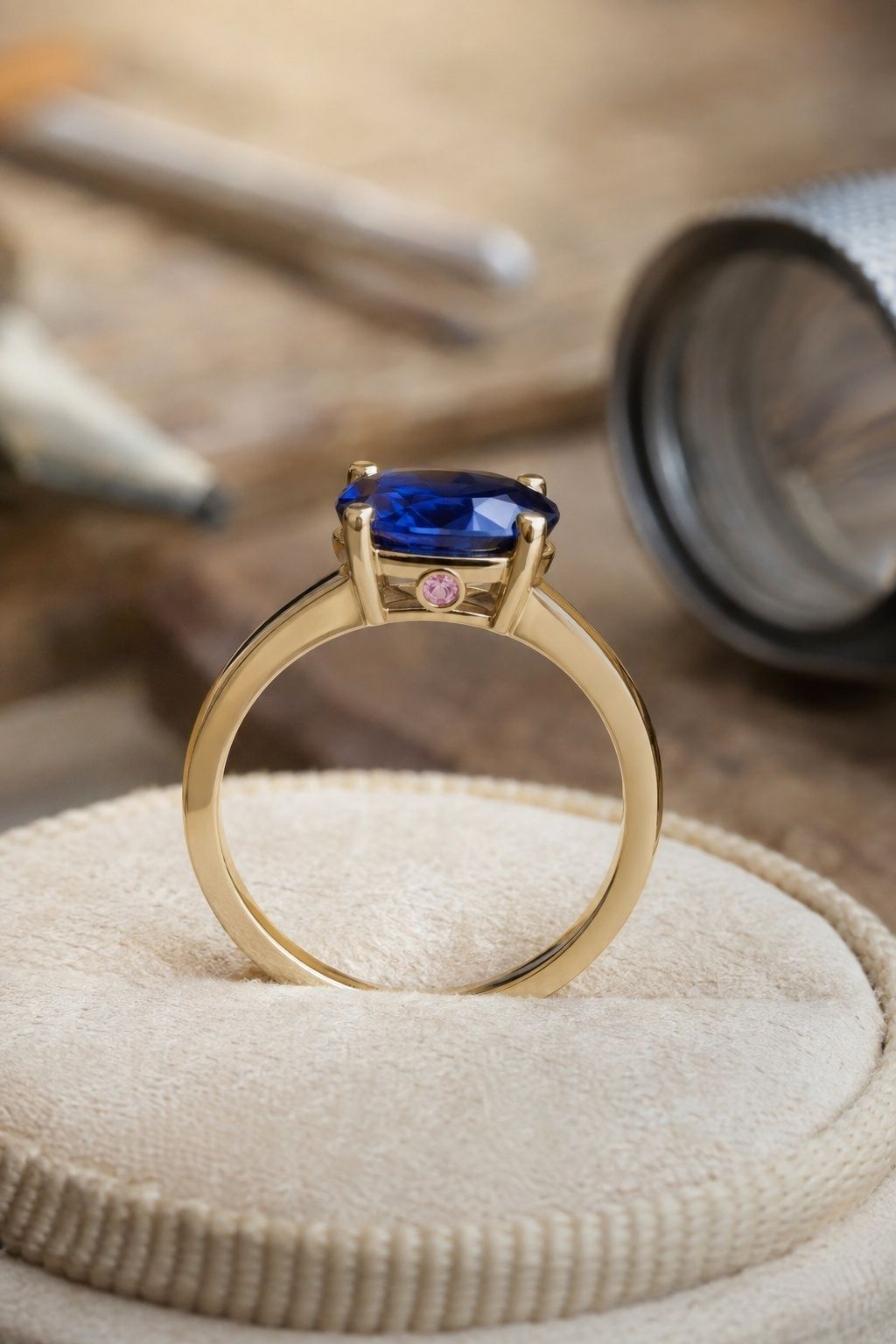
A custom sapphire ring does not need to be elaborate to feel personal. A hidden birthstone, engraved date, low floral basket, tiny flush-set diamond, or private symbol under the gallery can make the ring feel tied to your story without changing the clean look from above.
Keep hidden details smooth and wearable. Anything under the stone should avoid scratching the wedding band, trapping lotion, or making the setting difficult to clean. The sweetest hidden detail is one you can live with every day, not one that only looks clever in a rendering.
Sapphire Checks
Consider Hue, Tone, Saturation, And Natural-Light Photos
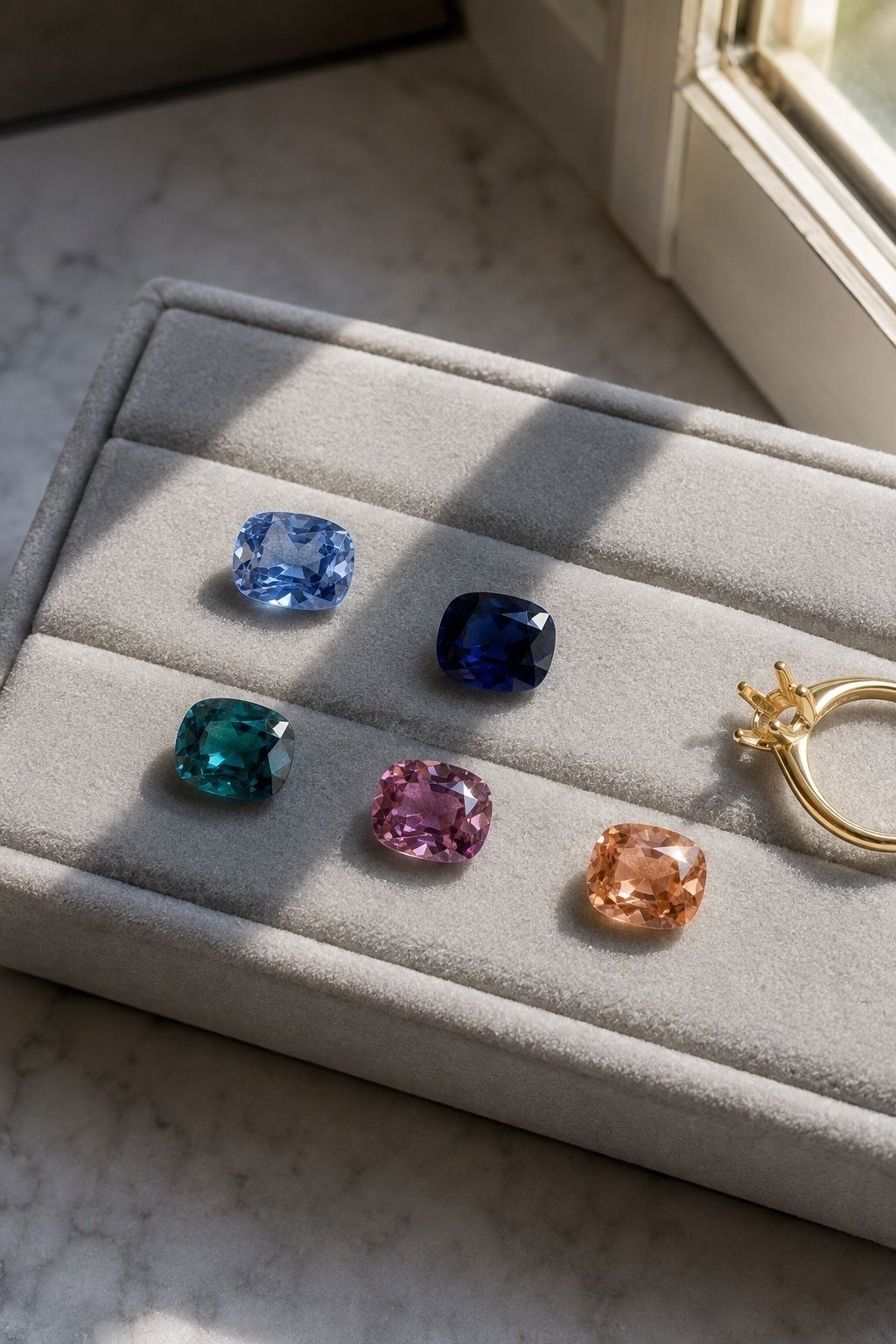
Sapphire color is usually described through hue, tone, and saturation. Hue is the color family, like blue, teal, pink, yellow, or peach. Tone is how light or dark the stone appears. Saturation is the strength of the color. A sapphire can have a desirable hue but still feel too dark, too gray, or too sleepy once it is set in gold.
Before buying, ask for photos and video in natural light, shade, indoor warm light, and on a hand if possible. Gold can make a sapphire look warmer, deeper, or more romantic, but it can also reveal undertones you did not notice in a white tray. For a small wedding, where the ring will be photographed close to skin, flowers, paper, and fabric, that real-light check is worth the extra patience.
Choose Secure Settings For Daily Wear

Sapphire is a strong engagement-ring stone because it ranks 9 on the Mohs hardness scale, below diamond but above many colored gems used in jewelry. That does not make every setting equally carefree. Prongs should be sturdy, bezels should be even, and pointed stones should have protected tips.
Think through your real life before choosing the most delicate version. If you wear gloves, travel often, garden, work with your hands, or want a ring that rarely comes off, a lower profile, bezel, half bezel, or protected prong setting may serve you better than a very tall basket. A jewelry cleaning cloth and occasional professional checks will also help the gold and sapphire stay bright over years of daily wear.
FAQ
What Gold Looks Best With A Sapphire Engagement Ring?
Yellow gold is the most classic choice for blue, teal, yellow, and padparadscha sapphires because it adds warmth and richness. Rose gold is beautiful with pink, peach, and some medium-blue sapphires because it softens the color. White gold can work when you want sharper contrast or brighter diamond accents, especially around a dark blue sapphire.
Is Sapphire Good For An Engagement Ring?
Yes. Sapphire is one of the best colored stones for an engagement ring because it has Mohs 9 hardness and can handle daily wear when it is set securely. It still needs sensible care, especially around prongs, pointed cuts, and rings that sit high on the hand.
Does Yellow Gold Look Good With Blue Sapphire?
Yellow gold looks beautiful with blue sapphire because the warm metal makes the blue feel deeper and more luxurious. The main caution is very dark sapphire: if the stone already looks almost navy-black, yellow gold may make it feel richer but not necessarily brighter. View it in natural light before deciding.
What Color Sapphire Looks Best In Gold?
Blue, teal, yellow, pink, and padparadscha sapphires can all look beautiful in gold. Yellow gold usually flatters blue, teal, yellow, and peachy stones, while rose gold is especially soft with pink and padparadscha sapphires. The best choice depends on the stone’s hue, tone, saturation, and how it looks against your skin.
What Setting Is Best For A Sapphire Engagement Ring?
The best setting is one that protects the sapphire while letting enough light reach the stone. Bezels, half bezels, low solitaires, secure prongs, halos, and three-stone settings can all work. Pointed stones such as pear, marquise, and kite shapes need protected tips, and low settings should be tested with the wedding band before buying.
Can You Wear A Sapphire Engagement Ring Every Day?
You can wear a sapphire engagement ring every day if the stone is well set and the ring suits your lifestyle. Remove it for harsh cleaning, heavy impact, and activities that could bend prongs or scratch the gold. Regular cleaning and occasional jeweler checks will keep the ring safer over time.
Final Thoughts
A sapphire engagement ring in gold is at its best when it feels chosen, not inherited from a rule. Let the stone color lead, let the gold tone support it, and make sure the setting works with your hand, your wedding band, and the way you actually live. Before you say yes to the final ring, compare the sapphire in daylight, shade, and indoor light, then ask your jeweler to confirm setting height, point protection, band fit, and daily-wear security (setting fit) so the piece feels beautiful in the proposal photo, the ceremony close-up, and the ordinary mornings after.
Last update on 2026-10-03 / Affiliate links / Images from Amazon Product Advertising API