
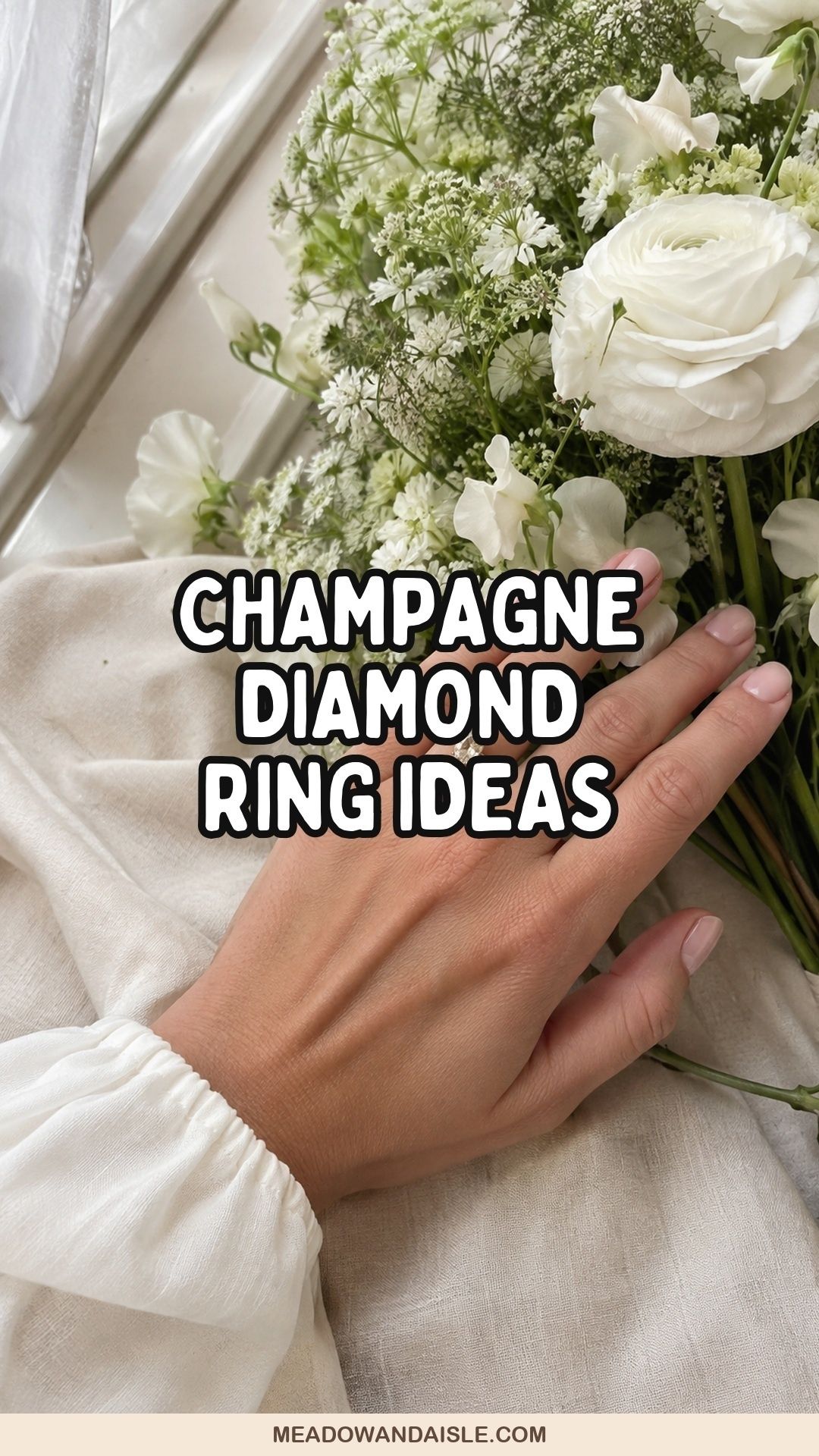
Champagne diamond engagement ring ideas work best when the stone’s warmth looks intentional: choose a pale champagne, honey, peach-gold, cognac, or brown-gold diamond, then pair it with a setting and metal that make the color feel bridal, flattering, and wearable every day.
A champagne diamond has a quieter kind of romance than a bright white diamond. It can look soft in candlelight, personal in close-up photos, and beautifully grounded on a hand that does not want the engagement ring to feel overly formal.
For a small wedding, that warmth matters. The ring appears in vow exchanges, bouquet photos, dinner-table details, and private getting-ready moments, so the color should feel chosen rather than simply different.
Recommended Wedding Products


You Might Also Like These Blog Posts
- Brown Diamond Engagement Ring Ideas With Warm Earthy Fire
- Chocolate Diamond Engagement Ring Ideas With Rich Quiet Drama
- 1950s Engagement Ring Ideas With Midcentury Romance
- East West Engagement Ring Ideas for a Classic Stone Turned Sideways
- Sapphire Engagement Ring Gold Ideas With Regal Warmth
- Kite Cut Engagement Ring Ideas for a Ring That Refuses to Round Off
Champagne Diamond Engagement Ring Ideas For A Barely-There Glow
A champagne diamond is most compelling when it looks like a soft choice, not a compromise. The goal is not to make it behave like a white diamond; the goal is to protect the warmth so it feels luminous, bridal, and close to the skin.
Start by deciding how quiet you want the color to be. Some couples want the warmth to appear only when the ring turns toward a window, while others want a honeyed center that shows clearly in ceremony photos and dinner light. A daylight session from these garden engagement shoot ideas is an easy way to see it.
Keep The Color Barely-There And Bridal
Choose A Pale Champagne Center When You Want Softness First

A pale champagne diamond is ideal if you love warmth but still want the ring to read classic at first glance. It gives the hand a creamy glow, especially when the setting is delicate and the stone has enough brightness through the center.
Ask to see the stone beside ivory fabric, bare skin, and the metal you plan to wear most. The color should stay gently golden instead of slipping into a muddy cast, a useful distinction when softer brown tones are also on the table (brown diamond rings).
Use Yellow Gold Only When It Still Lets The Stone Speak
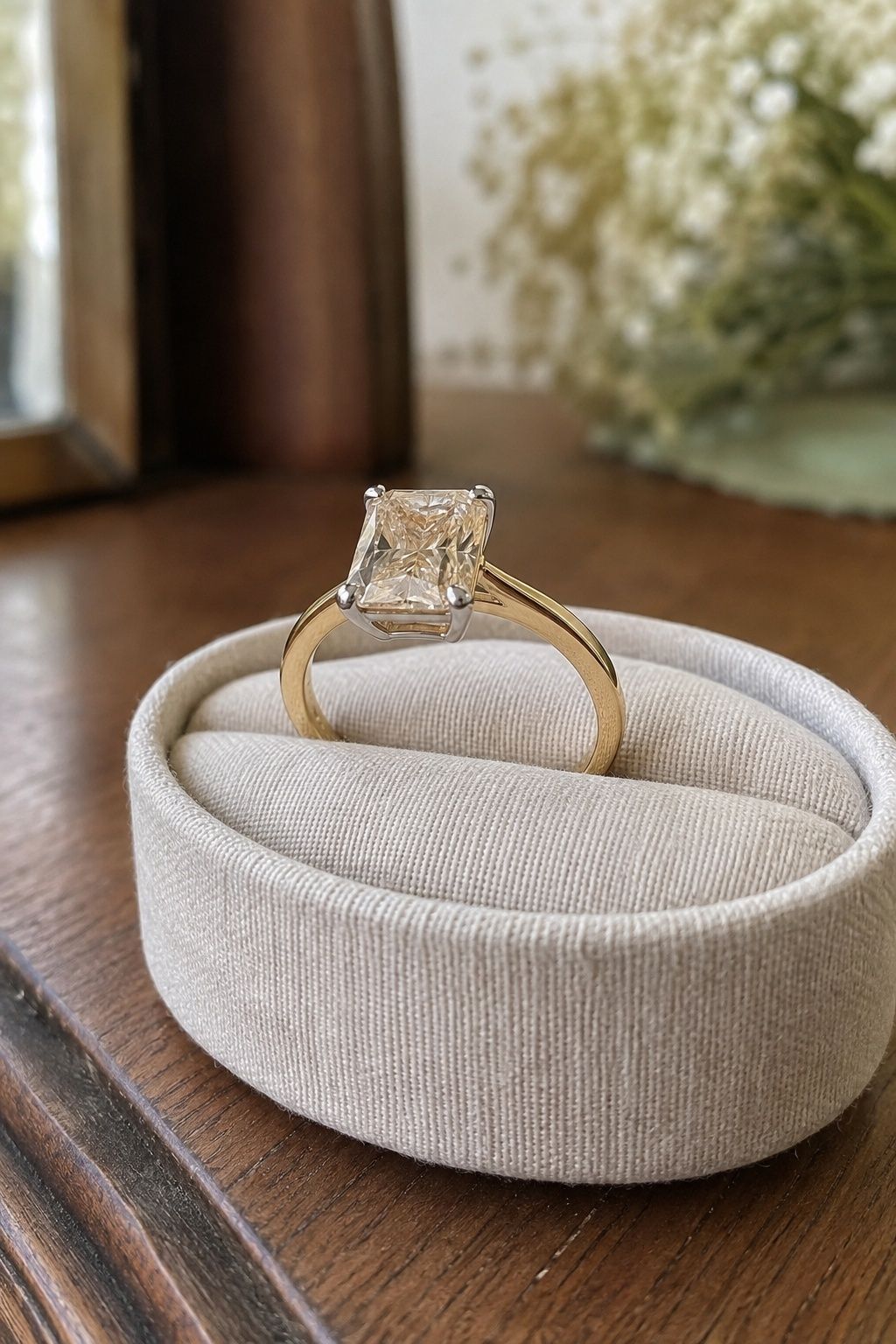
Yellow gold can make champagne diamonds look seamless, but too much matching warmth may blur the edge of a pale stone. If the diamond almost disappears into the band, consider white prongs, a finer basket, or a slightly richer center color.
The best yellow gold setting makes the ring feel intentional from across the table and tender up close. For small weddings, that balance matters because the ring is often seen in hands, glasses, flowers, and fabric rather than in a dramatic display shot.
Let Rose Gold Add Blush Without Sweetness
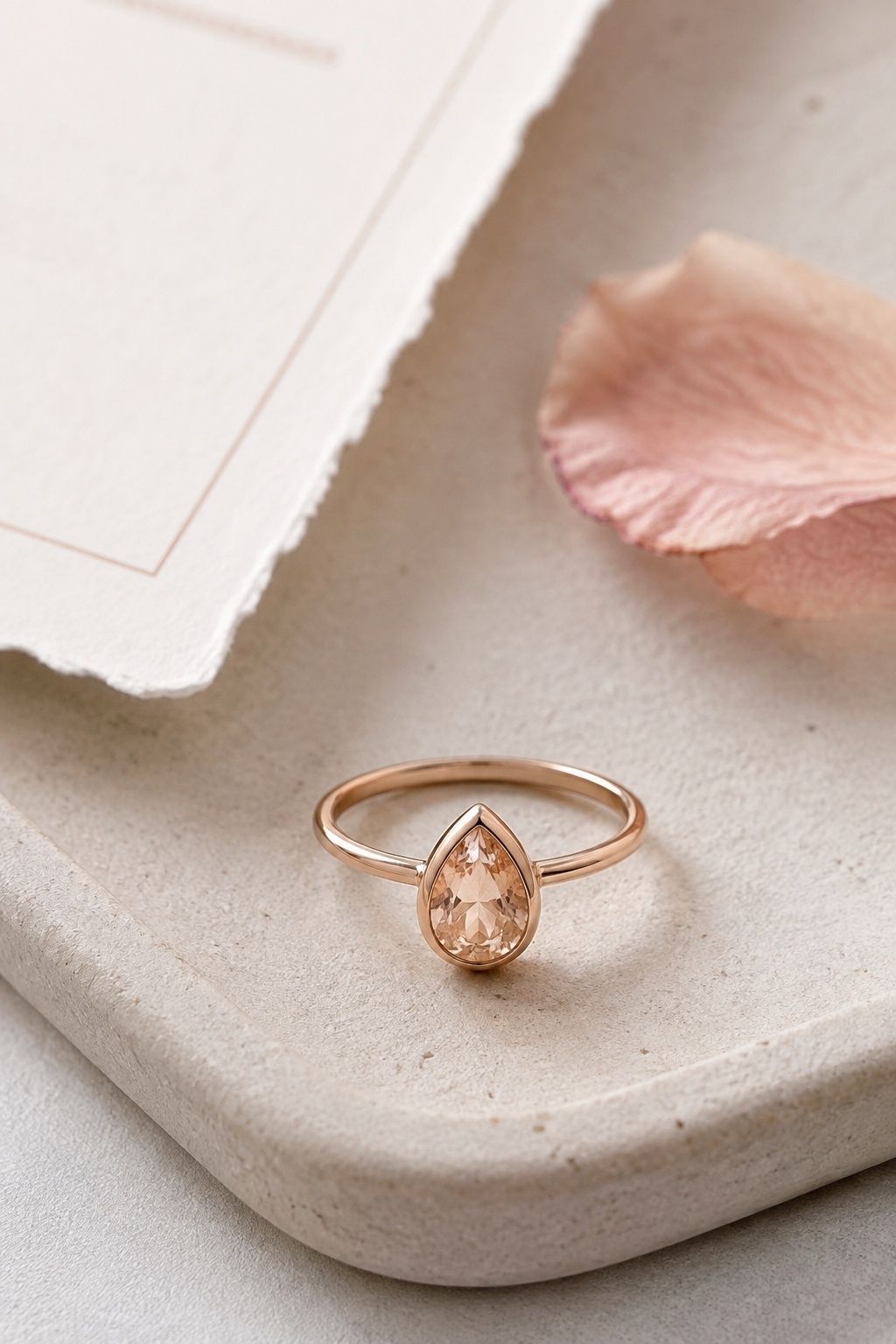
Rose gold works beautifully when a champagne diamond has peach or pink warmth, but the setting needs restraint. Test the ring against dress fabric and daylight photos before adding halos, engraving, or floral details.
If the metal already adds romance, let the silhouette stay clean. The blush should feel like warmth in the skin and not like a separate color theme competing with the champagne center (pink diamond rings).
Make Champagne Warmth Show Up In Photos
Pick Faceting That Gives The Color Movement

Subtle champagne color can vanish if the cut is sleepy. Look for facets that flash across the stone as your hand moves, especially in oval champagne diamonds and cushion champagne diamonds where the center can sometimes look quiet.
Cushions deserve extra attention because their corners soften the whole mood. Chunky flashes, a gentle outline, and an edited setting can create antique feeling while keeping the champagne center open and readable (vintage cushion rings).
Use White Accents To Clarify, Not Correct

White diamond accents can make a champagne center look more intentional, but they can also make a subtle stone look tinted by accident. Keep side stones small, bright, and clearly supportive so the center still feels chosen.
Tapered baguettes, tiny rounds, or slim pear sides can work if the proportions stay calm. Yellow-gold warmth, fine prongs, and small side stones should frame the champagne diamond instead of turning the ring into a scattered color story (citrine wedding rings).
Ask For Real-Life Photo And Video Proof
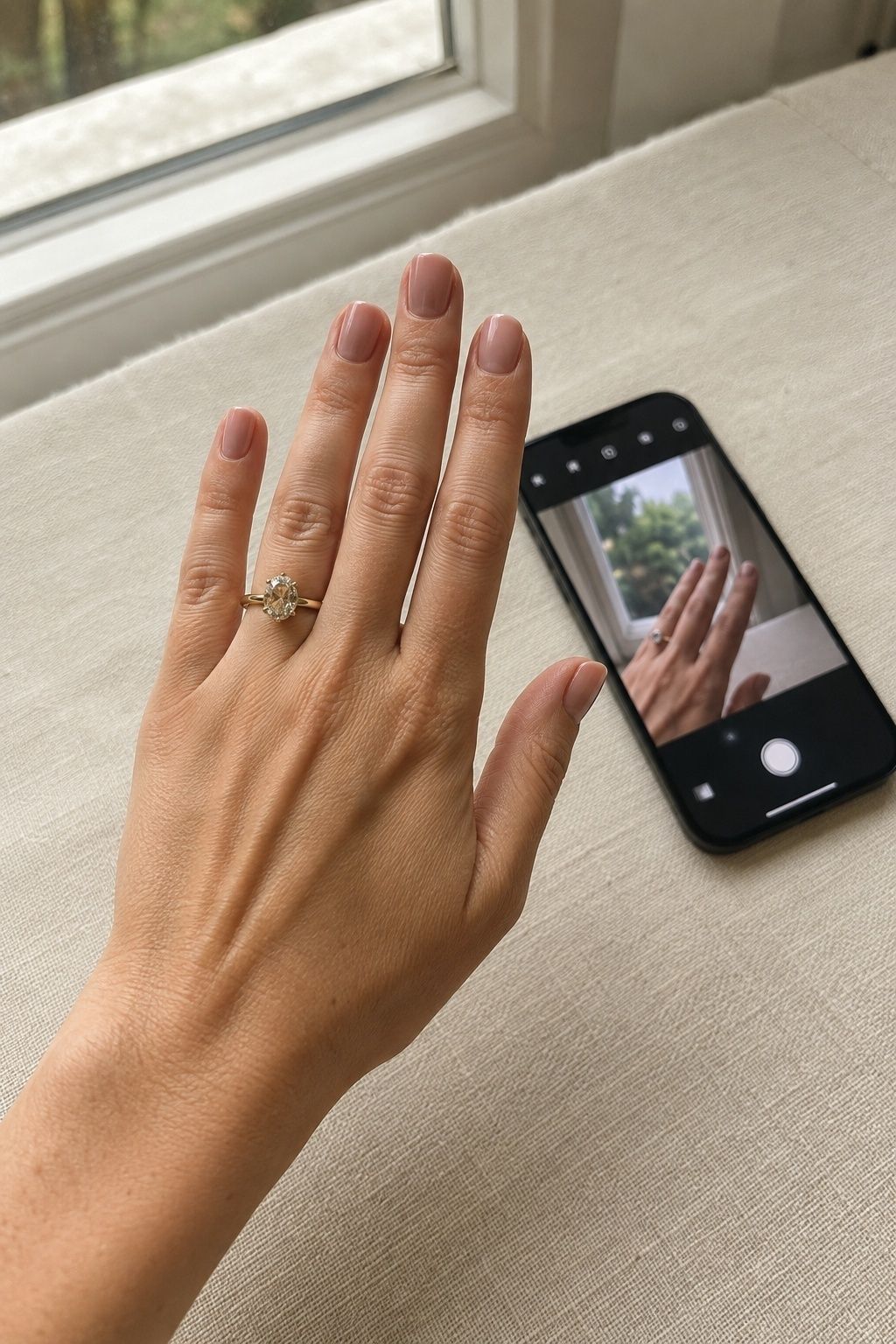
Studio lighting can make champagne diamonds look brighter, paler, or more evenly golden than they will look in real life. Ask for a short hand video near a window, under warm indoor light, and in indirect shade.
This matters more for champagne than for very dark stones because the effect is subtle. You want the color to register in ring shots without needing filters, heavy contrast, or a photographer who knows the stone already.
Avoid A Yellowed Or Accidentally Brown Look
Separate Champagne From Cognac, Brown, And Chocolate
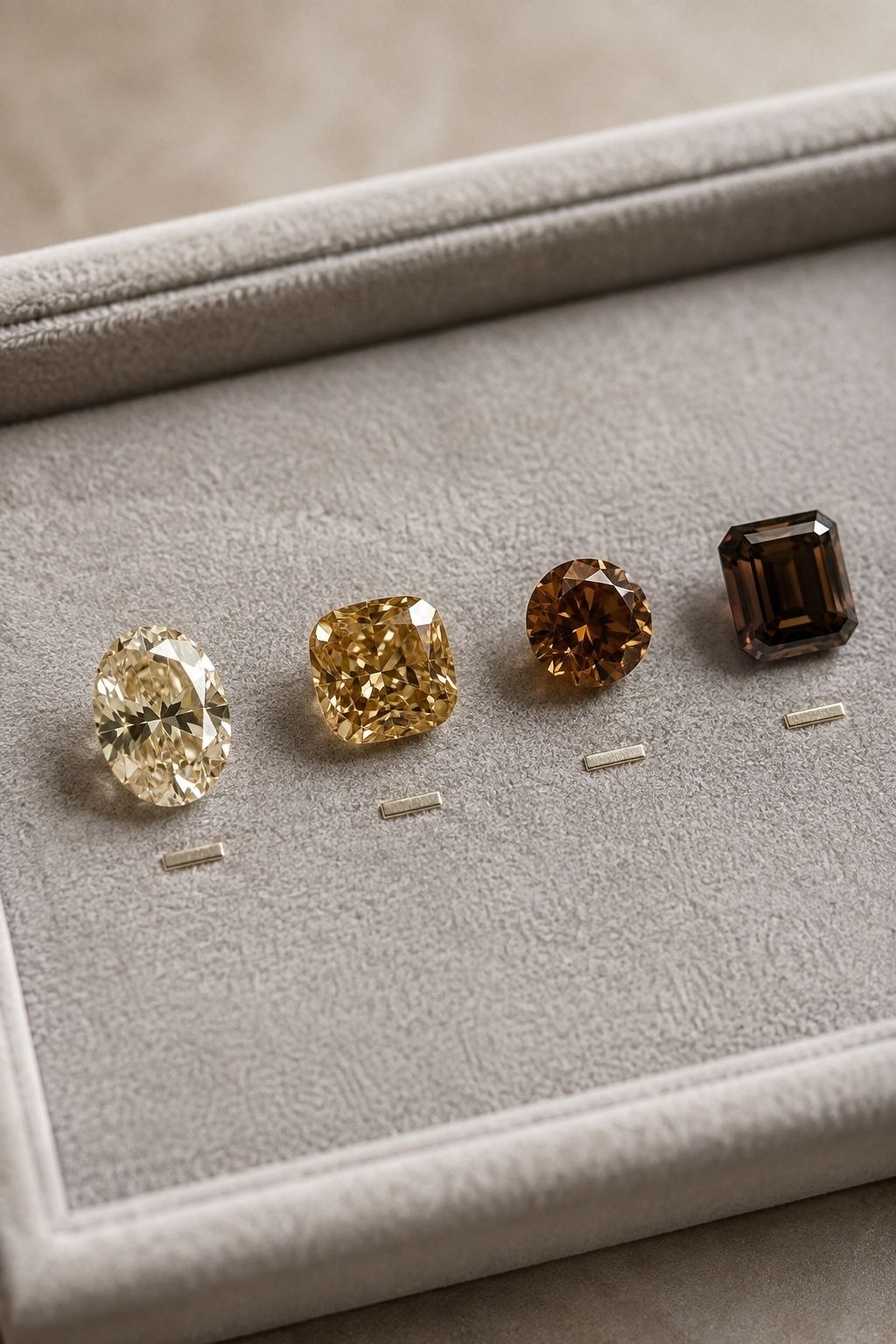
Champagne usually feels softer and lighter than cognac, brown, or chocolate diamonds. If a jeweler uses those words loosely, ask for plain-language color description, treatment disclosure, and face-up photos before you compare prices.
A deeper champagne tone can be gorgeous, but it needs open metalwork, thoughtful contrast, and enough brightness for daily wear. The ring should look warm in ordinary movement, not shadowed unless it is under direct light (chocolate diamond rings).
Choose Platinum Or White Prongs When The Edge Needs Definition
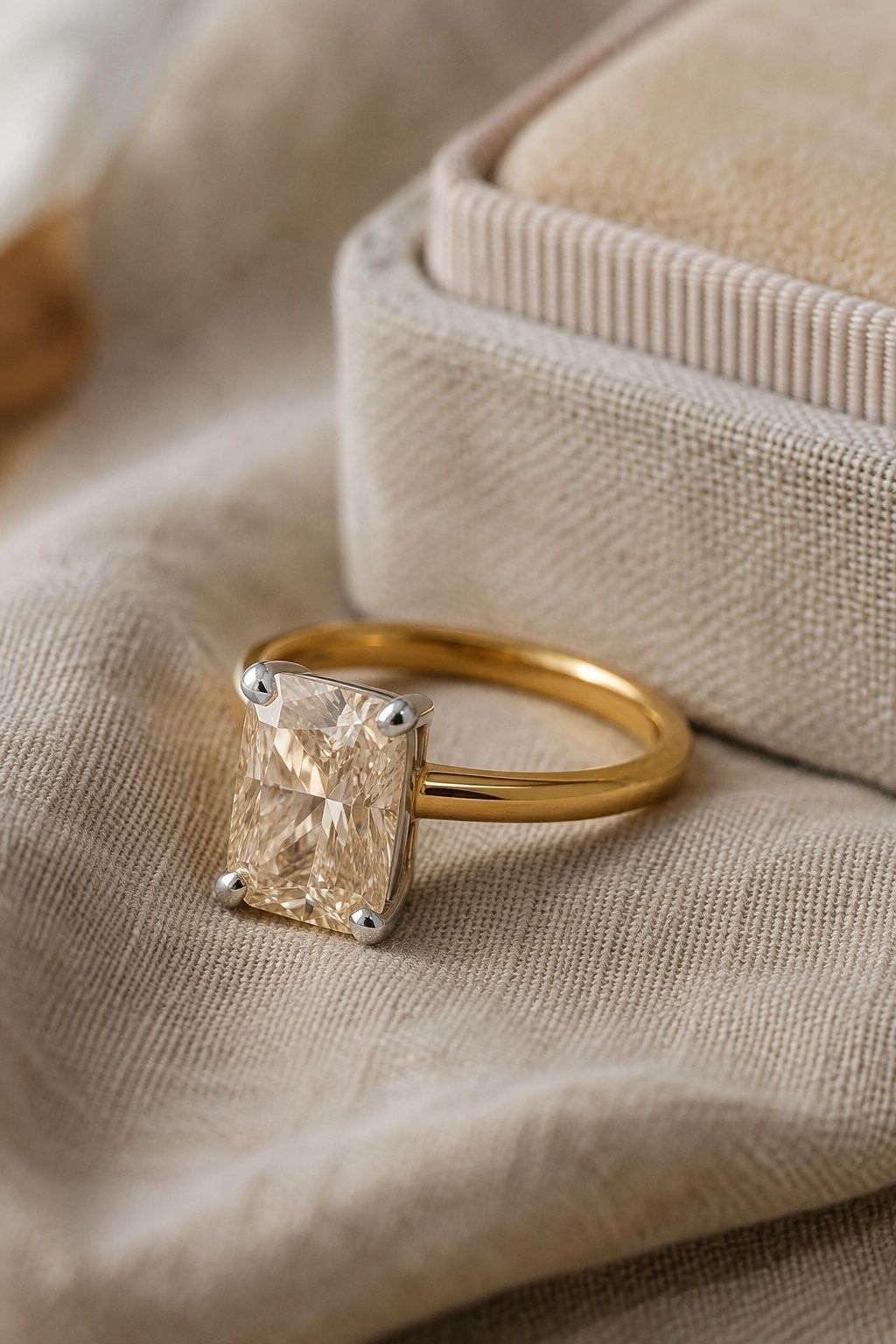
Platinum and white gold prongs can sharpen a champagne diamond without taking away its warmth. This is helpful when a pale stone needs a clean outline or when yellow gold makes the center blend too much into the band.
Mixed metal can also make the ring easier to wear with the jewelry you already own. Let one detail repeat, such as prong color, band width, or side-stone scale, so the contrast feels planned rather than pieced together.
Keep Strong Color Pairings Quiet
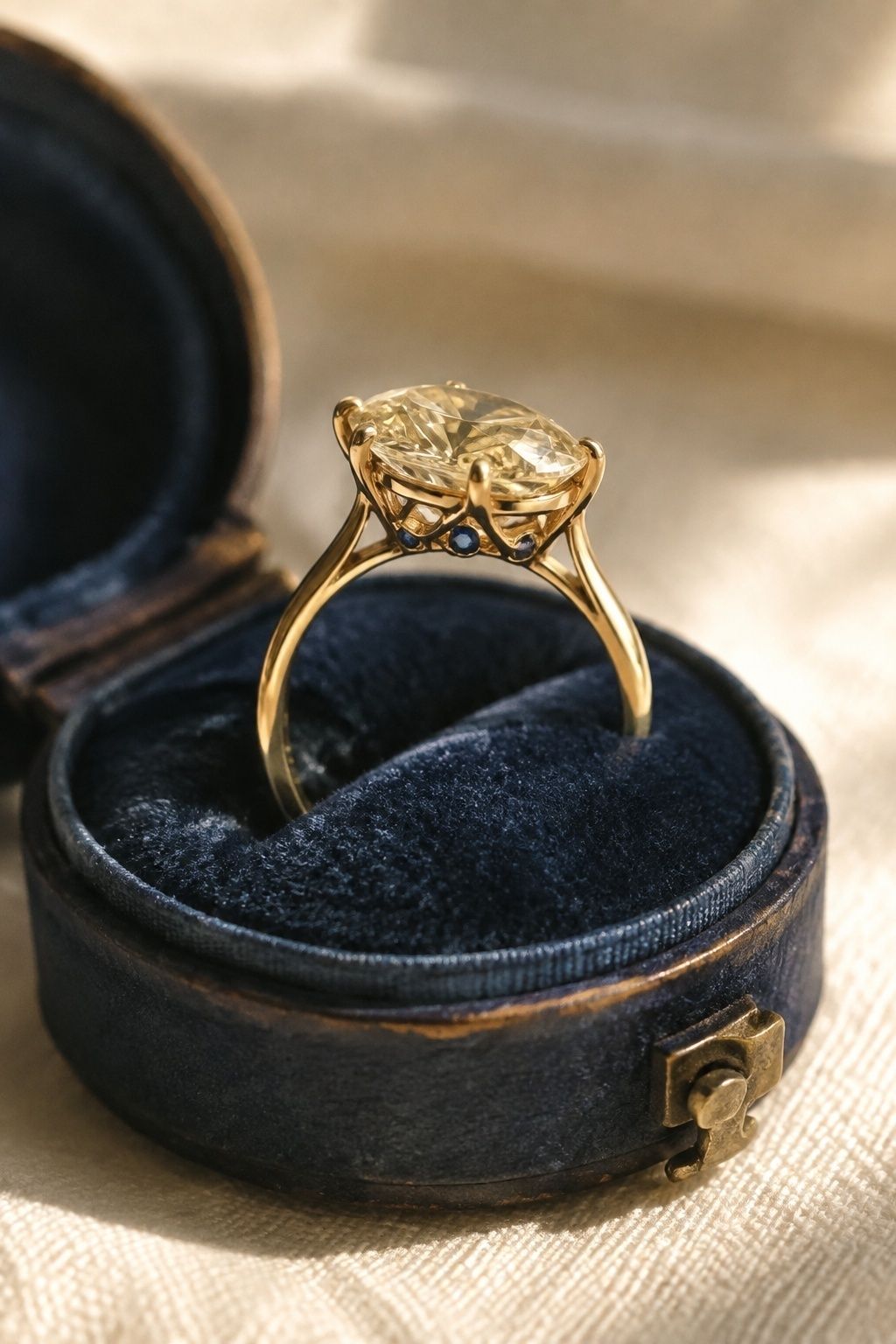
Champagne diamonds can handle colored accents, but the side color should never flatten the center. If you love a deeper contrast, keep the accent stones tiny or hidden so the champagne diamond remains the emotional focus.
Metal contrast follows the same rule: it should clarify the center, not compete with it. A deep blue stone in yellow gold has to solve that balance too, which is why scale and prong color matter so much (sapphire engagement rings).
Choose The Stone Story Before The Setting Style
Ask Whether The Diamond Is Natural, Lab-Grown, Or Treated

Champagne diamonds can be natural, lab-grown, or treated, and the answer should be clear before you fall in love with the setting. Lab-grown champagne diamonds may give you more control over size and budget, while natural stones often vary more from one diamond to the next.
Ask for grading details, treatment disclosure, return terms, and videos before committing. A romantic ring can still have paperwork; the documentation simply protects the part of the decision that emotion cannot check.
Match The Setting To Daily Wear, Not Just The Proposal Photo
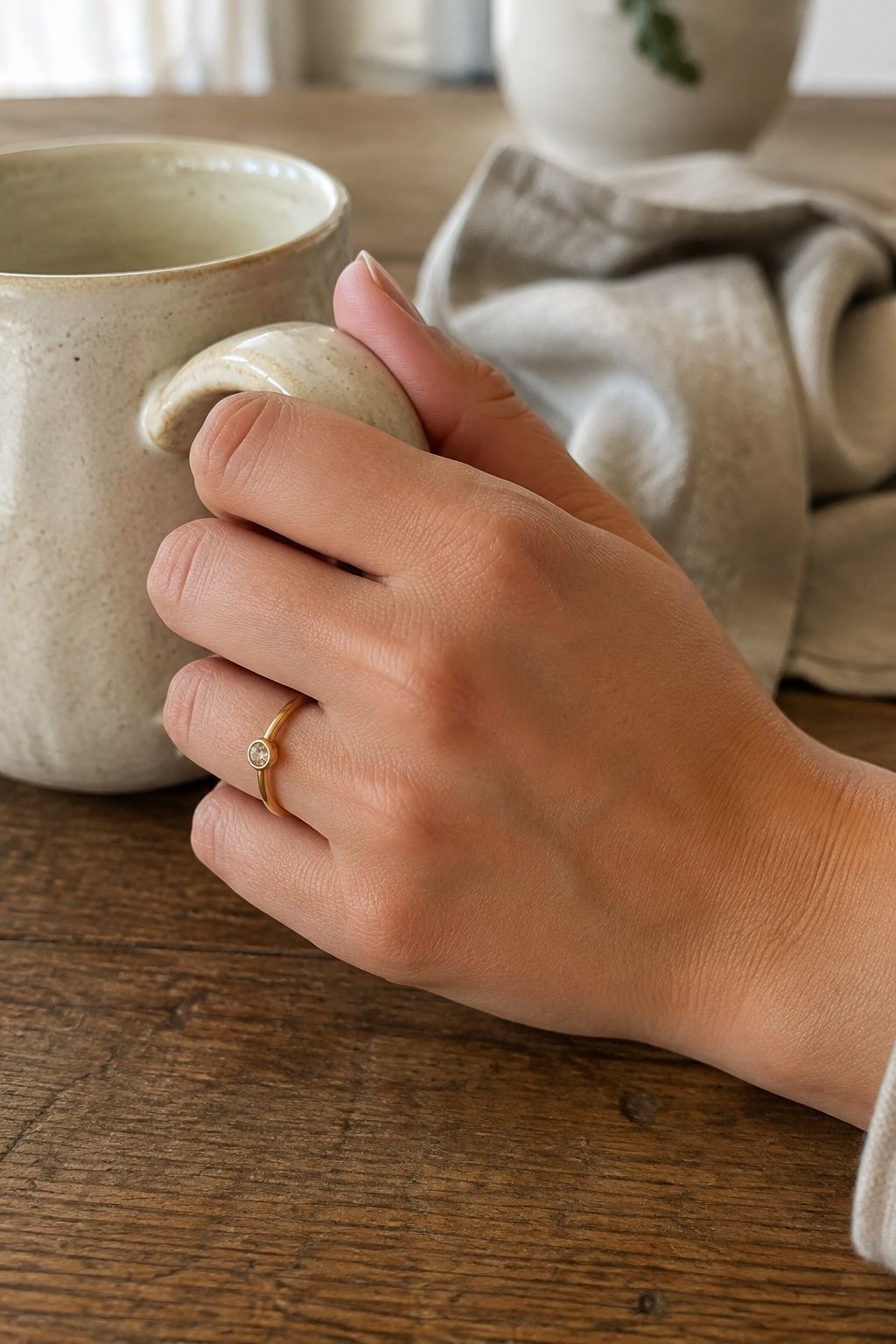
Solitaire settings, bezel settings, vintage settings, halo settings, and three-stone settings can all work for champagne diamonds. The better question is how the ring will feel while cooking, packing, working, traveling, and wearing a wedding band.
Low baskets, secure prongs, smooth bezels, and clean wedding-band fit usually matter more than extra decoration. A ring sizing kit helps with comfort decisions, while jewellery cleaning pens and travel ring boxes make the ring easier to care for during a wedding weekend.
Let One Private Detail Carry The Meaning
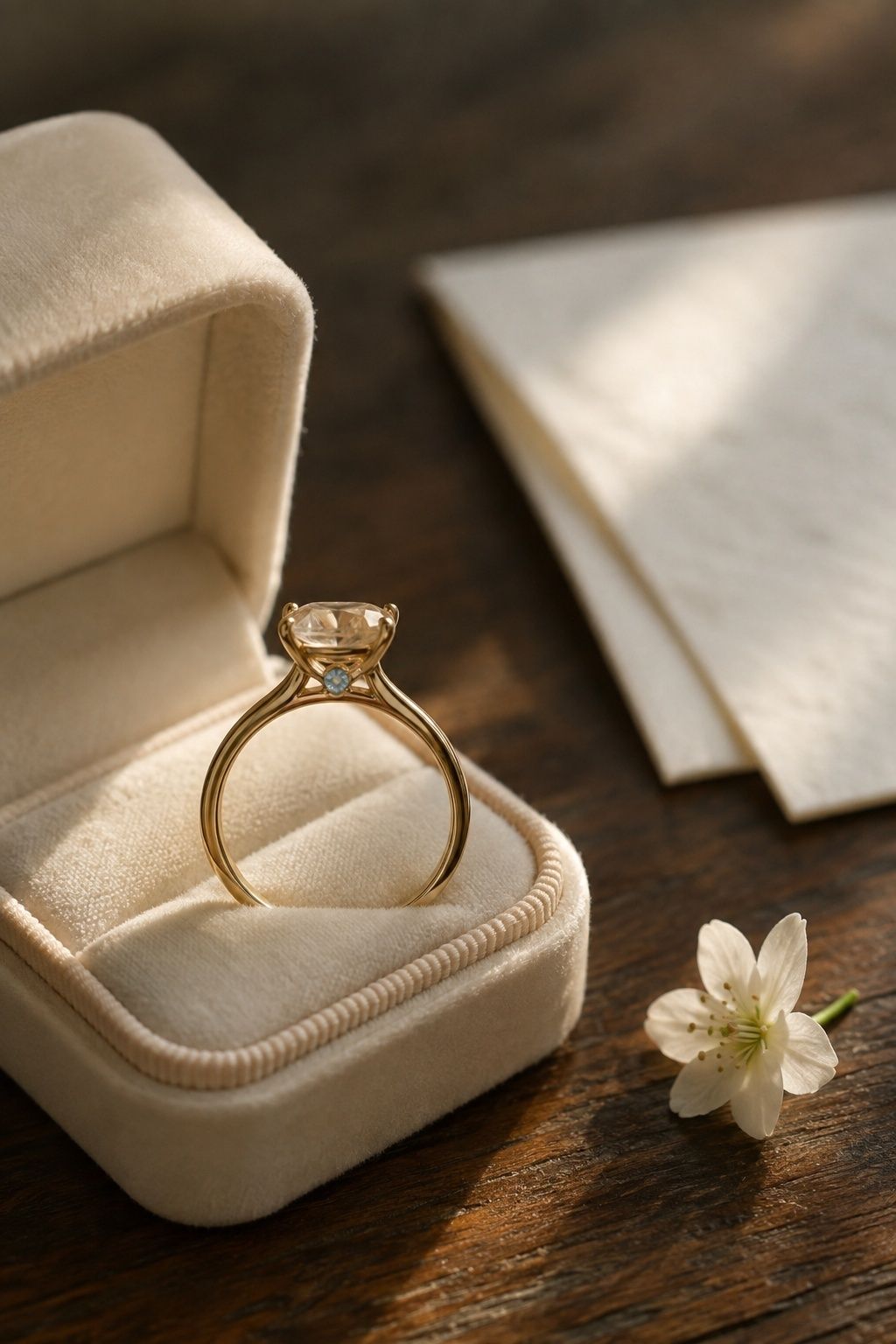
A champagne diamond already carries personality, so custom details can stay quiet. Consider an inside engraving, a hidden birthstone, a tiny family diamond in the gallery, or a band profile that feels good against your wedding ring.
The most elegant personal rings do not explain every detail at once. They give you something to notice when your hand is wrapped around a bouquet, a coffee cup, or your partner’s hand years after the wedding.
FAQ
Are champagne diamonds good for engagement rings?
Yes, champagne diamonds are good for engagement rings when the stone has attractive color, lively cut quality, clear disclosure, and a secure setting. They are real diamonds, so they can be durable for daily wear, but the warmth should be chosen carefully so it looks intentional and flattering.
What color is a champagne diamond?
A champagne diamond is a warm colored diamond that may appear pale beige, soft gold, honey, peach-gold, cognac, or brown-gold. The exact appearance depends on hue, tone, saturation, lighting, and the metal surrounding the stone.
What metal looks best with a champagne diamond?
Yellow gold often looks best with champagne diamonds because it supports their natural warmth, while rose gold can flatter peachy champagne stones and platinum can create crisp contrast. The best metal is the one that makes the diamond look warm, bright, and deliberate on your hand.
Are champagne diamonds less expensive than white diamonds?
Champagne diamonds are often less expensive than comparable white diamonds, though price depends on size, cut, clarity, origin, rarity, and whether the stone is natural, lab-grown, or treated. A beautiful champagne diamond can offer distinctive color without needing a larger carat weight to feel special.
What setting is best for a champagne diamond engagement ring?
The best setting for a champagne diamond engagement ring depends on the color depth and lifestyle. Solitaires, bezels, low halos, three-stone settings, vintage settings, yellow gold settings, rose gold settings, and mixed-metal settings can all work when the design supports the stone’s warmth and protects it for daily wear.
Do champagne diamonds sparkle like regular diamonds?
Champagne diamonds can sparkle like other diamonds when they are well cut, but their warmth changes the feeling of the sparkle. Instead of icy white brightness, they often give golden flashes, soft fire, and a more candlelit glow.
Final Thoughts
A champagne diamond engagement ring should feel personal before it feels trendy. Choose the shade that flatters your hand, the setting that protects the stone, and the metal that makes the warmth look intentional; then ask your jeweler to confirm cut, clarity, treatment disclosure, color description, and daily-wear comfort before the ring becomes part of your wedding-day photographs and everyday life (champagne diamond color language).
Last update on 2026-10-03 / Affiliate links / Images from Amazon Product Advertising API