

A sunset summer wedding timeline should work backward from the exact sunset time, place the ceremony one to two hours before sunset, reserve ten to twenty minutes for golden-hour portraits, and protect guests with shade, water, food, and lighting so the day stays beautiful without turning into a hot wait.
Planning a sunset summer wedding sounds simple until the light, heat, portraits, dinner, and guest comfort all start competing for the same hour. The goal is not to chase every perfect photo. The goal is to make the evening calm, romantic, and easy to attend.
Couples usually need a plan that balances glowing photos with shade, water, dinner timing, ceremony pacing, and clear transitions. Smaller celebrations can use that flexibility well because guest movement, family photos, and seating often take less time.

Recommended Wedding Products


You Might Also Like These Blog Posts
- September Wedding Photo Ideas for Golden Hour, Guest Warmth, and Early-Fall Color
- July Wedding Photo Ideas for Golden Hour Glow and Shade-Smart Moments
- Summer Wedding Photo Ideas for the Light You Wait All Day For
- Summer Wedding Centerpieces That Stay Fresh Through Dinner
- June Wedding Photo Ideas for Golden Hour, Garden Color, and Cool Shade
- Summer Wedding Ideas for a Day That Breathes
Sunset Summer Wedding Timeline Ideas That Keep the Day Flowing
Use these sunset summer wedding timeline ideas as timing decisions, not rigid rules. The best outdoor summer schedule works backward from light while still protecting ceremony comfort, cocktail hour, dinner service, and the moments guests actually experience.
Check the Exact Sunset Time Before Setting the Ceremony
Start with the actual sunset time for your date and location, then build the day backward. A sunset summer wedding timeline falls apart quickly when the ceremony is chosen because the invitation sounds pretty instead of because the light, heat, and dinner flow make sense.
Use the venue address, not the nearest big city, and check whether hills, trees, buildings, or coastline will hide the sun earlier. This is the quiet detail that separates useful sunset summer wedding timeline ideas from a generic hourly schedule.
Start the Ceremony One to Two Hours Before Sunset
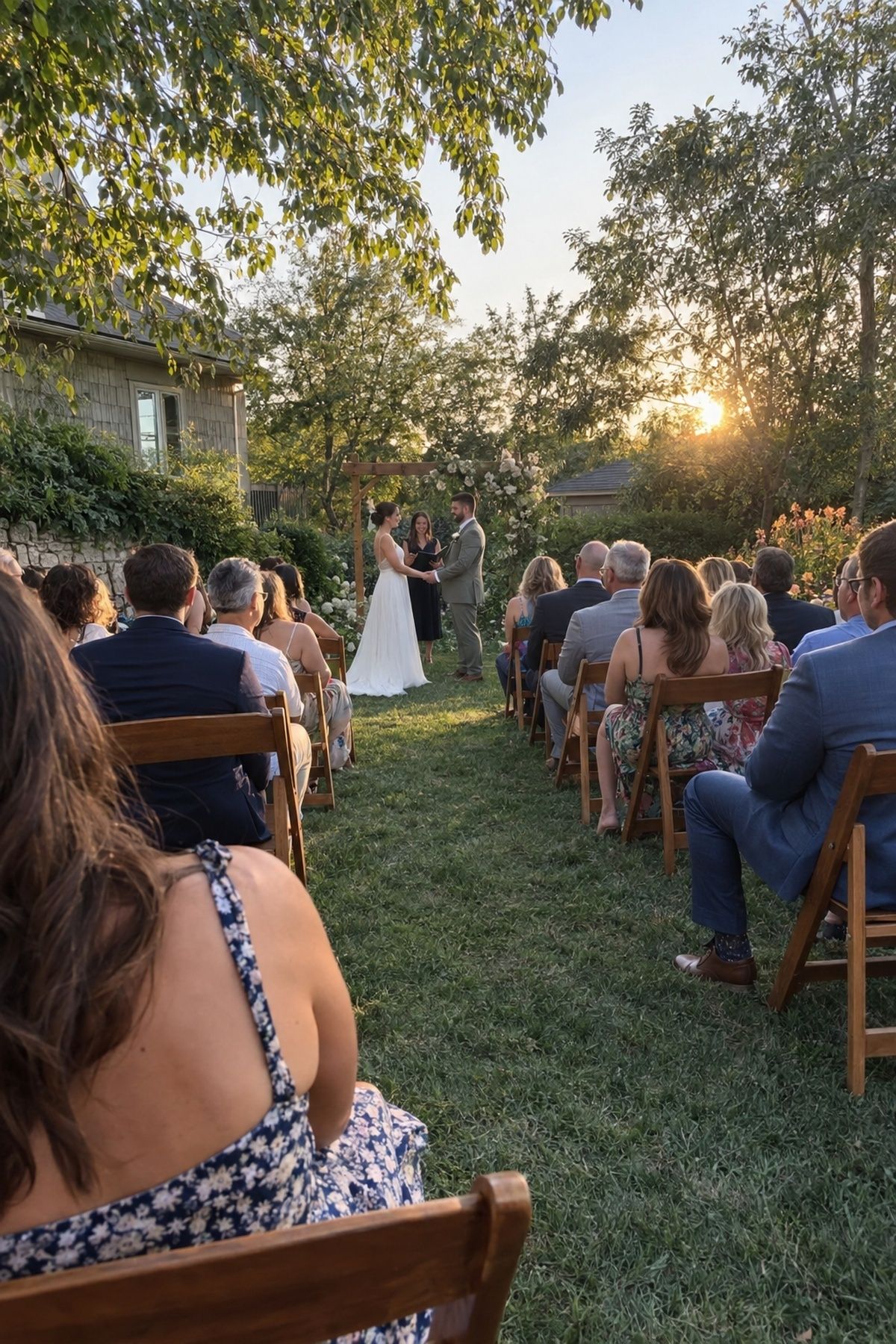
For most summer celebrations, the easiest summer wedding ceremony time is one to two hours before sunset. That window gives guests softer light, keeps the vows from landing in the harshest heat, and still leaves room for cocktail hour, family photos, and a short golden-hour portrait break.
A small wedding can usually sit closer to sunset than a large one because guest movement, family groupings, and dinner seating are faster. Still, do not cut it so close that a late shuttle or long processional steals your best light.
Use a First Look if You Want More Cocktail Hour Freedom
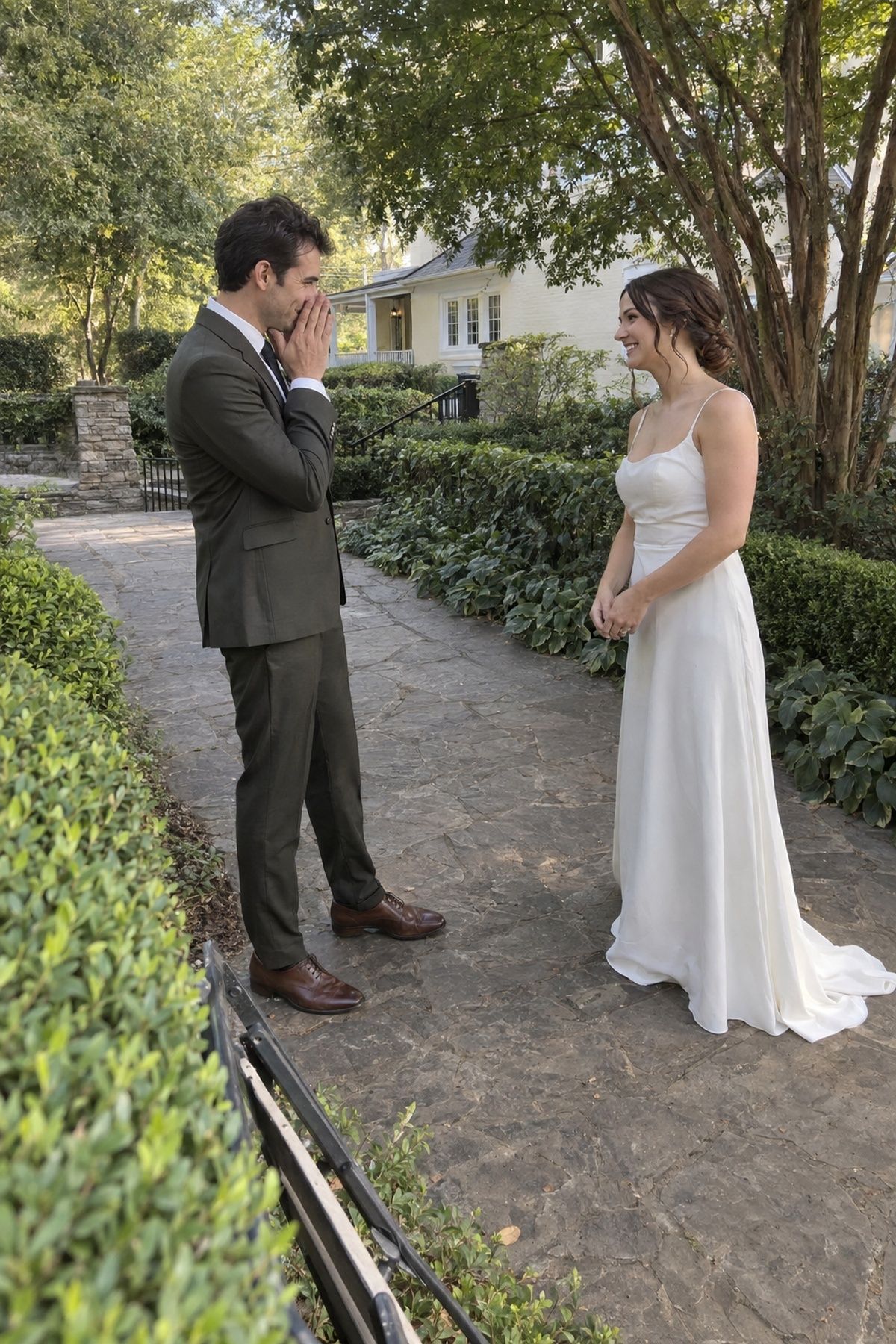
A first look is not required, but it can give the evening more breathing room. If couple portraits, wedding-party photos, and immediate-family photos happen before guests arrive, cocktail hour can stay social instead of turning into a long wait.
This is especially helpful for an intimate guest list, where the couple's absence is obvious. A first look lets you greet people, cool down, eat something, and still step away later for a focused golden-hour set.
Keep Midday Portraits Indoors or in Shade
Midday summer light can be bright, sweaty, and unflattering, so use it for getting-ready candids, details, flat lays, quiet family moments, or portraits near windows. Save outdoor portraits for shaded areas until the light softens.
This protects both photos and energy. A summer wedding photo timeline should not ask the couple, wedding party, or parents to stand in direct heat for long stretches before the ceremony even begins.
Build a Hair and Makeup Buffer
Hair and makeup delays are one of the easiest ways to crush a sunset plan. Add a real buffer before getting dressed, first look, or pre-ceremony photos so a slow curl set or extra touch-up does not steal ceremony breathing room.
For a small wedding, this buffer can disappear into the background while doing real work. It gives the morning a softer pace, keeps portraits from stacking up, and helps everyone arrive at the ceremony looking calm rather than overheated and rushed.
Finish Family Photos Before Guests Get Restless
Family photos need a list, a helper who knows names, and a firm stopping point. If the family-photo window runs into cocktail hour, guests can end up waiting in heat while the timeline tries to catch up.
Keep the formal groupings tight: parents, siblings, grandparents, wedding party if applicable, and any must-have combinations. Save informal extended-family photos for dinner or dancing when everyone is cooler and easier to find.
Offer Water Before the Ceremony Begins
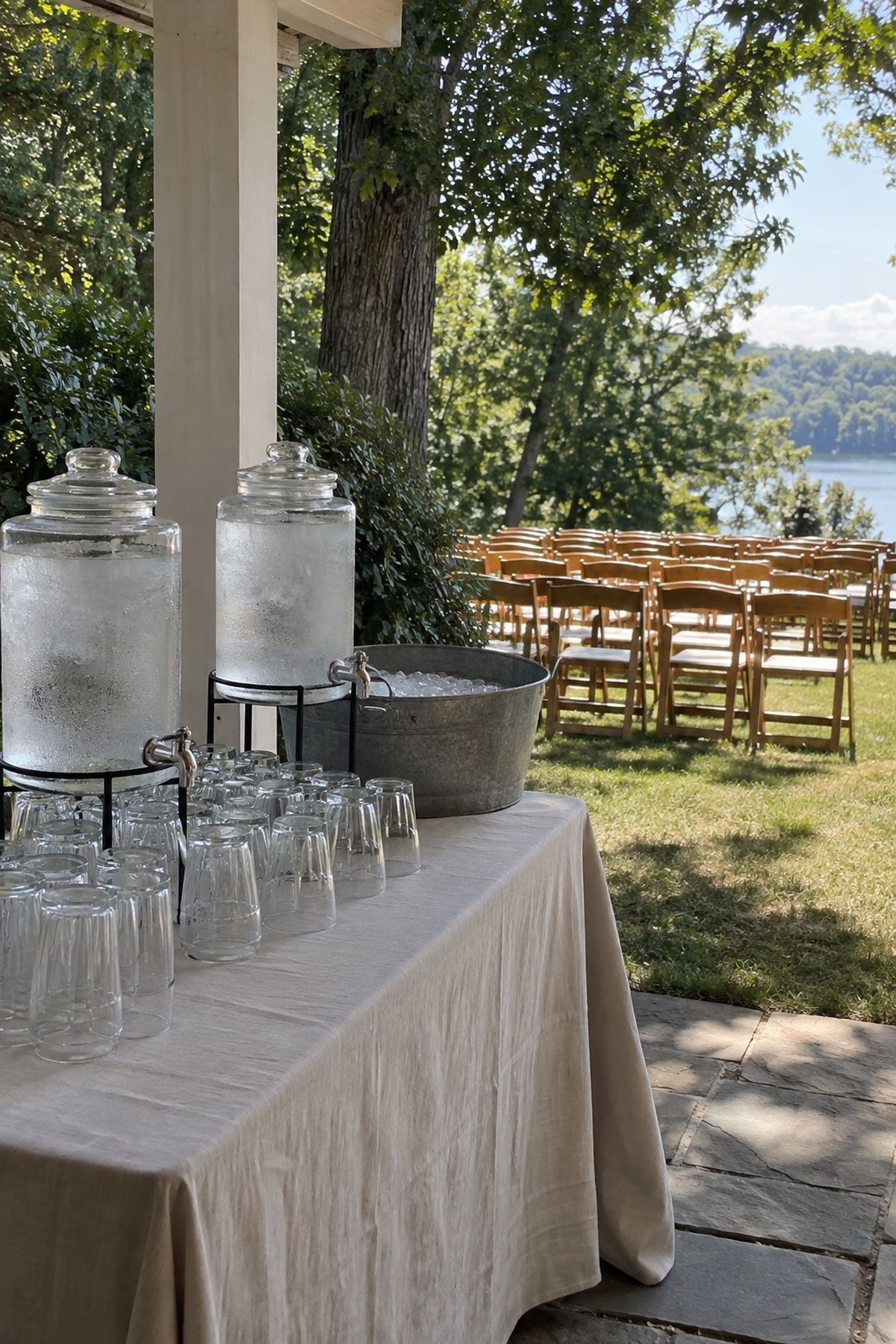
A sunset ceremony may be later than a traditional afternoon wedding, but summer heat can still be intense during arrival. Put cold water where guests naturally pass it, ideally before they reach the seats.
This makes guest comfort visible immediately. Water at arrival also reduces bar pressure during cocktail hour because guests are not starting the celebration already thirsty.
Put Guests in Shade During Arrival

Arrival often brings the toughest heat because guests are dressed up, unsure where to go, and waiting for the ceremony to begin. Shade matters before the vows, not only during cocktail hour.
Use trees, umbrellas, parasols, a porch, a tent edge, or an indoor holding space. If shade is limited, open seating later and keep guests gathered somewhere cooler until the ceremony is truly ready.
Keep the Ceremony Short in Hot Weather
A sunset ceremony can still drag if guests are overheated, facing the sun, or seated on metal chairs. Keep the ceremony meaningful but edited, with readings, music, and personal vows chosen carefully rather than stacked.
For many small weddings, a focused 15 to 25 minute ceremony gives the vows enough room. It protects the emotional center of the day while leaving the evening light, cocktail hour, dinner, and photos intact.
Plan Cocktail Hour While the Light Softens

Cocktail hour is the bridge between strong summer light and the softer glow couples usually want. Use it for drinks, shade, passed bites, a few family photos if needed, and a chance for guests to settle before dinner.
The reception runs more smoothly when cocktail hour has its own comfort plan: water, shade, seating, fans, and a clear route to dinner. The couple can then step away briefly without leaving the room adrift.
Save Ten to Twenty Minutes for Golden Hour Portraits
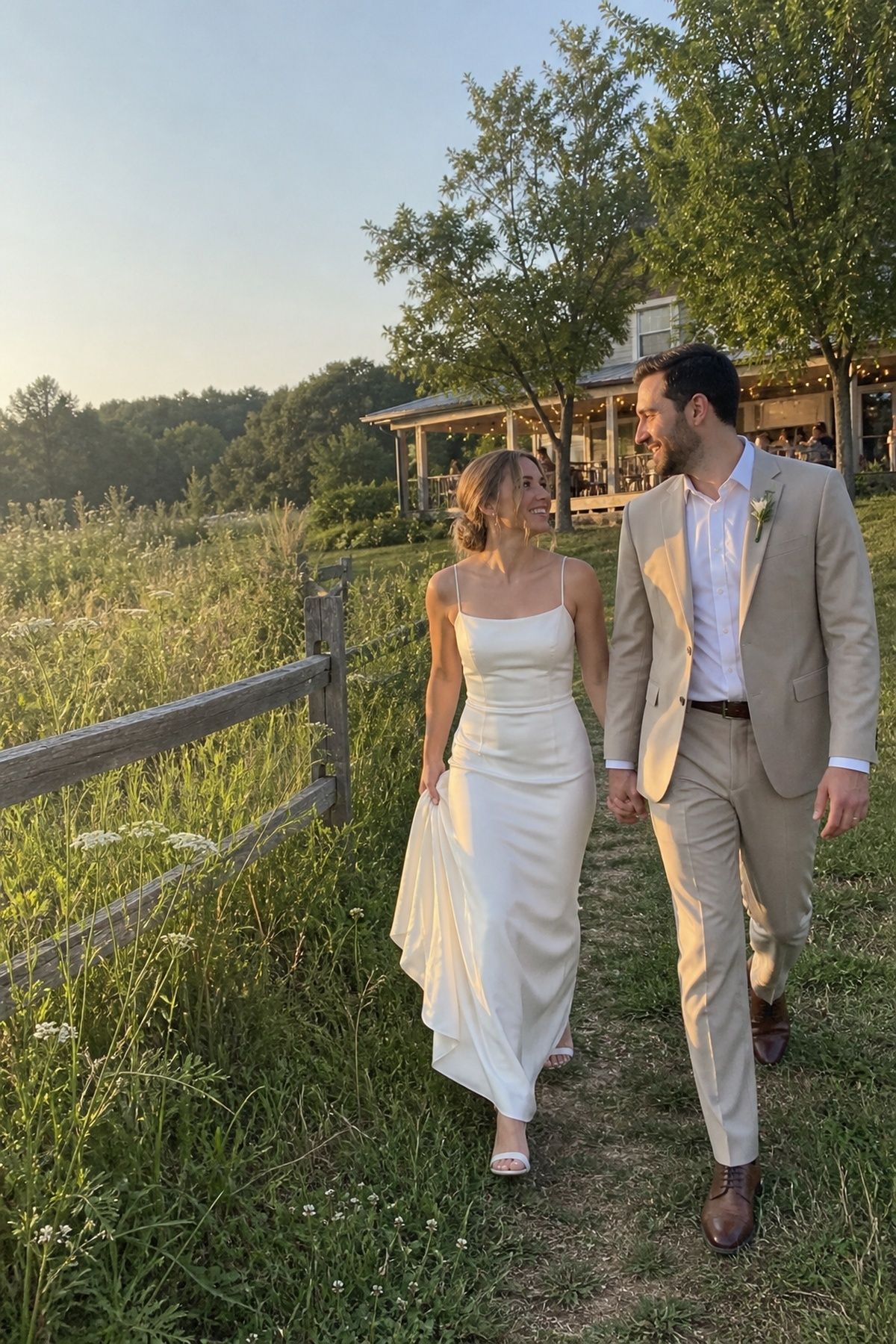
You do not need to disappear for an hour to get golden-hour photos. Ten to twenty focused minutes with a clear location, photographer plan, and transportation solved can be enough for portraits with glow, ease, and variety.
Build this into the summer golden hour wedding timeline as a protected pause, not a hopeful maybe. Tell the caterer and planner so plates, toasts, and announcements do not collide with the light.
Do Not Let Portraits Push Dinner Too Late
Golden hour matters, but hungry guests matter more. If sunset is late in summer, dinner may need to begin before the final portrait window, or portraits may need to happen between courses, before grand entrance, or immediately after ceremony.
This is where sunset planning needs judgment. A beautiful photo plan that leaves guests waiting too long can strain the reception before it has properly begun.
Schedule Toasts After Guests Have Food or Drinks
Toasts often land better once guests have at least a drink and something small to eat. In hot weather, avoid asking everyone to sit through long speeches immediately after an outdoor ceremony without refreshment.
For intimate weddings, consider one welcome toast at dinner and shorter personal speeches later. This keeps the schedule personal without turning the first hour of the reception into another seated ceremony.
Use Sunset as the Transition Into Dancing
Sunset can become a natural mood shift instead of a photo deadline. As the sky changes, move from dinner into first dance, parent dances, open dancing, lounge time, or dessert.
This gives the wedding day a clear evening rhythm. The light does part of the hosting work, and guests understand the change in energy without needing a loud announcement every few minutes.
Add Path Lighting Before It Gets Dark
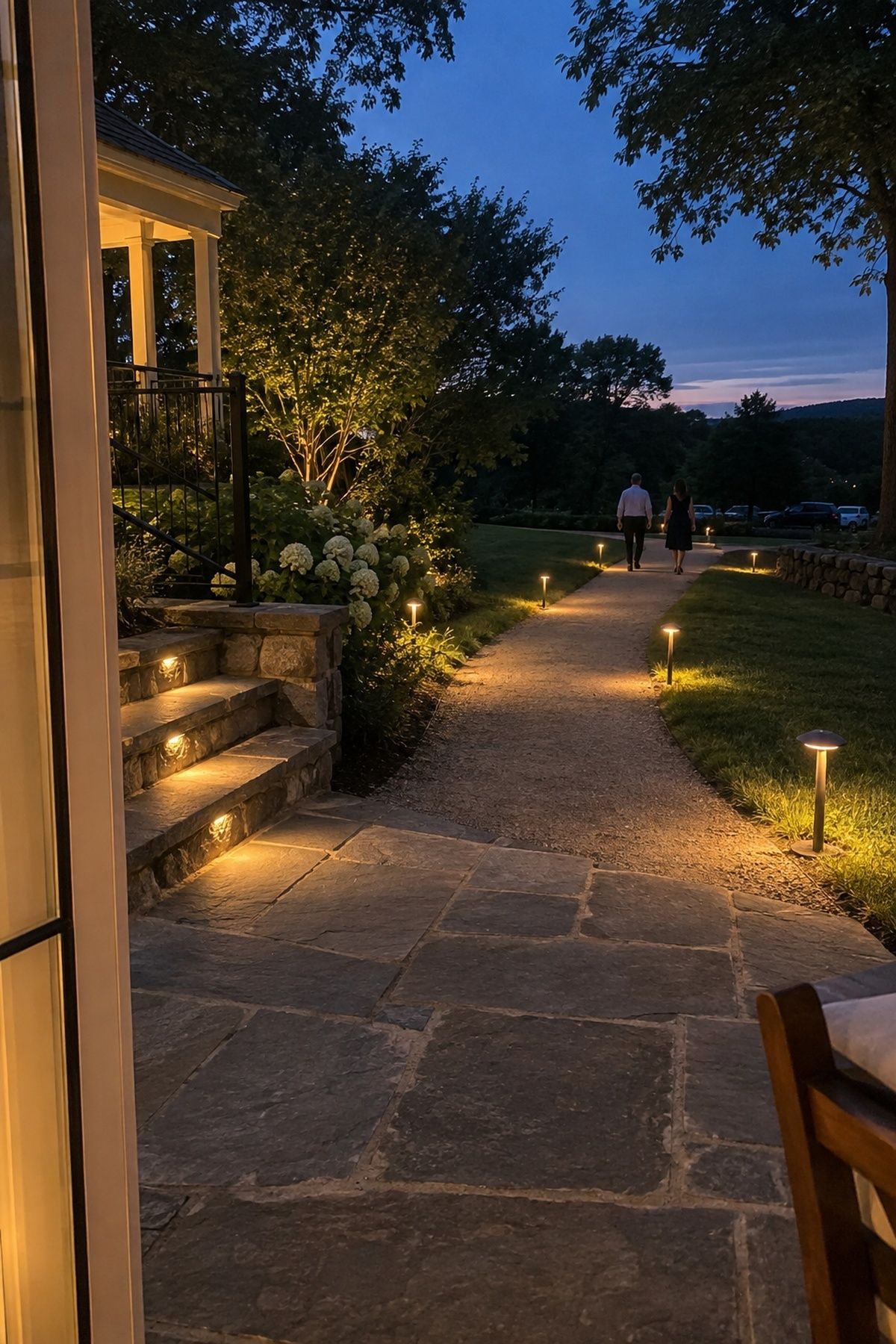
If guests will move between ceremony, cocktail hour, dinner, restrooms, parking, or dancing after sunset, lighting belongs in the timeline. It needs to be installed and tested before the light drops.
Small lights along paths, steps, lawn edges, and bar routes can prevent confusion later. They also make the final hours of the reception look planned instead of improvised.
Plan a Cool-Down Moment After Outdoor Photos
Outdoor portraits can overheat everyone quickly, even near sunset. Build in five minutes for water, blotting, bustle checks, makeup touch-ups, and a breath before entrances, dinner, or dances.
This is not wasted time. It keeps the couple from carrying heat stress into the reception and helps the rest of the evening unfold gracefully rather than as a photo-driven rush.
Give Vendors the Final Timeline Early
A sunset timeline depends on coordination. Share the final version with the photographer, planner, caterer, DJ, officiant, hair and makeup team, transportation contact, venue manager, and anyone managing family photos.
Mark the true sunset, ceremony start, guest arrival, portrait windows, dinner service, toasts, and lighting cues. When vendors see the same map, small timing choices do not become large delays.
Build a Weather Backup Into the Timeline
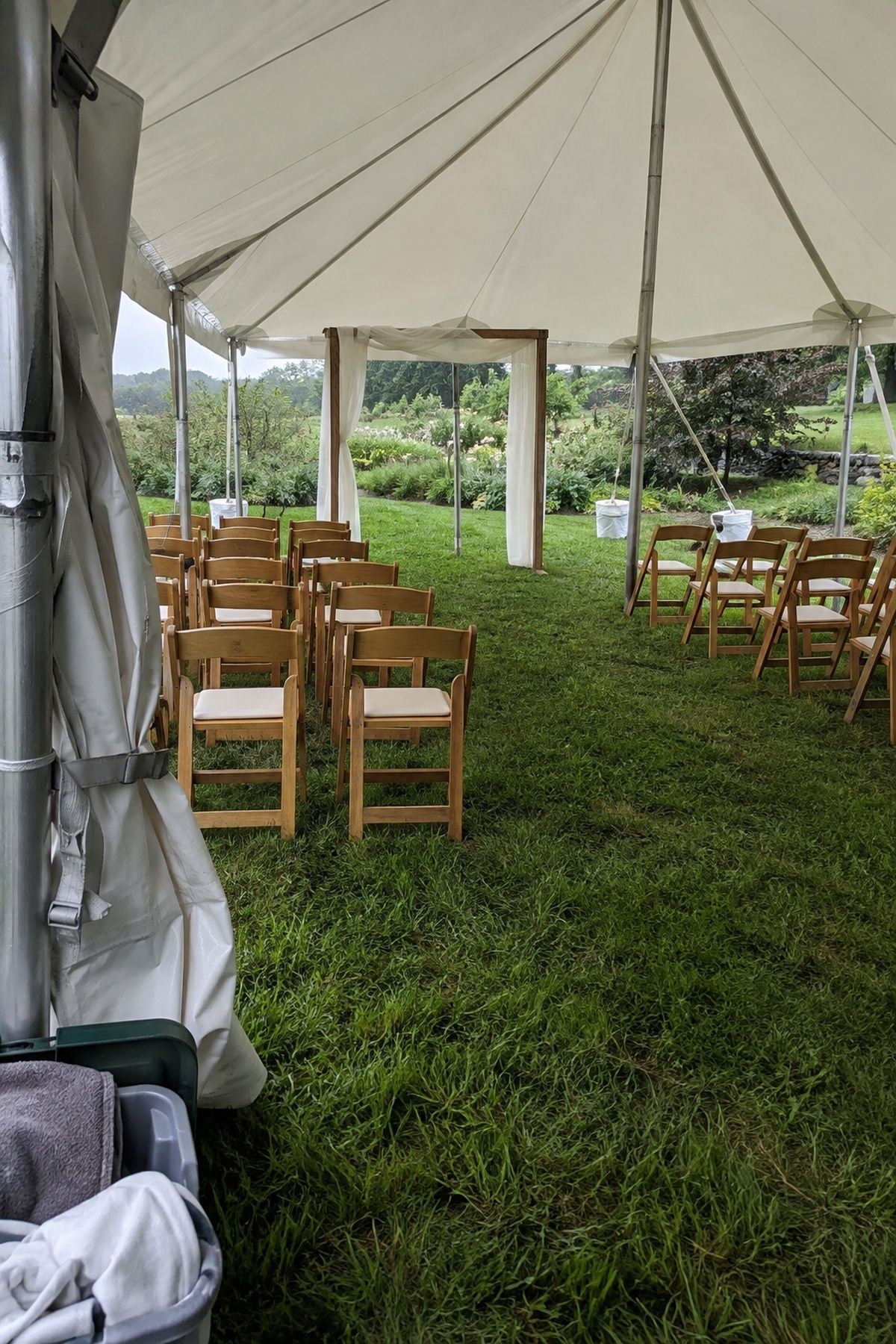
Summer weather can change the light, temperature, and guest plan quickly. Have an indoor, tented, shaded, or covered version of the ceremony and portrait timeline ready before the week of the wedding.
The backup should still protect the spirit of the day. If clouds soften the light or heat becomes intense, the best sunset summer wedding timeline is the one that can adapt while keeping guests central.
Sample Sunset Timeline Logic for a Small Wedding
A small summer wedding timeline gives you more flexibility, but only if you use that flexibility intentionally. Fewer guests can mean faster seating, fewer formal photos, shorter travel paths, and more room for a personal pace.
Work Backward From Sunset, Not From Getting Ready
The core timeline should begin with sunset, then move backward through golden-hour portraits, dinner, cocktail hour, ceremony, guest arrival, pre-ceremony photos, getting dressed, and hair and makeup. This keeps the day anchored to the thing that actually has a deadline.
Once the evening is protected, the morning can become more realistic. You can decide whether a first look is needed, whether family photos belong before ceremony, and how much travel time can fit without squeezing guests.
Shorten Family Photos With a Tight Shot List
Small weddings usually need fewer formal combinations, but they can still lose time if no one knows the list. Decide the must-have groups in advance and assign one person to gather people.
A tighter list gives more space to the parts guests experience directly: a comfortable ceremony, a real cocktail hour, dinner on time, and a couple who is present instead of trapped in portraits.
Keep Travel Between Spaces Minimal
A timeline that looks easy on paper can fail when the ceremony, portrait location, cocktail space, dinner tent, restrooms, and parking are far apart. Every move takes longer in formal clothes and summer heat.
Choose nearby portrait spots when possible. The less travel the day requires, the smoother the sunset timing becomes for guests, vendors, and the couple.
Protect Dinner Timing Above Extra Portraits
Dinner is the anchor that keeps a late-summer wedding from becoming a long wait. If you are deciding between another photo location and hot food served on time, choose the guest experience.
You can still get beautiful portraits with a compact golden-hour plan. What you cannot easily recover is the mood of a room that has been hungry, overheated, and unsure what happens next.
Think of the timeline as a hosting plan first and a photo plan second. When guests have shade, water, direction, food, and enough light to move safely, the whole wedding becomes more generous. The photos then become part of a good evening instead of the reason everyone waits.
FAQ
What time should a summer wedding ceremony start for sunset photos?
A good starting point is one to two hours before the published sunset, then adjust for heat, shade, ceremony length, and how many portraits still need to happen. If you are having a first look and most photos are finished early, you can sit closer to sunset. If all family photos happen after the ceremony, start earlier so guests are not waiting too long.
How do you build a wedding timeline around sunset?
Build the timeline backward from sunset. Mark golden-hour portraits first, then dinner, cocktail hour, ceremony, guest arrival, pre-ceremony photos, getting dressed, and hair and makeup. Add buffers around travel, family photos, and vendor transitions. This keeps the evening light protected while making sure food, shade, water, and guest movement stay realistic.
Should you do a first look for a sunset summer wedding?
A first look is useful if you want more portraits done before guests arrive or if sunset falls close to dinner. It can smooth the reception because cocktail hour does not become one long photo break. It is less necessary when the guest list is tiny, family photos are simple, and the couple wants the aisle moment untouched.
How do you keep guests comfortable before a summer sunset ceremony?
Give guests shade, cold water, clear arrival timing, and a ceremony start that does not make them sit too long in direct sun. Open seating close to the actual start, use fans or parasols if they fit the setting, and keep the ceremony focused. Comfort before the ceremony sets the mood for the whole evening.
When should dinner start for a sunset summer wedding?
Dinner should start before guests become hungry or restless, even if that means portraits happen before dinner, between courses, or in a shorter window. For many sunset summer weddings, cocktail hour should lead naturally into dinner rather than stretch around photos. If sunset is very late, serve food first and step out briefly for portraits.
How much time do you need for golden hour portraits?
Plan ten to twenty minutes for focused golden-hour portraits, plus a little movement time if the photo spot is not beside the reception. A short protected window is usually better than a vague long break. Tell the caterer, planner, photographer, and DJ exactly when it happens so dinner, toasts, and announcements do not interrupt it.
Final Thoughts
A sunset summer wedding timeline works best when the light supports the day instead of controlling it. Check the sunset, keep the ceremony comfortable, focus the portrait window, serve dinner before guests fade, and prioritize ceremony timing around sunset.
Last update on 2026-10-04 / Affiliate links / Images from Amazon Product Advertising API