
Personalized cocktails ideas work best when the bar feels personal and still runs smoothly: choose drinks by service speed, glassware, color, ice, garnish durability, menu clarity, zero-proof parity, and the way each pour fits dinner, toasts, photos, and dancing.
A small wedding bar has less room for delay, clutter, and confusing choices. Guests reach the bar close together, the bartender often works from a compact station, and every drink lands in photos, on dinner tables, or in someone’s hand during a toast.
That is where personalization gets practical. The right cocktail is not just a clever name. It is a drink your team pours quickly, labels clearly, garnishes reliably, serves safely, and repeats without losing the feeling you wanted.

Recommended Wedding Products

No products found.


You Might Also Like These Blog Posts
- Spring Wedding Menu Ideas That Taste Like Longer Days
- Summer Wedding Menu Ideas That Taste Like the Season
- Fall Wedding Cake Ideas That Taste Like the Season
- Restaurant Micro Wedding Ideas For A Full, Warm Room
- Small Wedding Checklist Under 50 Guests For A Day That Runs Smoothly
- Speakeasy Lounge Wedding Ideas For A Secret Little Celebration
Personalized Cocktails Ideas
Build the bar from the guest’s path through the reception. Decide what they see on the sign, how fast they order, how the drink looks in photos, where the glass sits during dinner, and whether the bartender has enough ice, space, and prep time to repeat the pour cleanly.
For a small wedding, personalization works best as an editing system. Choose the drink for the moment it serves, then add the personal detail only after the drink clears the practical test.
Welcome Pour With A Short Menu Line
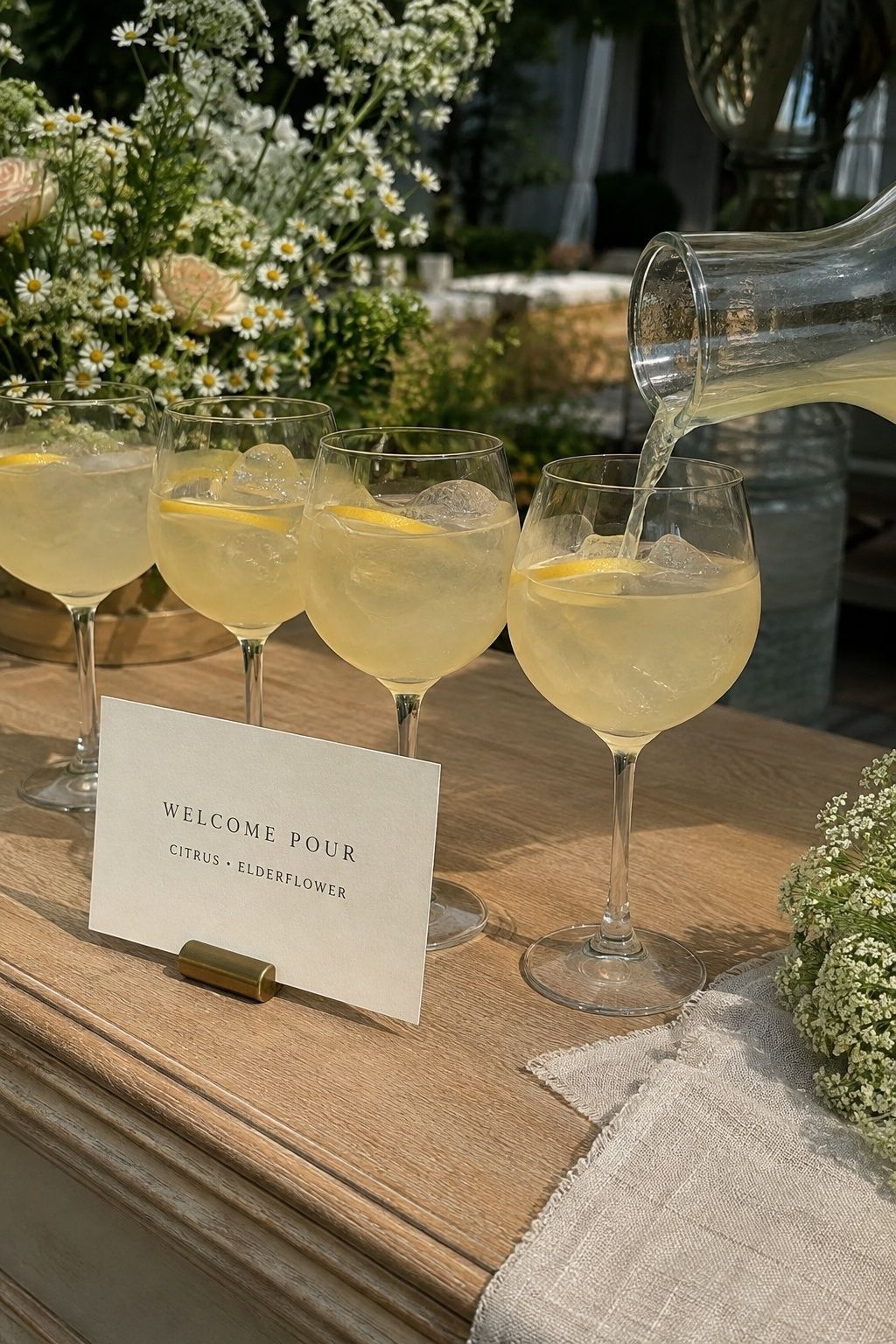
A welcome pour should be the fastest drink on the menu. Give it a name under four words, one flavor phrase, and a clear alcohol or zero-proof label so guests order without a long bar conversation.
This is the right place for the easiest personalized detail: a color from the wedding palette, a garnish that matches the season, or a tiny phrase from the invitation suite.
Photo-Friendly Cocktail Color

Drink color matters at an intimate reception because glasses appear in close table photos, flat lays, and candid toast images. Choose a shade that looks clean beside linens, flowers, and skin tones.
Avoid murky mixes, heavy foam, and deep red drinks near pale dresses or light upholstery. A soft gold, clear blush, pale green, or tea-colored pour often photographs better than a dramatic glass that stains easily.
Fast-Pour Cocktail Hour Drink
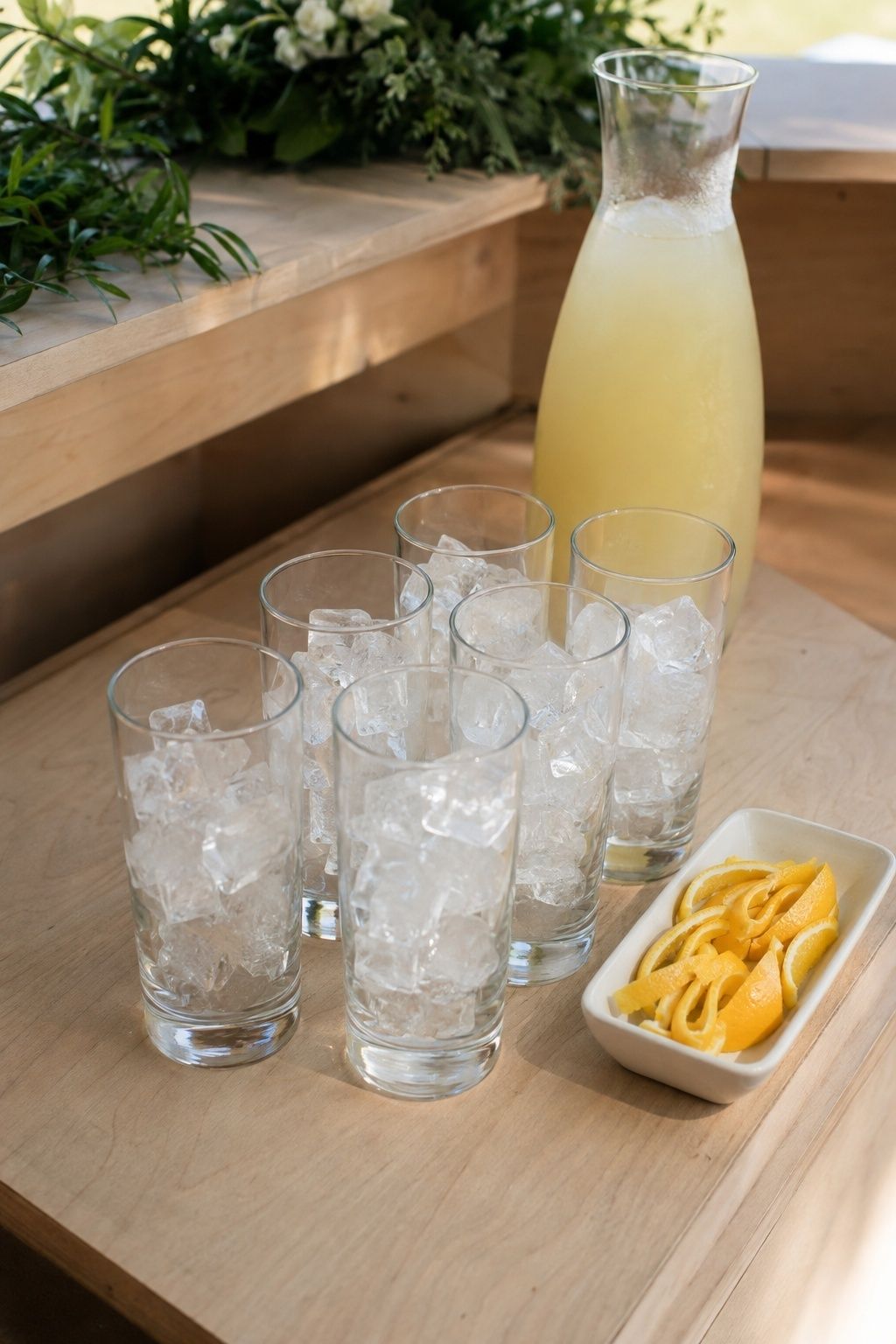
Cocktail hour needs speed more than theater. Choose a drink that uses few motions, holds its flavor over ice, and moves from order to handoff without muddling, smoke, fragile foam, or complicated garnish work.
Ask the bartender to time one round for ten guests. That number tells you more about the menu than the prettiest sample glass at a quiet tasting.
Dinner-Pairing Cocktail
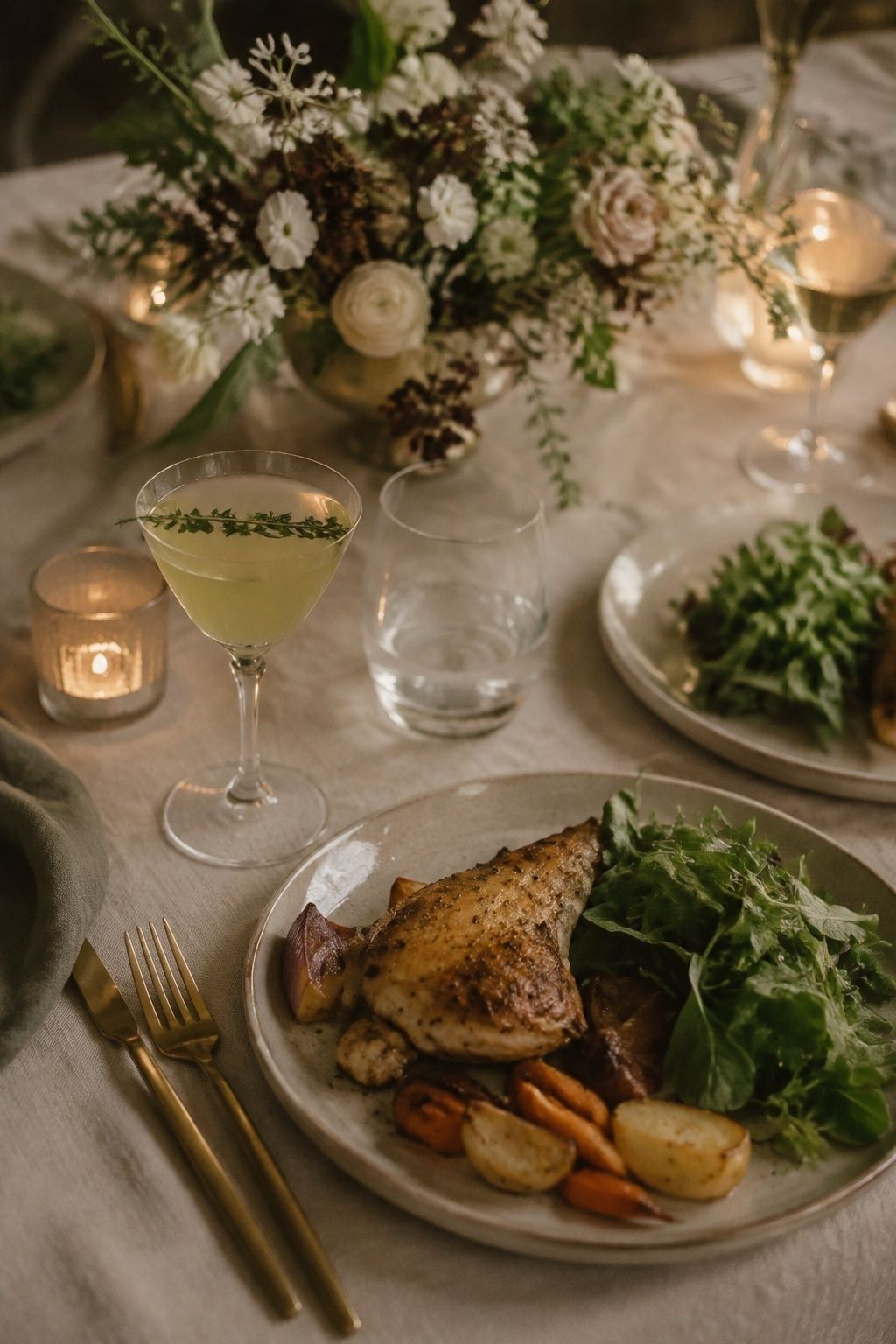
A dinner-pairing cocktail should respect the meal instead of competing with it. Keep sweetness controlled, acidity clean, and aromatics soft enough for guests seated close together.
Bring the caterer into this decision. A drink that tastes lovely alone may feel too sharp with salad, too sweet with barbecue, or too heavy beside a creamy main course.
Toast-Sized Champagne Cocktail
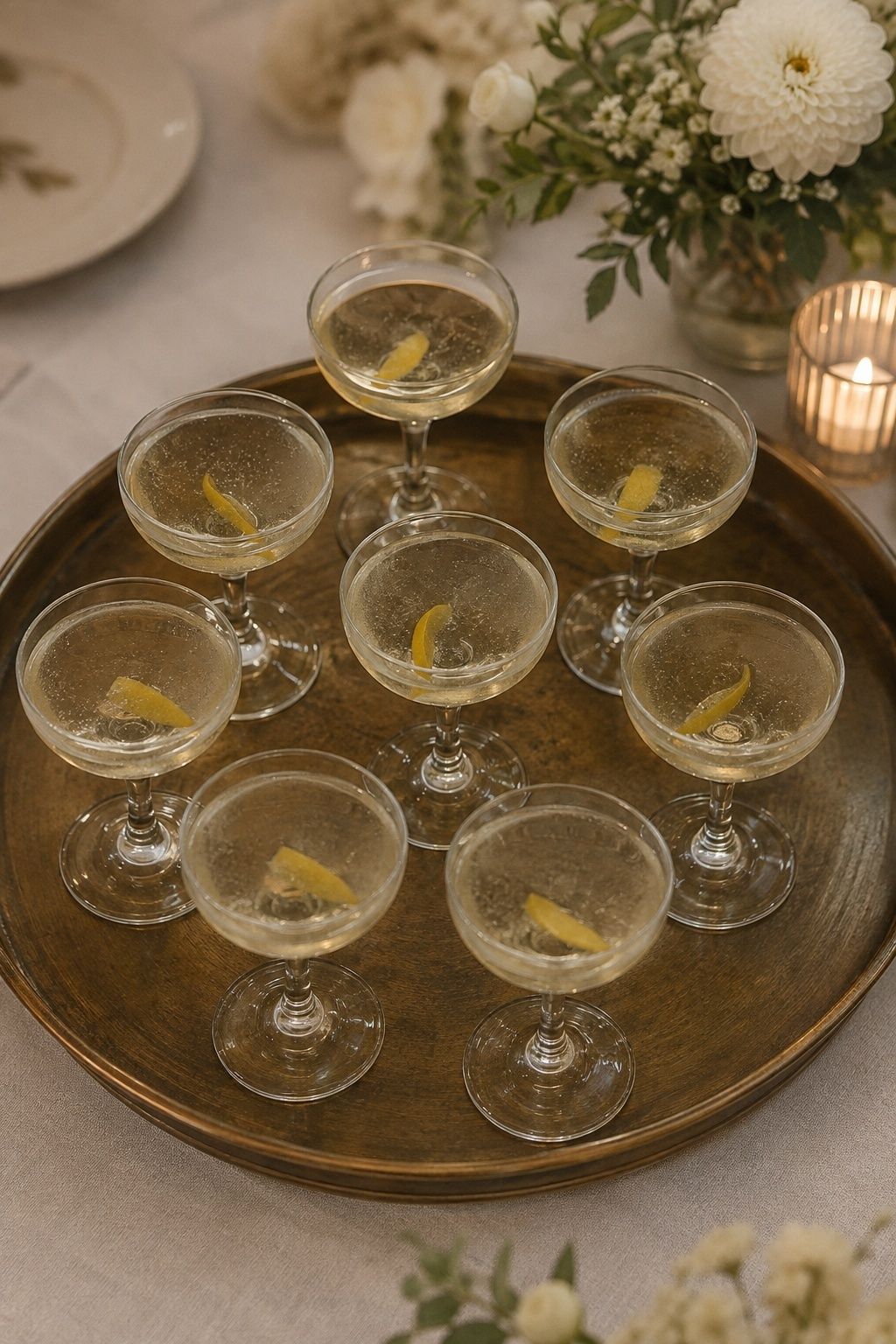
A toast drink does not need a full cocktail pour. A smaller champagne cocktail keeps the moment elegant, reduces waste, and helps guests finish the toast before dinner service begins.
Confirm glass count, tray timing, and pour location before the wedding day. At a small reception, one delayed tray stands out quickly.
Outdoor Heat Cocktail

An outdoor drink needs a warmer-weather test. Let the sample sit for five minutes, then taste it again after dilution and temperature shift.
Choose sturdy ice, avoid dairy in direct heat, and keep delicate herbs away from long sun exposure. The personal garnish should still look fresh when the drink reaches the table.
Indoor Lounge Cocktail
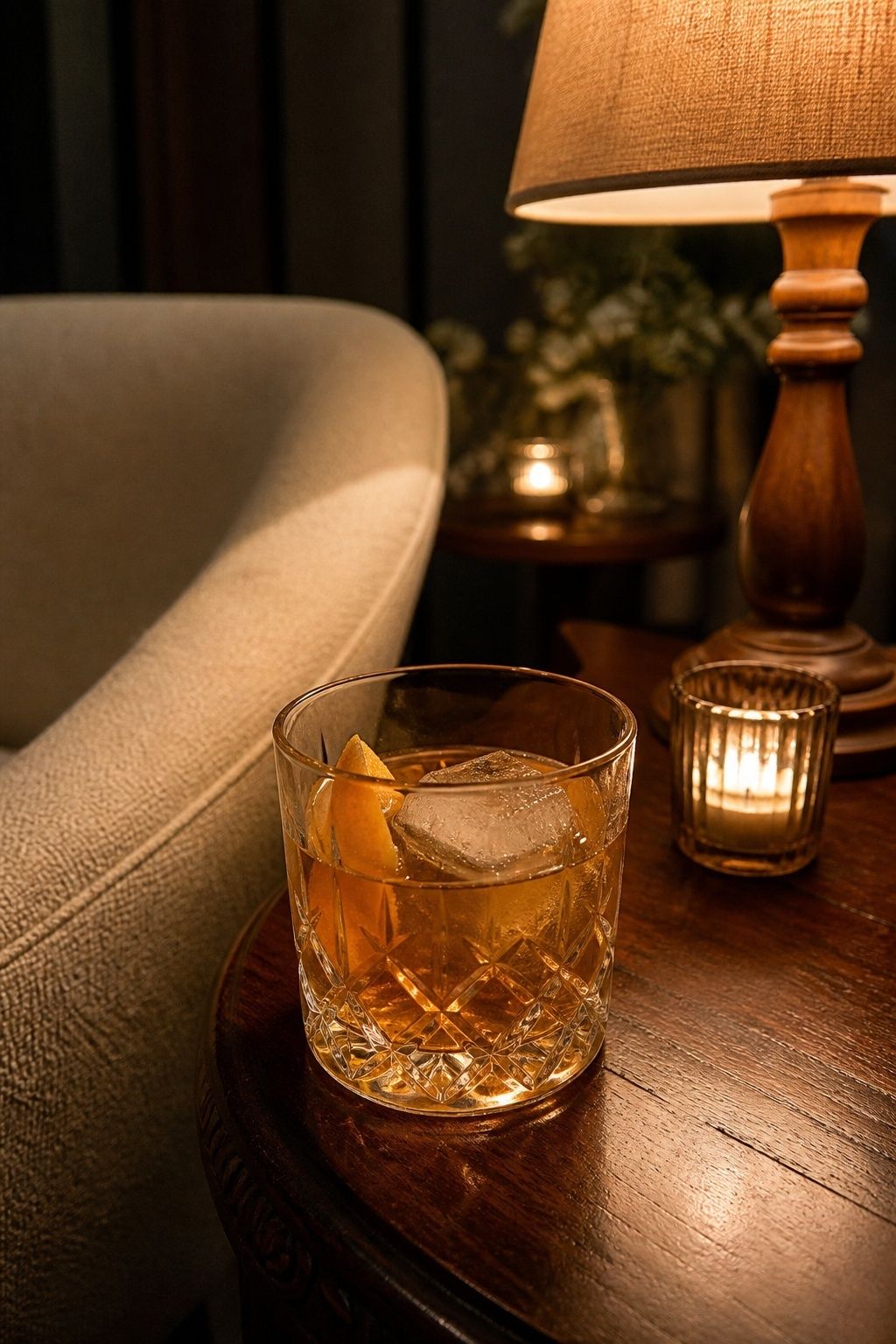
An indoor lounge cocktail suits later evening, lower light, and slower conversation. Keep the pour measured, the glass stable, and the aroma gentle enough for guests sitting close in a small room.
This drink often feels more personal through texture and pacing than through a busy name. Think calm, polished, and easy to hold while moving between tables.
Low-Stain Cocktail For Light Fabrics

Light suits, pale dresses, cream linens, and rented lounge furniture deserve a low-stain drink option. Skip deeply pigmented juices, sticky syrups, and garnishes that drip color down the side of the glass.
This choice is especially useful for private dining rooms and homes, where a spill lands inches from the couple’s closest people and the photos capture every table detail.
Glassware-Smart Cocktail
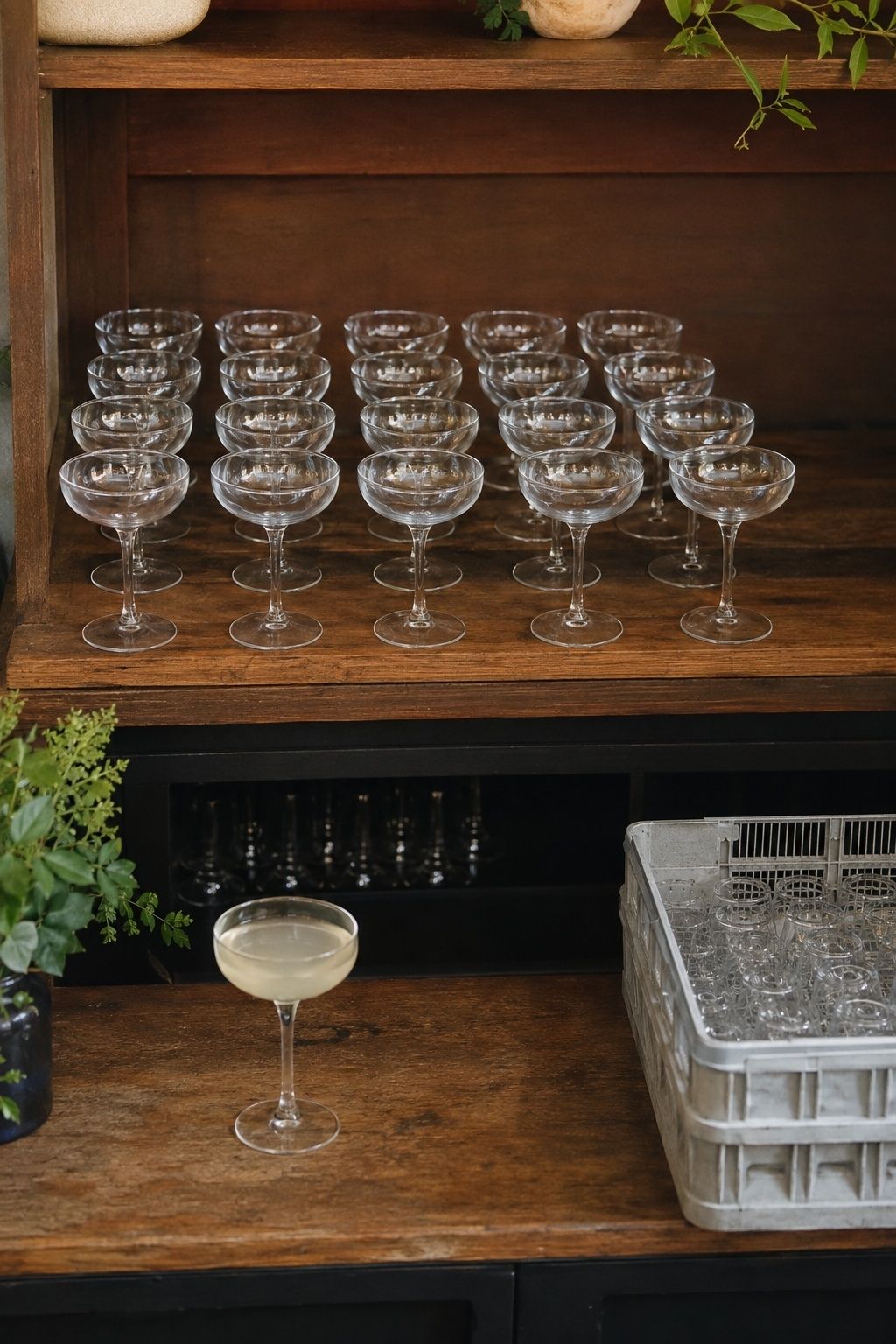
Choose a cocktail your venue already has enough glasses to serve well. A beautiful coupe plan falls apart if the venue owns twenty coupes and your guest count is forty.
Ask about glass count, washing rhythm, breakage backup, tray fit, and whether the same glass is needed for the toast. Glassware constraints often decide the most graceful drink.
Garnish-Durable Cocktail
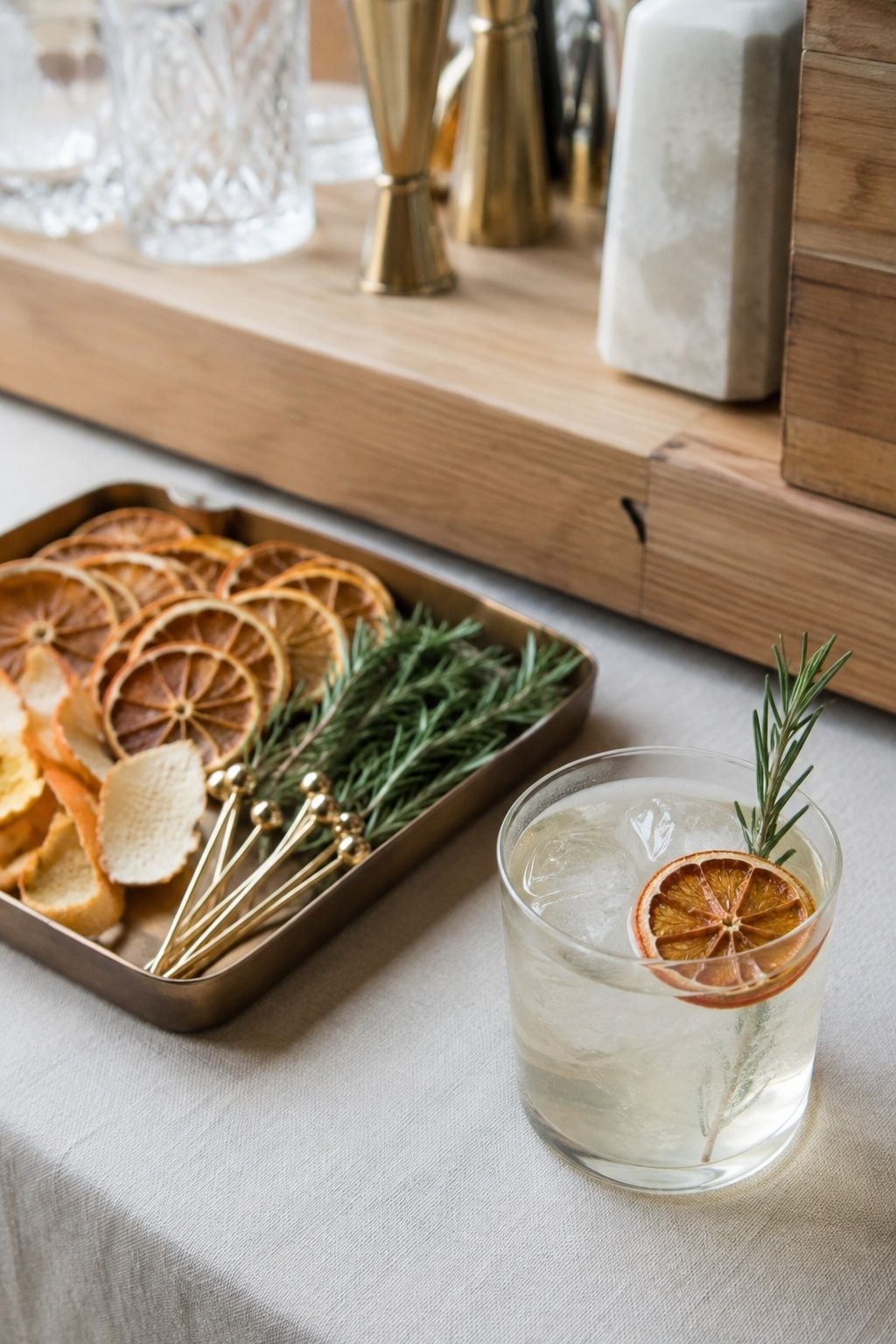
A personalized garnish should survive the actual reception. Dried citrus, sturdy herbs, clean peels, and simple picks usually hold up better than delicate flowers or wet fruit left out too long.
Plan who preps the garnish, where it sits, and when it gets added. A tiny detail becomes frustrating when it steals space from the bartender’s working area.
Base-Spirit Balance
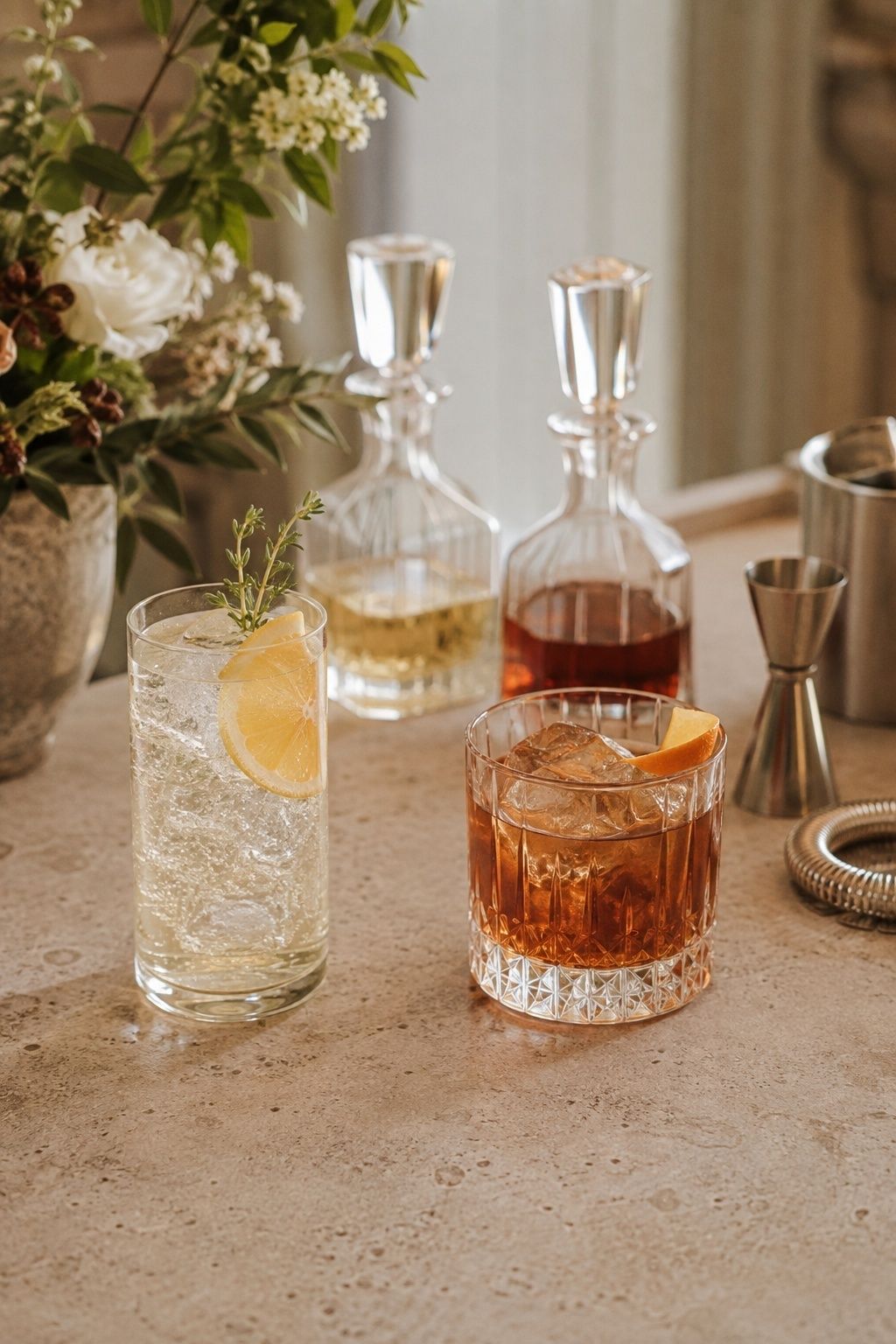
A compact bar menu should not lean entirely on one base spirit unless your guests strongly prefer it. Balance one lighter option with one deeper option, or pair a citrus-forward drink with something smoother.
This keeps the menu personal without trapping guests in a flavor profile they dislike. It also helps the bartender manage bottles, backups, and speed.
Prep-Space Friendly Cocktail
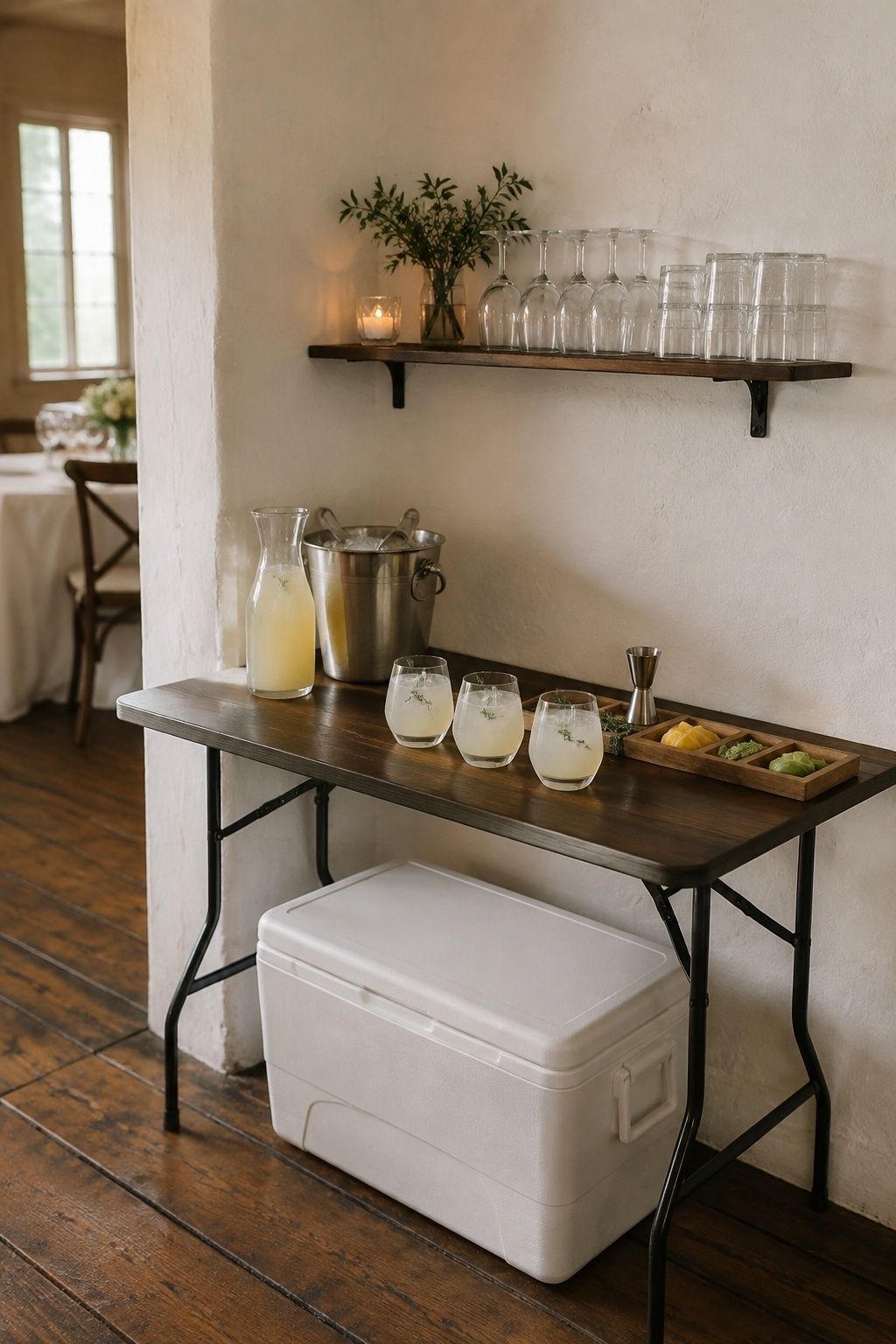
Some venues give the bar a full back counter. Others give the bartender a folding table, a cooler, and one narrow shelf. Choose personalized drinks that match the real prep space.
Limit squeeze bottles, garnish trays, specialty tools, and extra glass types when the station is tight. A drink that respects the setup looks more elegant because the bar stays calm.
Batching Boundary Cocktail

Batching helps small weddings when the recipe is safe, chilled, labeled, and finished at the bar. It hurts the menu when citrus dulls, bubbles flatten, herbs bruise, or alcohol strength becomes hard to track.
Ask what gets batched, what gets added last, who stores it, and how long it stays cold. That decision protects both flavor and service speed.
Allergy-Aware Cocktail
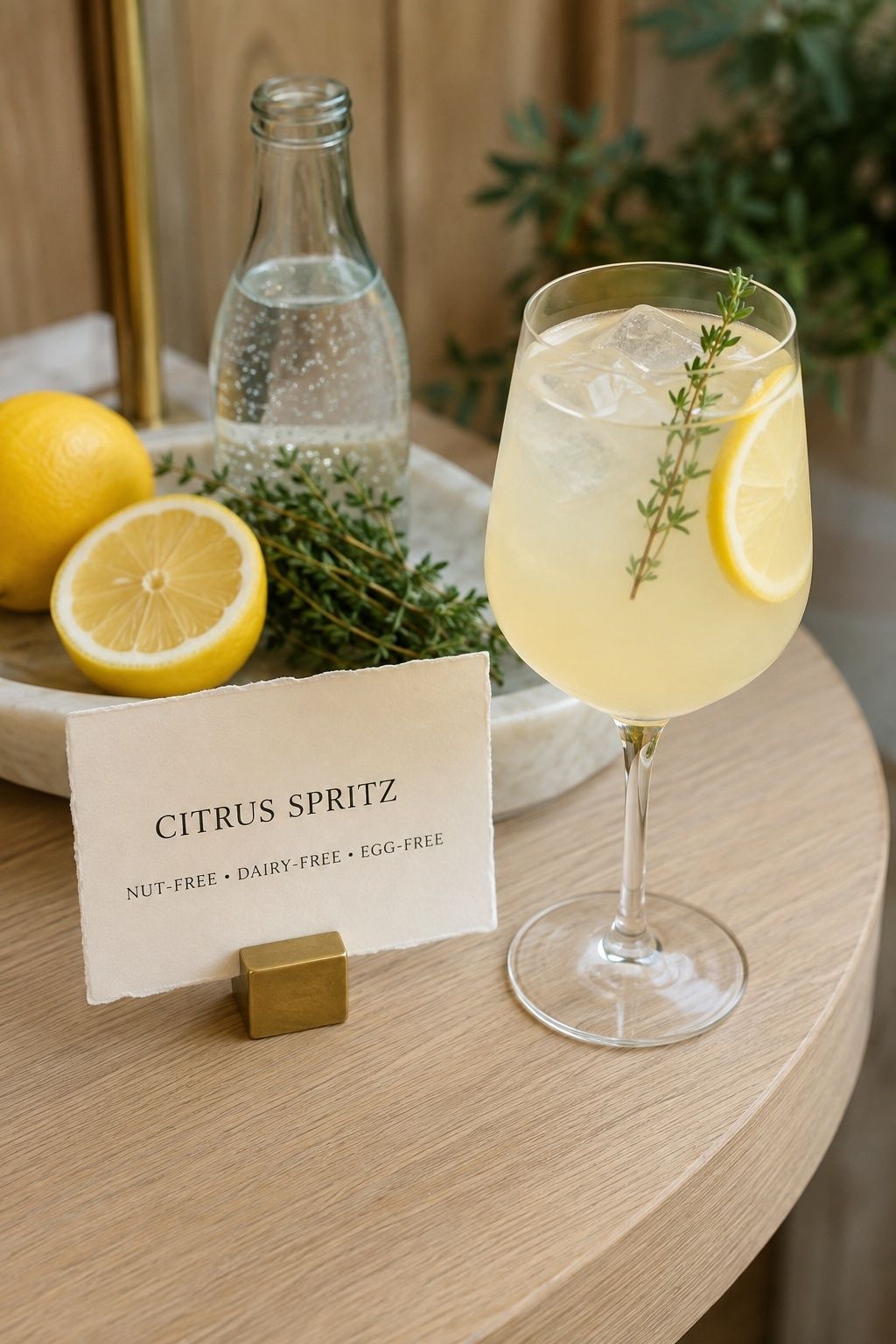
Personalized cocktails should still be easy for guests to navigate. Flag common concerns such as nuts, dairy, egg white, spicy ingredients, caffeine, and edible flowers when they appear.
Put allergy language on the menu card in plain words and brief the bartender before guests arrive. A small wedding makes hospitality feel close; clarity is part of that care.
Zero-Proof Flavor Match
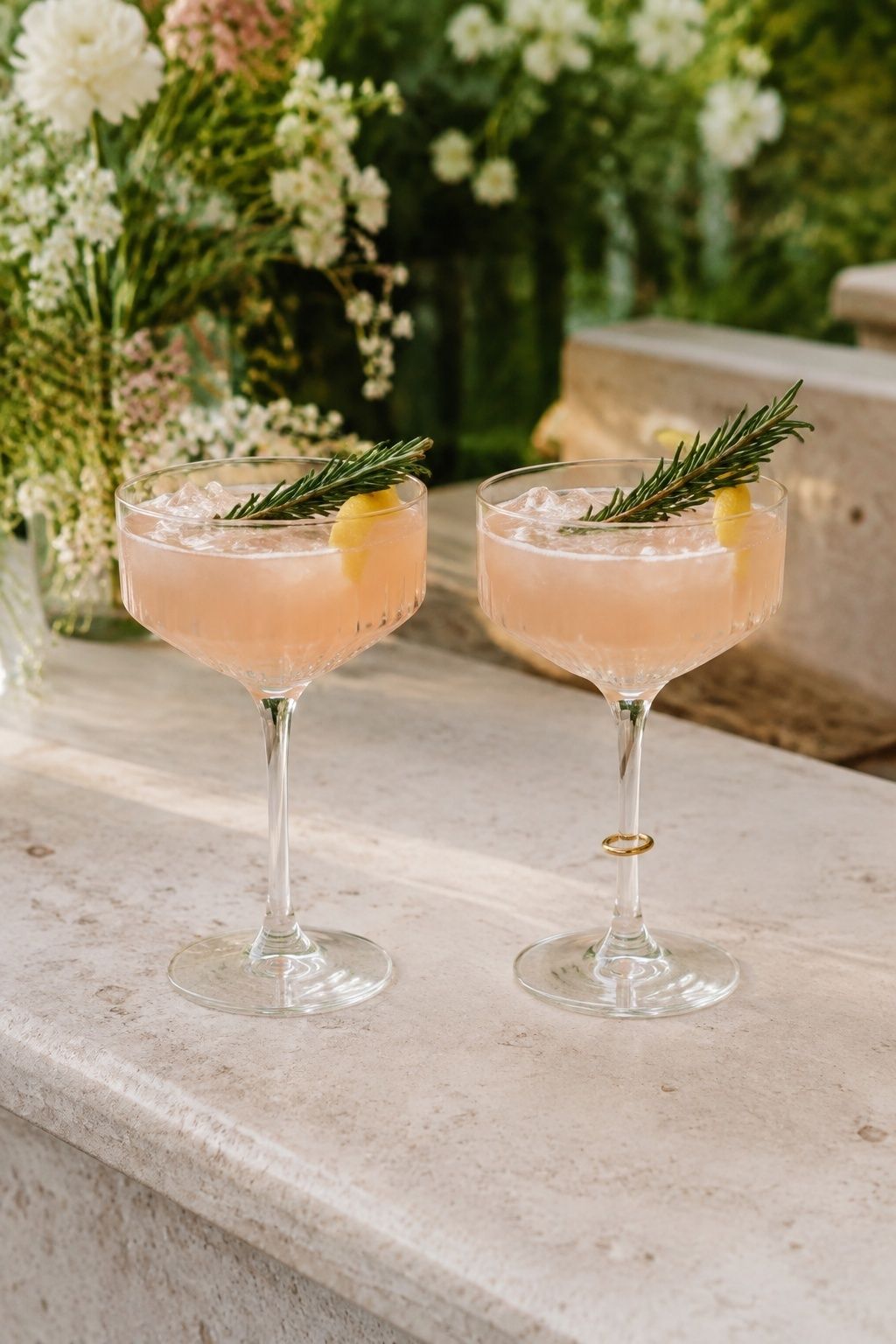
The zero-proof drink deserves its own flavor structure, glass, and garnish. Match it to the same mood as the cocktail menu through acidity, aroma, texture, and color rather than making it a sweet backup.
Serve it from the same bar with the same polish. Guests who skip alcohol should receive a drink that feels considered in the hand and clear on the sign.
Last-Call Soft Landing
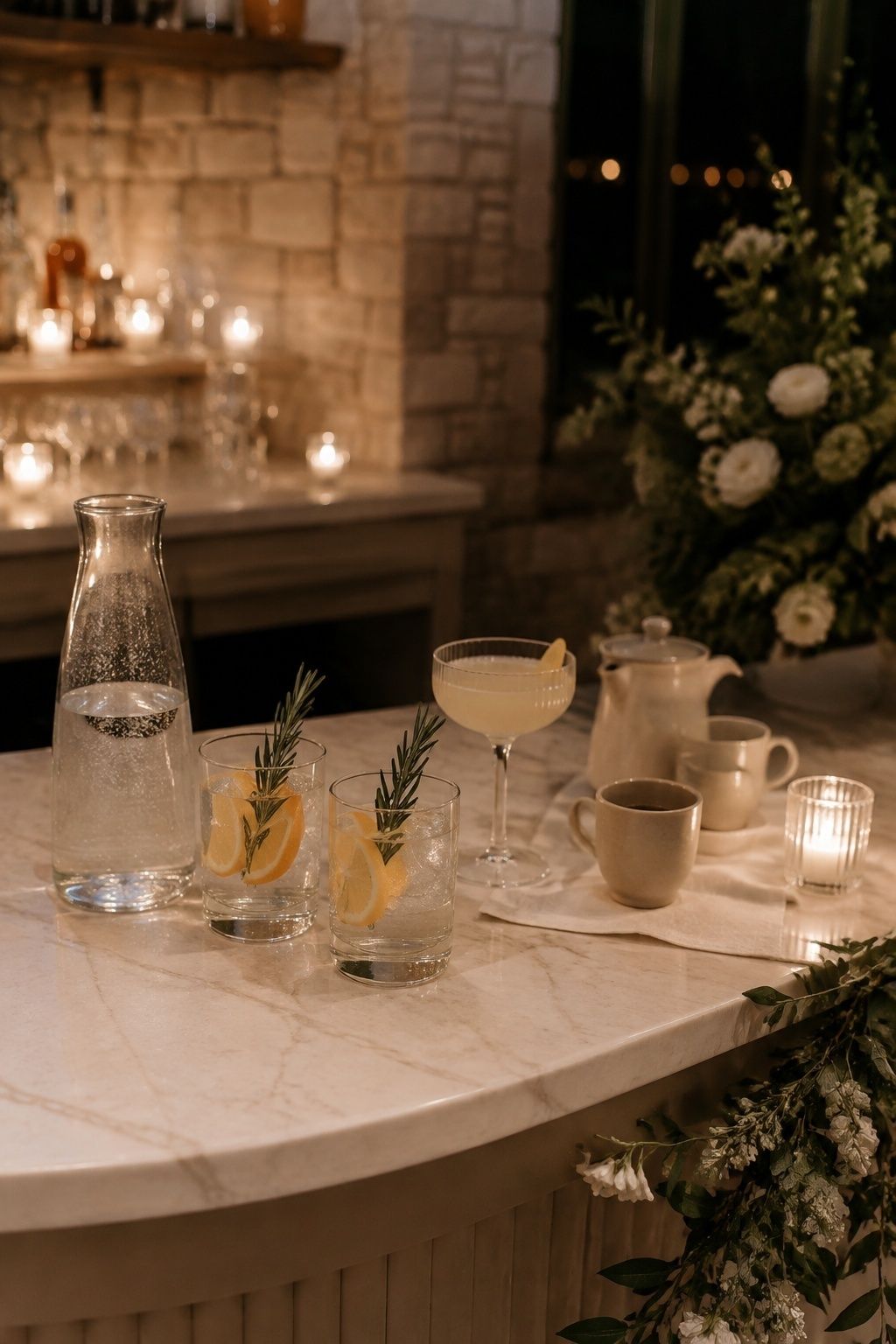
Plan the end of the bar as carefully as the first pour. A lighter final drink, sparkling water garnish, coffee service, or elegant zero-proof closer helps the reception slow down without feeling abrupt.
Tell the bartender when last call happens, what gets offered, and how late-night cleanup works. Small weddings feel smoother when the bar has a graceful finish.
Planning Notes For A Small Wedding Bar
Keep The Menu Short Enough To Serve Well
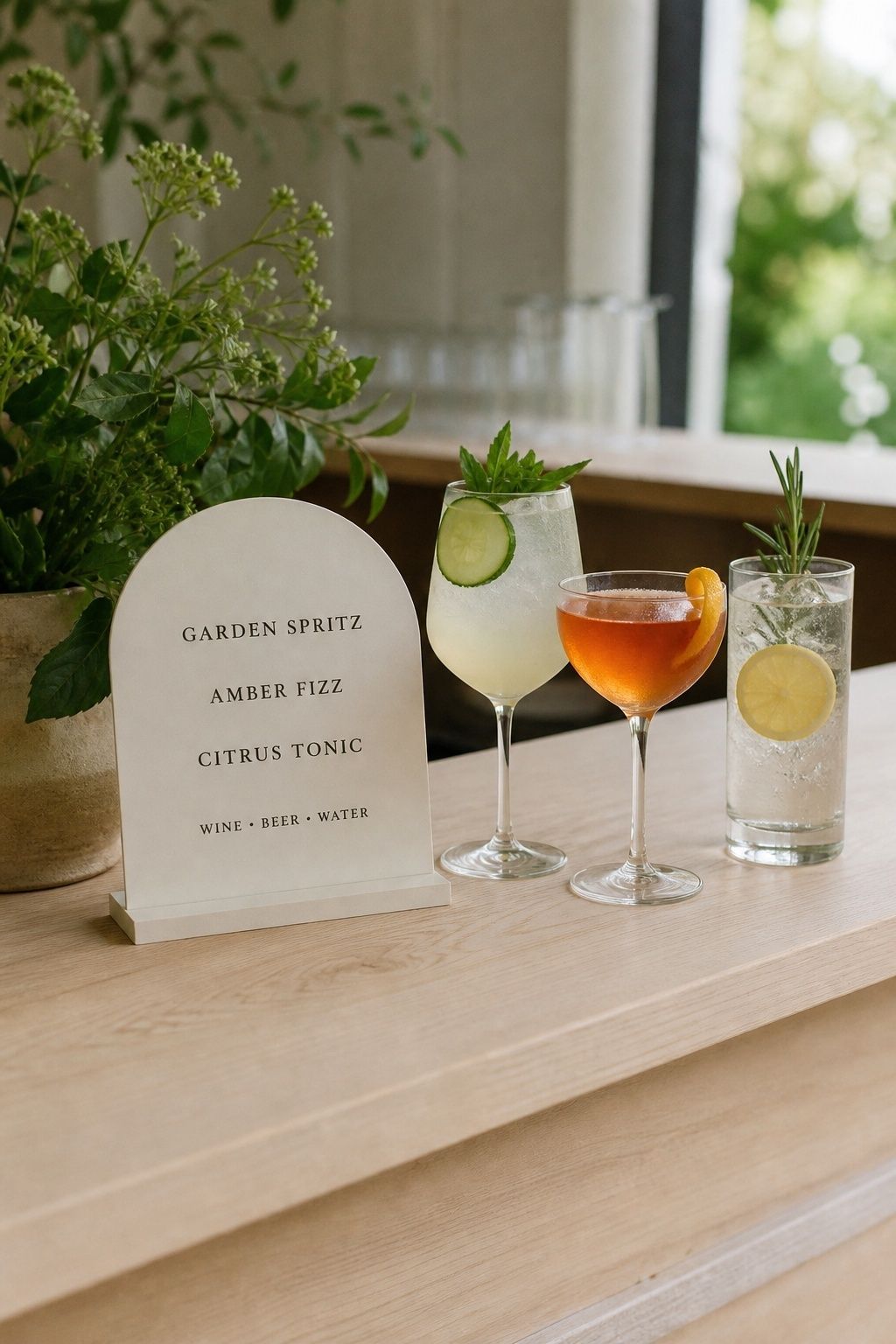
A small wedding bar should feel edited, not sparse. One fast-pour cocktail, one slower evening option, one zero-proof match, wine, beer, and water usually cover the room without creating a line.
If your bartender is working alone or the reception space is compact, assign each drink a speed tier. Anything that needs shaking, garnish assembly, or specialty glassware should earn its place.
Write Names Guests Can Say Out Loud
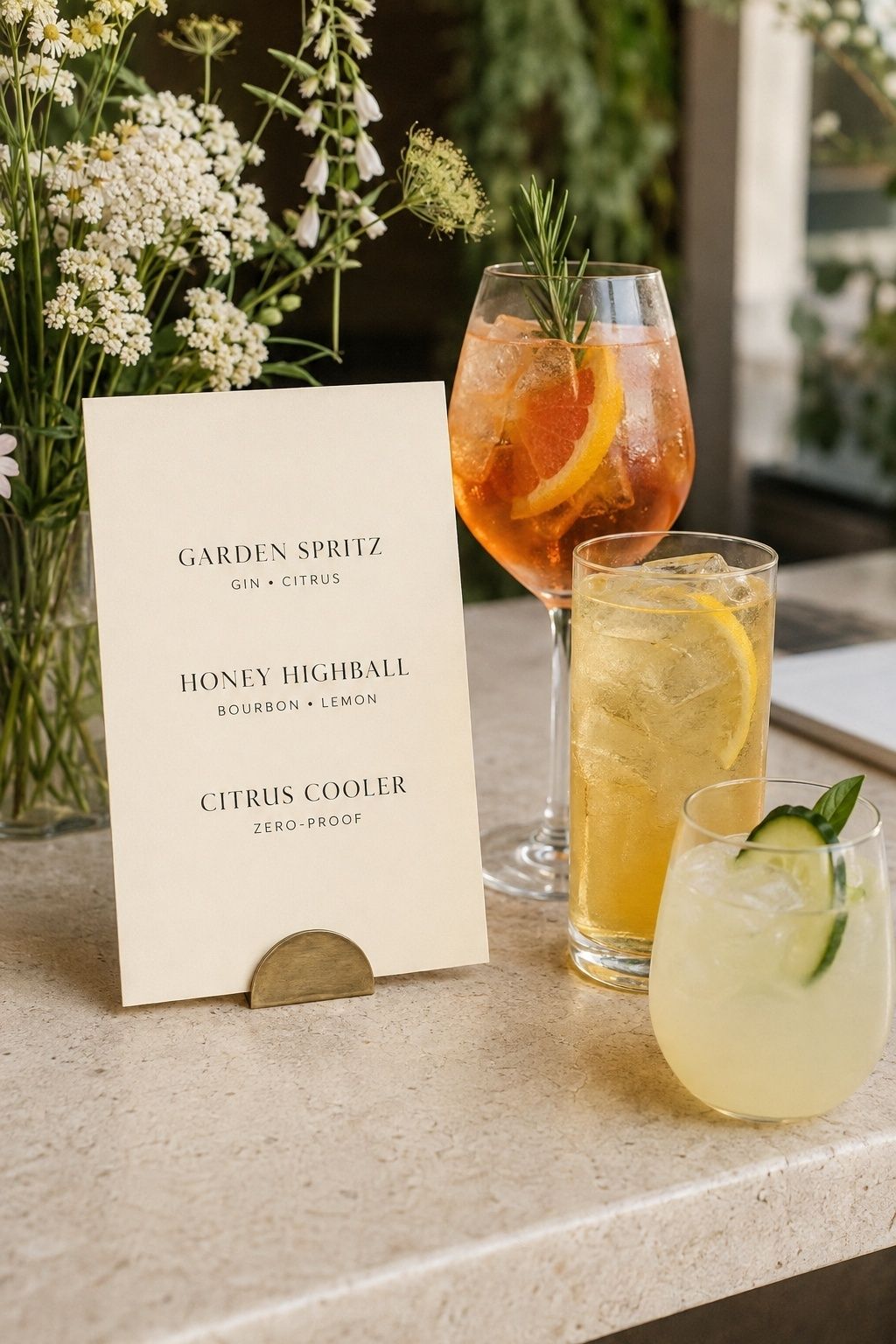
Drink names should be personal without becoming a puzzle. Say every name out loud as if you were ordering it at a busy bar, then remove anything too long, too private, or too hard to understand.
Readable signage matters because guests make quick choices. Put the drink name, base spirit or zero-proof label, allergy flag, and one short flavor description where people see it before they reach the bartender.
Test The Drink With The Bartender Before The Wedding
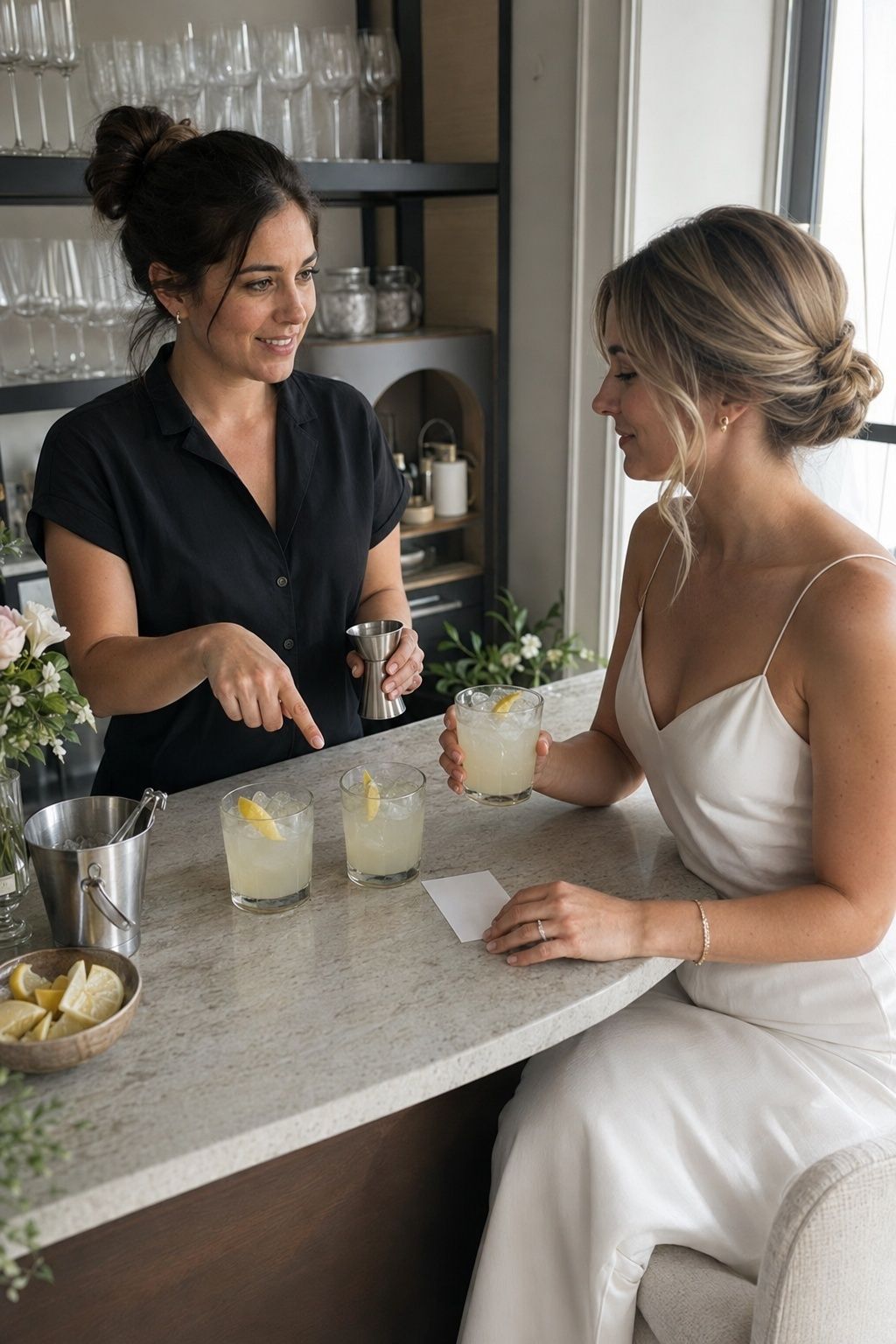
A tasting protects the whole bar plan. Try the cocktail in the glass you plan to use, with the garnish you plan to serve, and at the temperature guests will actually experience during cocktail hour.
Ask practical questions during the test: how long the build takes, how much ice the drink needs, where garnish prep happens, how the zero-proof match compares, and whether the color still looks good after a few minutes.
FAQ
How do you create personalized cocktails for a wedding?
Create personalized cocktails by choosing the reception job first: welcome drink, dinner drink, toast drink, outdoor drink, or late-night drink. Then choose flavor, glassware, garnish, name length, and zero-proof match around that job.
How many personalized cocktails should a small wedding have?
A small wedding usually needs one fast cocktail, one optional second cocktail, and one zero-proof drink with equal presentation. Add more only when staffing, glass count, ice, and prep space support the extra orders.
Should personalized cocktails include mocktails?
Yes, personalized cocktails should include a mocktail when possible. A thoughtful zero-proof drink gives non-drinking guests, pregnant guests, drivers, and anyone taking a break from alcohol a glass that still feels styled, balanced, and celebratory.
What makes a signature cocktail feel personal instead of random?
A signature cocktail feels personal when the drink fits the wedding moment and the detail is easy to understand. Color, garnish, menu wording, glass choice, and dinner pairing often feel more natural than a private joke guests struggle to order.
How do you name wedding cocktails without confusing guests?
Name wedding cocktails with short, speakable names and clear flavor descriptions. Avoid long inside jokes, hard-to-pronounce words, and names that hide the base spirit, zero-proof status, spice level, caffeine, dairy, nuts, or egg white.
What should couples avoid when planning personalized cocktails?
Couples should avoid overly complicated builds, too many specialty glasses, unclear names, fragile garnishes, poor ice planning, hidden allergens, sticky stains, and mocktails that feel secondary. The best personalized cocktail menu is easy to order, easy to serve, and calm behind the bar.
Final Thoughts
Personalized cocktails should make the bar feel thoughtful without making service harder. Choose drinks that match the room, the glass count, the ice plan, the dinner timing, and the guests standing in line.
Before you approve the final bar menu, taste every drink with your bartender, trim names that slow service, protect zero-proof parity, test garnish practicality, and let guest ordering clarity make the final call during flavor checks.
Last update on 2026-10-04 / Affiliate links / Images from Amazon Product Advertising API