

A fall wedding weather plan needs four separate versions of the day (rain, wind, cold and early darkness), each with a written trigger, a layout and a guest message. Pick one decision-maker, set the final call for about 24 hours out, and put blankets, umbrellas and lights where guests pause, not on a table nobody finds.
“We have a Plan B” usually means “there’s a room inside.” That’s a location, not a plan. It doesn’t say who decides, when they decide, where the chairs go, how the florist finds out or what happens to your portraits when it’s pouring at 4:15.
Autumn is beautiful and slightly unreliable. A sunny ceremony can turn into a cold dinner, a light breeze can scatter every program you printed, and the path that looked obvious at noon is pitch black by the time dessert is served. A good fall wedding weather plan makes each of those a decision you already made, calmly, weeks ago.

Kit worth having on hand
Most of what saves a fall wedding is unglamorous: umbrellas, blankets, lanterns, mats. These are a few of the pieces I’d keep in the weather box.


What should a fall wedding weather plan include?
It should include a separate response for rain, wind, cold and early darkness, a trigger for each, one person who makes the call, and a single document every vendor works from.

A generic Plan B falls apart because rain, wind and cold change different parts of the day. Rain moves the ceremony. Wind changes your florals and paper. Cold shortens cocktail hour. Write them as four versions:
| Scenario | What changes | Who needs to know |
|---|---|---|
| Rain | Ceremony location, guest route, portrait spots | Venue, officiant, photographer, rentals, florist |
| Wind | Signs, programs, candles, tall florals, sidewalls | Florist, rentals, decor crew |
| Cold | Cocktail hour length, heaters, blankets, hot drinks | Venue, caterer, rentals |
| Early dark | Ceremony time, path lighting, shuttle pickup | Photographer, venue, transportation |
For each one, note the layout, the timing change, the guest message, the portrait plan and the vendor call order. It sounds like a lot. On one page, it isn’t.
Keep two lists apart while you do this: beauty (flowers, linens, candles, portrait spots) and safety (slippery paths, temperature, power, tent access, shuttle timing). Safety gets decided first.
Set triggers and a decision-maker before wedding week
Choose one person to make the weather call and give them written triggers and a deadline. The couple in formalwear refreshing a forecast app is the worst possible decision-maker.

Your planner, the venue manager or one level-headed family member can hold the role. Hand them the forecast triggers, the vendor contacts and the deadline, and agree that their call is final.
Write triggers with numbers
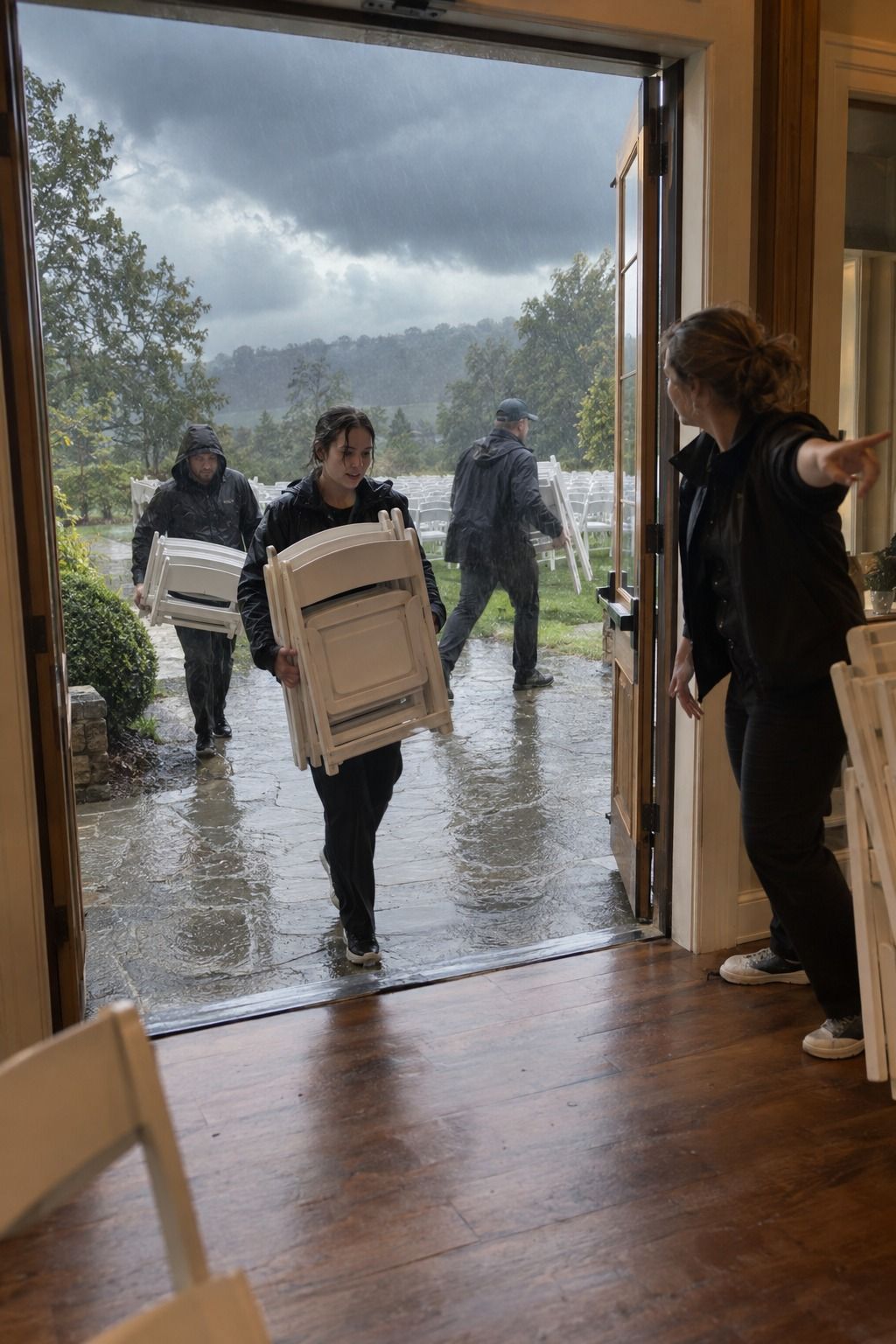
Vague triggers (“if it looks bad”) turn into arguments. Use numbers where you can. Mine would look something like this, and you should adjust them to your venue and climate:
- Any rain forecast during the ceremony window: ceremony moves under cover.
- Lightning in the area: everyone indoors, no debate.
- Steady wind that knocks over a test sign: switch to the low florals and weighted stands.
- Forecast below about 10°C (50°F) at ceremony start: cut outdoor time to vows only.
- Sunset before the last guest movement is done: move the ceremony earlier or light the route.
A decision timeline that works
Check the long-range forecast two weeks out and confirm tent availability. At 72 hours, give rentals a heads-up. At 48 hours, decide on the tent and sidewalls. At 24 hours, make the final call and send it.
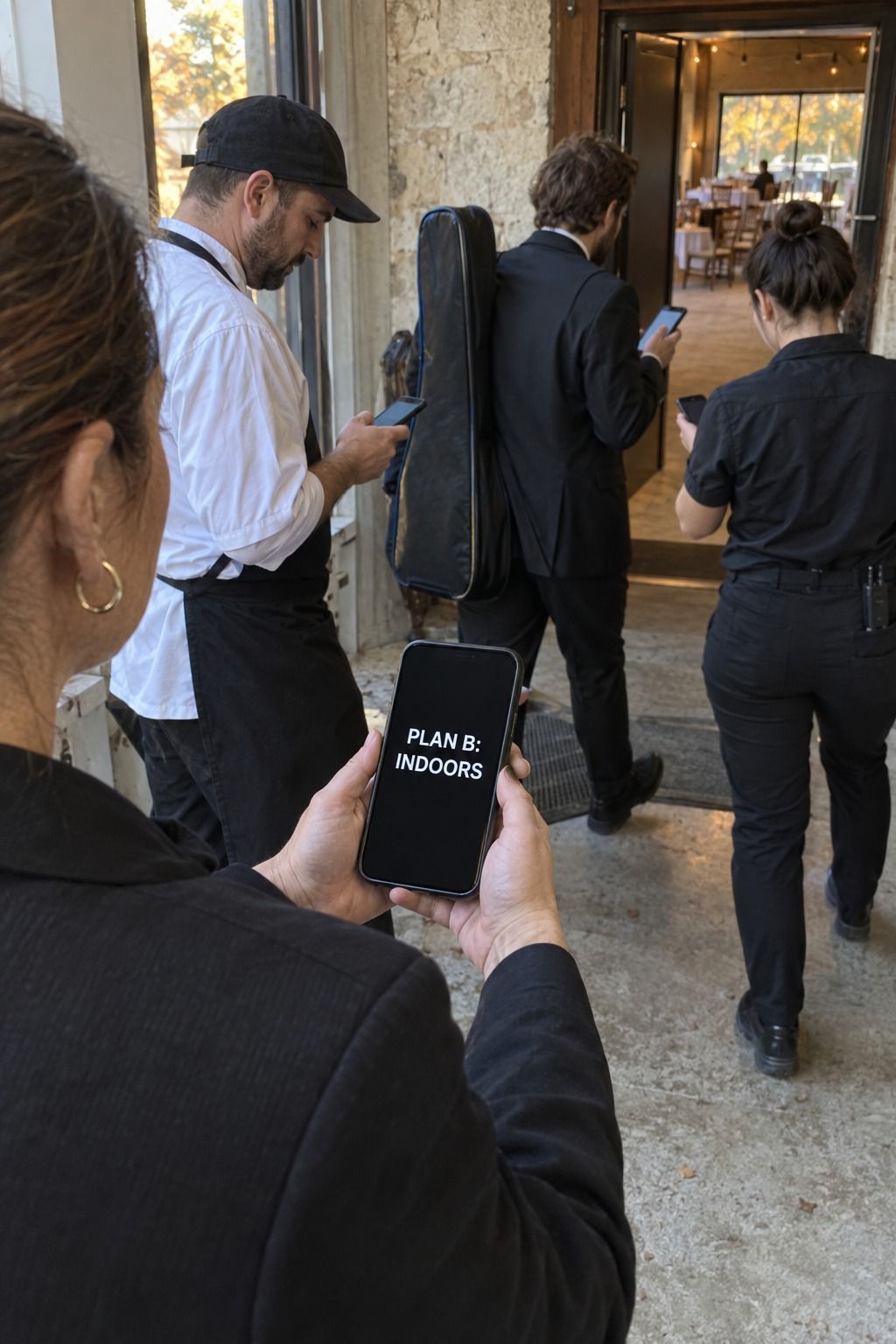
Send the final plan once, in writing, to everyone: planner, venue, photographer, florist, caterer, rentals, officiant, musicians, transport and hair and makeup. One message with timings, locations and load-in changes. The Knot has a solid checklist on building an outdoor wedding backup plan if you want a second list to check yours against.
How do you plan a fall wedding around early sunset?
Look up the sunset for your exact date, then build the day backwards from it. In late October and November, sunset can land before 5 pm in many places, especially after clocks change, so a 4 pm ceremony may leave you only minutes of usable light.

Pad the ceremony start for real arrival behavior. Autumn guests are slower: coats, wet shoes, umbrellas, grandparents on uneven ground, a shuttle that runs late. The first ten minutes after the invitation time matter as much as the sunset minute.
Book golden hour like a vendor

Decide what gets the soft light (couple portraits, family groups or cocktail candids) and reserve those minutes on the timeline as if a vendor were arriving. If portraits happen before the ceremony, keep a tiny window afterwards for the scenery. If they happen after, keep the family list short and move fast. The fall wedding photo ideas post covers shot lists that fit the shorter light.
Pick a portrait spot for every scenario

Choose one location for sun, one for rain and one for darkness before the day. Covered porches, big windows, staircases, greenhouses and hotel lobbies all work. At a small wedding, the group shot may be your whole guest list, and nobody should stand in the cold while someone hunts for a dry corner.
Choose a backup space you actually like
Your indoor or tented backup should be a space you’d be happy to marry in, not a consolation prize. If you wince on the tour, keep looking or set aside money to make it work.
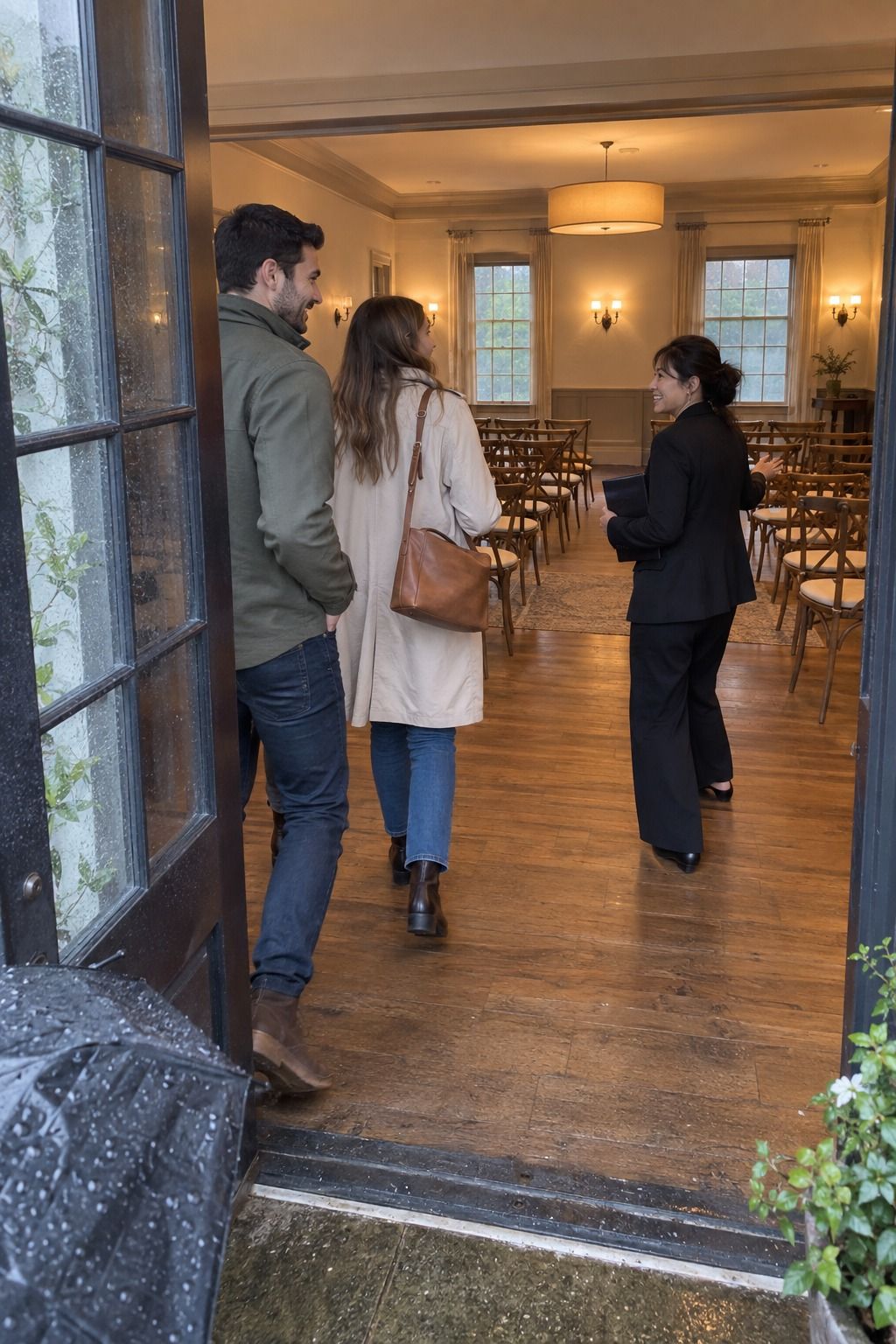
Photograph the backup from the aisle, the front row, the doorway and the corner you’d use for portraits. Those photos make it far easier to plan chairs, lighting and flower scale later without guessing.
Reserve tent options early
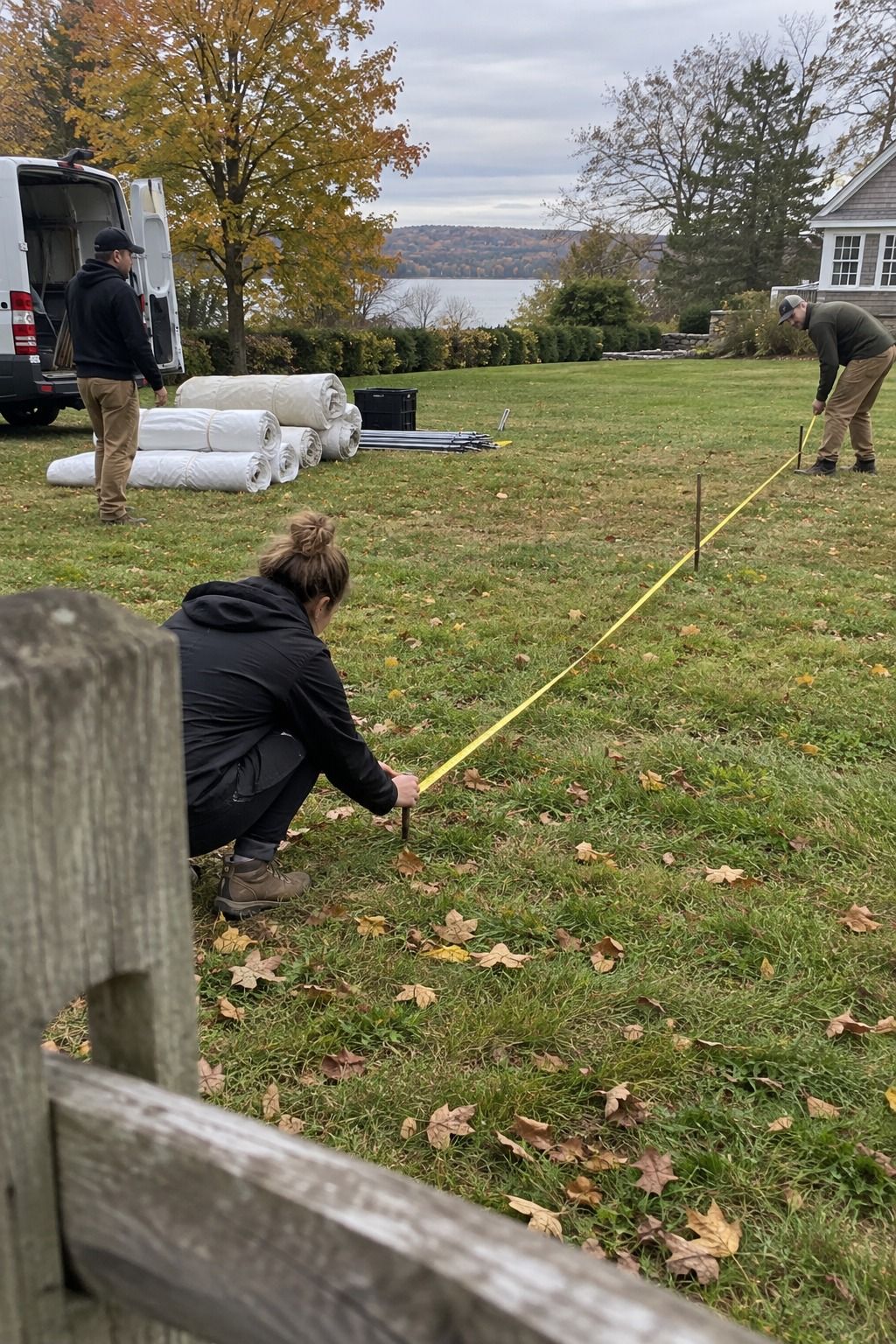
Tents get scarce the moment everyone sees the same rainy forecast. Ask about size, install timing, flooring, lighting, heaters, sidewalls, permits and the decision deadline, and get that deadline in writing. Check where water drains and how catering staff reach the kitchen. The wedding rental mistakes post lists the ones I see most often.
Sidewalls for wind and cold
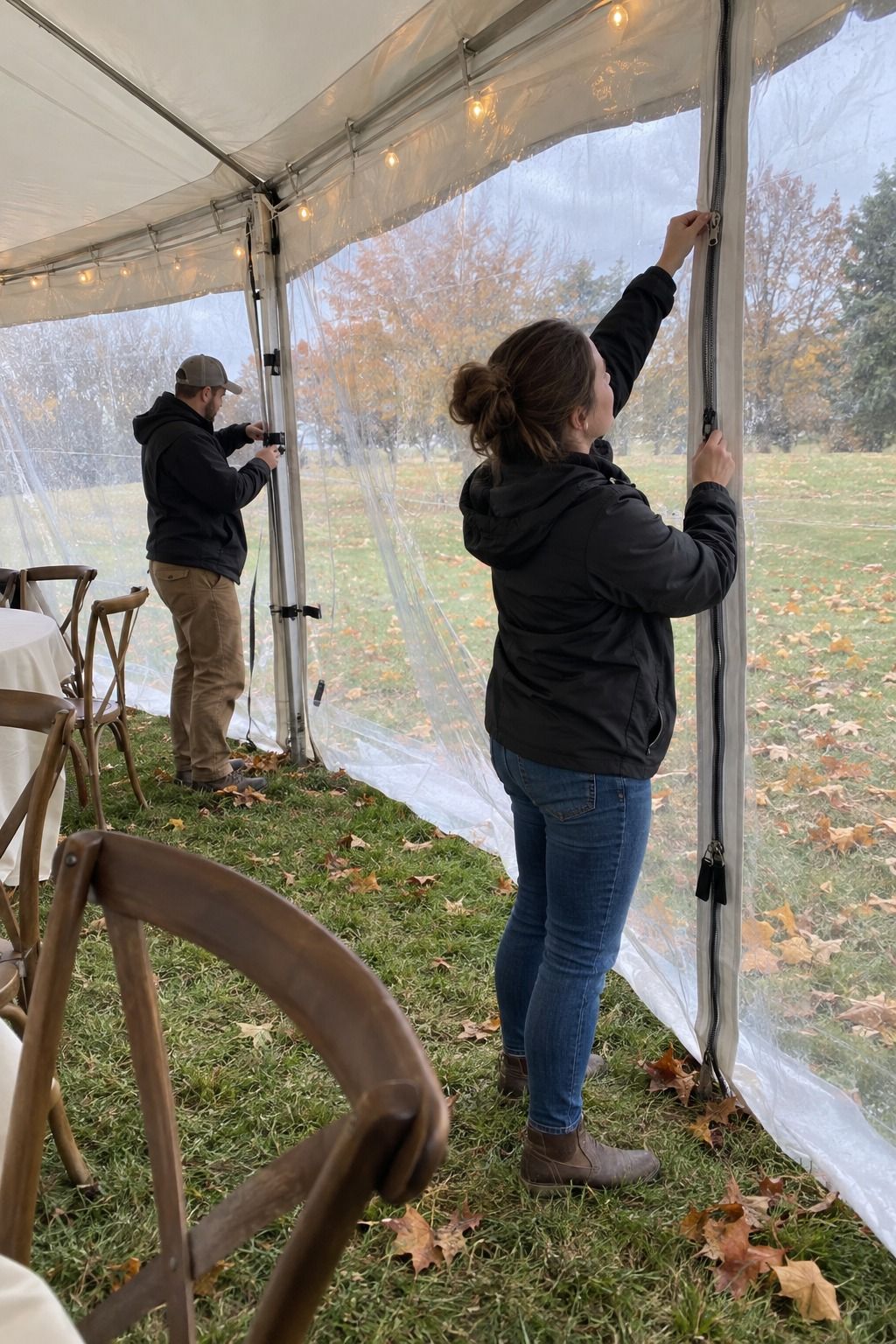
A tent with no walls still lets wind-driven rain and cold gusts across dinner. You rarely need all four. One or two walls on the side facing the wind usually steady the room. Clear walls keep the view; solid ones hide service areas.
Keeping guests warm after dark
Plan warmth for the coldest part of your schedule, not the afternoon high. Guests who were fine at a 3 pm ceremony are cold by dessert.
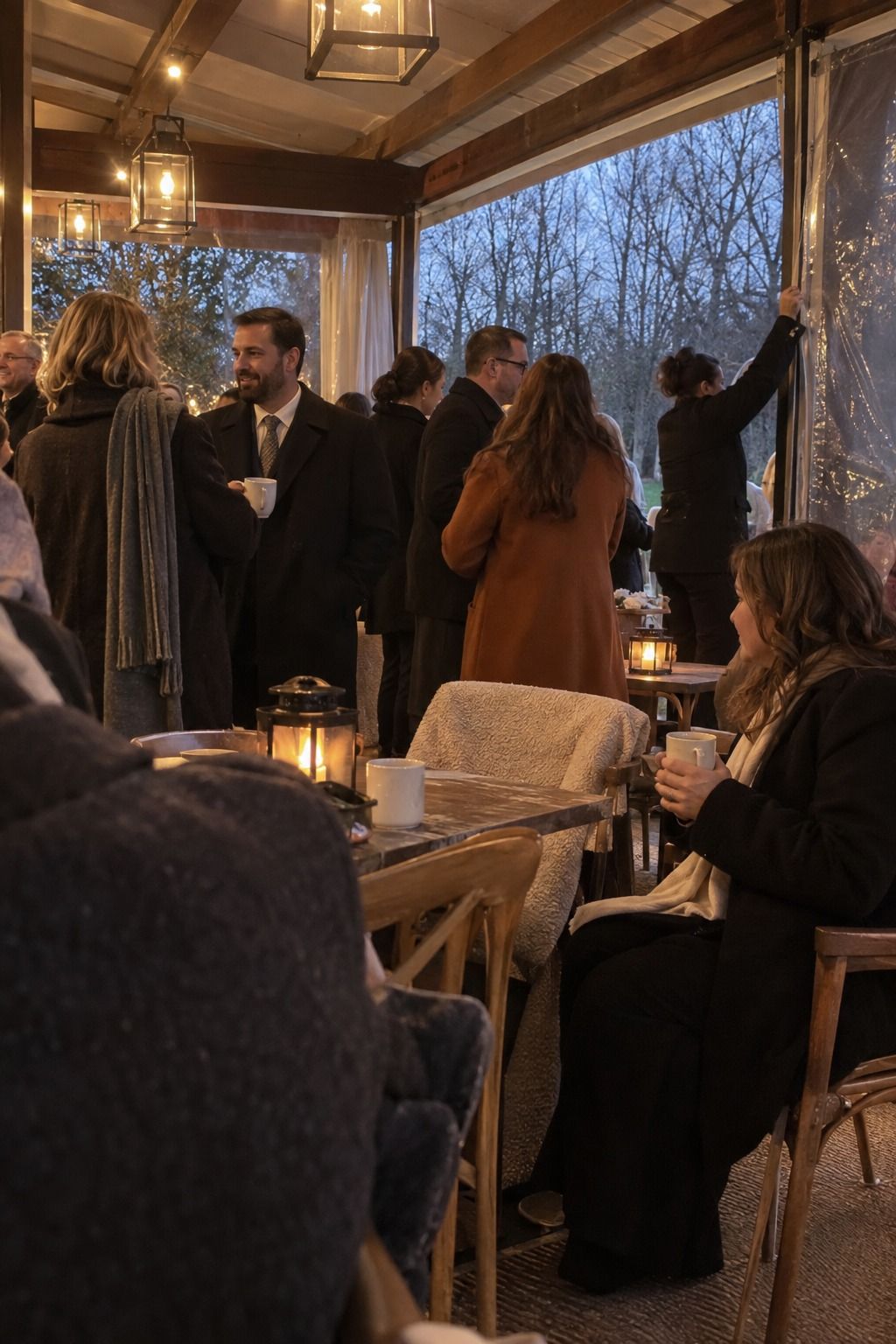
Confirm where heaters go, who switches them on, fuel or power, and the venue’s ventilation and fire rules. Then think in zones: ceremony seating, cocktail tables, dinner, restrooms, coat storage and the pickup point. A heater by the dance floor does nothing for guests waiting in a dark driveway.
Blankets and wraps

Put blankets out before guests feel cold: folded on chairs, in a basket at the aisle, or handed over at arrival. Count them by section rather than head count. Front-row family, older guests and anyone seated in shade reach for them first.
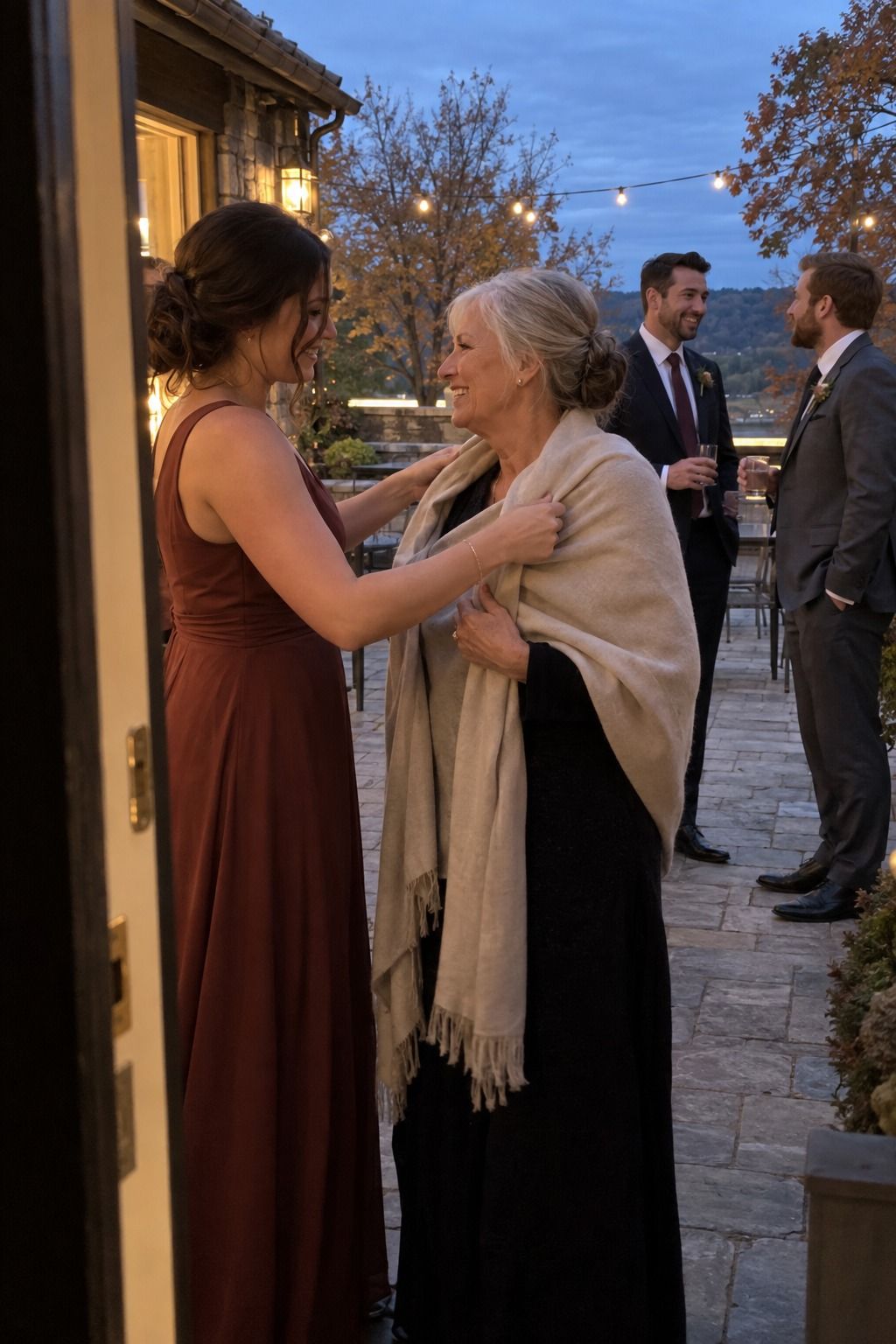
Pashminas drape over formalwear better than coats and look tidy in photos. If you only have a few, give them to the wedding party, immediate family and older guests first.
Hot drinks at the transition
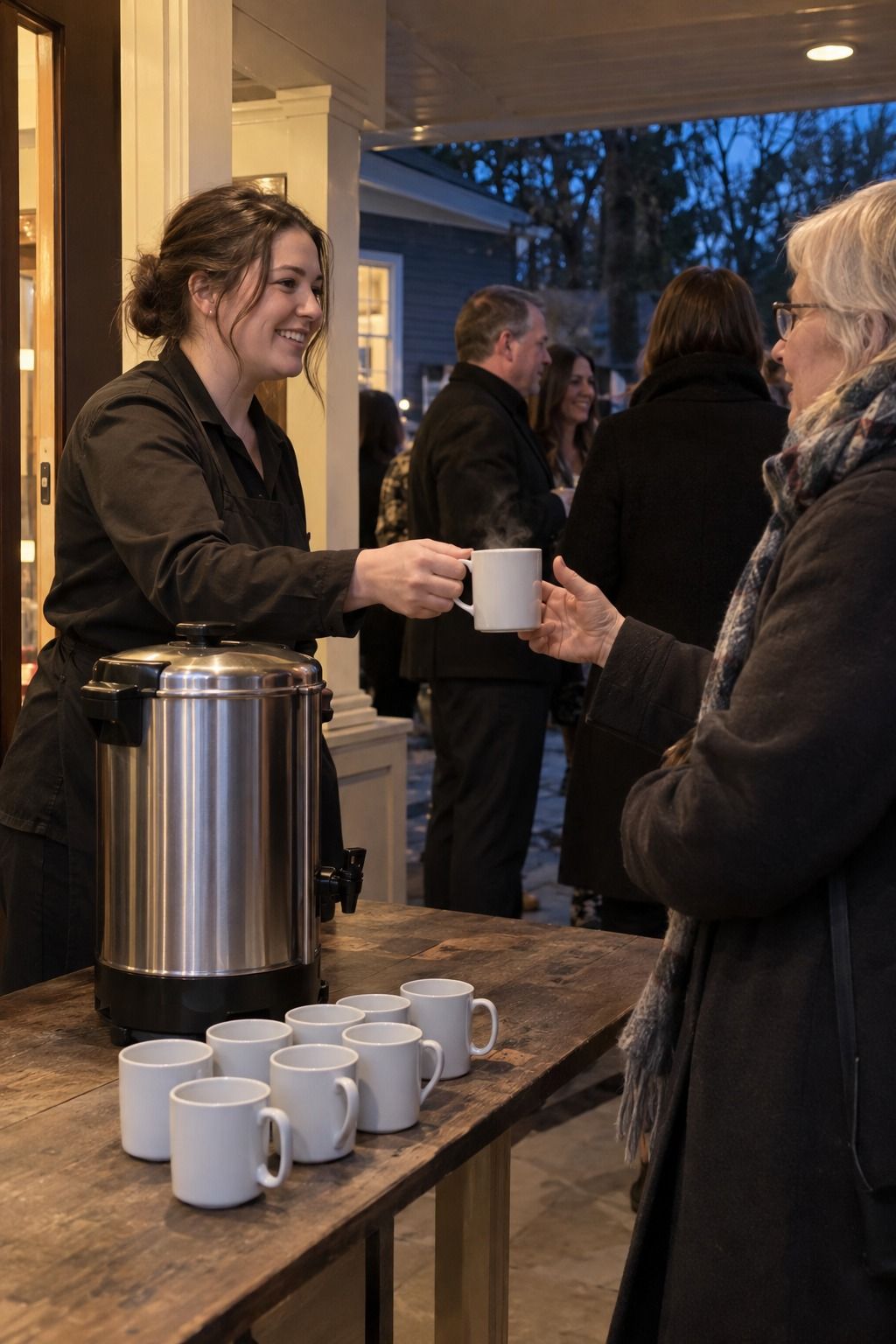
A hot drink at the moment guests move from outdoor vows to indoor dinner makes the switch feel hosted. Cider, tea, coffee or cocoa all work. From my years running banquet kitchens, the thing that breaks a hot drink station is never the drink. It’s running out of cups or lids, or nobody knowing which urn has the rum in it. Assign those to the caterer by name. My November wedding guest comfort ideas go further on late-season hosting.
Rain, mud and wet leaves
Keep umbrellas where people pause, check the ground before chairs go down, and put mats at every surface change.
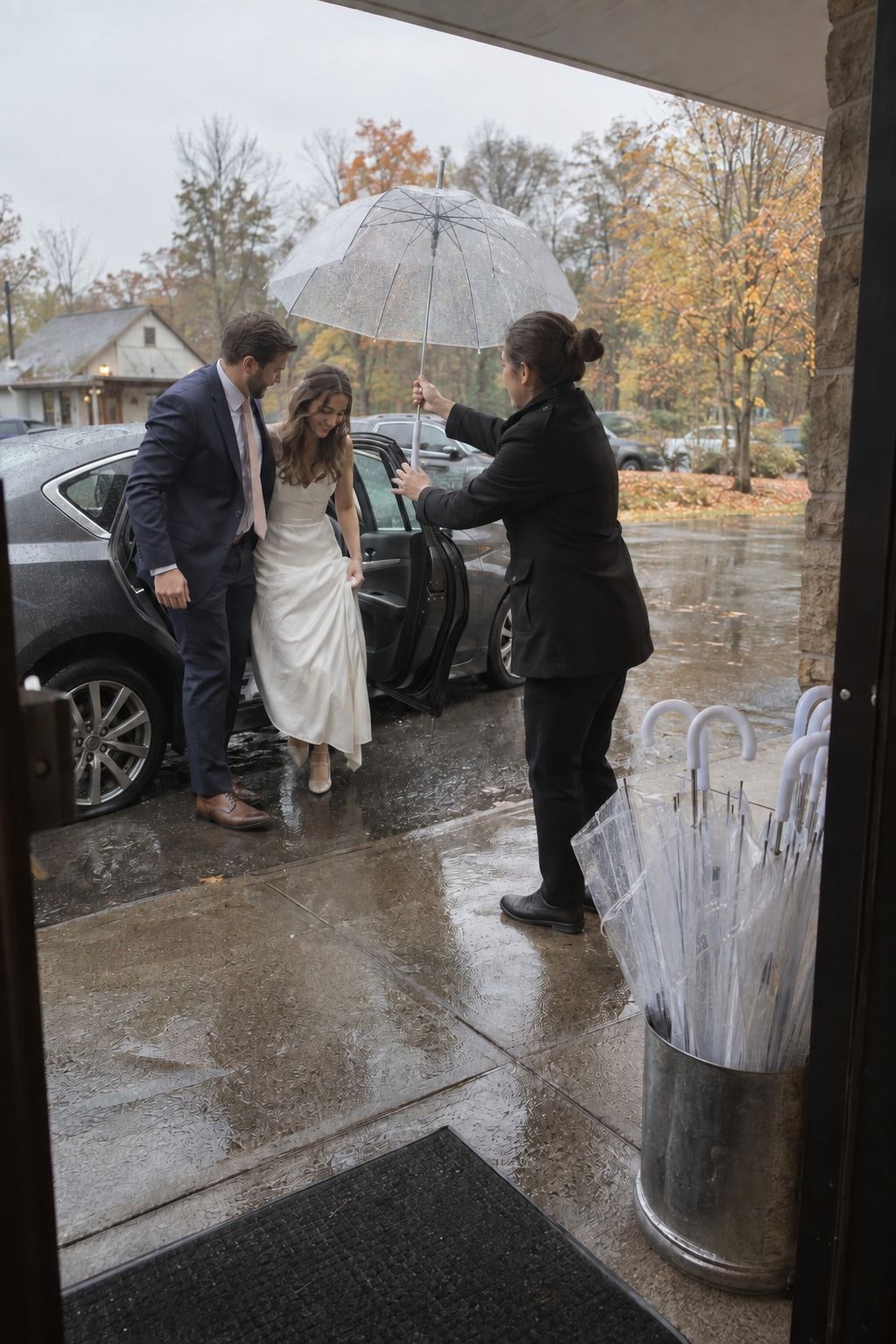
Store clear umbrellas at arrival, the ceremony path, the pickup and your portrait spot. Keep a separate clean set for portraits so they don’t arrive muddy. Name one person to collect wet ones, or they pile up in doorways. My fall wedding rain plan covers the full rainy-day layout.

Grass can look dry and still swallow chair legs and heels. Walk the ceremony area after rain if you can, and confirm which route stays firm for older guests or anyone using a mobility aid.
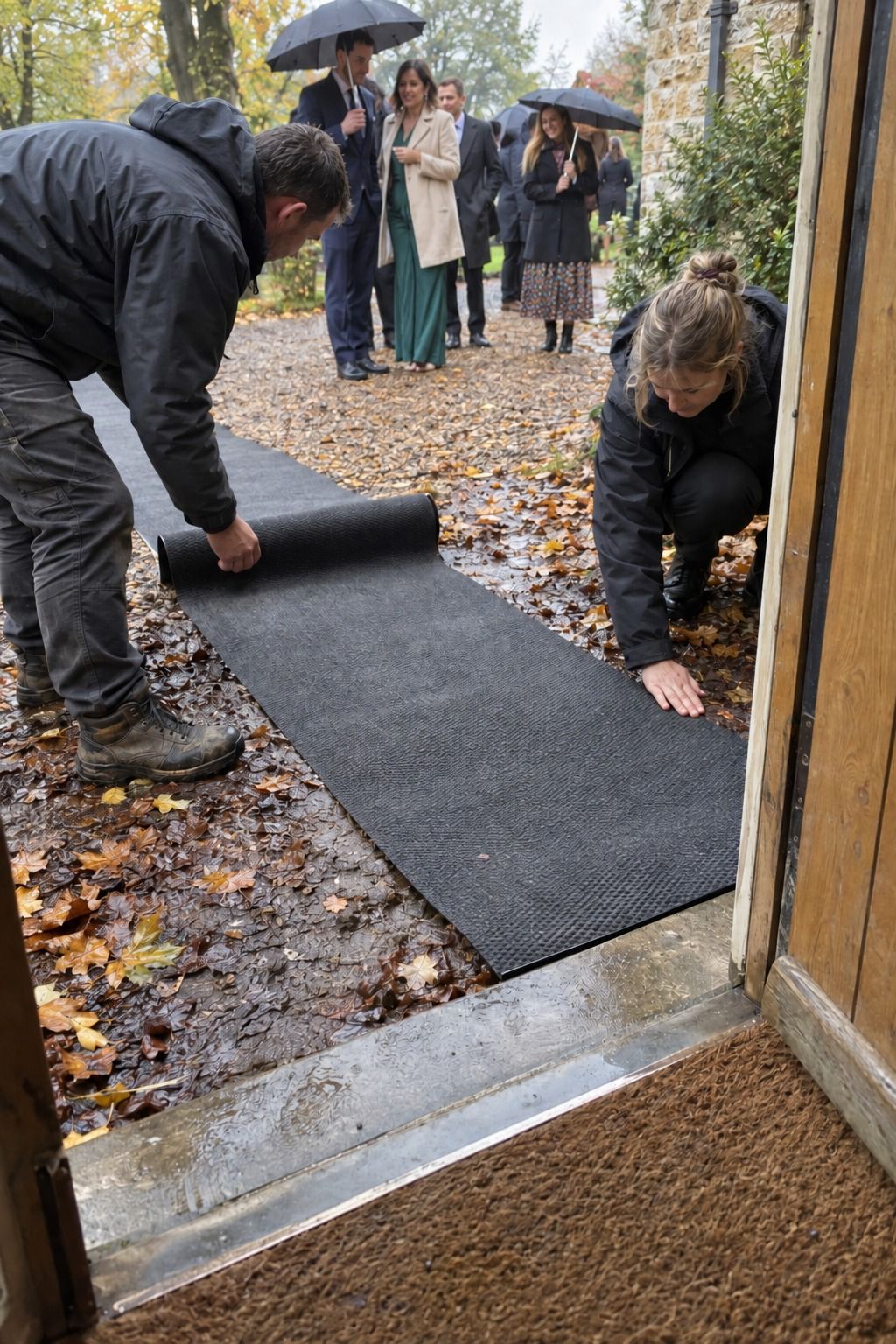
Wet leaves on stone steps and wooden decks are slippery. Flat non-slip mats at entrances, restrooms, tent openings and shuttle stops solve it.
Wind and early darkness
Wind wrecks paper and tall florals; darkness hides paths. Both are cheap to fix if you plan for them.
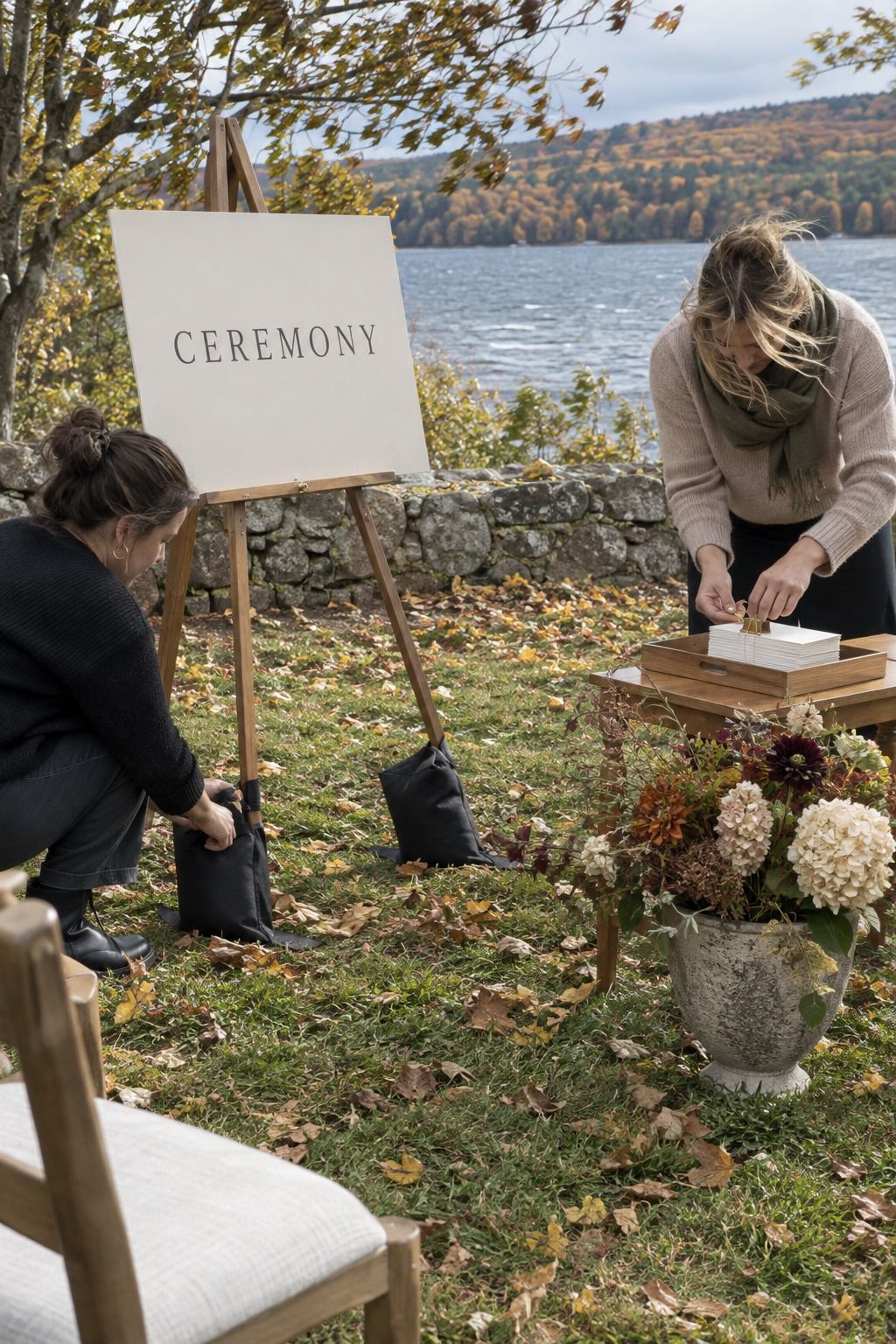
Anything light that sits outdoors is at risk: programs, signs, escort cards, menus, petals, napkins, open candles. Use weighted sign stands, low arrangements, clips, heavy vessels and enclosed candles. On a breezy day, the most elegant fix is fewer loose paper details.

Do a dusk walk of the route from ceremony to cocktails to dinner to parking. A path that’s obvious at noon can vanish after dinner, especially at farms, vineyards and private homes. Low lanterns spaced so guests can always see the next one are enough.
What should guests know about fall wedding weather?
Tell guests how long they’ll be outside, what the ground is like and how they’ll hear about changes. One calm line on the wedding website does the job.
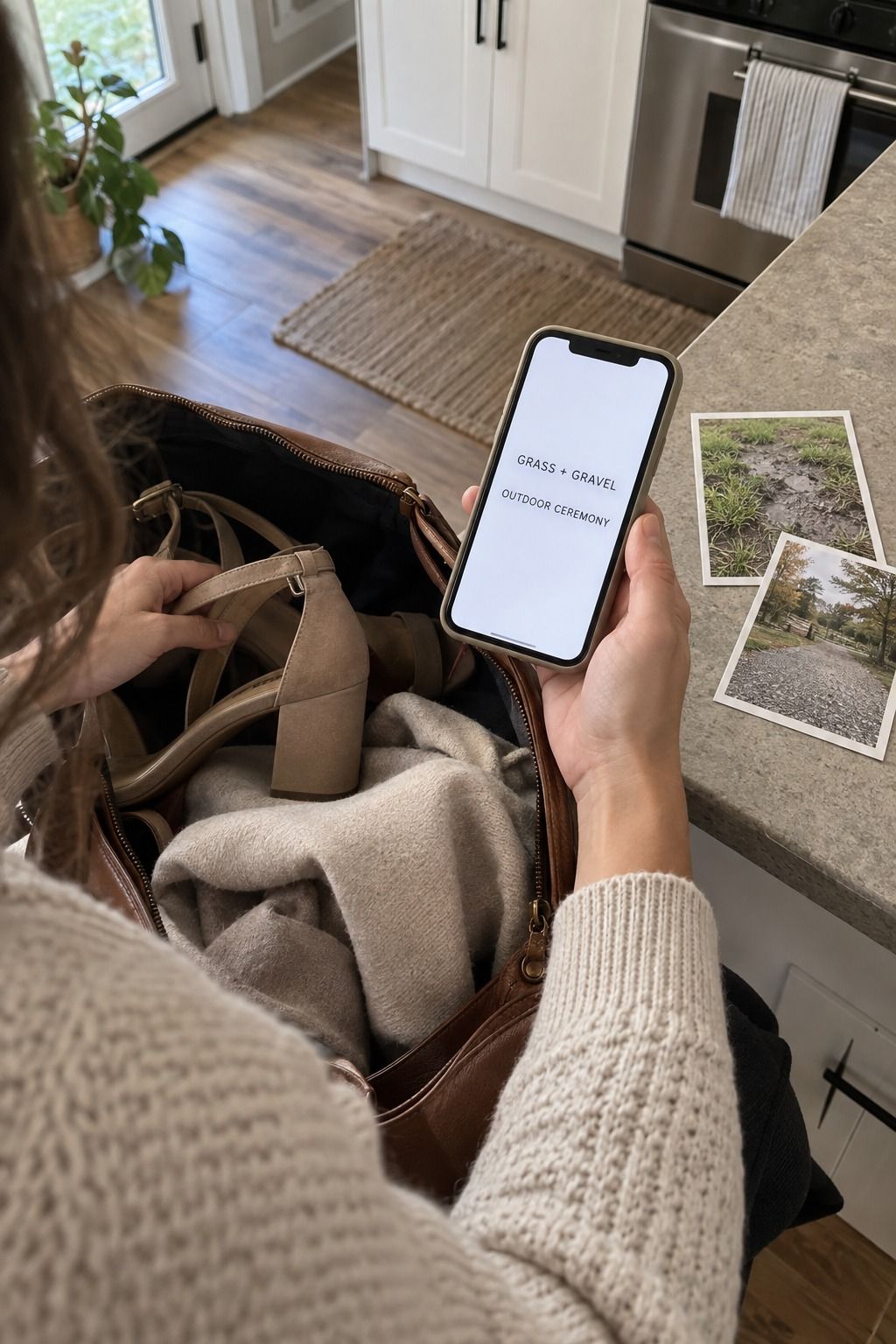
Something like: “The ceremony is outdoors on grass for about 30 minutes. Evenings get cool, so bring a layer. If plans change for weather, we’ll text you by noon the day before.” That covers shoes, coats and expectations without making the day sound fragile.
Put supplies where people stop
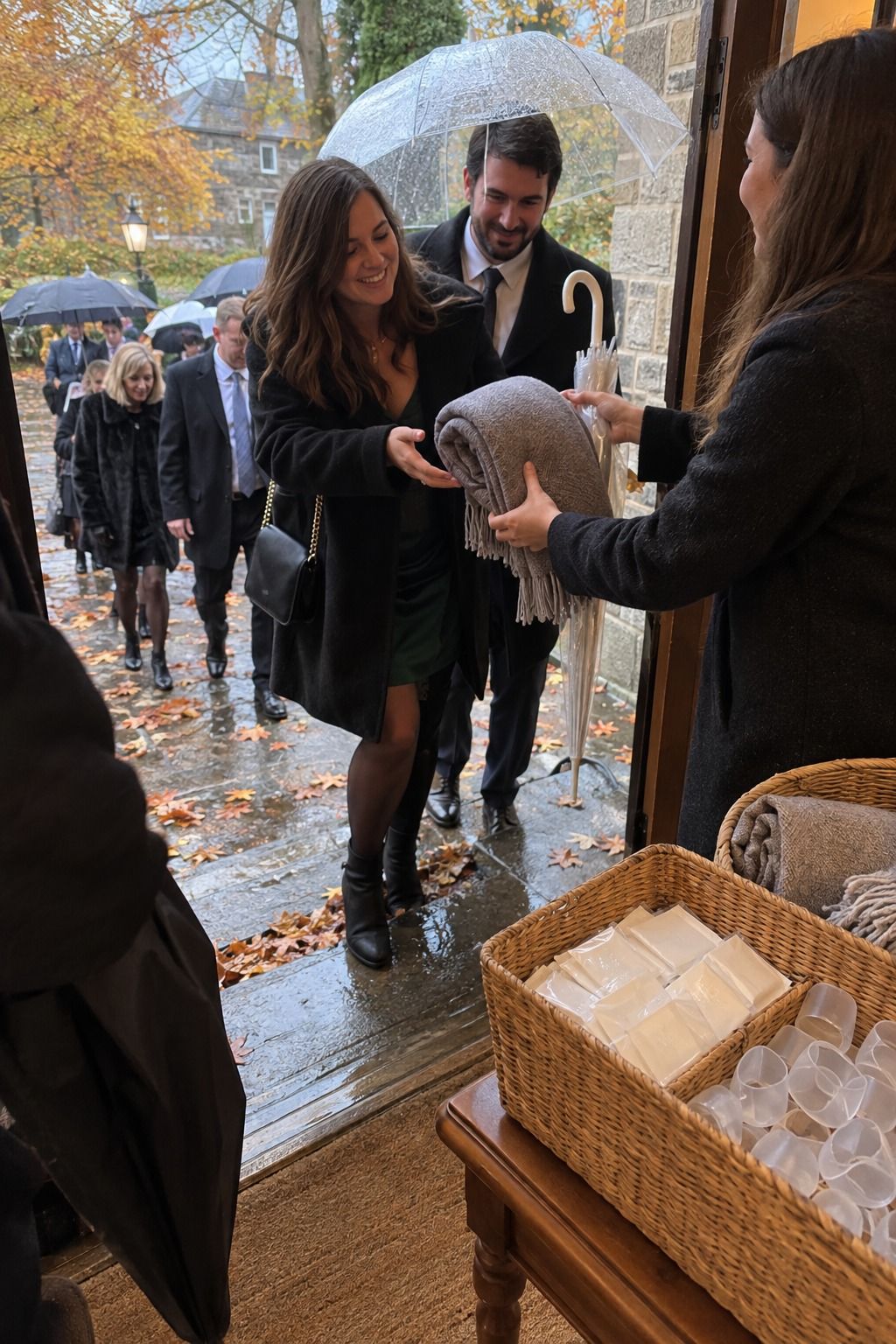
At a small venue, where supplies sit matters more than how many you buy. Put them at the welcome table, the ceremony entrance, the restroom corridor, the coat area and the shuttle pickup.

Add an emergency tote for the season: tissues, eye drops, masks for smoky days, stain wipes, hand warmers and a basic first-aid kit. You’ll probably use half of it.
Before the forecast gets loud
- Write four versions of the day: rain, wind, cold and early dark.
- Give one person the weather call, with numbered triggers and a 24-hour deadline.
- Check the sunset for your exact date and build the timeline backwards.
- Plan warmth for the coldest hour, by zone, with blankets out before guests ask.
- Send the final plan once, in writing, to every vendor.
FAQ
What should a fall wedding weather plan include?
A fall wedding weather plan should include separate responses for rain, wind, cold and early darkness, a written trigger for each, one decision-maker and a deadline. Add guest messaging, portrait locations and a single document every vendor receives.
When should you make the final weather call for a fall wedding?
Make the final weather call about 24 hours before the ceremony, with a tent and sidewall decision around 48 hours out. Earlier deadlines give rental and catering teams time to adjust without rushing.
How do you keep guests warm at a fall wedding?
Keep guests warm with heaters placed by zone, blankets set out before the ceremony, wraps for family and older guests, and a hot drink station at the move from outdoors to indoors. Plan for the evening temperature, not the afternoon high.
What time should a fall wedding ceremony start?
A fall wedding ceremony should start early enough to finish vows, family photos and couple portraits before sunset. Check the sunset for your exact date and work backwards with your photographer; in November that can mean a ceremony around 2 or 3 pm.
How do you plan for wind at an outdoor fall wedding?
Plan for wind with weighted sign stands, low florals, enclosed candles, clipped programs and tent sidewalls on the windward side. Fewer loose paper details is the simplest fix on a gusty day.
One page, four versions
Print your fall wedding weather plan on a single page, hand it to your decision-maker and stop checking the forecast every hour. The Joy fall planning guide is a decent cross-check for the rest of your autumn timeline, and if you’re comparing seasons, the winter wedding weather plan uses the same four-scenario method for colder dates.
Last update on 2026-10-04 / Affiliate links / Images from Amazon Product Advertising API